
9 March 2024 · filed in Product Highlight
A Comprehensive Understanding of Safety Barriers in Food Industry
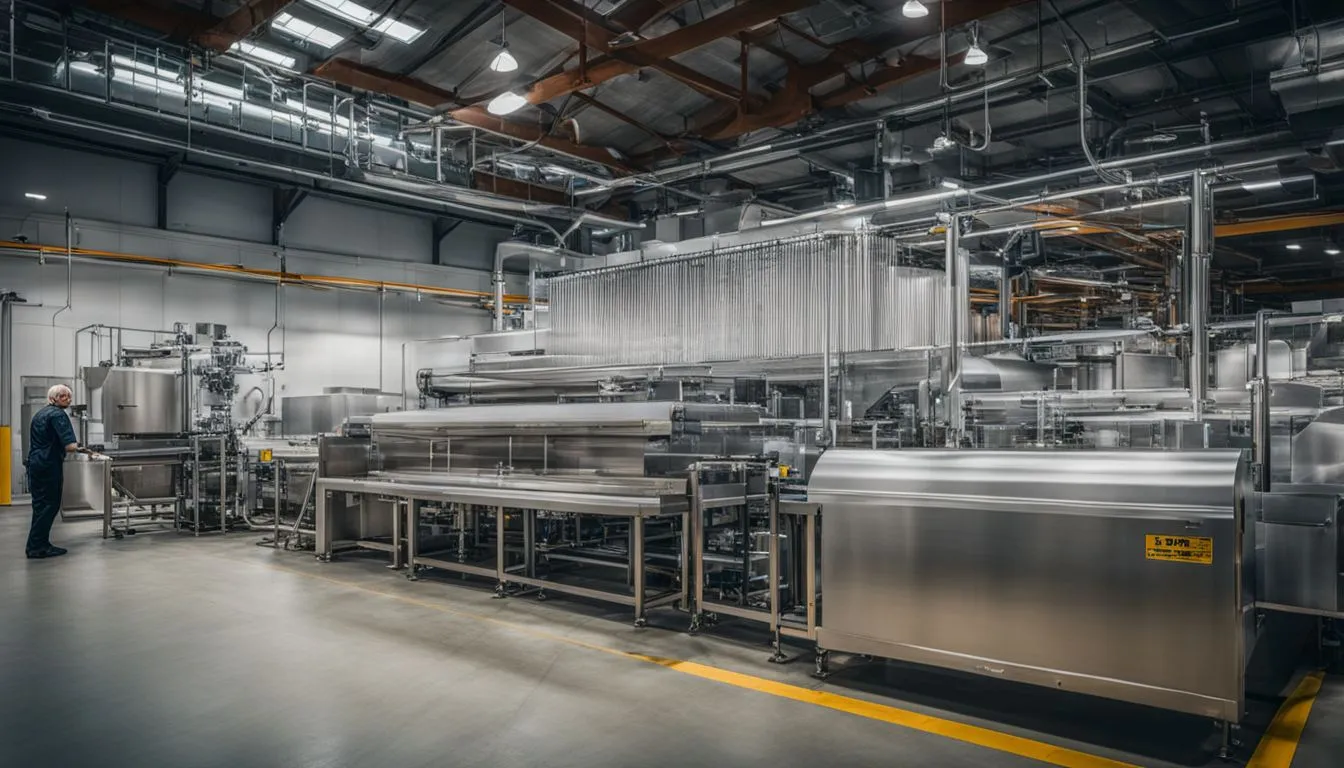
We understand the stress of keeping food safe in your business. After all, it’s something we’ve faced ourselves. Discovering that 80% of food safety mishaps are due to accidents around the workplace truly opened our eyes.
In this piece, we’re diving into how choosing the proper safety barriers can significantly enhance the safety of your food production process. Ready to find out more? Let’s get stuck into it!
Importance of Safety Barriers in the Food Industry
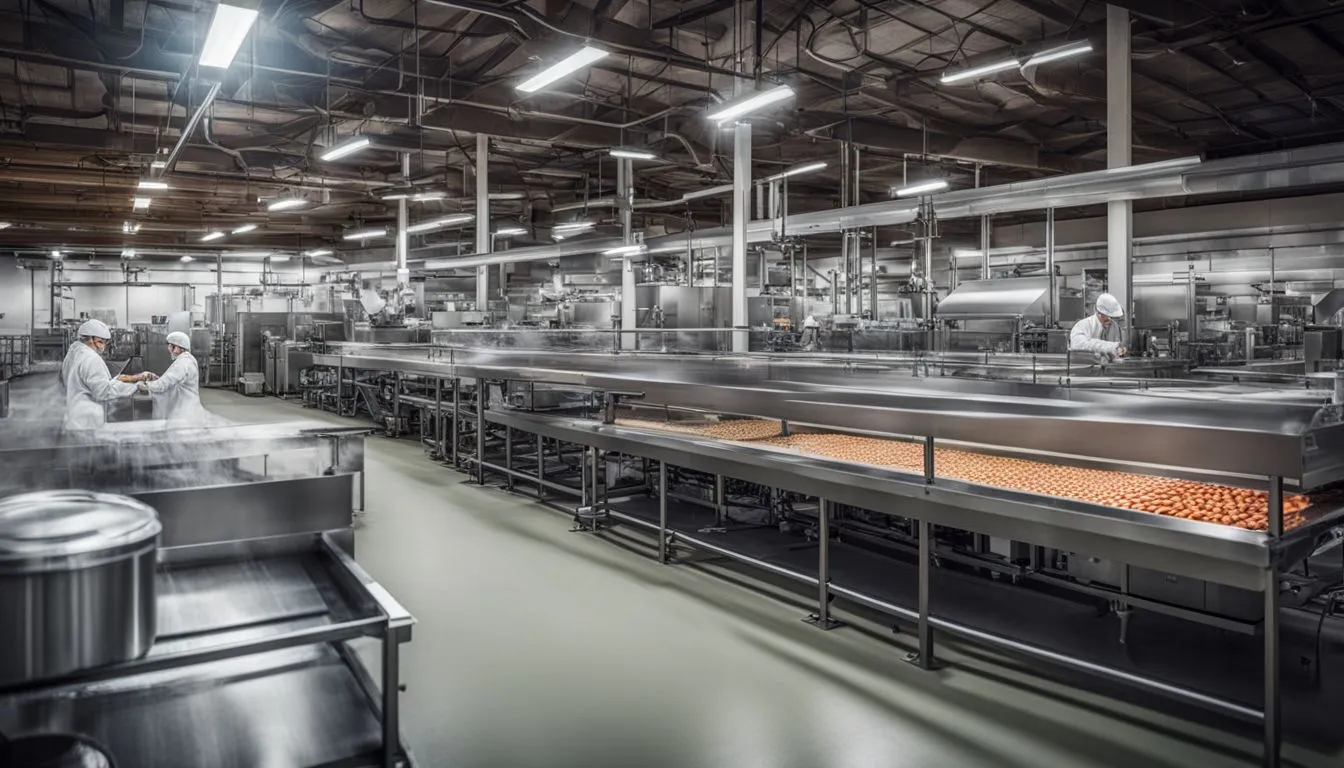
Safety barriers in the food industry create a safer work environment and secure operations. Different workplaces such as factories, warehouses, and car parks utilise safety barriers to enhance safety measures.
Creating a safer work environment
We focus on enhancing safety in the food industry, knowing well that a safe work environment is crucial for business success. Implementing effective hazard management strategies and ensuring compliance with food industry regulations greatly reduce workplace risks.
This commitment to safety not only protects our employees but also upholds our reputation for quality and hygiene standards.
Our proactive approach includes regular employee training on safe food handling and risk assessment. We integrate safety barriers as part of our preventive controls against contamination, significantly lowering the chances of accidents and ensuring smoother operations.
Through these measures, we aim to maintain a workspace where every team member feels secure and valued.
Securing operations
We ensure our operations in the food industry remain secure by implementing strict safety barriers and protocols. This approach aids in risk management and prevents cross-contamination, essential for maintaining hygiene standards and quality control.
Our team consistently focuses on hazard identification to protect our employees and products from potential risks associated with food handling.
By integrating safety barriers designed for effective contamination prevention, we uphold high food safety practices. Our dedication to regulatory compliance drives us to continually assess and improve our hazard analysis process, aiming for a safer work environment.
Through these measures, we contribute to the overall health and safety of both our staff and customers while promoting safe food preparation within the industry.
Different Workplaces that Utilise Safety Barriers
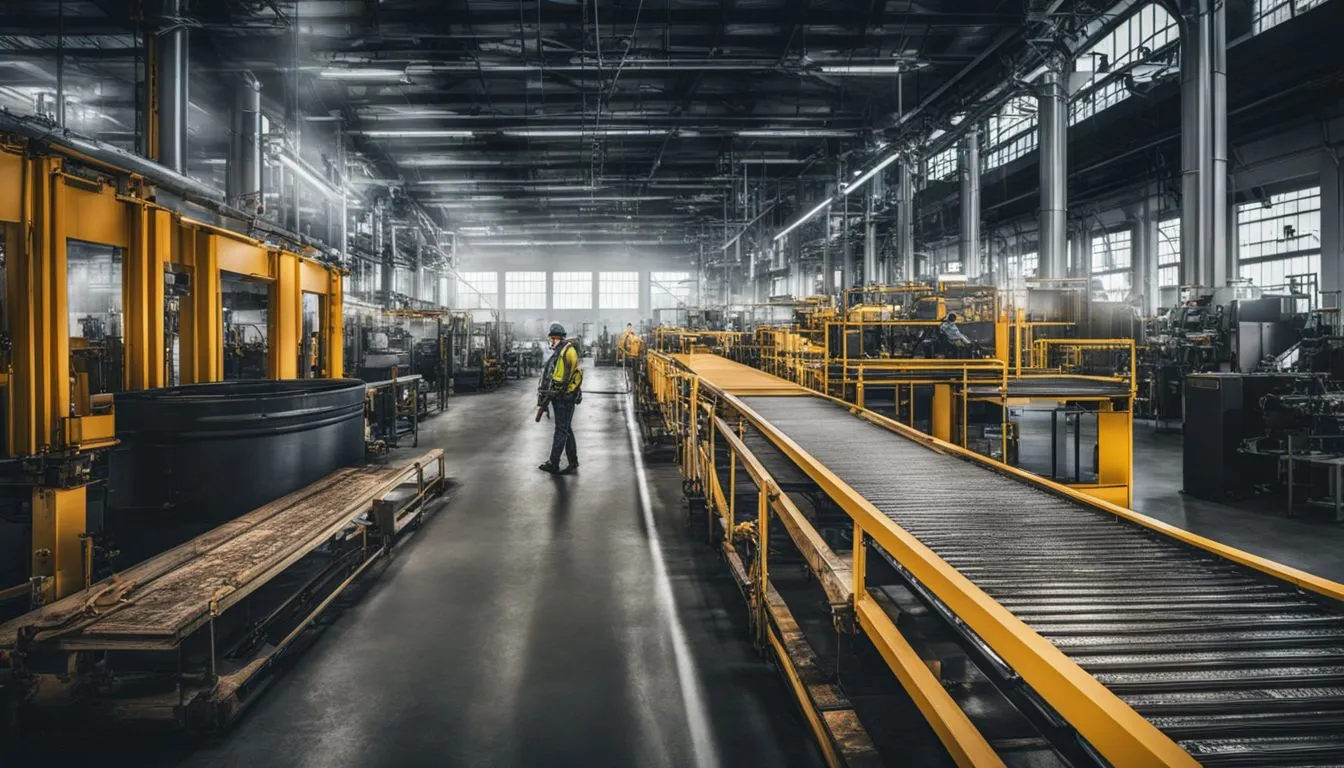
Factories, warehouses, and car parks employ safety barriers to ensure a secure work environment. These barriers are essential for creating segregation between pedestrian walkways and high-risk areas, such as machinery and vehicle traffic.
Factories
In factories, we implement safety barriers to protect our workers from the many hazards present in food production. These measures help us manage risks related to machinery, chemical handling, and cross-contamination prevention.
We prioritise creating a safer work environment by installing traffic barriers around heavy equipment areas and pedestrian barriers in zones where staff frequently move on foot.
Our commitment extends to ensuring all operations within the factory adhere to high hygiene standards and food safety management practices. This focus not only safeguards our employees but also maintains the integrity of our food products against contamination risks.
We actively engage in risk assessment processes and apply preventive controls to address potential safety issues before they escalate.
Warehouses
Warehouses play a crucial role in the food industry, serving as key points for storage, distribution, and handling of food products. Implementing safety barriers in these spaces ensures that both employees and products are protected against potential hazards.
These measures help prevent accidents such as slips, trips, and falls, alongside securing areas where heavy machinery operates or food items are stored at low temperatures.
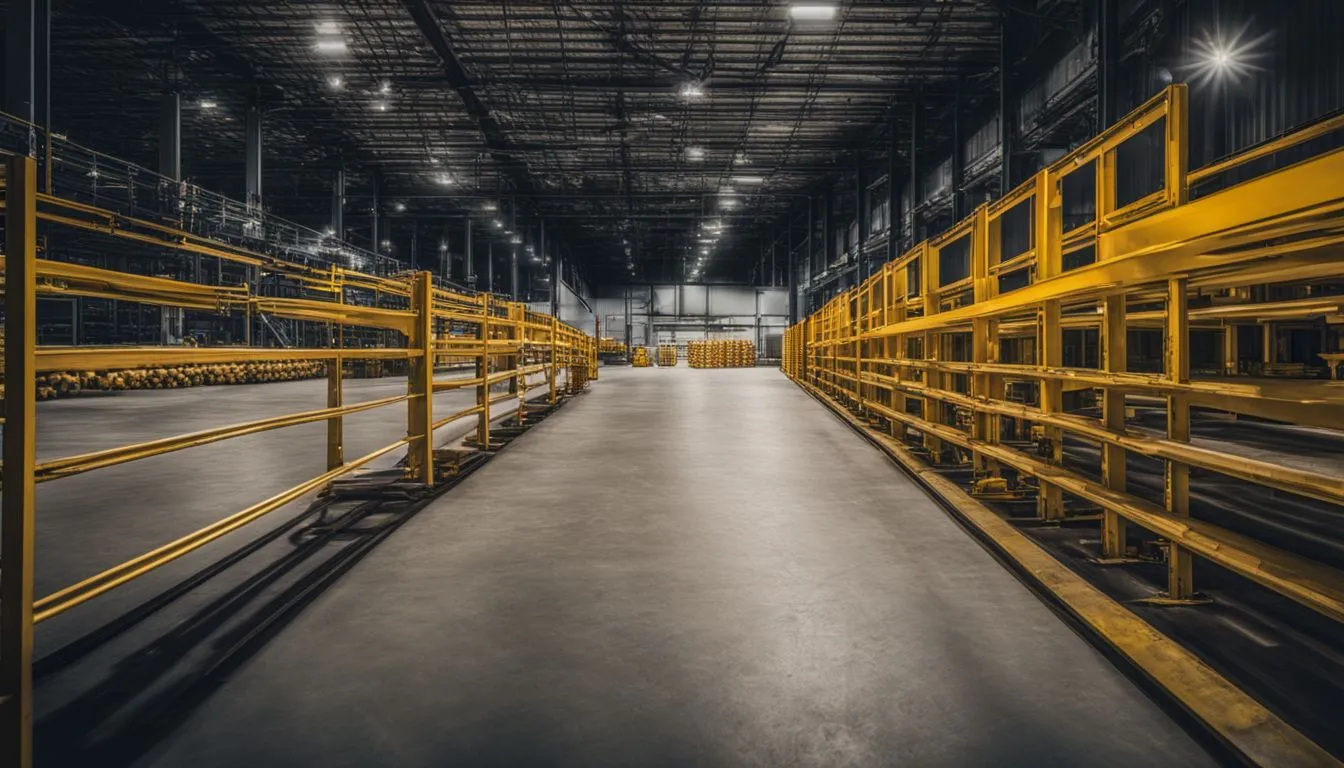
We focus on creating safe environments by installing various types of safety barriers like traffic barriers for vehicle paths and pedestrian barriers to safeguard walkways. This approach not only enhances workplace health and safety but also supports efficient operations by clearly defining zones for different activities.
Next up is a look into car parks where similar principles apply to protect staff and visitors alike.
Car Parks
Turning from warehouses, we also focus on car parks as critical areas needing safety barriers in the food industry. We place these barriers to manage vehicle flow and protect pedestrian pathways within these spaces.
They ensure that delivery and supply vehicles move smoothly without posing risks to people walking around.
In car parks, installing high-level barriers prevents accidents between vehicles and the infrastructure, while low-level barriers mark safe walkways for employees and visitors alike.
This approach minimises risks of collisions and improves overall safety for all users of the facility.
Types of Safety Barriers used in the Food Industry
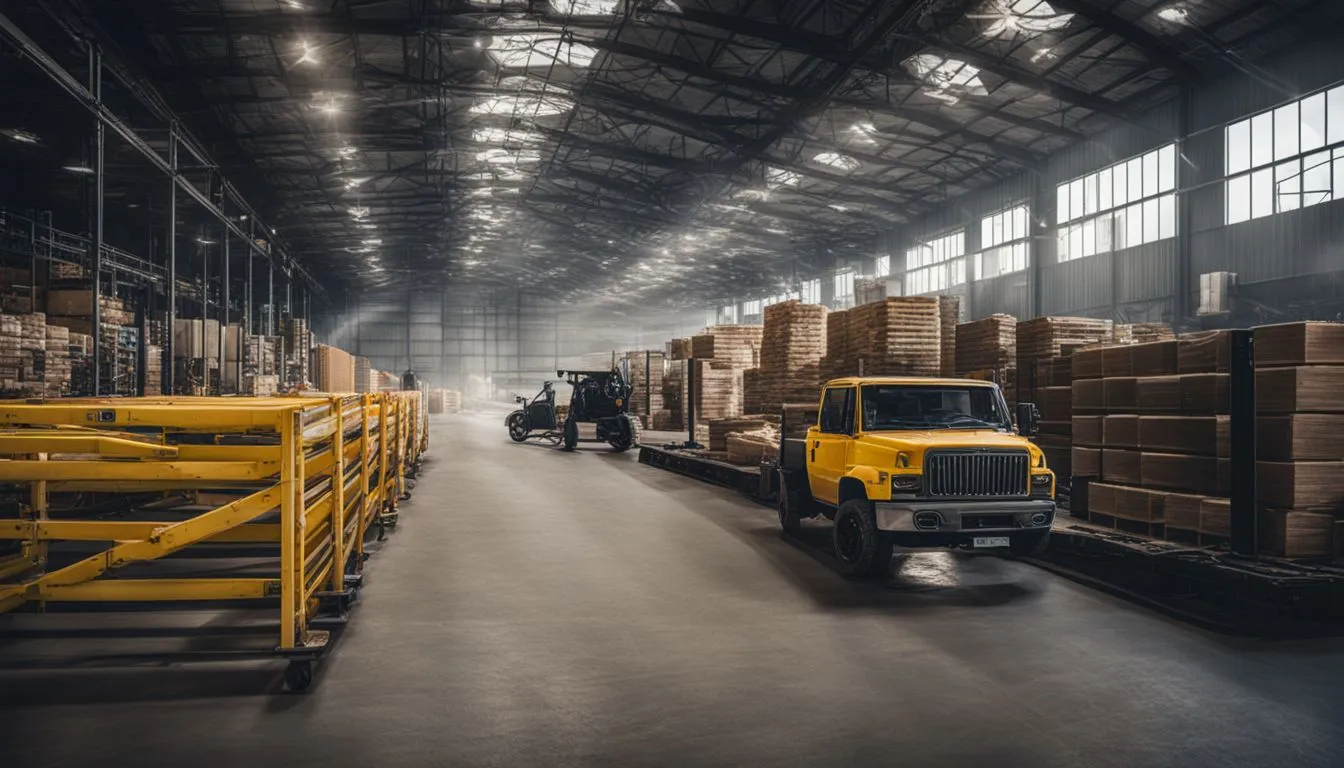
Safety barriers used in the food industry include traffic barriers, pedestrian barriers, high level barriers, low level barriers, cold storage barriers, and racking protection barriers.
These safety measures are implemented to create a safer work environment and secure operations within various workplaces such as factories, warehouses, and car parks.
Traffic barriers
In the food industry, traffic barriers play a crucial role in hazard management and risk assessment. We use them to direct vehicle movement and protect pedestrians, ensuring safe food handling areas are free from contamination risks.
These barriers also help in preventing accidents that could lead to cross-contamination, supporting our commitment to uphold hygiene standards and quality control.
We strategically place traffic barriers around loading docks, storage areas, and places where heavy machinery operates. This approach greatly reduces the chance of workplace incidents, keeping both employees and operations secure.
By integrating these safety protocols into our daily routines, we contribute significantly to creating safer work environments within the food industry.
Pedestrian barriers
Turning from traffic barriers, pedestrian barriers play a crucial role in ensuring workers’ safety within the food industry. These barriers guide people safely through areas where vehicles or machinery operate.
They help in reducing accidents by clearly defining walkways and restricting access to dangerous zones.
We use these barriers across various sections of our facilities, including near processing lines, storage areas, and entrances/exits. Their placement is strategic to prevent any direct interaction between machinery and staff members, minimising risks of injury.
Pedestrian barriers not only enhance safety but also contribute significantly to the orderly movement of employees, ensuring a smooth flow of operations without compromising on hygiene standards and quality control.
High level barriers
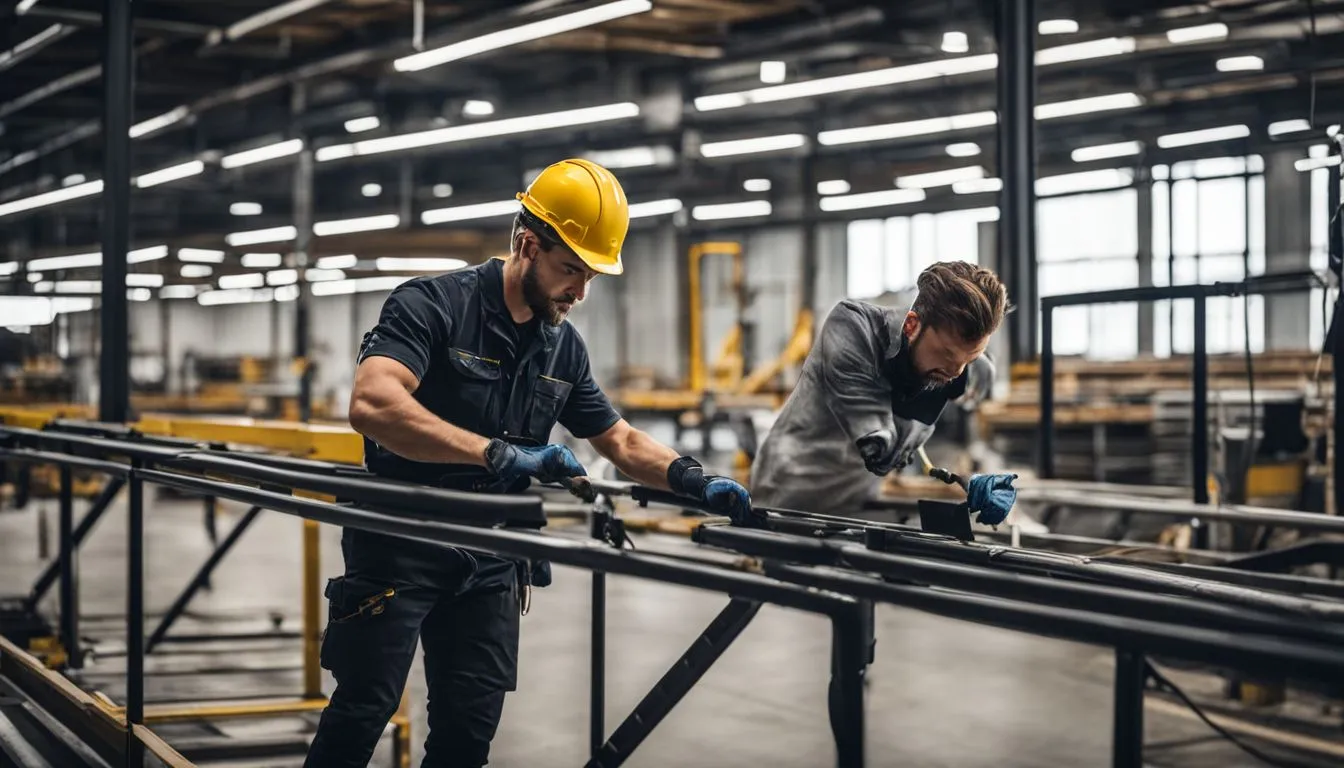
High level barriers are essential for protecting employees and equipment in elevated areas such as mezzanines, platforms, and catwalks. These barriers provide a strong line of defence against falls and other potential hazards.
Utilising high level barriers not only ensures employee safety but also safeguards against costly damage to machinery or products below. By implementing high level barriers, businesses can maintain compliance with workplace health and safety regulations while promoting a secure and productive work environment.
These barriers come in various designs such as guardrails, handrails, kickrails, mesh panels, or wire enclosures to fit specific requirements. Installing these protective measures demonstrates a commitment to the wellbeing of employees and contributes to creating a safe workspace conducive to efficiency and productivity.
Low level barriers
Low level barriers, such as bollards and safety rails, play a crucial role in safeguarding against potential hazards in the food industry. These barriers can effectively protect employees from forklifts, moving machinery, and other workplace dangers.
By strategically placing low level barriers around equipment and high traffic areas, businesses can significantly reduce the risk of accidents and injuries. Regular maintenance of these barriers is essential to ensure their ongoing effectiveness in creating a safe work environment.
When it comes to safety in the food industry, investing in robust low level barriers is imperative to mitigate risks and uphold stringent safety standards. Proper placement and regular inspection of these physical safeguards contribute significantly to a safer operational landscape.
Cold storage barriers
Transitioning from the discussion of low-level barriers to cold storage barriers, these serve as a vital part of ensuring safety and efficiency in food industry environments. Installing durable cold storage barriers is essential for protecting both employees and goods within refrigerated areas.
These barriers act as a safeguard against impacts from heavy equipment such as forklifts and other moving machinery, preventing potential accidents and damage to perishable items.
The installation of cold storage barriers not only ensures the safety of workers but also safeguards against costly damages to stored products due to accidental collisions. By implementing sturdy cold storage barriers, business owners can actively mitigate risks associated with operating in temperature-controlled environments while maintaining productivity levels.
Racking protection barriers
Racking protection barriers play a crucial role in safeguarding your warehouse or storage facility. These barriers help prevent damage to racking systems from forklifts, pallet trucks, and other types of heavy machinery.
By acting as a buffer between equipment and racking, these barriers minimise the risk of accidents and protect both your inventory and employees. Implementing racking protection barriers also contributes to cost savings by reducing the need for frequent repairs or replacements of damaged racks.
Installing racking protection barriers demonstrates our commitment to safety and efficiency throughout our workplace. It ensures that potential collisions are mitigated, contributing to a safer environment for all employees working around the warehouse or storage area.
Understanding the Need for Different Safety Barriers in Various Areas
Adapting barriers to specific areas ensures adequate protection and enhances safety for all. To learn more, delve into the intricacies of tailored barrier solutions.
Manufacturing
In the realm of manufacturing, safety barriers play a crucial role in safeguarding employees from potential hazards. Implementing traffic barriers and high-level barriers around heavy machinery and equipment enhances workplace safety.
Low-level barriers also provide protection in areas prone to spills or leaks, promoting a safer working environment. Cold storage barriers are essential for maintaining temperature control and preventing accidents in food processing facilities.
Racking protection barriers further mitigate risks by safeguarding against accidental impacts from forklifts or other industrial equipment.
The implementation of bespoke safety barrier solutions tailored towards the unique requirements of manufacturing areas is advisable to ensure the highest level of employee protection and operational efficiency within this complex environment.
Automotive
Turning from the specific safety needs of manufacturing to those in the automotive sector, it’s crucial to consider tailored barrier solutions for this area. The workplaces within the field of automotive include service areas, car parks, and designated zones for vehicle maintenance and repair.
Implementing traffic barriers and high-level protection measures is essential to mitigate risks associated with vehicular movement as well as potential hazards related to equipment usage and servicing activities.
Ensuring a safe environment in these spaces can contribute significantly towards employee awareness and reinforce hazard management practices across various facilities.
Logistics and distribution
Logistics and distribution play a crucial role in the food industry, ensuring that products reach their destination safely and efficiently. From transportation to storage, each step requires careful planning and execution to maintain product integrity.
Utilising the right safety barriers in warehouses and during transportation not only protects the goods but also safeguards employees against potential hazards. Implementing traffic barriers, high-level barriers, and cold storage barriers can help manage risks associated with moving goods within the supply chain.
Understanding the specific needs at different stages of logistics and distribution is vital for maintaining a safe working environment while delivering quality products to consumers.
In addition to implementing proper safety measures in logistics and distribution processes, it’s essential to have tailored barrier safety measures designed for loading docks as well as other vulnerable areas along the supply chain.
Unblocking Industrial Challenges: Safety Barrier Solutions for Loading Docks
Loading docks pose significant safety challenges in the food industry. Addressing these challenges requires tailored safety barrier solutions designed to enhance workplace health and safety.
Implementing high-quality traffic barriers, pedestrian barriers, and racking protection barriers not only secures operations but also underpins a safer work environment for employees.
Our suite of safety barrier solutions is meticulously crafted to navigate the complexities of loading dock hazards, ensuring that your workplace remains compliant with food industry regulations while mitigating risks associated with manual handling and potential slips, trips, and falls.
Implementing appropriate safety measures at loading docks is advisable as it helps mitigate the daunting challenges of operating in an ever-evolving industrial landscape. By diving into bespoke safety barrier solutions for loading docks, businesses can effectively manage risks associated with logistics and distribution activities without compromising on efficiency or productivity.
As business owners seeking more than just standard safety measures, look no further; our extensive range of safety barrier solutions provides robust protection against potential hazards within the realm of loading dock operations.
Understanding the Hazards in the Food Industry

Understanding the hazards in the food industry requires a thorough assessment of potential risks such as manual handling, slips, trips, falls, burns, fires, cuts, work-related violence and aggression.
It is crucial to analyse psychosocial harm and implement safety measures accordingly.
Manual handling
Manual handling involves any activity that requires a person to use force to lift, lower, push, pull, or carry objects. It is crucial to ensure that employees are trained in safe manual handling techniques to prevent injuries such as sprains, strains, and musculoskeletal disorders.
Implementing proper lifting and carrying methods can reduce the risk of workplace accidents and improve overall productivity. Regular training sessions on correct manual handling procedures can significantly contribute to a safer work environment and minimise the potential for employee injuries.
Implementing safety barriers in areas where manual handling tasks occur can provide additional protection for employees. For example, installing pedestrian barriers near designated lifting zones or using high-level barriers for overhead material storage areas helps control pedestrian movement around heavy equipment or materials being manually handled.
Slips, trips, and falls
Slips, trips, and falls are common workplace hazards in the food industry. Employees can slip on wet or greasy floors, trip over clutter or uneven surfaces, or fall from ladders or platforms if not careful.
It is important to implement proper safety barriers and protocols to prevent these accidents from occurring. Safety barriers like handrails, non-slip flooring, and clear walkways can significantly reduce the risk of slips, trips, and falls in the workplace.
Preventing slips, trips, and falls not only ensures a safe working environment but also minimises potential injuries and associated costs. Regular maintenance of floor surfaces, adequate lighting in work areas, and employee training on hazard awareness play crucial roles in preventing such incidents.
Burns, fires, and cuts
Burns, fires, and cuts pose significant risks in the food industry. Employees can sustain burns from hot surfaces, fires may erupt due to electrical malfunctions or kitchen mishaps, and cuts are common during food preparation.
Implementing proper safety barriers is essential for preventing these incidents. Safety shields around hot equipment, fire-resistant building materials, and training on safe food handling techniques all play a crucial role.
Business owners should also invest in quality first-aid supplies and ensure staff are trained in emergency response procedures for addressing burns, fires, and cuts promptly. Regular maintenance of equipment to prevent malfunctions that can lead to fires is vital.
By prioritising safety barriers tailored towards preventing these hazards, business owners can create a safer work environment for their employees.
Work-related violence, aggression, harassment and bullying
Work-related violence, aggression, harassment, and bullying affect employee well-being and can lead to decreased productivity. Implementing clear policies against such behaviours and providing appropriate training equips employees with the tools to recognise, report, and prevent these occurrences.
Ensuring a safe work environment free from hostility is crucial in maintaining a healthy workplace culture.
Taking active steps to address work-related violence, aggression, harassment, and bullying not only fosters a positive workplace but also demonstrates a commitment to employee well-being.
Psychosocial harm
In the food industry, psychosocial harm can occur due to work-related violence, aggression, harassment, and bullying. This can lead to significant negative impacts on employees’ mental health and well-being.
It is vital for business owners to address these issues by implementing tailored strategies such as employee training programs, clear policies against harassment and violence, and promoting a culture of respect within the workplace.
By actively addressing psychosocial harm in the food industry through comprehensive safety measures and support systems for employees, businesses can enhance their workplace environment and boost overall productivity.
Safety Measures for these Hazards

Implementing tailored barrier safety measures effectively minimises the risk of manual handling, slips, trips, falls, burns, fires, cuts and work-related violence. These safety measures enhance workplace safety and mitigate potential hazards in the food industry.
Hierarchy of controls
Hierarchy of controls establishes a systematic approach to workplace safety by prioritising measures to eliminate or reduce hazards. This proactive system involves identifying potential risks and addressing them through elimination, substitution, engineering controls, administrative controls, and personal protective equipment.
Elimination removes the hazard from the workplace altogether. Substitution replaces the hazard with something less hazardous. Engineering controls isolate people from the hazard or place a barrier between people and the hazard.
Administrative controls change how employees work in ways that minimise their exposure to hazards. Personal protective equipment provides an additional layer of protection when other control methods are not feasible or sufficient.
Tailored barrier safety measures
Turning from the concept of “Hierarchy of controls” to “Tailored barrier safety measures,” we direct our focus towards implementing specific security measures to address the unique risks and challenges in your food industry facility.
Whether it’s segregating sensitive areas, restricting access or protecting machinery, tailored barriers are designed to fit the specifics of your workspace. By employing these bespoke solutions at critical junctures within your operations, you enhance workplace safety and minimise risk exposure.
Tailored barrier safety measures cater directly to your environment’s requirements, ensuring effective hazard management and optimised employee awareness.
The Role of Safety Barriers in Managing Risks in the Food Industry
Safety barriers play a crucial role in managing risks within the food industry. They act as physical safeguards that protect employees, equipment, and products from potential hazards.
These barriers are strategically placed to prevent accidents such as slips, falls, and collision with moving machinery or vehicles. By separating work areas from high-risk zones and guiding the flow of pedestrian traffic, safety barriers effectively reduce the likelihood of workplace injuries and enhance overall safety protocols.
Moreover, safety barriers are instrumental in maintaining hygiene standards by creating designated zones for specific activities like food processing or packaging. This helps minimise cross-contamination and ensures compliance with food safety regulations.
Implementing tailored safety barrier solutions is essential for mitigating risks associated with various operations within the food industry.
Moving forward, let’s explore how these measures impact workplace health and safety.
The Impact of Safety Barriers on Workplace Health and Safety
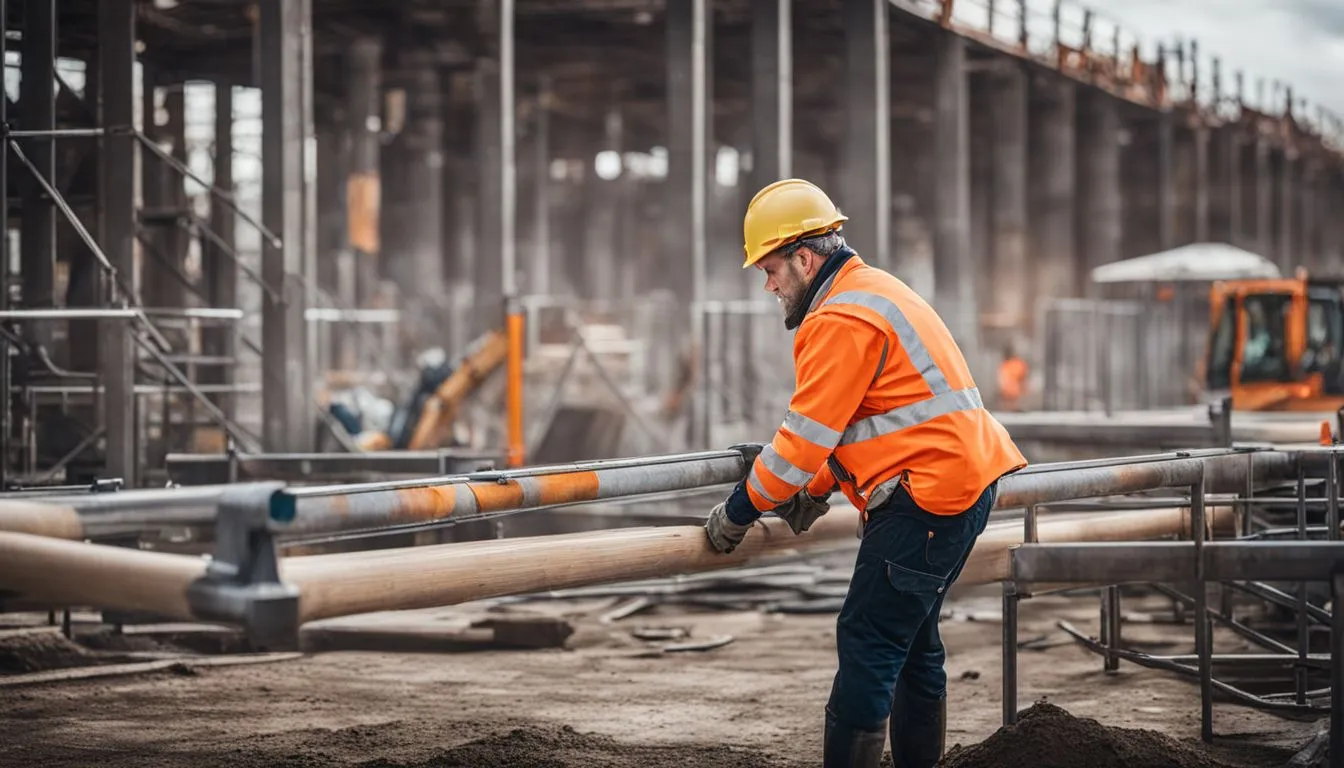
Safety barriers play a vital role in enhancing workplace health and safety. They provide physical protection, prevent accidents, and promote a safe working environment for employees.
By creating designated areas, traffic barriers assist in controlling the flow of vehicles and pedestrians within the facility. This prevents collisions and mishaps, contributing to a safer work environment.
Additionally, high level barriers help secure operations by preventing falls from elevated surfaces such as mezzanine floors or loading docks. These protective measures significantly reduce the risk of accidents and injuries in workplaces across various industries.
Implementing safety barriers is essential for minimising workplace hazards and ensuring employee well-being. Traffic barriers and high level protections are tailored solutions that actively manage risks associated with vehicular movements and elevated workspaces.
The proactive approach towards risk management underpins an effective safety culture within the food industry while adhering to regulatory compliance standards.
Conclusion
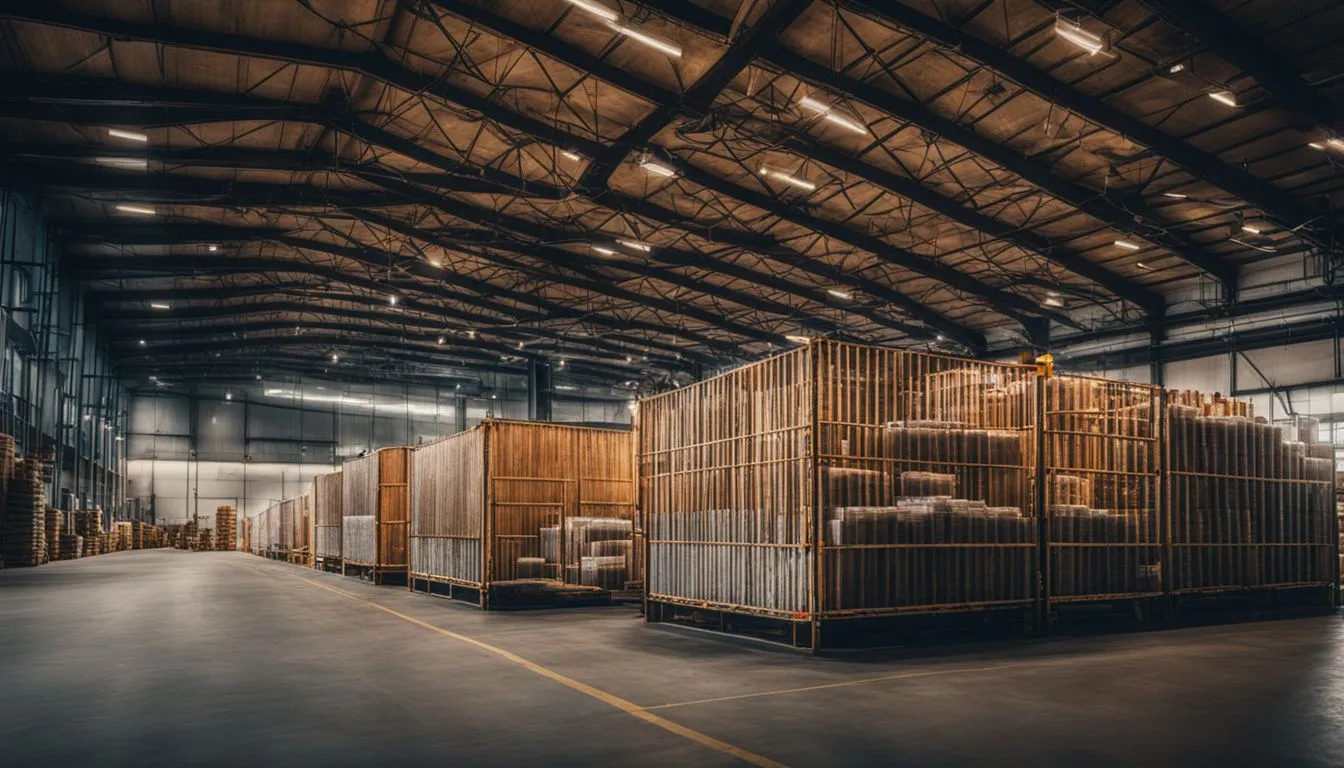
In conclusion, we have explored the vital role of safety barriers in creating a safer work environment and securing operations in the food industry. Our understanding of different workplaces that utilise safety barriers has shed light on their diverse applications across factories, warehouses, and car parks.
We’ve delved into the types of safety barriers used in this industry, from traffic and pedestrian barriers to cold storage and racking protection barriers. Understanding the need for tailored barrier safety measures in areas such as manufacturing, automotive, and logistics has underpinned our comprehension of risk management.
Additionally, we’ve discussed how these practical strategies can lead to significant improvements and resolve common problems within this complex field.
For a deeper insight into overcoming specific industrial bottlenecks, particularly in loading dock safety, check out our detailed article on unblocking industrial challenges with safety barrier solutions for loading docks.