
12 December 2023 · filed in Case Study
Addressing Frequently Asked Questions About Safety
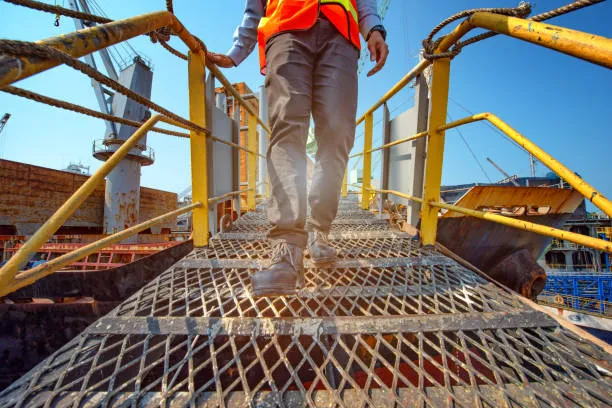
Welcome to our guide on navigating the essential world of Workplace Health and Safety (WHS). Every business, no matter its size, must prioritise creating a safe environment for everyone who steps through its doors. We’ll tackle your frequently asked questions about WHS with clear answers that cut through the confusion.
Understanding workplace safety is more than just following rules; it’s about building a culture where every team member knows they’re valued and protected. This requires everyone from top management down to new hires to take responsibility for their part in maintaining high safety standards. It’s not just good ethics, it makes financial sense too, as ignoring health and safety can lead to costly consequences. With this article, we pull back the curtain on how businesses like yours are continually improving their practices using clever data insights. Resources like Tap into Safety help you get ahead of risks before they become issues.
Plus, if you’re preparing for an interview and don’t have direct experience with WHS yet, we’ve got strategies to showcase your potential value effectively. We’ve gathered all the hottest topics in workplace safety FAQs so you can quickly find what’s relevant without sifting through heaps of information elsewhere. And remember: keeping personal data secure when dealing with these matters is as important as protecting physical well-being in your day-to-day operations.
Every question about safety paves the way toward stronger protocols and smarter prevention measures, just one of many reasons why curiosity within WHS should be encouraged rather than stifled. While rallying around better workplace health and safety may seem daunting at first glance, rest assured that comprehensive help is readily available. Let’s embark together on ensuring our workplaces are as safe as they can possibly be! Keep reading; there’s plenty more to learn ahead.

Understanding Workplace Safety
Understanding workplace safety is crucial for both employers and employees. It involves identifying hazards, assessing risks, and implementing effective training programmes to ensure a safe work environment.
Compliance with HSE regulations is essential to avoid costly consequences.
Who is Responsible for WHS?
In every business, ensuring workplace health and safety (WHS) is a shared responsibility. We, as employers, hold the primary duty of care to provide a safe work environment, implement effective safety measures and ensure compliance with relevant WHS laws.
It’s our task to develop policies that guard against risks and deliver comprehensive safety training to all employees.
Workers also play a critical role in maintaining this culture of safety. Each staff member must follow established procedures, report hazards immediately, and cooperate with any WHS policies or directives.
By embracing these responsibilities together, we can forge a solid foundation for Occupational Health and Safety within our workplaces. Now let’s dive into understanding your specific responsibilities for WHS.
What are My Responsibilities for WHS?
Understanding your responsibilities for workplace health and safety (WHS) is crucial for creating a safe work environment. As business owners, we are accountable for ensuring the implementation of effective WHS practices within our organisation.
This includes identifying and minimising hazards, providing adequate training to employees, maintaining records of safety training, and demonstrating compliance with relevant WHS regulations.
Regularly assessing and improving safety measures is also part of our responsibility. By asking the right questions and staying informed about workplace health and safety best practices, we can actively contribute to the well-being of our workforce.
The Cost of Poor Safety Practices
Understanding our responsibilities for workplace health and safety is essential, particularly when considering the cost of poor safety practices. Neglecting safety measures can result in serious financial repercussions for businesses.
Incidents such as accidents or injuries lead to increased workers’ compensation costs, medical expenses, and potential legal fees. Moreover, productivity declines due to employee absences and decreased morale, while reputation damage may also impact customer trust and loyalty.
By prioritising workplace safety, we can avoid these expenses and create a safer environment for everyone.
By investing in preventive measures like proper training programmes, hazard identification processes, and regular equipment maintenance, we actively minimise the potential costs associated with poor safety practices.
Identifying Hazards and Risks
Understanding workplace health and safety is crucial for every business owner. Identifying hazards and risks is an essential part of maintaining a safe work environment. Here are some key points to consider:
- Regularly inspect the workplace, machinery, and equipment for potential hazards.
- Train employees to recognise common hazards and take necessary precautions.
- Keep an updated record of all identified hazards and the steps taken to mitigate them.
- Encourage open communication with employees to report any new or existing hazards promptly.
- Conduct risk assessments to prioritise and address the most critical hazards.
- Implement control measures to minimise the likelihood of accidents or injuries associated with identified risks.
Importance of Training Records
Training records are crucial for demonstrating compliance with workplace health and safety regulations, as well as for proving that employees have received the necessary training to perform their jobs safely.
These records provide evidence of the specific training programmes completed by each employee, including details such as the date, duration, and content of the training sessions. This information is essential for businesses to ensure that all staff members are adequately prepared to identify and mitigate workplace hazards effectively.
Maintaining accurate training records also enables businesses to track employee progress, pinpoint areas where further training may be required, and demonstrate a commitment to ongoing improvement in workplace safety.
Proving Compliance
Transitioning from the importance of maintaining accurate training records, proving compliance with workplace health and safety regulations is essential for businesses. Demonstrating adherence to these regulations involves keeping meticulous documentation, conducting regular audits, and implementing corrective measures as necessary.
Furthermore, staying up-to-date with relevant legislation is crucial to ensure ongoing compliance.
Regularly reviewing and updating safety procedures helps maintain a safe work environment in line with legal requirements. This includes providing adequate resources for employee training and creating clear protocols for handling incidents.
Utilising Data to Improve Safety
The role of data in improving safety is crucial for businesses to understand and implement. With the help of Tap into Safety, companies can utilise data to identify patterns, trends, and potential hazards in the workplace to improve safety measures.
The role of data in improving safety
Collecting and analysing data is pivotal in enhancing safety within the workplace. By leveraging data, we can identify trends, pinpoint potential hazards, and make informed decisions to prevent accidents.
Data allows us to track incidents, near-misses, and training records, providing insights into areas that require attention for improvement. With a clear understanding of the information collected, businesses can establish proactive measures to mitigate risks and ensure a safer work environment for all employees.
Employing data-driven strategies enables business owners to measure the effectiveness of safety practices and gauge compliance with WHS regulations. By harnessing the power of data analytics, companies can continuously refine their safety protocols and address emerging challenges promptly.
How Tap into Safety can help
Transitioning from the role of data in improving safety, we can see how Tap into Safety can help businesses enhance their workplace health and safety initiatives. By providing engaging online safety training, including interactive safety quiz questions and answers, Tap into Safety offers a comprehensive solution for businesses looking to improve HSE.
This approach helps employees understand and retain critical safety information by using innovative methods such as gamification, ultimately leading to a safer work environment. With a focus on user-friendly technology and accessible resources, Tap into Safety is an invaluable tool for promoting occupational safety within any organisation.
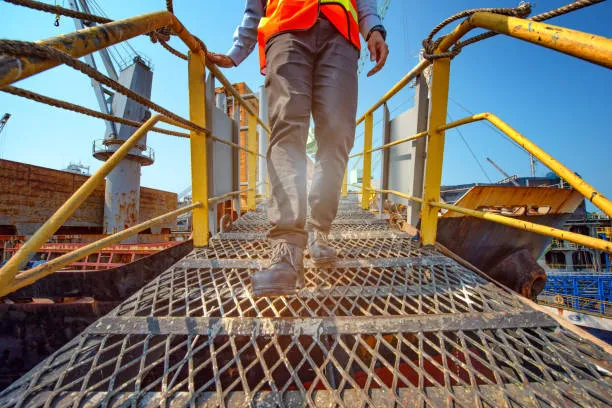
Answering Safety-Related Interview Questions Without Experience
When it comes to safety-related interview questions without experience, it’s important to research the company and job, use the STAR method, demonstrate transferable skills, and show enthusiasm and willingness to learn.
These strategies can help you confidently answer safety-related interview questions even if you don’t have direct experience in the field.
Researching the company and job
Before applying for a job, we always research the company and position to ensure it aligns with our goals. It’s crucial to understand the workplace health and safety (WHS) practices of the potential employer.
We should review their WHS policies, incident reports, and any public information available on past safety incidents. This will help us assess their commitment to employee safety and make informed decisions about joining the organisation.
In addition, researching the specific job role is essential. Understanding how safety is prioritised in that particular position will give us insight into what to expect in terms of WHS responsibilities and requirements.
By thoroughly researching both the company’s WHS practices and the job itself, we can better gauge if it’s a safe working environment that aligns with our values.
Using the STAR method
When faced with safety-related interview questions without experience, it’s essential to effectively communicate your capabilities. Utilise the STAR method – Situation, Task, Action, Result – to structure your responses confidently.
Start by describing a specific situation or task you encountered, then outline the actions you took in response and the positive results achieved. This approach helps demonstrate your problem-solving skills and adaptability in challenging situations while showcasing transferable skills that are applicable to workplace safety.
Furthermore, using the STAR method allows you to provide concrete examples of how you’ve handled similar situations in other contexts, even if they weren’t specifically related to workplace safety.
Demonstrating transferable skills
Transitioning from using the STAR method to demonstrating transferable skills, it’s essential to emphasise your ability to adapt and apply relevant competencies in new situations. Highlighting transferable skills such as problem-solving, teamwork, communication, and leadership can showcase your capacity to excel in a workplace health and safety role.
Presenting examples of how you’ve effectively utilised these skills in different contexts will demonstrate your versatility and readiness to take on related responsibilities within the realm of WHS.
Engaging with potential employers about how your adaptable skill set has been instrumental in past roles can instil confidence in their decision to entrust you with workplace safety duties.
Showing enthusiasm and willingness to learn
Demonstrating enthusiasm and a desire to expand our knowledge is vital in the pursuit of workplace safety. Embracing new information and skills enables us to contribute effectively to a safe work environment.
Employing an eager attitude towards learning fosters a culture of growth and continuous improvement within our organisation.
Remaining open-minded and receptive to acquiring fresh insights into safety procedures allows us to adapt proactively, thereby enhancing the overall safety standards at our workplace.
Workplace Safety FAQs
Get answers to your most pressing workplace safety questions in this section. We cover the frequently asked questions and provide clear, concise answers to give you peace of mind.
Popular questions and answers
We’ve compiled a list of popular questions about workplace safety, along with their answers:
- “Who is Responsible for WHS?”
- All employers and employees have responsibilities to ensure workplace health and safety. Employers are responsible for providing a safe work environment and ensuring that employees receive adequate training. Employees also have a responsibility to follow safety procedures and report any hazards.
- “What are My Responsibilities for WHS?”
- Employees are responsible for following workplace health and safety procedures, participating in training programmes, reporting hazards, and cooperating with their employer on WHS matters.
- “The Cost of Poor Safety Practices”
- Poor safety practices can lead to financial costs due to injuries, loss of productivity, increased insurance premiums, legal fees, and reputational damage. Implementing proper safety measures can save businesses money in the long run.
- “Identifying Hazards and Risks”
- It’s essential to regularly identify and assess workplace hazards and risks to prevent accidents or injuries. This involves conducting risk assessments, identifying potential hazards, and taking corrective actions.
- “Importance of Training Records”
- Maintaining accurate training records is crucial for demonstrating compliance with WHS regulations. It also ensures that employees receive the necessary training to carry out their work safely.
- “Proving Compliance”
- Businesses must be able to demonstrate that they comply with WHS legislation through records of risk assessments, incident reports, safety procedures, and employee training documentation.
- “The role of data in improving safety”
- Data plays a crucial role in identifying trends, assessing risks, measuring the effectiveness of safety measures, and prioritising areas for improvement.
- “How Tap into Safety can help”
- Tap into Safety provides innovative solutions for improving workplace health and safety through interactive training tools that engage employees in hazard recognition and risk reduction.
Further Resources
Explore our social media channels and contact us for more information about workplace safety. Check out related articles and reading materials to further enhance your understanding of WHS.
Connect with additional support and experts in the field to ensure you have all the resources you need. Dive deeper into workplace safety by clicking the link below!
Social media and contact information
We provide regular updates and valuable resources on workplace health and safety through our social media channels. Follow us on Facebook, LinkedIn, and Twitter to stay informed about the latest safety concepts, tips, and industry news.
Additionally, if you have any inquiries or need further assistance regarding workplace safety or WHS practices, feel free to reach out to us via email at contact@workplacesafety.com.au.
Our team of experts is ready to address your concerns and provide the support you need for a safer work environment.
Related articles and reading materials
Utilising additional resources can further enhance your understanding of workplace health and safety. Here are some related articles and reading materials that provide valuable information:
- “The Role of Workplace Culture in Safety Management”: This article explores the influence of workplace culture on safety management, providing insights into creating a positive safety culture within your organisation.
- “Best Practices for Implementing Safety Training Programmes”: Learn about effective strategies for implementing comprehensive safety training programmes to ensure staff members are equipped with the necessary knowledge and skills.
- “Understanding Mental Health in the Workplace”: Gain valuable insights into promoting mental wellbeing in the workplace and addressing mental health issues as part of your overall safety programme.
- “Risk Assessment Techniques for Identifying Workplace Hazards”: Discover different methods for conducting thorough risk assessments to identify potential workplace hazards and develop effective mitigation strategies.
- “Effective Communication in Safety Management”: This resource delves into the importance of clear communication within safety management, offering practical tips for improving communication channels across all levels of your organisation.
Additional support and experts
After reading through related articles and reading materials, you may still have lingering uncertainties or queries regarding workplace health and safety. Seeking additional support from experts can provide clarification on specific concerns you may have about WHS in your business.
For example, experts can assist in identifying areas for improvement and offering practical solutions to enhance the safety practices within your workplace. With their expertise, they can guide you in understanding the data collected and its significance in improving safety measures.
By reaching out to specialists, you can gain access to detailed answers to common workplace health and safety questions. Whether it’s about risk assessment techniques or compliance requirements, these professionals are equipped to provide the necessary guidance for maintaining a safe work environment.

Conclusion
Workplace health and safety are critical for every business, ensuring that everyone returns home safe. By utilising practical strategies discussed in this article, businesses can easily implement efficient safety measures. How will you apply these tips to improve the safety of your workplace? Emphasising the importance of these approaches could lead to significant improvements in workplace safety.
Explore additional resources provided to expand your knowledge and aid in implementing effective safety practices. Frequently asked questions about safety can be addressed effectively by experts. Reach out to Verge Safety Barriers for your queries and we will guide you through the process. With ongoing commitment and action, we can create safer work environments for all.