
29 January 2024 · filed in Safety Update
Advanced Protective Measures for Modern Warehouses
Warehouses reckon with the genuine threat of theft and damage, which can really wallop the bottom line. We know the struggle, after all, it’s a bit of a shocker to find out up to 30% of business failures are chalked up to dodgy inventory management and security stuff-ups. Our mob has rolled up their sleeves and dived into the nitty-gritty of top-notch protective measures, eager to beef up your warehouse against these risks. Keen to learn how you can safeguard your stock? Have a squiz at our guide; it’s time to put safety on the front foot!
The Importance of Warehouse Security
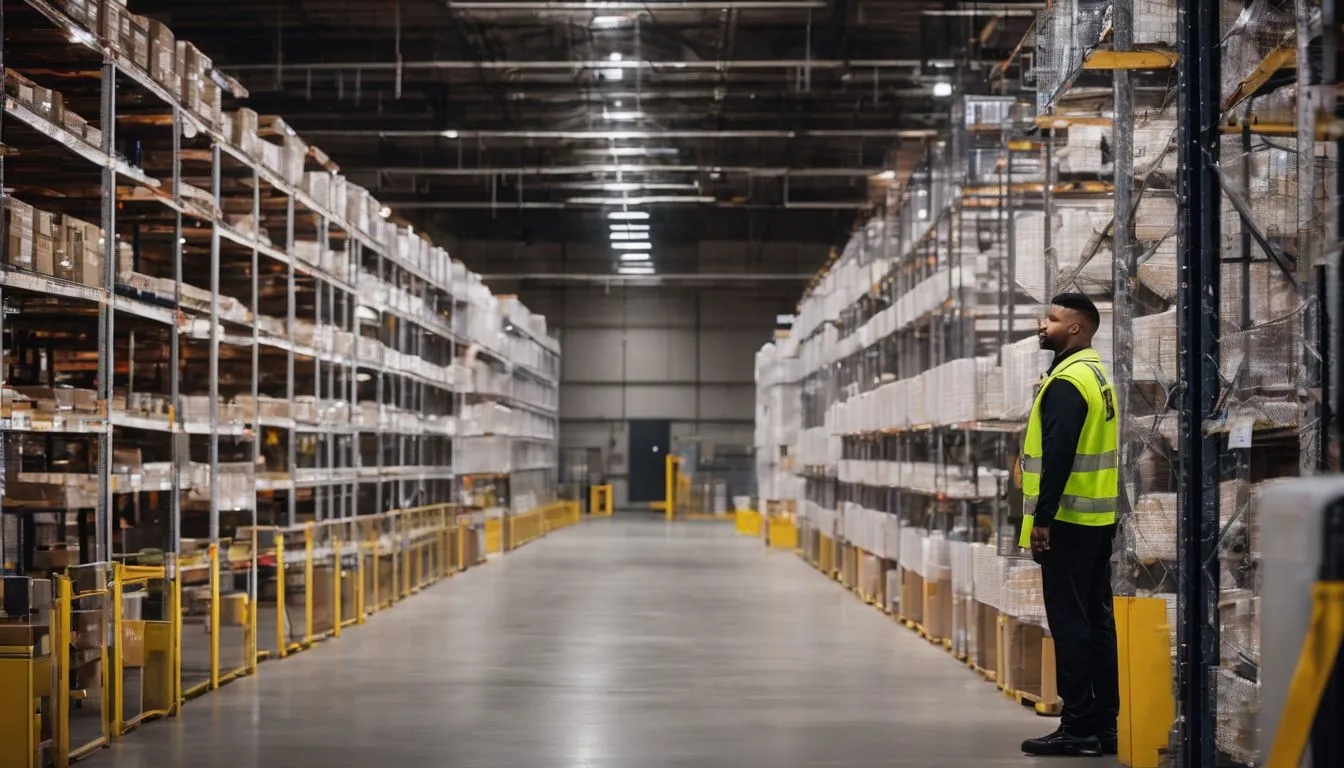
Ensuring warehouse safety and security is a critical aspect of managing any storage facility. We live in an era where the risk of theft, damage, and unauthorised access can have serious financial implications for our businesses.
That’s why we place great emphasis on advanced protective measures for modern warehouses. From surveillance technology to access control systems, adopting state-of-the-art defence tactics helps safeguard our assets and maintains business continuity.
Advanced protection measures for modern storage facilities go beyond deterring thieves; they also help in effective risk management. By implementing a robust warehouse security checklist, we foster a safer work environment that protects both employees and goods against potential hazards.
Perimeter security isn’t just about putting up fences; it involves creating layers of prevention that ensure every corner of our logistics hubs remains secure from external threats as well as internal challenges such as employee-related theft or accidents.
Investing in cutting-edge safety protocols supports not only property protection but also contributes to operational efficiency, an absolute must for us staying competitive in today’s market.
Types of Warehouse Thefts
Warehouse theft can occur in various vulnerable areas, including the loading dock, storage areas, and employee workstations. Common types of theft include internal theft by employees, external burglary, and fraudulent activities such as inventory shrinkage.
Vulnerable areas
Modern warehouses are vulnerable to various security threats, including theft and unauthorized access. Entry points such as loading docks, doors, and windows pose significant risks for potential intruders.
Additionally, poorly lit areas within the warehouse can provide cover for criminal activities. Identifying these vulnerable areas is crucial in developing an effective security strategy to mitigate risks and safeguard valuable assets.
It’s important to consider external factors that could compromise warehouse security as well. For instance, secluded or remote locations may increase the vulnerability of a warehouse to theft and vandalism.
Common types of theft
Warehouse theft can take different forms, and it’s essential for business owners to be aware of the common types. Here are some examples:
- Theft of Inventory: This includes stealing goods directly from the warehouse, whether by employees or external parties.
- Equipment Theft: Machinery, tools, and valuable equipment are often targeted by thieves looking for quick gains.
- Identity Theft: In some cases, individuals may attempt to use false identities to gain access to the warehouse for illicit purposes.
- Data and Information Theft: Sensitive business information and data can be targeted electronically or through physical means.
Advanced Protective Measures for Modern Warehouses
When it comes to protecting your modern warehouse, advanced protective measures are essential. This includes implementing state-of-the-art security systems and monitoring, ensuring the physical infrastructure and equipment safety, and establishing operational protocols and procedures to mitigate risks.
Security systems and monitoring
We install advanced security systems in our warehouse that include high-definition surveillance cameras, motion sensors, and access control systems. These cutting-edge technologies allow us to monitor all areas of the facility in real-time, ensuring that any unauthorised activities are immediately detected.
Additionally, we implement a comprehensive monitoring protocol that includes responsive surveillance by trained security personnel and regular system checks to maintain optimal functionality.
To enhance our security measures further, we utilise state-of-the-art alarm systems that provide immediate alerts in case of any breach or suspicious activity. This proactive approach ensures swift responses to potential threats and helps safeguard our valuable assets effectively.
Physical infrastructure and equipment safety
When safeguarding a warehouse, it is crucial to prioritise physical infrastructure and equipment safety. Regular maintenance of storage racks, shelving, and machinery helps prevent accidents and ensures the smooth functioning of operations.
Implementing clear aisle markings and ensuring proper lighting aids in preventing workplace mishaps and streamlines inventory management.
Inspecting equipment regularly for wear and tear can help identify potential hazards early on, allowing for timely repairs or replacements. Utilising safety guards on machinery provides an additional layer of protection for employees working around heavy-duty equipment.
Operational protocols and procedures
- Regular inventory checks to monitor stock levels and detect discrepancies.
- Implementing strict access control measures for employees, visitors, and vendors.
- Developing clear guidelines for handling and storage of hazardous materials.
- Conducting regular safety drills and emergency response exercises to test the effectiveness of protocols.
- Establishing protocols for reporting and addressing safety hazards or security breaches promptly.
- Enforcing strict adherence to operational procedures through regular training and performance evaluations.
- Establishing effective communication channels for reporting any security concerns or suspicious activities without delay.
Employee Training and Safety
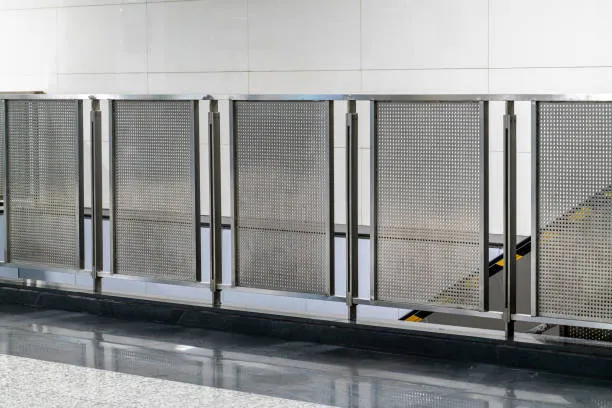
At our warehouse, we prioritise employee safety through comprehensive training programmes, the provision of personal protective equipment (PPE), and regular safety audits to ensure a safe and secure working environment.
To learn more about advanced protective measures for modern warehouses, keep reading!
Personal protective equipment (PPE)
When addressing workplace safety in modern warehouses, it’s crucial to prioritise the use of personal protective equipment (PPE). Ensuring that employees have access to appropriate PPE such as gloves, eye protection, and hard hats can significantly reduce the risk of injury.
By implementing a strict policy on PPE usage and providing necessary training, businesses can create a safer working environment for their warehouse staff while minimising the potential for workplace accidents.
Furthermore, regular checks on the condition of PPE should be conducted to guarantee that they remain effective. This includes inspecting for any signs of wear or damage and promptly replacing any compromised gear.
Emergency response procedures
- Establish a clear chain of command to ensure efficient communication and decision – making during emergencies. This includes assigning roles and responsibilities to key personnel.
- Conduct regular drills and training sessions to familiarise employees with emergency protocols, such as evacuation procedures and assembly points.
- Implement an effective alarm system that can quickly alert all employees in the event of a fire, security breach, or other emergencies.
- Maintain updated contact information for emergency services, such as fire brigades, paramedics, and law enforcement, and clearly display this information throughout the warehouse.
- Provide first aid kits and ensure that designated personnel are trained in basic first aid procedures to address medical emergencies promptly.
- Develop contingency plans for potential hazards specific to your warehouse, such as chemical spills or extreme weather events.
Safety audits and continuous monitoring
- Regular Safety Audits: Conduct routine safety audits to identify any potential hazards or risks in the warehouse.
- Continuous Monitoring: Use technology such as surveillance cameras and sensors to continuously monitor the premises for any security breaches or safety concerns.
Implementing a Comprehensive Warehouse Safety Program
When it comes to ensuring warehouse safety, implementing a comprehensive safety programme is crucial. This involves conducting routine safety training, identifying and addressing potential hazards, and maintaining a clean and organised warehouse environment.
Conducting routine safety training
- Tailored training modules covering equipment operation, emergency procedures, and hazard recognition.
- Regular drills to practise responses to various emergency scenarios such as fires, chemical spills, or accidents.
- Utilisation of hands – on demonstrations and interactive learning activities to reinforce safety protocols.
- Ongoing assessment and evaluation of employee comprehension and retention through quizzes and practical assessments.
- Provision of refresher courses to reinforce important safety concepts and update employees on any changes in protocols or equipment.
Identifying and addressing potential hazards
- Regularly inspecting all equipment and machinery for any signs of wear, damage, or malfunction.
- Identifying and addressing any potential slip, trip and fall hazards such as wet floors, cluttered aisles, or uneven surfaces.
- Ensuring proper storage of hazardous materials and maintaining proper labelling to prevent accidents or spills.
- Conducting routine checks for fire hazards such as faulty electrical wiring, flammable materials storage, or blocked fire exits.
- Addressing ergonomic hazards by ensuring that workstations are properly designed to prevent strain injuries.
- Identifying potential security risks such as unauthorised access points or inadequate surveillance coverage.
- Regularly evaluating the environmental conditions within the warehouse to address ventilation, lighting and temperature-related hazards.
Maintaining a clean and organized warehouse
Maintain a clean and organised warehouse to enhance safety and efficiency. Regularly inspect storage areas, aisles, and equipment for debris or hazards. Implement a systematic cleaning schedule to ensure that spills are promptly cleaned up, waste is properly disposed of, and shelves are kept orderly.
Establish clear protocols for maintaining cleanliness among employees. Encourage everyone to take responsibility for tidying up their work areas and report any potential safety hazards promptly.
Emphasise the importance of a clutter-free workspace to prevent accidents and improve overall productivity within the facility.
Warehouse Safety Best Practices
Implementing clear signage and markings can help prevent accidents and ensure a well-organised workspace. Promoting a safety-first culture within the warehouse is essential for creating a secure working environment.
Using technology and innovation to enhance security measures can make a significant impact on overall warehouse safety.
Implementing clear signage and markings
- Utilise clear and consistent signage to indicate designated walkways, loading zones, emergency exits, and potential hazards such as low clearance areas or slippery surfaces.
- Implement colour – coded markings to differentiate between different zones or areas within the warehouse, making it easier for employees to identify specific locations or materials.
- Install highly visible warning signs near equipment or machinery to alert personnel of potential dangers, including reminders to wear appropriate PPE and follow safety protocols.
- Regularly inspect and maintain all signage and markings to ensure they remain clearly visible and legible at all times, replacing any that are faded, damaged, or obscured by obstructions.
- Incorporate visual communication tools such as floor markings, arrows, and symbols to guide workflow processes, promote organisation, and streamline operations within the warehouse environment.
Promoting a safety-first culture
To promote a safety-first culture, we actively encourage regular safety training for all warehouse staff. We regularly review and update our safety procedures to ensure they reflect the latest industry best practices.
By involving employees in the planning and implementation of safety measures, we ensure their active participation and buy-in to our safety-first culture.
Moreover, we acknowledge and reward employees who consistently adhere to safety protocols, setting a positive example for others to follow. Regular communication about the importance of workplace safety also reinforces this culture throughout our warehouse operations.
Using technology and innovation
Implementing cutting-edge technology and innovation in warehouse security systems is crucial for safeguarding modern storage facilities. By deploying state-of-the-art surveillance systems and access control measures, we can effectively deter theft and enhance overall safety.
Utilising advanced fire prevention measures such as automated suppression systems also significantly reduces the risk of potential hazards, ensuring a secure environment for both employees and stored inventory.
Incorporating innovative solutions like drones for monitoring vulnerable areas and implementing smart sensors to detect unauthorised access further strengthens our defensive tactics.

Conclusion
We have explored advanced protective measures for modern warehouses. The strategies discussed are practical and easy to implement while being efficient in safeguarding warehouse operations. Employing these approaches can lead to significant improvements in security and efficiency, addressing common problems in the field. For further exploration of this topic, additional resources or services could be available for continued learning or engagement beyond this article. Let’s strive to create a safe and secure environment that fosters productivity and success within our modern warehouses.