
25 February 2024 · filed in Safety Update
Amplifying Protection in the Food Industry with Tailored Barriers

In the lively hubbub of churning out culinary delights, we reckon noise isn’t just about the decibels; it’s a serious safety snag that requires clever fixes. We’ve been down to the nitty-gritty, conducting thorough research to dig up top-notch protection tailor-made for our mates in the food production industry. Our yarn here outlines customised barricades that step it up from your ordinary kit, bringing you not just efficiency but a solid dose of reassurance too. Keen to notch up your safety game? Well then, let’s get stuck into it!
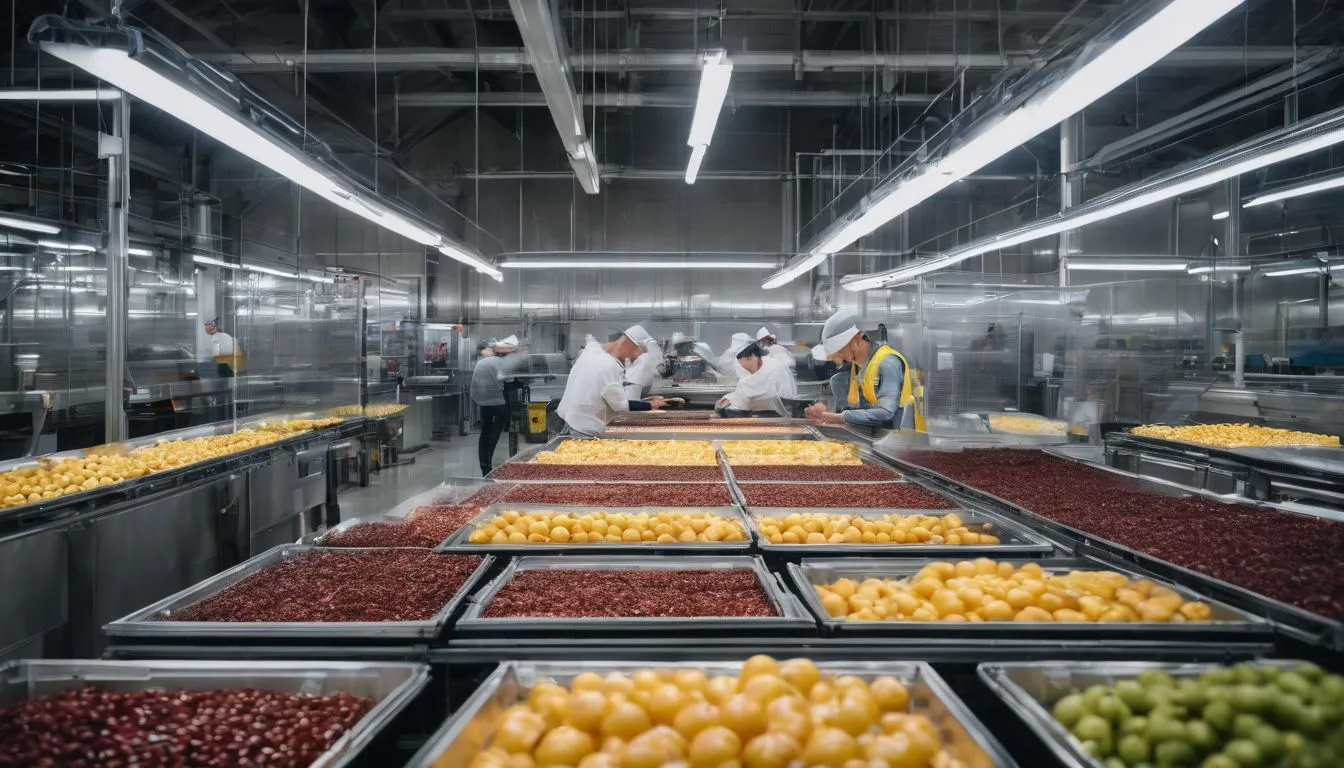
Understanding the Need for Tailored Protection in the Food Industry
In the food industry, high noise levels and potential risks are prevalent, making tailored protection essential. Traditional hearing protection options may not be sufficient to meet the specific needs of workers in this industry.
The high noise levels and potential risks in the food industry
We understand the unique challenges that come with managing a business in the food industry. The high noise levels are not just a distraction; they’re a significant risk to employee wellbeing.
Constant exposure to machinery, processing equipment, and busy work environments can lead to hearing loss if proper industrial ear protection isn’t provided.
Protective measures go beyond safeguarding ears from impact noise; they also encompass overall workplace safety and hygiene standards. With machinery comes potential mechanical risks, including moving parts where accidents could occur.
We must create safe spaces for our teams by implementing hygienesealed safety barriers and following stringent food industry regulations. This commitment helps prevent contamination and maintains high-quality production while caring for those who make it all happen.
Traditional hearing protection options may not be sufficient
Given the high noise levels and potential risks in the food industry, it’s evident that traditional hearing protection options may not be sufficient.
Closing the Gap: Promoting Food Access Policies and Eliminating Health Inequities
Promoting food access policies and eliminating health inequities is crucial for building healthy communities. Urban agriculture plays a vital role in promoting food access, but the struggle for equitable food systems continues.
The role of urban agriculture in promoting food access
Urban agriculture plays a vital role in promoting food access by providing fresh, nutritious produce in local communities. By cultivating fruits, vegetables, and herbs within city limits, urban agriculture reduces the distance that food travels from farm to table.
This not only enhances food quality but also contributes to a more sustainable and equitable food system for the future. Embracing urban agriculture can help create healthier communities through increased access to affordable, locally grown produce.
As business owners, understanding the impact of urban agriculture on food access can lead to opportunities for collaboration and support within local communities. By championing sustainable practices and investing in initiatives that promote urban farming, businesses can play an active role in building healthier environments while fostering positive relationships with their surrounding communities.
The struggle for food access policies
Promoting food access through urban agriculture is essential, but overcoming the struggle for food access policies is equally crucial.
- Ensuring Equitable Distribution: Implementing policies to ensure that all communities have access to fresh, healthy food options is imperative for addressing food inequities.
- Advocating for Food Justice: Business owners can play a pivotal role in advocating for equitable food access policies that prioritise the needs of underserved communities and promote fair distribution.
- Collaborating with Local Governments: Engaging with local policymakers and government officials to develop and implement inclusive food policies can help bridge the gap in accessing nutritious food options.
- Supporting Community Initiatives: Backing community-led efforts that aim to improve access to affordable and quality fresh produce can contribute significantly to addressing food access challenges.
- Prioritising Sustainable Food Systems: Investing in sustainable and equitable food systems can pave the way for long-term solutions that promote accessibility and address health disparities.
- Fostering Partnerships: Collaboration between businesses, nonprofit organisations, and community groups can create synergistic efforts towards shaping effective policy changes that promote equal access to healthy foods.
Building healthy communities through equitable food access
Creating healthy communities through equitable food access is essential for ensuring the well-being of individuals and strengthening local economies. By promoting urban agriculture and supporting food access policies, we can address disparities in food availability and improve overall health outcomes.
These initiatives play a crucial role in eliminating health inequities by providing communities with sustainable and affordable sources of fresh produce. Moreover, establishing sustainable and equitable food systems not only supports the present but also ensures a healthier future for generations to come.
Taking an active role in advocating for these vital changes contributes to building resilient communities that are empowered to make healthier choices. Additionally, embracing these initiatives creates opportunities for business owners to engage with their local communities while promoting positive societal impact through their support of equitable food access.
Health justice and the elimination of health inequities
Creating healthier communities involves addressing health justice and eliminating health inequities. Access to nutritious food is fundamental, and we must strive to promote policies that ensure equitable access for all.
Sustainable and fair food systems are essential in combating health issues like obesity and diabetes. By building healthy local food environments, we can positively impact the well-being of individuals within our communities.
Adopting a proactive approach to promoting food access policies not only fosters health justice but also contributes to the longevity of our businesses. It’s crucial for us as business owners to recognise the link between local food environments and overall community wellness.
The link between local food environments and health issues such as obesity and diabetes
Local food environments play a crucial role in the health of our communities. Access to fresh, nutritious foods is essential for combating health issues such as obesity and diabetes.
Business owners should consider how their offerings contribute to the local food environment and be mindful of promoting healthy choices within their establishments.
By supporting sustainable and equitable food systems, we can create a positive impact on community health. This not only benefits individuals but also supports overall economic well-being.
The importance of sustainable and equitable food systems for the future.
Sustainable and equitable food systems are crucial for the future of our communities. By prioritising sustainable practices, we can ensure that future generations have access to nutritious food while reducing negative environmental impacts.
Equitable food systems promote fairness and inclusivity, addressing issues such as food deserts and ensuring that everyone has access to healthy, affordable options. It’s essential for businesses in the food industry to prioritise sustainability and equity to contribute positively to the well-being of society.
Striving for sustainable and equitable food systems enables us to create a healthier, more resilient future for all. Embracing these principles fosters a positive impact on local communities by promoting health equity and environmental responsibility.

Conclusion
Tailored protection in the food industry is crucial for mitigating risks and preserving health. Our practical strategies offer efficient solutions that can seamlessly integrate into your business operations. Implementing these approaches can lead to significant improvements, ensuring a safe working environment for all employees. For further guidance on navigating tailored barriers in the food industry, explore our resources for additional insights. Let’s work together to amplify protection and promote safety across the food industry.