
25 January 2024 · filed in Product Highlight
Avoid Disaster: How Rollover Gates Improve Factory Safety

Factories can be pretty dodgy places, chokers with the chance for mishaps. We’ve all heard the stories or might even know someone who’s copped it sweet due to a safety slip-up, and let’s be honest, the stats on factory incidents are a bit of an eye-opener. Now, we’ve been having a good squiz at industry top tips and reckon rollover gates are real rippers when it comes to stepping up factory safety. These clever little beauties are dead-set lifesavers in making workplaces safer as houses. So how about we yarn over how these gates work and get your crew sorted? Let’s look after each other out there.
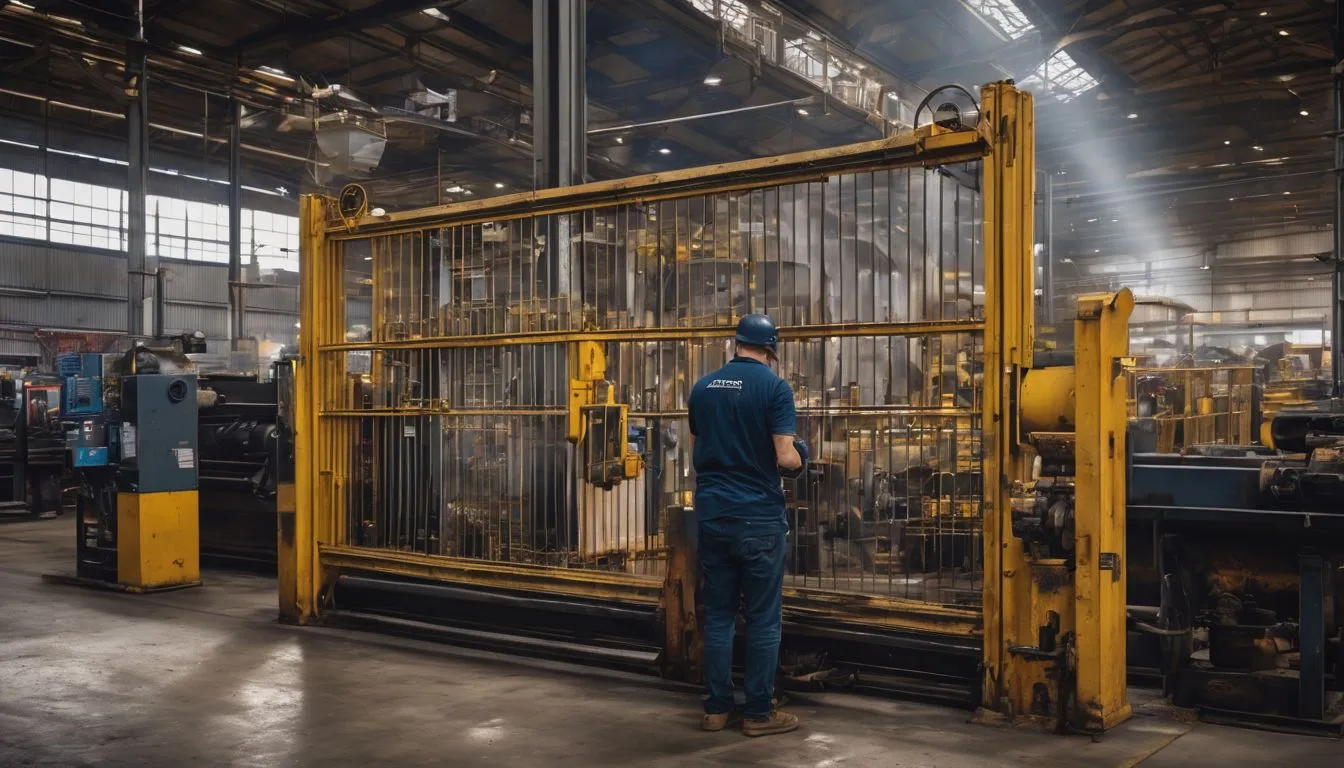
Why Safety Barriers are Essential for Industrial Settings
Safety barriers are crucial in industrial settings to enhance employee awareness, protect vehicles and machinery, and prevent damage to products. They provide a physical barrier that helps to create a safer work environment for all employees.
To enhance employee awareness
We understand the hustle of a busy warehouse or factory floor, where everyone’s focused on their tasks. Often, employees might not notice moving vehicles or machinery around them. That’s why we install safety barriers and factory safety gates to grab their attention.
Reflective surfaces, bold colours, and clear signs on these barriers can alert workers to potential hazards nearby.
Incorporating rollover protection into our plant safety measures heightens this awareness further. Workers become more conscious of high-risk zones where accidents could occur without proper caution.
These visual cues are crucial because they serve as constant reminders for our team to stay vigilant and maintain workplace safety at all times. By making these protective features stand out in an industrial setting, we ensure that taking note of risks becomes second nature for every member of staff.
To protect vehicles and machinery
By prioritising the protection of vehicles and machinery, businesses can significantly reduce the risk of accidents and damage in industrial settings. Rollover gates, heavy-duty loading dock safety barriers, and energy isolation guidelines are crucial elements for safeguarding equipment and preventing potential disasters.
Implementing these measures not only ensures workplace plant safety but also minimises the chances of operational disruptions due to machinery breakdowns or vehicle-related incidents.
Rolling out improved occupational health and safety protocols such as forklift safety considerations further demonstrates a proactive approach to risk management within the facility.
To prevent damage to products
Installing safety barriers, such as rollover gates and heavy-duty loading docks, safeguards your products from potential damage. Implementing workplace risk management measures like these not only protects your employees but also ensures the safety of valuable goods within your facility.
By prioritising roll-over protection and sturdy loading areas, you can minimise the risk of accidents and product loss due to mishaps involving machinery or vehicles.
By upholding high safety standards through proper workplace risk management measures, you demonstrate a commitment to protecting both your employees and valuable company assets. With this in place, you can mitigate the potential for costly damage to products while maintaining a safe working environment for all stakeholders involved in your business operations.
Different Types of Safety Barriers
When it comes to safety barriers, there are different types to consider. From hard barriers like concrete walls and steel bollards to flexible options such as guardrails and safety nets, each type serves a specific purpose in protecting both employees and machinery within industrial settings.
It’s important to choose the right type of barrier based on the specific needs and risks present in your facility.
Hard barriers
Hard barriers such as steel guardrails and concrete bollards provide robust protection against impacts from heavy machinery and vehicles. These barriers are ideal for creating clear boundaries and preventing unauthorised access to hazardous areas within the factory premises, thereby reducing the risk of accidents.
By installing hard barriers strategically, businesses can effectively safeguard their equipment, products, and most importantly, their employees from potential harm.
When implementing hard barriers in industrial settings like heavy-duty loading docks or material handling areas, it is crucial to consider factors such as strength, impact resistance, and visibility.
Flexible barriers
Unlike hard barriers, flexible barriers offer a more adaptable solution for factory safety. These barriers are designed to absorb and deflect impact, reducing the risk of injury or damage in industrial settings.
They provide a cushioning effect when struck by vehicles or machinery, enhancing overall workplace safety.
Flexible barriers such as roll over protection and heavy-duty loading dock systems are essential components that contribute to employee well-being and facility protection. Their resilience allows them to endure impacts without compromising their effectiveness, making them an ideal choice for mitigating potential disasters in factory environments.
Considerations in Choosing Safety Barriers
When choosing safety barriers, it is crucial to consider the location and specific needs of your industrial setting. The durability and quality of the barriers, along with proper installation and meeting national standards are also key factors to consider.
Location and need
Location plays a critical role in determining the need for safety barriers. Identifying high-traffic areas, such as heavy-duty loading docks, will help pinpoint where potential hazards exist.
It’s essential to tailor the type and placement of safety barriers based on the specific requirements of each location within the factory. This ensures that all vulnerable zones are adequately protected and minimises the risk of accidents occurring at these crucial spots.
Considering the ever-present need to safeguard employees, machinery, and products from harm or damage at industrial sites like heavy-duty loading docks is paramount. By strategically placing rollover gates in these areas, business owners can ensure comprehensive protection without impeding operations.
Durability and quality
When considering safety barriers for your factory, it’s essential to prioritise durability and quality. Investing in robust barriers ensures long-term protection for your employees, machinery, and products.
High-quality barriers are built to withstand impact and provide reliable safety measures, offering peace of mind for you as a business owner.
Selecting durable safety barriers minimises the need for frequent replacements or repairs, ultimately saving you time and money in the long run. Additionally, prioritising quality ensures that your safety barriers meet national standards and regulations, aligning with best practices to create a safer working environment within your industrial setting.
Proper installation
To ensure the effectiveness of safety barriers, it is crucial to ensure their proper installation. Carefully following manufacturer guidelines and industry standards when installing rollover gates is essential.
It involves securing the gate firmly into place and inspecting all components for any defects or damage. Additionally, business owners should consider hiring professional installers with experience in working with heavy-duty loading dock equipment to guarantee a secure and reliable installation.
An adequately installed rollover gate not only provides protection but also contributes to the overall safety of the factory environment. Regular checks and maintenance after installation are vital to confirm that the gate continues to function optimally, ensuring ongoing safety for employees, vehicles, machinery, and products within the industrial setting.
Meeting national standards
We ensure that safety barriers meet national standards to comply with regulations and protect employees, vehicles, and products. We conduct regular inspections and evaluations to guarantee adherence to the necessary guidelines.
Our commitment is to maintain a safe working environment by implementing safety barriers that uphold national standards. We continuously review and update our safety measures to align with any changes in regulations or industry best practices.

Case Studies of Effective Safety Barrier Implementation
Brookfield, Alstom, and Admil Adhesives have successfully implemented safety barriers in their industrial settings, resulting in increased employee awareness and minimised risks of accidents.
These case studies serve as examples of the positive impact that proper safety barrier implementation can have on factory safety.
Brookfield
At Brookfield, the implementation of rollover gates has significantly enhanced factory safety. By installing these heavy-duty loading dock barriers, potential accidents involving forklifts and other vehicles have been effectively prevented.
The impact on employee awareness and protection of machinery and products has been remarkable due to the installation of this innovative safety solution.
The success at Brookfield demonstrates the value of investing in high-quality safety barriers that meet national standards. With such effective solutions in place, business owners can ensure a safer work environment and prevent disasters before they occur.
Alstom
Transitioning from successful safety barrier implementation at Brookfield, let’s look at another case study – Alstom. Their commitment to workplace safety includes the installation of effective safety barriers that enhance employee protection and prevent accidents.
By implementing the right kind of safety barriers in their industrial settings, Alstom has been able to safeguard employees and equipment, preventing potential disasters such as collisions and falls.
This proactive approach not only ensures a safe work environment but also reflects their dedication to prioritising the wellbeing of their workforce.
Admil Adhesives
Transitioning from discussing safety barrier implementation at Alstom, it’s essential to highlight the role of Admil Adhesives in providing effective and reliable solutions for industrial safety.
Recognised as a leading provider of adhesives and sealants, Admil Adhesives offers a range of products designed to enhance workplace safety. Their high-quality adhesives are engineered to ensure structural integrity and longevity, making them an ideal choice for securing safety barriers in various industrial settings.
With a commitment to excellence and innovation, Admil Adhesives can be trusted to deliver durable and robust adhesive solutions that contribute to the overall safety and efficiency of factory operations.
Furthermore, business owners can rely on the expertise of Admil Adhesives in recommending the most suitable adhesive products for specific safety barrier requirements. Their dedication to providing tailored solutions aligns with the goal of creating secure work environments while maintaining productivity.
The Importance of Mezzanine Safety and Automation Solutions
Mezzanine safety and automation solutions are crucial in industrial settings to prevent falls from heights, ensuring employees’ safety. With the primary duty of care lying on business owners, it’s essential to implement strategies to minimise risks and ensure a safe working environment for all.
The dangers of falling from heights
Falling from heights poses a significant risk in industrial settings, potentially leading to severe injuries or even fatalities. Workers can fall while performing tasks at elevated levels, such as on mezzanines or raised platforms.
Additionally, the risk of falling increases when employees are required to work near unprotected edges, openings, or pits. It is crucial for business owners to understand the grave implications of falls from heights and implement robust safety measures to prevent such incidents.
To mitigate these risks effectively, business owners should prioritise the installation of appropriate safety barriers and equipment on elevated workspaces. This proactive approach not only protects their workforce from harm but also demonstrates a commitment to creating a safe working environment in compliance with national safety standards.
Primary duty of care
Having discussed the dangers of falling from heights, it is crucial to recognise the primary duty of care when it comes to mezzanine safety and automation solutions. As business owners, ensuring the safety and well-being of employees should be a top priority.
This includes conducting risk assessments, implementing appropriate safety barriers, providing comprehensive training programmes on equipment usage, and consistently monitoring compliance with safety protocols.
Furthermore, integrating regular maintenance and inspection schedules for safety barriers is paramount in fulfilling this duty of care. Business owners must also stay updated with national standards and industry best practices to ensure that their facilities are equipped with the latest safety barrier technology.
Ways to minimise risks of falls
To minimise risks of falls, ensure that all mezzanine floors, platforms, and walkways are equipped with sturdy guardrails and toe boards. Regularly inspect and maintain these barriers to guarantee they remain secure and effective at all times. Implement anti-slip measures such as installing non-slip flooring, using safety mats, or applying anti-slip coatings on walking surfaces. Provide proper training for employees working at heights to ensure they are aware of fall hazards and know the correct use of safety equipment. Utilise automated safety solutions such as sensors, alarms, and warning signs to alert workers when approaching unprotected edges or hazardous areas. Conduct regular risk assessments to identify potential fall hazards and implement appropriate control measures to eliminate or reduce these risks wherever possible.
General prevention strategies
- Ways to minimise risks of falls can be achieved by implementing general prevention strategies
- Regular safety training and education for all employees.
- Installation of clear signage and warning indicators in hazardous areas.
- Conducting regular inspections and maintenance of elevated platforms and mezzanines.
- Implementation of proper lighting and visibility measures in high – risk areas.
- Providing appropriate personal protective equipment (PPE) for workers exposed to fall hazards.
- Enforcing strict adherence to safety protocols and procedures through consistent supervision.
- Utilising engineering controls such as guardrails, gates, and barriers to create physical barriers against falls.
The Comprehensive Guide to Safety Barriers: Importance, Types, and Best Practices
Discover the significance of safety barriers in industrial settings, the different types available, best practices for design and application in various environments, as well as future innovations and maintenance tips.
Learn how to ensure a safe work environment with effective use of safety barriers.
Definition and significance of safety barriers
Safety barriers are structures designed to improve workplace safety by creating physical barriers between employees and potential hazards. These barriers play a crucial role in preventing accidents, protecting equipment, and guiding the flow of traffic within industrial settings.
By defining safe zones and restricting access to dangerous areas, safety barriers help reduce the risk of collisions, falls, and other workplace incidents.
The significance of safety barriers cannot be overstated, as they not only safeguard employees but also contribute to efficient operations by minimising downtime due to accidents or damage.
Categories of safety barriers
Safety barriers can be categorised into several types, each serving specific purposes in maintaining a safe working environment:
- Guardrails: These are used to prevent falls from elevated areas such as mezzanines and loading docks. They provide a physical barrier to protect employees and vehicles from accidental falls.
- Bollards: These sturdy, vertical posts are placed strategically to create a protective perimeter around equipment, machinery, and work areas, preventing accidental collisions or impacts.
- Rollover gates: Specifically designed for dock safety, rollover gates provide fall protection for personnel working at height while loading or unloading heavy-duty goods at the loading dock.
- Safety nets: These are installed as a secondary layer of protection beneath elevated platforms or mezzanines to catch falling objects or personnel in case of an accident.
- Warning barriers: Used to cordon off hazardous areas or mark potential dangers to prevent unauthorised access and create awareness of potential risks.
- Safety bollard covers: Aesthetically pleasing covers that fit over metal bollards, protecting them from corrosion while also enhancing their visibility for increased safety measures.
Design principles for effective barriers
When designing safety barriers, it is crucial to prioritise visibility and clear demarcation. Bright colours and reflective materials can significantly enhance the barrier’s effectiveness in alerting employees and drivers to potential hazards.
Additionally, incorporating sturdy yet easily identifiable signage can further reinforce the purpose of the barrier, ensuring that its presence is unmistakable.
Another essential design principle for effective barriers is flexibility. By allowing for some give upon impact, flexible barriers can absorb energy from collisions and reduce damage to both vehicles and barriers themselves.
Furthermore, considering the ease of maintenance during the design phase can lead to cost-effective solutions that remain operational over time.
Application of barriers in different environments
When it comes to the application of safety barriers, diverse environments present unique challenges. In warehouses and loading docks, heavy-duty barriers are crucial for safeguarding employees and equipment from vehicle accidents.
In manufacturing facilities, flexible barriers play a vital role in protecting workers from hazardous machinery. Retail spaces benefit from the use of low-profile safety barriers to guide customer traffic flow and prevent accidents.
Outdoor environments like construction sites require weather-resistant barriers to ensure year-round protection. Each environment demands custom-tailored barrier solutions to effectively mitigate potential risks.
Future innovations and trends in safety barrier technology
In considering future innovations and trends in safety barrier technology, we anticipate advancements in materials and design that will further enhance the protective capabilities of safety barriers.
Improved impact resistance, modular construction for easier installation and maintenance, as well as integrated sensor technologies to detect potential hazards are among the developments businesses can look forward to.
Moreover, increased emphasis on sustainable materials and energy-efficient designs will likely shape the direction of safety barrier innovation.
Automation is also set to play a significant role in the evolution of safety barriers, with the integration of smart systems for real-time data monitoring and predictive maintenance.
Maintenance and inspection tips for safety barriers
As we move from discussing future innovations and trends in safety barrier technology, it’s essential to understand the crucial steps for maintaining and inspecting safety barriers. Here are some actionable tips for ensuring the ongoing effectiveness of your safety barriers:
- Regularly inspect the barriers for signs of wear, damage, or deterioration.
- Clean the barriers to remove debris and dirt that may affect their performance.
- Conduct routine tests to ensure that the barriers meet required standards and specifications.
- Immediately repair any damaged or faulty components of the safety barriers.
- Train employees on how to properly use, maintain, and inspect safety barriers.
- Keep documentation of all maintenance and inspection activities for compliance and auditing purposes.
Conclusion
The use of rollover gates in factory safety is crucial. Your employees’ awareness can be enhanced by implementing these gates. Rollover gates protect vehicles and machinery, preventing damage to products. The practicality and efficiency of these strategies are evident in their simplicity and effectiveness. Implementing rollover gates can significantly improve safety in industrial settings. Consider exploring further resources for additional guidance on this topic.