
12 January 2024 · filed in Safety Update
Balancing Safety & Productivity with Protective Railings
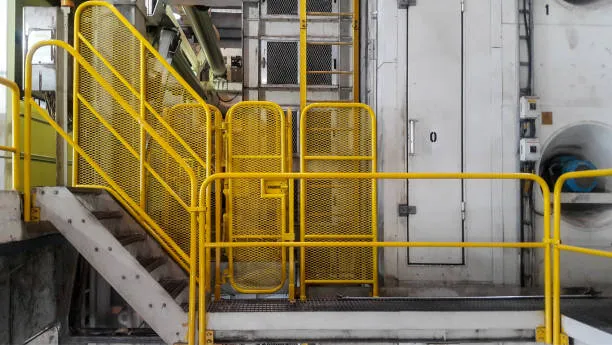
Navigating the delicate balance between maintaining a safe workplace and keeping things ticking along efficiently can feel like you’re dancing on a highwire. As fellow Aussie business owners, we’ve taken the bull by the horns to really grapple with this issue. Did you know that every year down under, a fair few of our mates cop injuries from taking tumbles at work? That’s why we’ve decided to share some nifty tips in our article, it’s chock-a-block with practical steps for installing protective railings and more. So have a squiz and see how you can whip your workspace into shape, turning it into a shining example of safety without skimping on productivity. Crikey! It’s worth a look, hey?
The Importance of Protective Railings
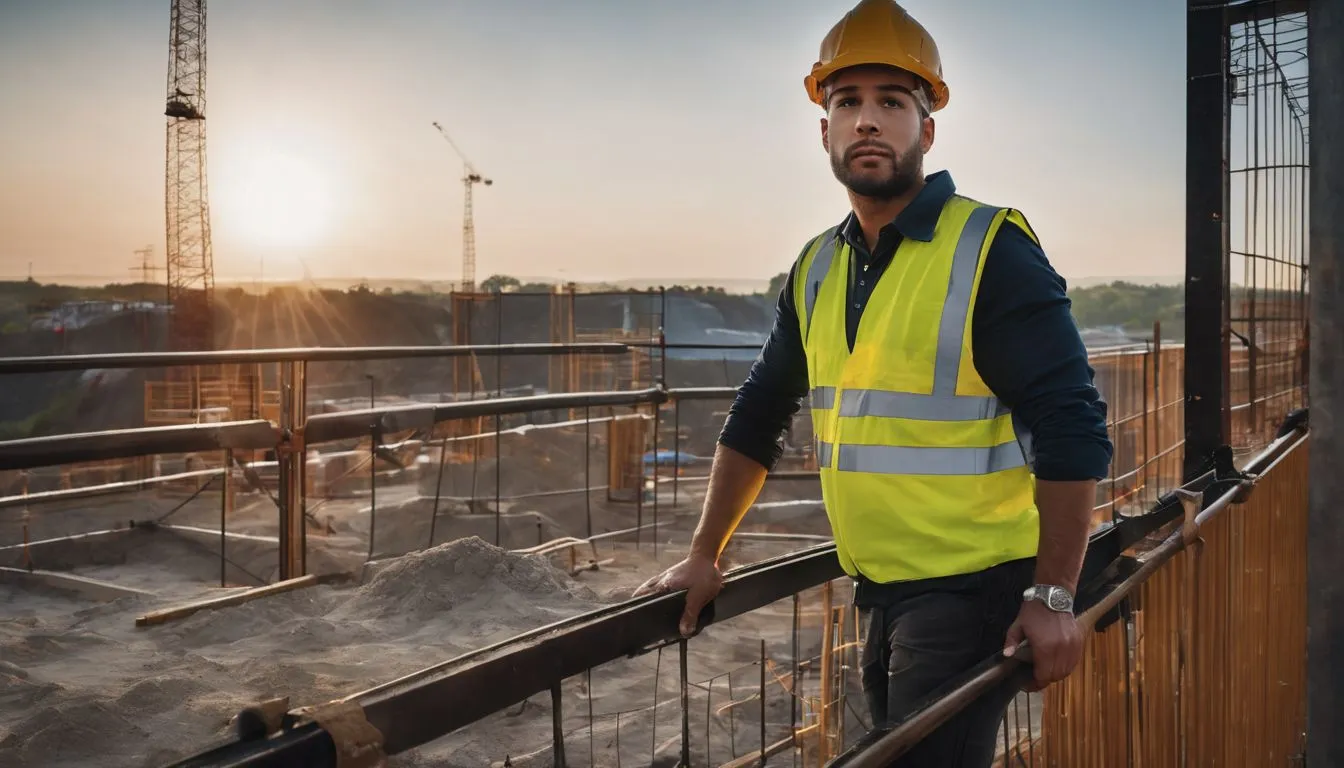
Protective railings are essential for workplace safety, helping to prevent falls and accidents. Understanding the OSHA guard rail requirements will ensure compliance and a safe working environment.
By exploring the components, construction, height, and strength standards of guard rails, business owners can effectively balance productivity with safety.
Exploring OSHA Guard Rail Requirements
We need to stay on top of OSHA’s guard rail requirements to ensure our workers’ safety. These regulations set the standard for fall prevention in a variety of environments, from rooftops to elevated platforms.
Proper edge protection is critical, and that’s where understanding these rules becomes a cornerstone for maintaining workplace safety. Guard rails must be at least 42 inches high with a tolerance of plus or minus 3 inches.
They also require a mid-rail to protect against falls through the rail.
Our responsibility extends beyond mere compliance; we aim for an environment where every team member goes home unharmed each day. OSHA mandates that guard rails withstand at least 200 pounds applied within two inches of the top edge, in any outward or downward direction.
This requirement ensures that even if an accident occurs, our protective barriers will hold firm and minimise harm. Let’s make certain our railing systems meet these strength standards, it’s about keeping productivity high and risks low.
Components and Construction of Guard Rails
When installing guard rails, it’s crucial to consider the components and construction carefully. The essential elements of a guard rail system include posts, top rails, and mid-rails, all constructed with sturdy materials such as steel or aluminium.
These components are securely connected to create a protective barrier that can withstand impact and safeguard against falls. Additionally, the installation process involves precise measurements and secure anchoring to ensure stability and durability.
Attention must be given to proper alignment and spacing for optimal protection while adhering to HSE height and strength standards.
Height and Strength Standards
As we transition from discussing the components and construction of guard rails to understanding height and strength standards, it’s crucial to ensure that railings are designed and built to specific safety requirements.
HSE regulations stipulate that standard guardrail systems must have a vertical height of 42 inches, with a top rail capable of withstanding at least 200 pounds of force applied within 2 inches above the top edge.
Additionally, midrails or mesh panels should be installed at halfway between the top rail and walking surface for enhanced fall protection. It’s essential that these standards are met to provide adequate protection against falls and promote workplace safety.
The Process of Installing Guard Railings
Ensuring compliance with safety regulations and choosing the right guard rail system are crucial aspects of installing guard railings. By implementing a guard rail system, businesses can benefit from improved workplace safety and reduced risk of falls.
Ensuring Compliance and Safety
To ensure compliance and safety, it is crucial to regularly inspect and maintain guard railings. Regular inspections help to identify any potential issues or damage that could compromise the effectiveness of the guard rail system.
Additionally, providing thorough training for employees on how to properly use and navigate around protective railings is essential in ensuring workplace safety. This includes emphasising the importance of adhering to safety guidelines and procedures while also promoting a culture of accountability and diligence in maintaining a safe working environment for everyone involved.
Implementing strict protocols for fall protection solutions is vital in preventing accidents and injuries at the worksite. Regularly reviewing safety regulations, risk management strategies, and occupational health guidelines helps to ensure that your business remains compliant with industry standards while prioritising employee well-being.
Choosing the Right Guard Rail System
To select the right guard rail system for your workplace, consider the specific requirements of your business. Evaluate the layout, structure, and potential hazards to identify the most suitable type of protective railing.
Assessing the needs and risks will help you choose an effective system that ensures safety without compromising productivity.
Consider various factors such as HSE guard rail requirements, height and strength standards, as well as the components and construction of guard rails when making a decision. Implementation should also include ongoing maintenance planning to keep your guard rail system in optimal condition for long-term safety assurance.
Benefits of a Guard Rail System for Workplace Safety
Guard rail systems offer a safe working environment by preventing falls and protecting employees from hazards. Installing guard rails provides a visual and physical barrier that helps to avoid accidents, thereby reducing the risk of workplace injuries.
Additionally, guard railings contribute to increased productivity, as employees can work with confidence knowing they are protected, which ultimately leads to better focus and efficiency in their tasks.
Implementing guard rail systems fosters a culture of safety within the workplace, instilling confidence in both employees and visitors about their well-being. This in turn creates a positive work environment where productivity flourishes due to improved employee morale and reduced absences from workplace incidents.
Other Fall Protection Solutions
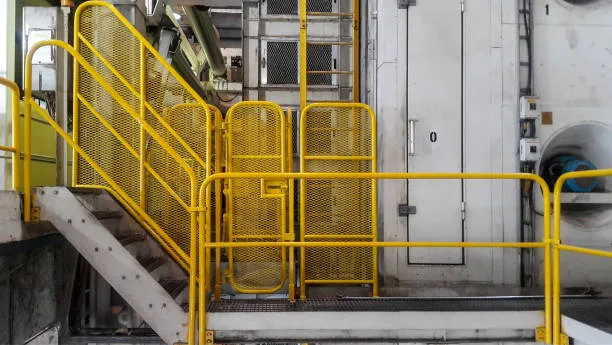
Explore additional fall protection solutions such as crossover ladders, non-penetrating roof railing, mobile safety railing, skylight guards, and self-closing gates to ensure comprehensive workplace safety.
Discover more about these effective solutions by reading the full blog.
Crossover Ladders
Crossover ladders provide a safe and convenient solution for navigating obstacles in the workplace. These ladders are designed to allow workers to cross over machinery, conveyors, or other obstructions without compromising their safety.
With sturdy construction and non-slip surfaces, crossover ladders ensure stability and support while enabling smooth transitions across work areas. By implementing crossover ladders, business owners can enhance workplace safety by reducing the risk of falls and injuries associated with traversing elevated or obstructed spaces.
Incorporating crossover ladders into the workplace promotes efficiency and productivity by facilitating easy access to different areas of the worksite. This accessibility not only streamlines operations but also contributes to a safer working environment overall.
Non-Penetrating Roof Railing
Non-penetrating roof railing provides a secure and compliant fall protection solution without the need to penetrate the roof surface. It is designed to distribute loads across the roof’s surface, ensuring that the roofing membrane remains intact.
Non-penetrating roof railings are quick and easy to install, making them an efficient safeguard for workers at heights while maintaining rooftop safety.
These railings are available in various configurations to accommodate different roof types and layouts, offering business owners a versatile fall protection option that enhances worksite productivity without compromising safety.
Mobile Safety Railing
Mobile safety railing provides a flexible and portable solution for fall protection in various workplace environments. This type of railing can be easily moved and adjusted, allowing business owners to create safe zones around hazardous areas as needed.
Mobile safety railing offers a cost-effective way to comply with HSE guard rail requirements while enhancing the overall safety of the work environment. Its versatility and ease of installation make it an essential component of a comprehensive fall protection strategy.
Incorporating mobile safety railing into your workplace not only ensures compliance with safety regulations but also contributes to creating a safer and more productive work environment.
The flexibility and mobility offered by this type of railing enable businesses to adapt quickly to changing needs, ensuring that the entire facility remains protected from potential fall hazards.
Skylight Guards
Skylight guards are essential for preventing falls through skylights and roof hatches. Installing skylight guards provides a safe environment for workers, reducing the risk of accidents caused by unprotected openings on roofs.
Skylight guards ensure compliance with safety regulations and protect employees from potential hazards associated with working at heights. They play a crucial role in creating a secure workplace, aligning with the design safety principles and safety equipment necessary to maintain a safe work environment.
When considering fall protection solutions, skylight guards are an important addition to any comprehensive safety plan that balances productivity and safety. Protecting against hazardous falls is vital in ensuring employee well-being and maintaining workplace productivity.
Self-Closing Gates
Self-closing gates provide an effective solution to prevent falls and offer convenient access for employees working in elevated areas. These gates are designed to automatically close once a person passes through, reducing the risk of accidental falls.
By incorporating self-closing gates into your workplace safety measures, you can enhance productivity while ensuring the well-being of your workers. Implementing self-closing gates helps maintain compliance with safety regulations and creates a secure environment for employees to carry out their tasks without unnecessary hindrances.
Installing self-closing gates at key access points provides a practical way to control entry and exit while promoting uninterrupted workflow. With these safety features in place, business owners can effectively strike a balance between productivity and the protection of their workforce against potential hazards like falls from height.
The Role of Engineering Controls in Workplace Safety
Engineering controls play a vital role in ensuring workplace safety by providing physical barriers and systems to protect workers from hazards. From machine guards to ventilation systems, these controls are essential for maintaining a safe work environment.
To learn more about the importance of engineering controls in workplace safety, continue reading our blog.
Exploring Types of Engineering Controls
When designing engineering controls for workplace safety, it is essential to consider the different types available. Physical or mechanical controls are crucial in mitigating hazards and reducing the risk of accidents.
Enclosures and barriers can effectively isolate workers from potential dangers, while ventilation systems help to remove hazardous substances from the air. Additionally, substitution controls involve replacing hazardous materials with safer alternatives, providing a more sustainable approach to workplace safety.
Implementing administrative controls also plays a significant role in enhancing workplace safety. This involves establishing protocols and procedures that dictate safe work practices, such as job rotation or limiting exposure time.
Examples and Benefits of Engineering Controls
Engineering controls are crucial in maintaining a safe workplace environment. They can effectively reduce hazards and prevent accidents, leading to increased productivity and reduced workplace injuries. Here are some examples of engineering controls and their benefits:
- Machine guards: These provide physical barriers that help prevent contact with machinery components, reducing the risk of accidents and injuries.
- Local exhaust ventilation systems: These capture and remove hazardous substances from the workplace air, protecting workers from exposure and promoting a healthier work environment.
- Automated equipment: By automating certain tasks, businesses can minimise the need for manual labour in hazardous areas, reducing the potential for accidents.
- Noise control measures: Implementing engineering solutions such as sound-absorbing materials or enclosures can effectively reduce noise levels in the workplace, protecting employees from hearing damage.
- Ergonomic design improvements: Redesigning workstations and tools to minimise strain and discomfort can result in fewer musculoskeletal injuries and improved worker comfort.
The Process of Developing an Engineering Control System
- Identifying Hazards: Assess the workplace to identify potential hazards that can be mitigated through engineering controls.
- Research and Analysis: Research different types of engineering controls and analyse their suitability for mitigating specific workplace hazards.
- Design and Development: Collaborate with engineers to design and develop custom-engineered solutions that address identified hazards effectively.
- Testing and Validation: Thoroughly test the engineered control systems to ensure their efficacy in controlling workplace hazards.
- Installation and Training: Implement the developed engineering control systems in the workplace, providing comprehensive training to employees on their usage and maintenance.
- Monitoring and Evaluation: Continuously monitor the performance of engineering control systems and evaluate their effectiveness in maintaining a safer work environment.
The Importance of Designing Safer Machinery
When it comes to workplace safety, designing machinery with built-in safety features is crucial. This not only protects workers from potential harm but also increases productivity by minimising the risk of accidents and downtime.
Benefits of Safe Machinery Design
Safe machinery design offers numerous benefits for businesses. It enhances workplace safety, reducing the risk of accidents and injuries. This, in turn, leads to improved employee morale and productivity, contributing to a positive work environment and lower absenteeism rates.
Additionally, safe machinery design can result in cost savings by minimising downtime due to accidents or maintenance issues, as well as reducing workers’ compensation claims and insurance premiums.
By prioritising safe machinery design, businesses can create a more efficient and sustainable operation while fulfilling their duty of care to provide a safe working environment.
Moreover, incorporating safe machinery design demonstrates corporate responsibility and commitment to the safety of employees. It also helps businesses comply with regulatory requirements related to workplace safety standards imposed by HSE Guard Rail Requirements.
Components of Safer Machinery Design
Designing safer machinery involves several key components to ensure workplace safety and productivity. These components include:
- Guarding: Installing physical barriers or covers on hazardous machine parts to prevent contact or access during operation.
- Emergency Stop Controls: Incorporating easily accessible emergency stop buttons or switches for immediate halting of machinery in case of an emergency.
- Machine Stability: Ensuring that machinery is stable and securely anchored to prevent tipping, falling, or unintended movement during operation.
- Safety Interlocks: Implementing interlocking devices to disable or prevent the operation of machinery when a guard is open or removed.
- Visual Warnings: Integrating clear visual indicators such as warning lights or signs to alert operators of potential hazards or unsafe conditions.
- Ergonomic Design: Incorporating ergonomic features to minimise strain and fatigue on operators, reducing the risk of accidents and injuries.
- Developing an Engineering Control System
Using Barrier Protection as an Engineering Control for Hazardous Materials
Barrier protection serves as a crucial engineering control for hazardous materials in the workplace. Implementing physical barriers helps prevent direct contact with dangerous substances, reducing the risk of exposure and potential harm to employees.
By installing robust guardrails, handrails, and other barrier systems around hazardous material storage areas or machinery, businesses can effectively mitigate the danger posed by these materials.
Incorporating barrier protection not only safeguards workers but also aligns with safety standards and regulations. It is a proactive measure that demonstrates a commitment to protecting employees from potential hazards associated with handling or working near dangerous materials.

Conclusion
It’s crucial to maintain a balance between safety and productivity in the workplace, especially with protective railings. Implementing practical guard rail systems, fall protection solutions, and engineering controls can significantly enhance workplace safety while maintaining efficiency. These strategies are not only easy to implement but also have a substantial impact on reducing accidents and improving overall productivity. Business owners should consider exploring these approaches further to ensure comprehensive workplace safety measures. Remember that a proactive approach towards safety is not just a legal obligation but an investment in the well-being of employees and the success of the business as well.