
27 December 2023 · filed in Product Highlight
Barrier Implementation in Hospitals: Enhancing Security and Saving Lives
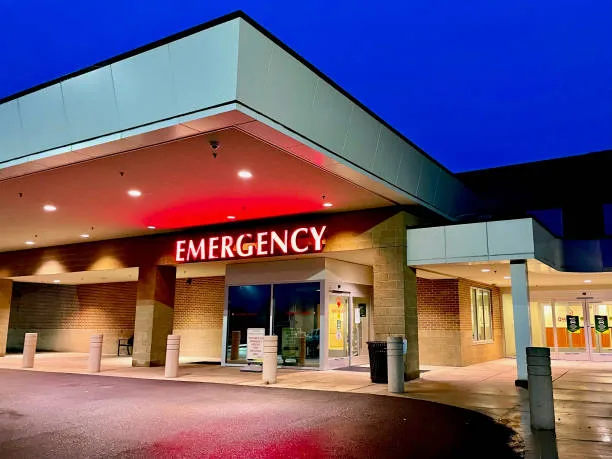
Hospitals are like fortresses that must keep their patients, staff and vital information safe behind strong barriers. We safeguard these three key areas by controlling who can enter and move around the building. This careful watch helps prevent anyone or anything from causing harm. Our security measures include fences and advanced systems that tell us where people are in real-time, making sure everyone in the hospital is supposed to be there.
We need top-notch access control because keeping hospitals secure is not just about locks and keys; it’s about knowing who should be where at all times, especially in places with medicines or newborn babies. When we use smart technology from companies like Kisi, we get custom features that let us monitor and run things even when we’re not on-site.
Imagine walls that could talk or doors that open only for the right person – this isn’t a story; it’s what modern hospitals do every day to protect everyone inside. These security layers create trusty shields so patients can heal without worry and doctors can focus on saving lives. Let’s explore how these barriers work hard to keep our hospitals as sanctuaries of health!
Healthcare institutions face unique security challenges
In healthcare institutions, safeguarding patients, staff, and sensitive data is a complex task. We grapple with the dual responsibility of maintaining open access for emergency care while also protecting against unauthorised entry and potential threats.
Our hospitals are hubs of vulnerable populations and valuable assets; both need strategic approaches to security. We balance visibility with privacy as we manage diverse areas ranging from bustling emergency rooms to quiet patient wards.
We recognise that implementing robust security measures in our facilities goes beyond mere compliance, it’s about ultimately saving lives. Effective barrier implementation separates public zones from restricted ones and ensures that only authorised personnel can access high-risk areas like pharmaceutical stores or neonatal units.
Utilising advanced healthcare technology such as RFID systems improves not just security but nurse productivity by streamlining the movement within hospital grounds. As stewards of patient safety, we constantly refine our harm reduction strategies and crisis response plans ensuring every aspect of healthcare delivery is shielded from risks.
The three main areas that must be protected: people, assets, and data
Understanding the unique security challenges healthcare institutions face leads us directly to acknowledging that securing people, assets, and data is paramount. In hospitals, we must safeguard our patients’ well-being alongside the safety of our dedicated staff.
This involves implementing robust safety protocols that keep unauthorised individuals from accessing sensitive areas while ensuring a safe environment for everyone within these facilities.
Protecting hospital assets extends beyond physical equipment; it includes medication stores, essential machinery and even proprietary information which if compromised, can disrupt healthcare delivery models.
Furthermore, secure patient data management remains critical as electronic health records contain private information that merits stringent defence against any potential breaches. Hospitals must employ advanced systems like RFID technology for effective risk management and ensure both facility protection and public safety at all times.
Five Levels of Hospital Protection
Securing hospital property, building perimeters, and controlling access to different areas are crucial for ensuring the safety of patients and staff. Read on to learn more about how hospitals can enhance their security measures.
Property perimeter
Securing the property perimeter is crucial to safeguarding hospital units, electronic medical records, and patient data. Installing physical barriers such as fences, gates, and access control points can deter unauthorised access and ensure the safety of patients and valuable assets.
Implementing surveillance cameras along the property perimeter adds an additional layer of security, enabling staff to monitor any suspicious activities in real-time.
Establishing a robust barrier system around hospital grounds not only enhances overall security but also contributes to creating a safe environment for both patients and staff. By ensuring strict control over who enters or exits the facility, healthcare institutions can mitigate potential risks and maintain a secure perimeter at all times.
Building perimeter
Securing the building perimeter is crucial for ensuring the safety and security of a hospital. Installing sturdy fences, gates, and barriers helps to control access and deter unauthorised individuals from entering restricted areas.
Regular maintenance of the perimeter ensures that it remains secure, thereby reducing the risk of breaches and enhancing overall safety.
A well-protected building perimeter not only safeguards patients, staff, and assets but also contributes to creating a reassuring environment where people feel safe and secure. Implementing robust measures around the building’s boundary minimises potential security threats while promoting confidence in the healthcare facility’s ability to provide a secure environment for all stakeholders involved in patient care and support services.
Authorised and unauthorised building visitors
To effectively secure a hospital building, it is vital to manage authorised and unauthorised visitors efficiently. Implementing robust access control measures can prevent unauthorised individuals from entering restricted areas, safeguarding both patients and sensitive assets.
Access control systems allow healthcare facilities to issue unique credentials to authorised personnel while denying entry to unauthorised visitors. Regular monitoring and strict verification processes help ensure that only approved individuals have access to specific areas within the hospital premises.
Furthermore, restricting access helps maintain a safe and efficient environment for staff, allowing them to focus on providing quality care without unnecessary disruptions. By clearly defining who is allowed in which spaces at what times, hospitals can enhance overall security and deliver an optimised patient experience.
Separating public and patient areas from staff-only areas
Separating public and patient areas from staff-only spaces in hospitals is crucial for maintaining privacy, ensuring security, and preventing unauthorised access. By implementing physical barriers such as locked doors, access control systems, and clear signage, healthcare institutions can effectively create distinct zones within their facilities.
This not only protects sensitive information but also minimises the risk of potential disruptions to medical procedures, safeguarding both patients and staff.
Installing secure barriers also plays a vital role in managing traffic flow and reducing the potential for theft or tampering with hospital assets. Implementing this separation between public/patient areas and staff-only zones promotes a safer environment overall while enhancing the level of care provided to patients.
Restricting staff access to highly sensitive areas
To strengthen hospital security further, it’s crucial to restrict staff access to highly sensitive areas. By implementing strict access control measures in these critical spaces, we can ensure that only authorised personnel are granted entry.
This barrier implementation significantly reduces the risk of unauthorised access and potential security breaches, safeguarding both patients and valuable assets within the healthcare facility.
Furthermore, employing advanced access control systems with personalised credentials for staff members enhances overall security levels. By limiting entry to highly sensitive zones through biometric authentication or key card systems, hospitals can effectively mitigate potential threats and protect confidential data from falling into the wrong hands.
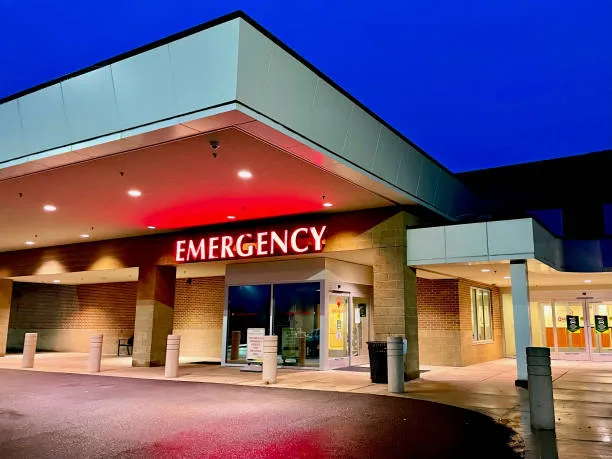
Importance of Hospital Access Control Systems
Vera Eftimovska’s research on access control and Kisi’s tailored solutions for healthcare institutions highlight the benefits of implementing a comprehensive access control system in hospitals.
Find out how it enhances security and saves lives by reading more!
Vera Eftimovska’s research on access control
Vera Eftimovska’s research on access control in healthcare institutions highlights the critical role of tailored security solutions. Her findings underscore the need for a comprehensive access control system to protect people, assets, and data within hospitals.
This research emphasises the importance of implementing effective barrier systems to ensure patient safety and privacy, as well as secure sensitive areas from unauthorised access.
By understanding and applying Vera Eftimovska’s research on access control, healthcare institutions can enhance their security measures while also safeguarding lives. Such insights provide valuable guidance for addressing implementation challenges in hospital security to create a safer environment for both patients and staff members.
These strategies are vital for improving emergency preparedness and preventing potential failures to rescue within medical facilities.
Kisi’s tailored solutions for healthcare institutions
Turning from the research on access control to effective tailored solutions, Kisi offers customised access control systems for healthcare institutions. These solutions are designed to address the unique security needs of hospitals and medical facilities.
By integrating advanced technology with superior functionality, Kisi ensures that only authorised personnel can access restricted areas, providing enhanced protection for patients, staff, and sensitive data.
Kisi’s tailored solutions combine user-friendly interfaces with robust security measures, offering healthcare institutions a seamless way to manage access rights across different levels of the facility.
With features such as real-time monitoring and remote access management, these solutions enable hospital administrators to maintain a secure environment while facilitating efficient operations.
Benefits of implementing a comprehensive access control system in hospitals.
Implementing a comprehensive access control system in hospitals enhances security while also safeguarding sensitive data and high-value assets. This system allows us to monitor and manage who can enter specific areas, reducing the risk of unauthorised access and potential breaches.
Additionally, it provides real-time tracking capabilities, enabling us to respond quickly to any security incidents or emergency situations, ultimately contributing to a safer environment for both patients and staff.
By integrating an advanced access control system in hospitals, we can effectively restrict access to certain zones based on individual roles or permissions. This not only helps in preventing theft and protecting patient privacy but also plays a crucial role in ensuring compliance with stringent healthcare regulations.
Conclusion
We have explored the critical aspects of security in healthcare facilities. We have discussed the five levels of hospital protection, emphasising the need for a comprehensive approach to safeguarding people, assets, and data. Implementing effective access control systems tailored to healthcare institutions is pivotal for ensuring safety and privacy while streamlining operations. How can you enhance security measures at your facility? Are you ready to take proactive steps to protect your staff, patients, and sensitive information? The importance of robust security measures cannot be overstated in today’s complex healthcare environment.
In hospital environments, barrier implementation isn’t just about security, it’s about saving lives. Partner with Verge Safety Barriers to enhance your healthcare facility’s safety protocols without delay. Consider seeking expert guidance on implementing tailored solutions that address your specific needs. As healthcare professionals continue striving towards excellence in patient care, ensuring a secure and safe environment remains paramount for saving lives and fostering trust within our communities.