
20 April 2024 · filed in Product Highlight
Barrier Insights: Amplifying Knowledge For Safe Environments
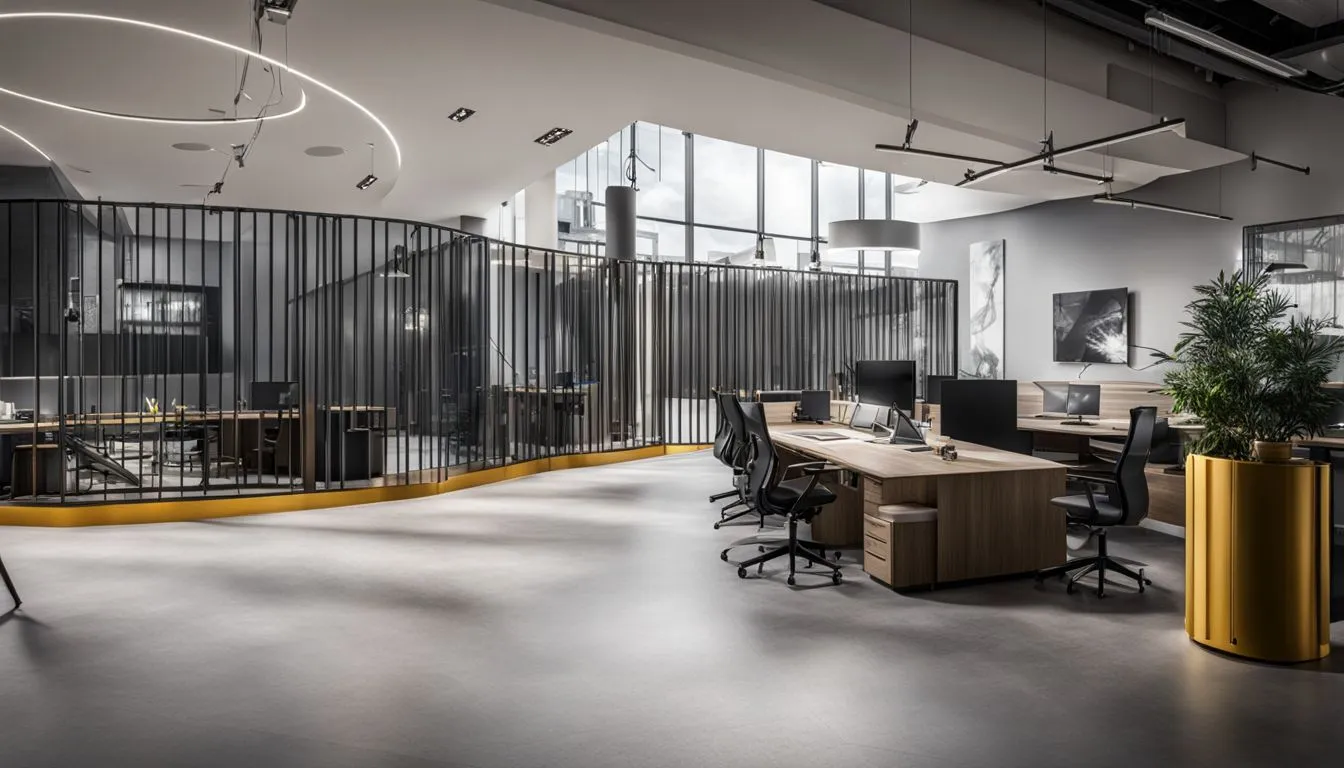
Creating safe environments can feel like a mammoth task, right? We know the feeling all too well – being on the hunt for answers and discovering that knowledge is key in tearing down those walls.
Our own journey has opened our eyes to ways of boosting understanding to cultivate safety everywhere you go – be it in the office or out in the great outdoors. Jump into it, you’ll find it’s quite the eye-opener!
The Role of Education in Addressing Inequities

Education addresses inequities by boosting critical awareness and social justice orientation. It enhances knowledge and skills to navigate socioeconomic barriers, ensuring safe learning environments for all.
The impact of socio-economic factors
Socio-economic factors play a big role in shaping the environments we live and work in. Income levels, employment status, education background, they all have a hand in determining how accessible safe spaces are to various communities.
For us business owners, understanding these dynamics can guide us towards creating more inclusive and secure settings for everyone involved.
Access to resources like quality healthcare services and educational opportunities often hinges on where one stands on the socio-economic ladder. This reality hits hard for folks dealing with barriers every day, from migratory families trying to find stable footing to individuals facing homelessness or living in foster care situations.
It’s up to us to amplify our knowledge around these issues, boosting efforts towards social justice by making safety and health top priorities across all walks of life.
Enhancing knowledge and skills

We believe in amplifying knowledge and skills to break down barriers in creating safe learning environments. By staying informed about global issues, we can foster critical awareness among our teams.
This approach helps us tackle socio-economic factors head-on, making way for social justice orientation in all aspects of our operations. Our commitment involves constant learning and adapting strategies that cater to diverse needs, ensuring every environment is secure.
Next, we dive into the challenges presented by accessing healthcare services, especially as they relate to Aboriginal Australians. Keeping an eye on these issues lets us stay proactive and responsive in promoting health and safety within communities.
Let’s explore how coordination and communication play pivotal roles here.
Barriers in Accessing Healthcare Services
Accessing healthcare services presents challenges for many, including Aboriginal Australians who often face obstacles in receiving adequate care and support. Coordination and communication play a crucial role in overcoming these hurdles to ensure equitable access to essential health services.
The experience of Aboriginal Australians
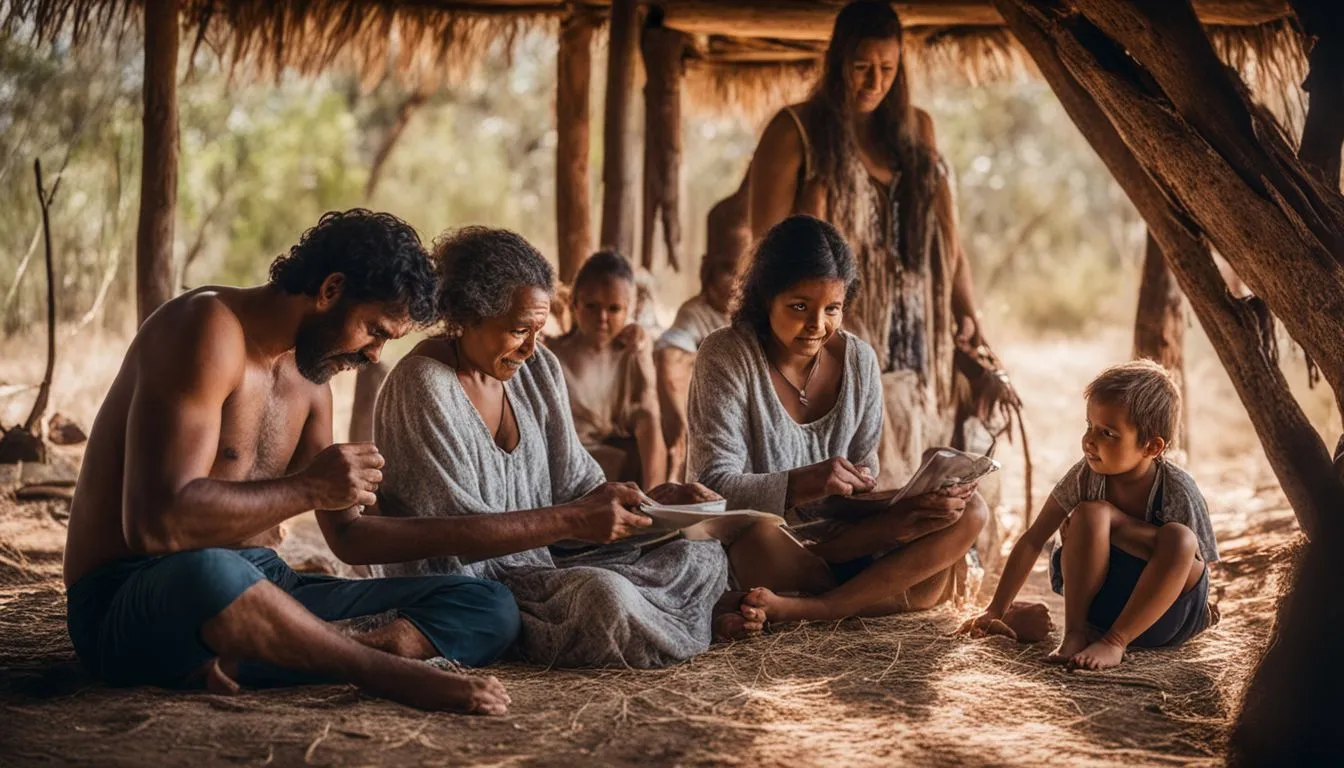
Aboriginal Australians face significant barriers in accessing healthcare services. We’re talking about more than just physical distance from facilities. It’s a complex tangle of socioeconomic factors, cultural misunderstandings, and historical mistrust.
They often feel overlooked or misunderstood by the very system supposed to protect them.
Our efforts aim to bridge this gap, making safe environments and quality healthcare accessible for all. It means listening closely, respecting traditional knowledge, and integrating their insights into how we design services.
This isn’t about ticking boxes; it’s ensuring every Australian has the chance at a healthy life, regardless of their postcode or heritage.
The role of coordination and communication
In our journey to create safer environments, we can’t overlook how crucial coordination and communication are. We’ve found that keeping everyone on the same page turns a good plan into a great one.
By sharing insights and updates in real time, we dodge misunderstandings that could throw a spanner in the works.
We make it our mission to talk clearly and listen actively. It’s like coordinating a dance where every step matters. This approach not only smoothes out potential bumps but also amplifies the impact of our shared knowledge on safety practices.
Through clear dialogue, we build stronger partnerships and more resilient communities ready to face challenges head-on.
Creating Safe Environments
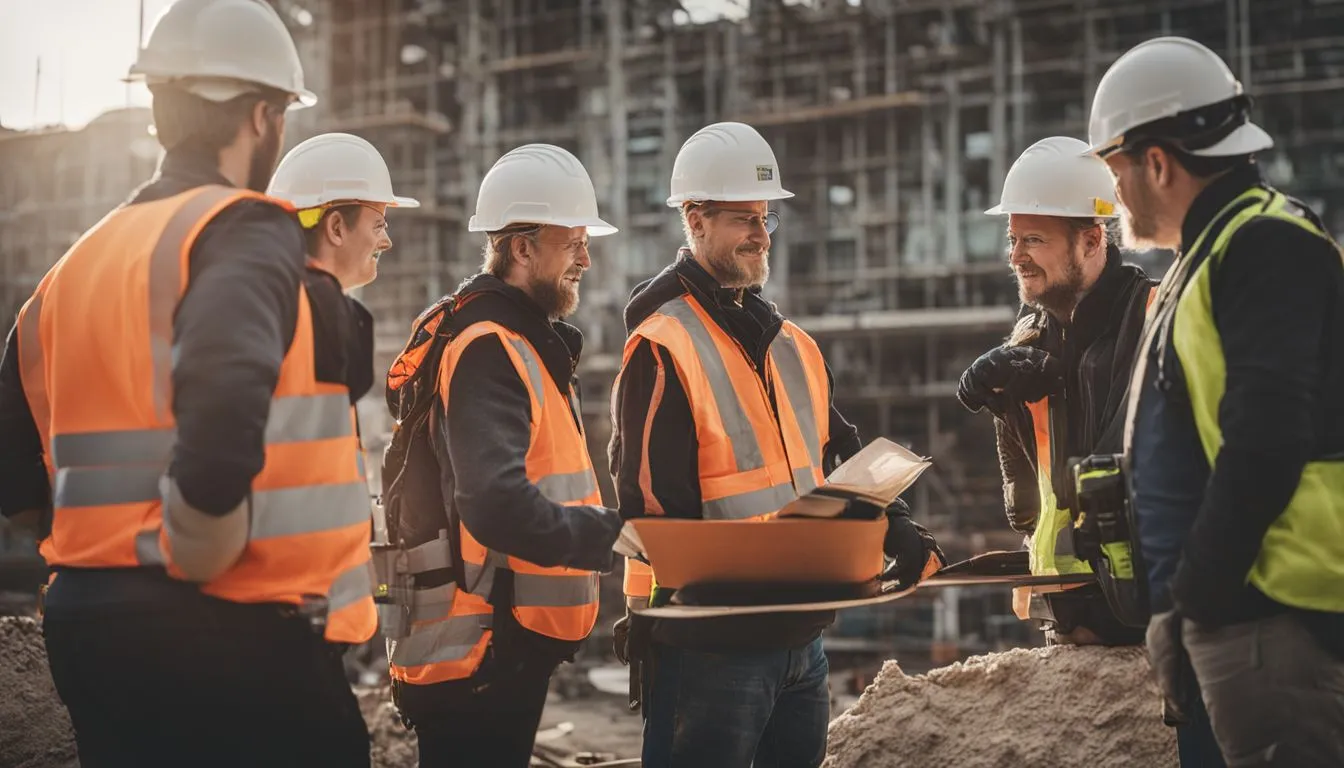
Customising safety measures is essential to address the diverse needs of different environments. Managing crowded places requires careful planning and coordination, especially when it comes to ensuring the safety of every individual present.
Customising Safety: Bespoke Barrier Solutions
In the bustling arena of business, ensuring a safe environment is not just another box to tick; it’s a crucial step in safeguarding our people and assets. We’ve learned that one size hardly fits all when crafting these secure spaces.
- Listen First, Act Second: Before jumping into solutions, we sit down with our team and really listen to what safety concerns they have. It’s about understanding the unique dynamics of each workplace.
- Safety Meets Style: We think outside the traditional barrier box and integrate safety features that blend seamlessly with the aesthetic of our workspace. Who says safety barriers can’t be eye-catching?
- Flexible Solutions for Dynamic Spaces: We opt for systems that can adapt as our business grows or changes direction. This flexibility ensures we’re always covered, no matter how our needs evolve.
- Empower Through Knowledge: Creating safe environments isn’t just about physical barriers; it’s also about arming our team with knowledge. We host workshops on occupational health and safety, transforming everyone into a safety ambassador.
- Technology at the Forefront: We leverage cutting-edge technologies like automated monitoring systems to keep an eye on things even when we can’t be everywhere at once.
- Regular Check-ups are Key: Like a car needs its service to run smoothly, we schedule regular audits of our safety measures to catch any potential risks before they become problems.
- Child and Family-Friendly Zones: Recognising that some of our team may need to bring their families into our spaces, we design specific areas that keep kids entertained and safe while parents work.
- Crowd Control with Dignity: Managing crowded places doesn’t mean herding people like cattle; it involves respectful, clear pathways that guide movement without causing panic or discomfort.
- Collaboration Is Our Lifeline: We regularly reach out to experts and peers in occupational health and safety for fresh insights and innovative practices.
Ensuring a safe environment is an ongoing journey, but by embracing creativity and collaboration, we make significant strides toward protecting what matters most.
Managing crowded places
After exploring how custom solutions can significantly improve safety, let’s shift our focus to managing crowded places. Crowded areas pose unique challenges but fear not; we’ve got some strategies up our sleeves.
- First and foremost, conduct a risk assessment. Identify potential hazards that could occur in crowded settings. This step is vital for crafting a solid plan.
- Utilise crowd control barriers effectively. These tools are not just physical blocks but guides that lead the way to safety and order.
- Train your staff well. Employees should know how to manage crowds, respond to emergencies, and communicate clearly with each other and the patrons.
- Implement clear signage. Signs can direct flow, indicate exits, and provide crucial information during unexpected situations.
- Monitor entrance and exit points closely. Keeping an eye on these can help prevent bottlenecks and ensure a smooth flow of people.
- Make use of technology. From counting systems that monitor capacity to apps that provide real-time updates, tech solutions can be a game-changer in crowd management.
- Collaborate with local authorities when planning large events. They can provide support, guidance, and additional resources to help everything go smoothly.
- Keep communication channels open with attendees through various means like social media updates or loudspeaker announcements.
Together, we possess the knowledge and resources necessary for creating safe environments in heavily populated spaces, a commitment to safety echoed across every aspect of our operation
Collaboration and resources for child and family safety

We’re here to tell you that joining hands and pooling resources can work wonders for child and family safety. It’s a proven way to protect the most vulnerable in our communities.
- Form partnerships with local schools – Schools are more than just buildings where kids learn to read and write. They’re community hubs where families access various services. Teaming up with them can help us spread awareness about safety measures and support systems available for children and families.
- Engage with child welfare organisations – These groups have their fingers on the pulse of what kids and families need most. Collaborating allows us to design strategies that address those needs directly, ensuring no one is left behind.
- Utilise technology for wider reach – Apps and websites aren’t just for streaming videos or online shopping. They’re powerful tools we can use to share information about staying safe, recognising risks, and finding help when needed.
- Provide training sessions on safety protocols – Knowledge is power, but only if it’s applied correctly. By offering workshops or seminars, we equip parents, teachers, and community members with the skills they need to create safer environments for everyone.
- Create forums for sharing experiences – Sometimes, listening to someone else’s story can be a game-changer in understanding our own situations better. Organising events where people share their journeys towards maintaining family safety can inspire others to take action.
- Support migratory and foster families explicitly – These groups often face unique challenges concerning stability and security. Specialised programmes ensure they receive the targeted assistance necessary for safeguarding their well-being.
- Collaborate on funding opportunities – Money talks, as they say. Pooling resources from different sectors means more extensive outreach programmes, better technology for risk management, and comprehensive support structures for those in need.
- Promote a culture of responsibility amongst businesses – Encouraging other businesses to take an active role in enhancing community safety isn’t just good karma; it’s smart networking. Together, we have a stronger voice in advocating for policies that protect children and support families facing socio-economic barriers.
Let’s leverage our collective strengths because teamwork makes the dream work, especially when it comes to creating safe spaces for kids and their families.
Conclusion
In wrapping up, we’ve explored key insights into creating safe environments by addressing education inequities and barriers in accessing healthcare services. The strategies provided are practical, efficient and can lead to significant improvements in the safety realm.
By amplifying knowledge and enhancing critical awareness, these approaches hold great potential for fostering social justice orientation. To delve deeper into this topic, consider exploring additional resources or seeking further guidance on occupational health and safety practices.
Remember, taking proactive steps towards safer environments is not only crucial but also achievable through collaboration and tailored solutions.
For more detailed insights on creating tailored safety measures, visit our guide to bespoke barrier solutions.