
28 January 2024 · filed in Safety Update
Barrier Maintenance: Ensuring Persistent Workplace Safety
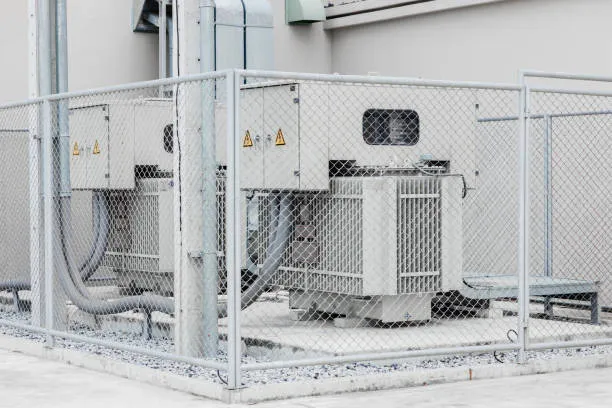
Workplace tumbles and mishaps can come out of the blue, leaving businesses and their hardworking teams to deal with some pretty rough outcomes. It’s close to our hearts because we’ve witnessed the impact; just think about it, over 100,000 serious workers’ compensation claims were submitted in Australia last year alone. Our crew has been up to their elbows in research on top-notch barrier maintenance strategies that help keep those numbers from climbing any higher. This yarn is all about sharing tried-and-true techniques for beefing up safety and keeping your mates reassured on the job, because let’s face it, stopping an accident before it happens is always the way to go.
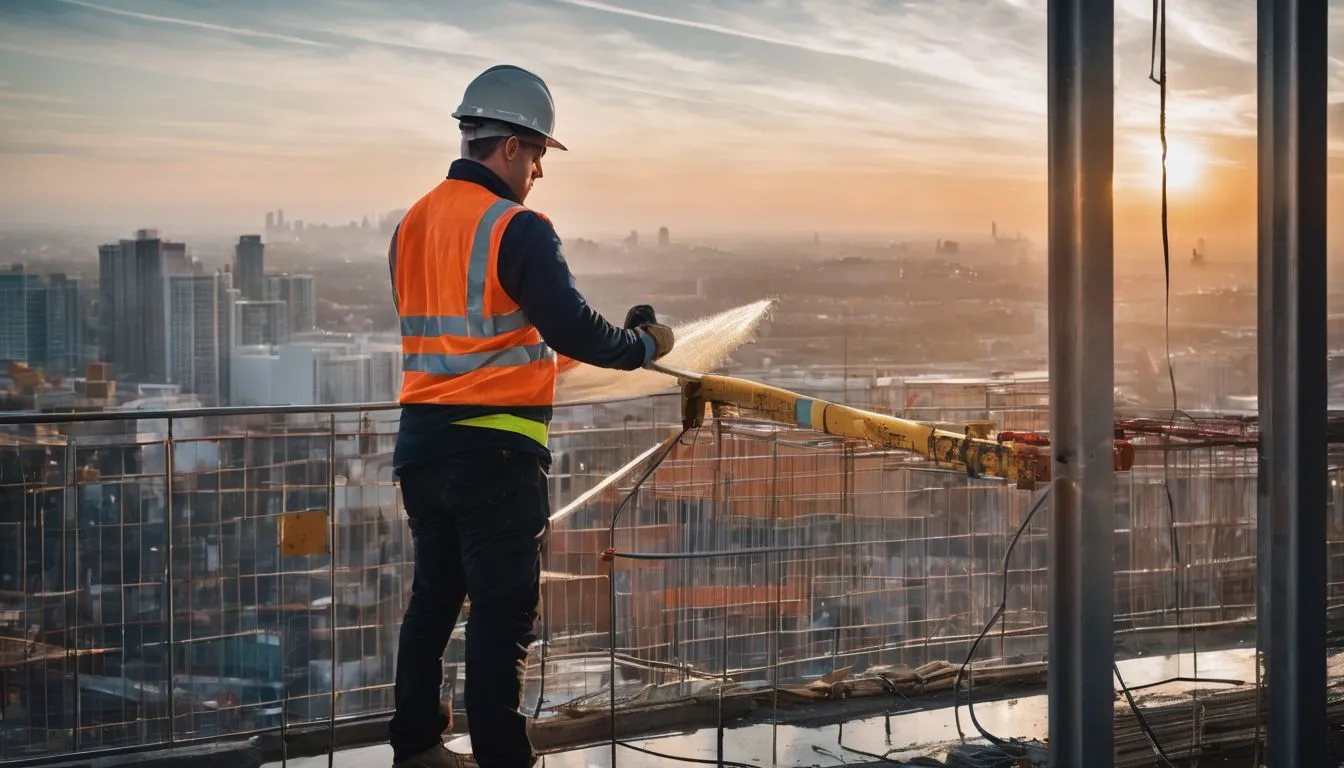
The Importance of Safety Barriers in the Workplace
Safety barriers in the workplace play a crucial role in preventing injuries, complying with WHS laws, and reducing workers\’ compensation claims. They provide protection for employees and visitors alike.
Preventing workplace injuries
We prioritise preventing workplace injuries by diligently maintaining our safety barriers. By ensuring these vital protections are in top condition, we keep our employees safe and prevent accidents like slips, trips, and falls.
It’s crucial to regularly inspect physical barriers that separate work zones from pedestrian areas and to secure hazardous zones where risks of injury are higher.
Our team commits to strict hazard management protocols for every task, particularly when it involves working at heights or moving around site vehicles. Barrier maintenance becomes a key part of our daily routine check-ups which goes hand in hand with occupational health practices.
This not only fosters a safer environment but also aligns us with workplace safety standards and regulations essential for business operation.
Complying with WHS laws
To ensure workplace safety, we comply with HSE laws by conducting regular risk assessments and implementing appropriate safety measures. Our team prioritises routine checkups and maintenance to address any potential hazards promptly.
By adhering to work zone safety regulations and protective barriers, we mitigate the risk of accidents and injuries, creating a secure environment for all employees.
We actively engage in workplace amenities’ upkeep, addressing wear and tear on safety barriers to prevent potential fall hazards. By complying with HSE laws, we uphold occupational safety protocols while reducing the risk of incidents within the facility.
Reducing workers’ compensation claims
To reduce workers’ compensation claims, we regularly inspect and maintain safety barriers. This proactive approach prevents workplace accidents, leading to fewer injury-related claims.
By addressing wear and tear promptly and keeping barriers in optimal condition, we minimise the risk of incidents occurring.
Regular maintenance ensures that safety barriers remain effective in preventing injuries. Our commitment to barrier upkeep not only safeguards our workforce but also minimises the impact on our business operations due to reduced compensation claims.
Types of Safety Barriers and Their Applications
Safety barriers come in various forms and serve different purposes in the workplace. From physical barriers for traffic management and protection, to non-physical barriers for hazardous areas and construction sites, each type plays a crucial role in maintaining safety and reducing potential risks.
Physical barriers for traffic management and protection
Physical barriers are crucial for managing traffic and ensuring the safety of both workers and visitors within a workplace. These barriers, such as guardrails, bollards, and barricades, help in directing the flow of vehicular and pedestrian traffic to prevent accidents or collisions.
By strategically placing these barriers, businesses can establish designated routes for vehicles and pedestrians while protecting work areas from potential hazards.
Installing physical barriers not only ensures compliance with HSE laws but also reduces the risk of workplace injuries due to vehicle-related accidents. Businesses can effectively manage work zone traffic flow by implementing durable physical barriers that provide clear guidance while withstanding impact to maintain a safe working environment for all.
Non-physical barriers for hazardous areas and construction sites
Non-physical barriers are essential for managing hazardous areas and construction sites. Implementing clear signage, floor markings, and warning lights plays a crucial role in guiding workers away from potential dangers.
This helps minimise the risk of accidents and ensures compliance with working at heights regulations and hazard prevention measures.
Additionally, effective communication systems and access control measures provide another layer of non-physical barriers to keep unauthorised personnel out of restricted zones. By implementing these non-physical barriers, businesses can effectively manage risks, enhance workplace safety, and prevent potential hazards before they occur.
Natural barriers for landscaping and noise control
Natural barriers such as hedges, shrubs, and trees provide an effective way to enhance the aesthetics of your workplace while also serving as a means of noise control. By strategically planting natural barriers around the perimeter of your facility or along roadsides, you can create a more visually appealing environment for employees and visitors.
These green buffers not only beautify the surroundings but also act as sound insulators, helping to minimise unwanted external noises from impacting work activities within the premises.
Strategically placing dense vegetation in key areas can help absorb and block out high levels of sound from nearby traffic or construction activities. Additionally, these natural barriers contribute to a healthier workplace environment by reducing dust particles and air pollution.
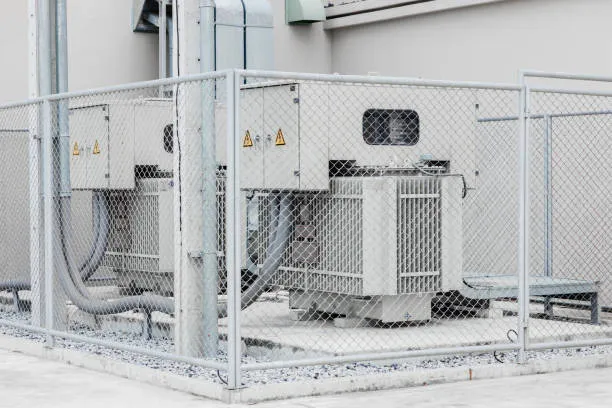
Design Principles for Effective Safety Barriers
We will discuss the importance of visibility, durability and flexibility when it comes to designing effective safety barriers. To learn more about how these principles can enhance workplace safety, continue reading our blog!
Visibility for clear warning and guidance
Ensure safety barriers are highly visible to provide clear warning and guidance to workers and visitors. Maintaining high visibility helps in preventing accidents by making hazards and restricted areas easily identifiable.
Regularly checking for any obstructions or wear that may diminish visibility is crucial for the ongoing effectiveness of safety barriers, promoting a safer work environment.
Great emphasis should be placed on ensuring that all safety barriers remain clearly visible, especially in high-traffic areas or where potential hazards exist. Regular cleaning, repainting, or replacing of worn-out reflective tape will contribute significantly to maintaining visibility and enhancing overall safety around workplace facilities.
Durability and strength for long-term protection
To ensure long-term protection and durability, safety barriers should be constructed using robust materials that can withstand impact and environmental factors. Regular maintenance is also crucial to address any wear and tear, ensuring the continued strength of the barriers.
Upgrading or replacing worn-out components is essential for maintaining the integrity of the barrier system, providing ongoing protection for your work zone or facility.
It’s important to invest in safety barriers made from high-quality materials such as steel or reinforced plastic which are designed to resist damage over time. These durable barriers offer lasting protection against workplace hazards, ensuring the safety of your employees and visitors while minimising potential risks and liabilities related to workplace accidents.
Flexibility and adaptability for varying environments
Safety barriers should be designed with flexibility and adaptability to suit different workplace environments. This means considering factors such as weather, terrain, and specific operational needs when selecting and installing barriers.
Flexibility allows for adjustments as the environment changes, ensuring ongoing safety and protection for both workers and property.
Adaptability is crucial as it enables barriers to be effective in various settings, from indoor facilities to outdoor construction sites. By prioritising flexibility and adaptability in barrier design, businesses can address diverse workplace requirements while maintaining a consistent level of safety across different environments.
Maintenance and Inspection of Safety Barriers
Regular maintenance and inspection of safety barriers is crucial in ensuring their effectiveness. By addressing wear and tear, conducting check-ups, and making necessary upgrades or replacements, we can sustain a safe work environment for our employees.
Regular check-ups and reporting
Regularly checking and reporting on safety barriers is essential for maintaining a safe workplace. We conduct routine inspections to identify any signs of wear and tear, ensuring that the barriers remain effective in preventing workplace injuries.
These check-ups also allow us to address any maintenance issues promptly, minimising the risk of accidents and preserving the integrity of our barrier systems.
Our proactive approach to regular check-ups and reporting enables us to uphold facility protection standards and stay compliant with HSE laws. By prioritising barrier maintenance, we actively reduce workers’ compensation claims while managing risk efficiently.
Addressing wear and tear
After regular check-ups and reporting, it is crucial to address wear and tear on safety barriers promptly. This ensures that the barriers remain effective in providing a safe workplace environment.
Regularly inspecting for damages such as dents, cracks, or rust helps identify areas needing immediate attention. Timely repairs or replacements are essential to uphold the barriers’ integrity and prevent potential accidents.
Furthermore, engaging qualified professionals for routine maintenance can extend the lifespan of safety barriers while reducing long-term costs associated with frequent replacements.
Upgrades and replacements
Inspecting safety barriers is crucial for identifying signs of wear and tear. Regular assessments help determine the need for upgrades or replacements, ensuring optimal workplace safety.
When upgrading, consider modern materials and designs that offer enhanced durability and functionality. Replacements should be promptly carried out for damaged barriers to maintain a secure work environment.
Regular maintenance ensures that safety barriers are effective in preventing workplace injuries. Businesses must schedule routine check-ups for barrier assessment, allowing timely replacement or upgrade when needed.
Future of Safety Barriers: Innovations and Trends
As technology continues to advance, smart barrier systems are becoming more popular for enhancing workplace safety and efficiency. Additionally, there is a growing trend towards using environmentally friendly materials for sustainable barrier solutions.
Smart barrier systems for enhanced safety and efficiency
Smart barrier systems use advanced technology to provide a proactive approach to workplace safety. These systems can detect potential hazards in real-time, alerting workers and preventing accidents before they occur.
By integrating sensors and automated responses, smart barriers enhance efficiency by minimising downtime caused by incidents and improving overall productivity.
Employing smart barrier systems not only demonstrates a commitment to employee safety but also contributes to cost savings through reduced injury-related expenses. With the ability to adapt to changing conditions and communicate vital information, these innovative solutions are invaluable assets for businesses striving for continuous improvement in workplace safety and operational efficiency.
Environmentally friendly materials for sustainable solutions
When choosing safety barriers for your workplace, consider environmentally friendly materials for sustainable solutions. Opting for eco-friendly options not only demonstrates corporate responsibility but also contributes to a healthier and greener environment.
Utilising sustainable materials such as recycled plastic, bamboo, or metal that can be easily repurposed or recycled at the end of their lifecycle is essential in reducing your business’s carbon footprint while maintaining workplace safety.
By incorporating these sustainable solutions into your barrier maintenance strategy, you can align with environmental best practices and promote an eco-conscious work environment.
Incorporating environmentally friendly materials into our safety barriers is crucial for supporting sustainability efforts. Replacing traditional barrier components with recyclable alternatives not only enhances workplace safety but also minimises waste and conserves natural resources.
Combining aesthetics with safety for a more visually appealing workplace
We integrate modern, sleek safety barriers that enhance the overall look of our workspaces while efficiently protecting employees. These aesthetically pleasing barriers seamlessly blend with our workplace environment, creating a visually appealing and safe setting for all.
Our focus on aesthetics doesn’t compromise safety; it elevates it.
Our commitment to combining aesthetics with safety ensures that our workplace not only adheres to regulatory standards but also fosters a positive and inviting atmosphere. It’s imperative for us as business owners to prioritise both the visual appeal and safety of our workplaces, as they play a vital role in employee satisfaction and productivity.
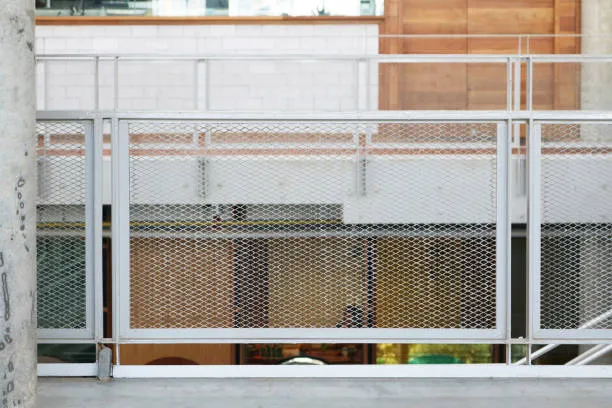
Conclusion
Maintaining safety barriers in the workplace is essential for preventing injuries and ensuring compliance with HSE laws. Regular maintenance and inspection of safety barriers are practical steps that can lead to significant improvements in risk management and fall prevention. By addressing wear and tear promptly, businesses can efficiently minimise workplace hazards and reduce workers’ compensation claims. Business owners should consider investing resources into upgrades or replacements as part of their commitment to persistent workplace safety. Let’s take proactive steps to create a safe work environment for all employees by prioritising barrier maintenance.