
23 August 2024 · filed in Safety Barriers Sydney
Barrier Solutions in Warehousing
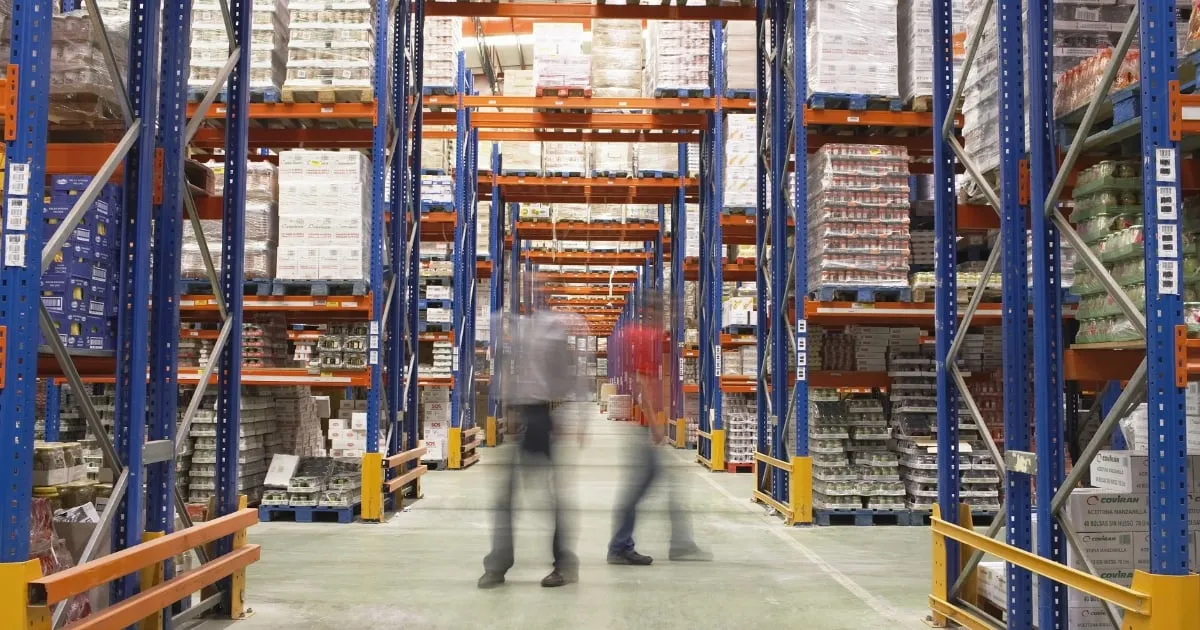
In warehousing, barrier solutions play a critical role in achieving both, ensuring that operations run smoothly while minimising risks. This article explores various barrier solutions tailored for warehousing environments, highlighting their importance and benefits.
The Importance of Barriers in Warehousing
Warehouses are high-traffic areas where goods are constantly moved and handled. Barriers are essential in these environments to manage the flow of traffic, protect valuable assets, and ensure the safety of workers. They help delineate zones, prevent accidents, and create a structured layout that supports efficient operations.
Traffic Management Barriers
Effective traffic management is crucial in warehouses where forklifts, pallet jacks, and other vehicles are in constant motion. Traffic management barriers are designed to direct vehicle flow, prevent collisions, and separate pedestrian and vehicle pathways. These barriers help maintain order and reduce the risk of accidents between moving machinery and workers.
Rack Protection Barriers
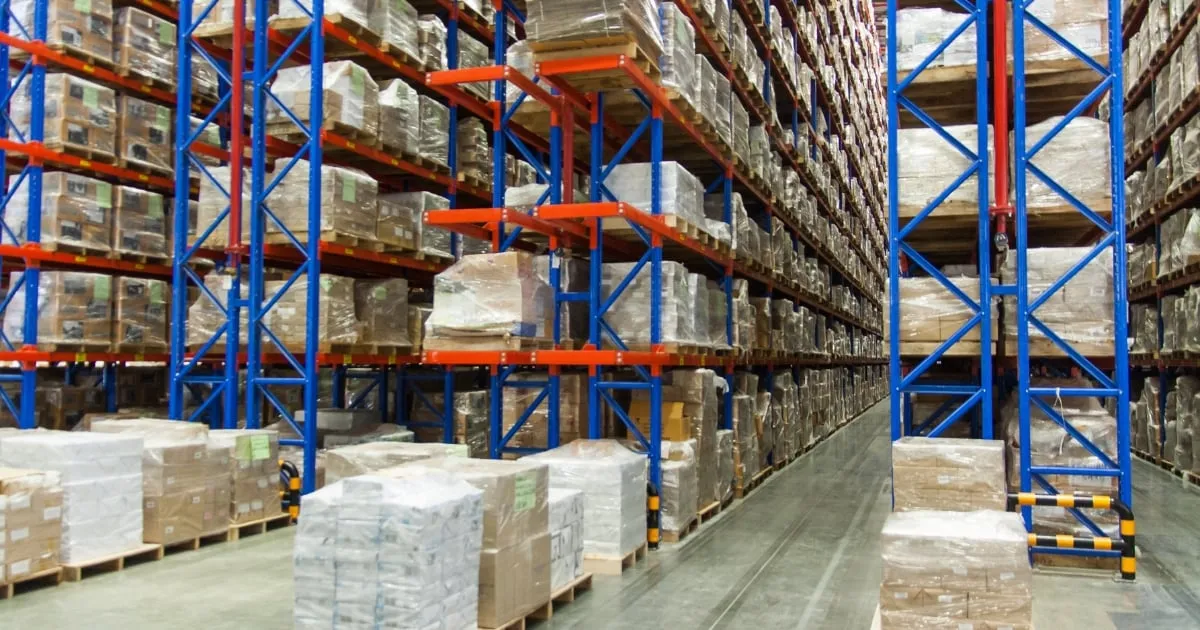
Warehouse racks are essential for storing goods, but they are also susceptible to damage from forklifts and other equipment. Rack protection barriers are installed around shelving units to shield them from accidental impacts. These barriers help prevent costly damage to both the racks and the stored inventory, ensuring that goods remain safe and accessible.
Pedestrian Safety Barriers
With workers and vehicles sharing the same space, pedestrian safety is a top priority. Pedestrian safety barriers are used to create clear walking paths and protected zones for workers. These barriers are often placed in high-traffic areas to guide pedestrians safely away from moving vehicles and equipment, reducing the risk of accidents.
Impact-Resistant Barriers
Warehouses often face challenges with equipment and vehicle impacts. Impact-resistant barriers are designed to absorb and dissipate the force of collisions, protecting both the structure and the workers. These barriers are particularly useful in areas prone to frequent impacts, such as loading docks and storage areas.
Fire Safety Barriers
Fire safety is a critical concern in any warehouse. Fire safety barriers are used to compartmentalize areas, prevent the spread of flames, and protect emergency exits. These barriers help maintain clear evacuation routes and ensure that fire protection systems, such as sprinklers, operate effectively.
Modular Barrier Systems
Modular barrier systems offer flexibility and adaptability in warehousing environments. These systems can be easily reconfigured to accommodate changing needs, such as new equipment or shifting storage layouts. Modular barriers are an excellent solution for warehouses that experience frequent changes in their operations or layout.
High Visibility Barriers
Visibility is key in preventing accidents and ensuring smooth operations. High visibility barriers are designed with bright colours and reflective materials to stand out in the warehouse environment. These barriers help draw attention to hazardous areas and important zones, making it easier for workers and drivers to navigate safely.
Docking and Loading Barriers
Loading docks are critical points of operation in warehouses, but they also present specific risks. Docking and loading barriers help manage the flow of goods, prevent accidents during loading and unloading, and protect both workers and vehicles. These barriers often include features like adjustable height and automatic activation to enhance safety.
The Role of Maintenance in Barrier Effectiveness
Regular maintenance is essential to ensure that barriers remain effective. Over time, barriers can wear out, become damaged, or lose their visibility. Routine inspections and upkeep help identify and address issues before they become serious problems, ensuring that barriers continue to perform their protective functions.
Barriers as Key to Warehouse Efficiency
Barrier solutions in warehousing are more than just physical structures; they are vital components that contribute to overall efficiency and safety. By effectively managing traffic, protecting assets, and ensuring worker safety, barriers help create a well-organised and secure warehouse environment. Embracing these solutions not only enhances operational efficiency but also fosters a safer workplace for everyone involved.