
18 February 2024 · filed in Safety Update
Barrier Solutions to Enhance Your Freight and Logistics Operations

Navigating the flow of goods can sometimes feel like you’re up against a never-ending tide of hiccups. You’re not alone, mate, did you know that nearly 60% of businesses are in the same boat, battling supply chain snags? We’ve taken a proper squiz at barrier-busting strategies and we’re keen to share some fair dinkum tips to help your operations run smoother than a well-oiled machine. Let’s have a yarn about transforming those logistic headaches into opportunities for growth.
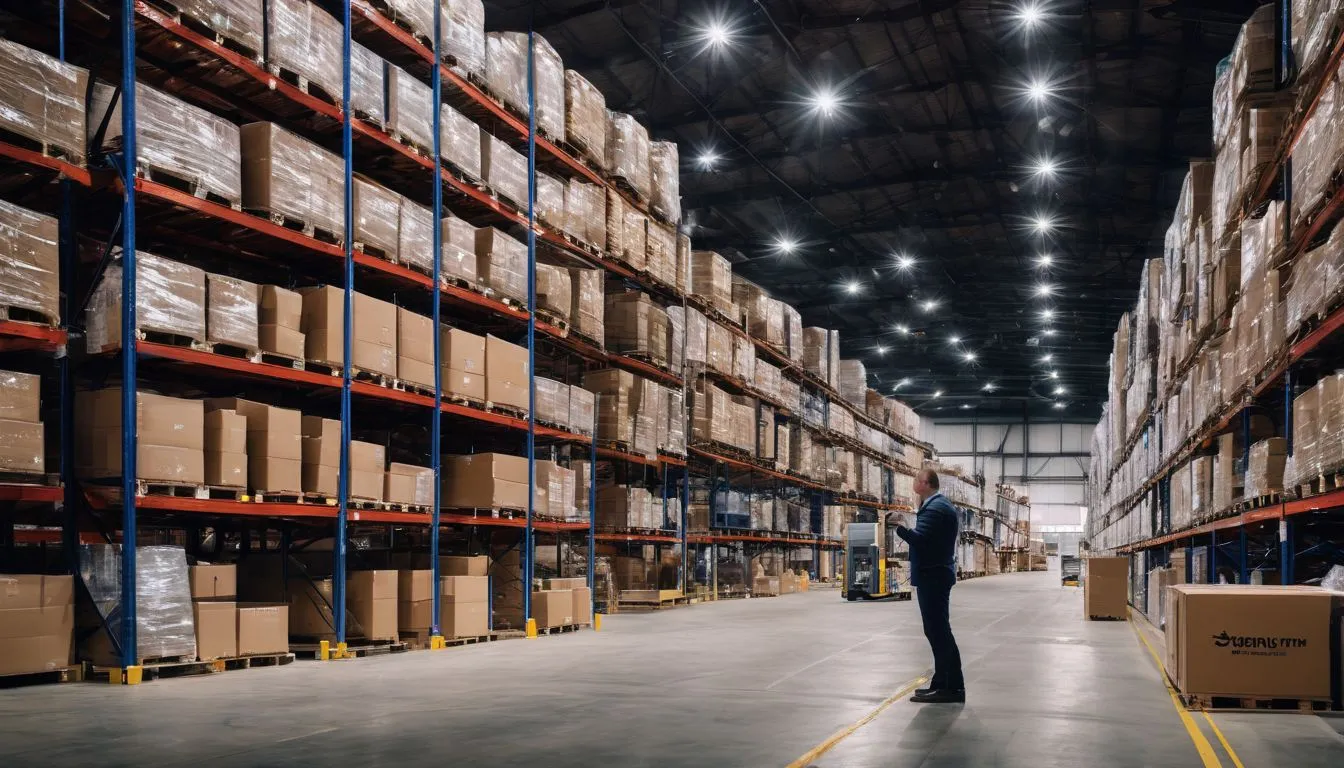
Common Barriers in Freight and Logistics Operations
Inefficient resources, lack of shipping experience and expertise, no benefit in changing providers, incompetent IT solutions/support, cultural fit concerns, and security and intellectual property concerns are some of the common barriers faced in freight and logistics operations.
These challenges can hinder smooth operations and impact the overall efficiency of supply chain management.
Inefficient resources
We often see resources being misused or underutilised in freight and logistics operations. It’s crucial to identify machines, systems, or personnel that aren’t performing to their full potential.
By doing so, we can refine our processes and improve efficiency across the supply chain. Resources that don’t meet industry demands can drag down our entire operation, leading to delays, increased costs, and customer dissatisfaction.
Ensuring every aspect of our operation is running smoothly involves regular evaluation and optimisation of all resources at hand. This includes reassigning tasks to appropriate team members and upgrading outdated equipment or technology platforms.
As we streamline these elements within our freight management system, it allows us to handle cargo more effectively and boost overall transportation efficiency, vital steps for staying competitive in today’s dynamic market.
Lack of shipping experience and expertise
To address the lack of shipping experience and expertise, investing in employee training and development is crucial. This entails providing relevant workshops, courses, and on-the-job coaching to ensure that your team has a deep understanding of logistics operations.
Furthermore, establishing partnerships with experienced industry professionals can provide invaluable mentorship opportunities for team members to gain practical insights.
Utilising technology solutions is also imperative to compensate for the lack of shipping experience. Implementing advanced tracking systems and innovative software can help streamline freight processes while enhancing visibility and control over shipments.
No benefit in changing providers
Switching service providers can be time-consuming and may not necessarily bring the desired improvements to your logistics operations. Assessing current provider capabilities and addressing any issues is often more beneficial than undergoing the transition process.
Evaluating potential risks of changing providers against expected benefits is crucial in making an informed decision.
Analysing our existing provider’s performance before considering a change ensures that we understand the specific challenges we’re trying to address. This approach helps us focus on improving areas that are critical to our supply chain, without unnecessary disruptions or costs associated with transitioning to a new provider.
Incompetent IT solutions/support
When dealing with incompetent IT solutions and support, it hinders the smooth functioning of your freight and logistics operations. This can lead to data errors, delays in tracking shipments, and difficulties in managing inventory levels.
Addressing this barrier is crucial for enhancing supply chain efficiency and ensuring seamless transportation operations. By investing in reliable IT solutions and seeking professional support, you can streamline your processes, improve global shipment visibility, enhance cargo handling efficiency, and ultimately boost the overall performance of your logistics operations.
Switching to competent IT solutions will ensure that you have robust systems in place to handle various aspects of your freight and logistics operations. With a strong technical foundation, your business can adapt quickly to industry changes, comply with security regulations more effectively, facilitate smoother communication between parties involved in transportation processes while also promoting green logistics practices as part of sustainable operation initiatives.
Cultural fit concerns
After addressing the challenges related to incompetent IT solutions and support, business owners must also consider cultural fit concerns when dealing with freight and logistics operations.
It’s essential to ensure that your partners, suppliers, and service providers align with your company’s values, work ethic, and overall business culture. Cultural misalignment can lead to communication breakdowns and inefficiencies in operations, ultimately affecting customer satisfaction and brand reputation.
Business owners should seek out partners who are culturally compatible with their organisation, fostering a collaborative environment for smoother interactions. Understanding each other’s cultural nuances facilitates better teamwork, problem-solving, and decision-making processes within the supply chain network.
Security and intellectual property concerns
To address security and intellectual property concerns, we implement strict access controls and data encryption measures. We regularly update our IT systems to safeguard sensitive information from potential breaches.
By partnering with trusted third-party logistics providers, we ensure secure handling of freight and protect intellectual property during transit.
We conduct regular audits to identify vulnerabilities in our supply chain operations and take proactive steps to mitigate any risks. Our staff undergo comprehensive training on data security protocols to uphold the confidentiality of proprietary information.
Solutions to Overcome Freight and Logistics Barriers
To overcome the barriers in freight and logistics operations, it is essential to build strong partnerships with reliable suppliers and invest in backup suppliers as a contingency plan.
Additionally, increasing inventory levels can help mitigate disruptions while utilising technology solutions can enhance visibility and efficiency in your supply chain.
Building strong partnerships
- Collaborating closely with reliable suppliers and carriers to ensure a smooth flow of goods and materials.
- Establishing long – term relationships with key partners to gain valuable insights and promote seamless communication.
- Integrating with reputable logistics service providers to leverage their expertise and network for enhanced transportation efficiency.
- Engaging in strategic alliances with industry peers to share best practices and resources, fostering mutual growth and success.
- Cultivating strong ties with local authorities and regulatory bodies to facilitate compliance and access necessary support for operational improvements.
- Forming partnerships with technology vendors for innovative solutions that align with sustainability goals and future logistics challenges.
- Forging alliances with community organisations to contribute positively to the local economy and build a robust support network for business continuity.
- Developing collaborative initiatives with academic institutions or research bodies to stay ahead of the curve in adopting cutting-edge practices and technologies.
Investing in backup suppliers
- Diversify your supplier base across different regions or countries to minimise the impact of localised disruptions.
- Establish strong relationships with backup suppliers to ensure timely and reliable access to additional resources when needed.
- Conduct thorough assessments of potential backup suppliers to guarantee their capability and reliability as alternate partners.
- Implement clear communication channels with backup suppliers to ensure seamless coordination during transitions.
- Continuously monitor and evaluate the performance of backup suppliers to maintain a high level of preparedness for any supply chain challenges.
Increasing inventory levels
To further strengthen your freight and logistics operations, increasing inventory levels is a crucial step in ensuring smoother operations and customer satisfaction. Here are some ways to achieve this:
- Diversifying your product range to maintain higher stock levels of essential items.
- Implementing demand forecasting tools to accurately predict inventory needs.
- Utilising efficient storage solutions to accommodate increased inventory without compromising space or accessibility.
- Establishing effective communication channels with suppliers to streamline the procurement process and prevent stock shortages.
- Investing in advanced inventory management software to track stock levels, reduce manual errors, and automate reordering processes.
- Conducting regular audits to identify slow – moving or obsolete stock and take necessary action to optimise inventory turnover.
- Collaborating with logistics partners for timely delivery of additional inventory when needed.
Utilising technology solutions
To enhance freight and logistics operations, utilising technology solutions is crucial. Here are some key ways to leverage technology for overcoming barriers and streamlining operations:
- Implementing advanced transportation management software allows for real-time tracking and visibility of shipments, enabling better decision-making and improved customer service.
- Utilising automated warehouse management systems can enhance inventory control, reduce errors, and improve overall operational efficiency.
- Employing data analytics tools provides valuable insights into supply chain performance, helping in making informed strategic decisions and identifying areas for improvement.
- Introducing IoT – enabled devices and sensors in transportation vehicles and warehouses enables proactive maintenance, optimises routes, and enhances safety measures.
- Embracing cloud – based platforms facilitates seamless collaboration with partners, suppliers, and customers, promoting efficient communication and information sharing.
Partnering with local organisations
After utilising technology solutions to enhance efficiency, now we move onto the next strategy: partnering with local organisations. This can help in fostering strong community ties and maximising logistical support.
- Building relationships with local businesses helps in gaining access to valuable resources, information, and expertise relevant to the specific region or market.
- Collaborating with local suppliers can result in reduced transportation costs, faster delivery times, and improved customer satisfaction due to proximity.
- Engaging with community organisations can aid in understanding the cultural nuances and local regulations, thus ensuring smooth operations and compliance.
- Partnering with local authorities and agencies can enable access to incentives or grants for sustainable practices and infrastructure development.
- Aligning with regional industry players can lead to knowledge sharing, leveraging best practices, and even potential joint ventures or partnerships for mutual growth.
- Participating in local events, sponsorships, or community initiatives not only enhances brand visibility but also establishes a positive corporate image within the region.
Prioritising employee training and development
Prioritising employee training and development is crucial to enhancing freight and logistics operations. It equips staff with the necessary skills and knowledge to overcome industry challenges and contribute to the company’s growth. Here are some key strategies for prioritising employee training and development:
- Implement regular training programs that focus on industry – specific skills such as supply chain management, inventory control, and customer service.
- Invest in leadership development to cultivate a strong managerial team capable of effectively leading logistics operations.
- Provide ongoing education on the latest technology solutions for transportation management and freight tracking.
- Offer cross – training opportunities to allow employees to gain expertise in multiple areas of freight and logistics operations.
- Establish performance metrics tied to training outcomes, ensuring that employees apply their newly acquired knowledge effectively.
- Encourage continuous learning through mentorship programs and industry networking events.
- Foster a culture of professional development by providing support for further education or certification in relevant logistics disciplines.

Addressing Environmental and Sustainability Barriers
Implementing green logistics practices, investing in sustainable infrastructure, and complying with environmental regulations are crucial for overcoming environmental and sustainability barriers in freight and logistics operations.
Learn more about how to address these challenges and enhance your operations by reading the full blog.
Promoting green logistics
To promote green logistics, consider these sustainable practices:
- Embracing renewable energy sources to power transportation and warehousing facilities.
- Implementing eco – friendly packaging solutions to reduce waste and environmental impact.
- Optimising transportation routes to minimise fuel consumption and emissions.
- Collaborating with suppliers who adhere to sustainable production and shipping methods.
- Educating employees on the importance of sustainable practices in freight and logistics operations.
- Investing in technology for real – time monitoring of emissions and environmental impact.
Investing in sustainable infrastructure
- Implementing energy – efficient warehouse facilities to reduce carbon footprint and operational costs.
- Utilising eco – friendly transportation vehicles to lower emissions and align with green logistics initiatives.
- Incorporating renewable energy sources such as solar panels to power distribution centres and reduce reliance on non-renewable energy.
- Adopting sustainable packaging materials and practices to minimise waste and environmental impact.
- Upgrading to smart technology for efficient energy management, reducing resource consumption across the supply chain.
- Collaborating with local governments and organisations to access incentives or grants that support sustainable infrastructure development.
Complying with environmental regulations
- Conduct regular environmental impact assessments to identify areas for improvement and ensure adherence to regulations.
- Invest in sustainable practices such as reducing carbon emissions and minimising waste generation.
- Ensure that transportation vehicles meet emission standards and explore alternative fuel options to reduce the carbon footprint.
- Collaborate with regulatory bodies and industry associations to stay updated on the latest environmental requirements.
- Train employees on eco – friendly practices and create a culture of environmental responsibility within the organisation.
- Implement tracking systems to monitor energy consumption, waste disposal, and greenhouse gas emissions.
Strategic Planning for Successful Operations
Enhancing business processes, managing transportation costs, and streamlining logistics management are key elements in strategic planning for successful freight and logistics operations.
By addressing workforce management challenges, businesses can ensure a smooth and efficient supply chain process.
Enhancing business processes
- Implement lean management strategies to streamline operations and eliminate waste.
- Utilise data analytics to identify bottlenecks and improve efficiency.
- Automate repetitive tasks to free up time for strategic planning and problem – solving.
- Foster a culture of continuous improvement to adapt to changing market demands.
- Invest in training and development programmes to empower employees with the skills needed for success.
Managing transportation costs
To manage transportation costs effectively, we must:
- Evaluate current transportation expenses and identify cost – saving opportunities.
- Negotiate favourable terms with transportation providers to secure competitive rates and minimise expenditure.
- Leverage technology solutions such as route optimisation software to streamline delivery routes and reduce fuel consumption.
- Implement sustainable transportation practices to lower environmental impact and potentially qualify for financial incentives or grants.
- Regularly review and adjust transportation strategies to adapt to market fluctuations, regulatory changes, and emerging industry trends.
- Collaborate with suppliers and partners to explore bulk shipping discounts and consolidate shipments for greater efficiency.
Streamlining logistics management
- Automating routine tasks to reduce manual errors and save time.
- Implementing a centralised system to track inventory and shipments in real-time, improving visibility and decision-making.
- Utilising data analytics to identify bottlenecks and inefficiencies for continuous improvement.
- Standardising processes across different locations and partners to ensure consistency and reliability.
- Establishing clear communication channels with all stakeholders, enhancing coordination and responsiveness.
- Training employees on efficient workflow practices and problem – solving skills to empower them for effective management.
Addressing workforce management challenges
As business owners, we must address workforce management challenges in our freight and logistics operations. To ensure smooth and efficient operations, consider the following:
- Implementing robust scheduling and rostering systems to manage employee shifts effectively.
- Providing ongoing training programmes to enhance employee skills and keep them updated on industry trends.
- Utilising performance metrics to assess employee productivity and identify areas for improvement.
- Establishing clear communication channels to facilitate collaboration among team members.
- Offering competitive wages and incentives to attract and retain top talent in the industry.
- Enhancing business processes

Conclusion
The strategies outlined provide practical and efficient solutions to enhance your freight and logistics operations. Have you considered how these methods could be implemented within your own business? By prioritising employee training, utilising technology solutions, and building strong partnerships, significant improvements can be made in supply chain efficiency. Investing in sustainable infrastructure and complying with environmental regulations emphasise the importance of green logistics for long-term success. Explore further resources on transportation industry challenges and continue learning about finding ways to overcome barriers in shipping and transportation for continued growth in your business endeavours.