
17 January 2024 · filed in Safety Update
Barrier Trends: The Importance of Up-to-date Safety Measures
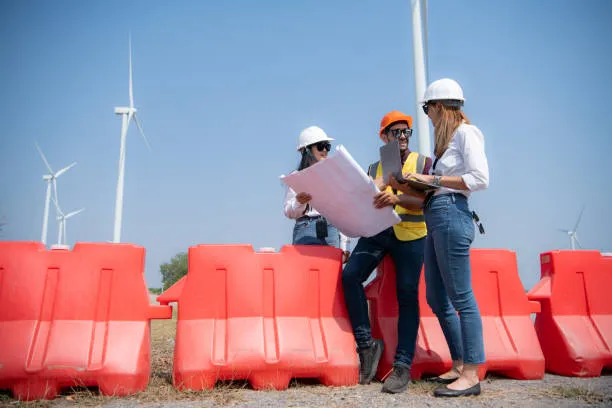
Are you struggling to keep up with the latest safety measures for your business? We understand the challenge of staying updated with evolving barrier trends in workplace health and safety. With thorough research and expert insights, we’ve compiled a comprehensive guide to help you navigate through current safety barriers and implement effective measures. Join us as we explore the importance of up-to-date safety practices and how they can protect your business from potential risks. Ready to take your workplace safety to the next level?

Importance of staying updated with safety measures
As business owners, we know that workplace safety is non-negotiable. Staying updated with safety measures can mean the difference between a productive day and an unforeseen disaster.
We must keep abreast of the latest safety standards and regulations to protect our employees, customers, and business reputation.
We see emerging trends like smart barrier systems and proactive risk management reshaping how we approach occupational health. By implementing these innovative solutions, we fortify our commitment to hazard prevention and ensure a safer environment for all stakeholders in our businesses.
Next on the agenda: exploring the various types of safety barriers at our disposal.
The evolving nature of barriers in safety practices
We see safety barriers changing constantly, adapting to new threats and technologies. In our businesses, we must stay ahead of these changes to ensure the well-being of our staff and customers.
From physical dividers that have become more robust to non-physical measures like advanced safety protocols, the trend is clear: staying static isn’t an option. We’re witnessing an increased integration of smart barrier systems that can communicate potential hazards in real time.
Our commitment extends beyond mere compliance with safety regulations; it means investing in protective barriers that embody quality reform. These dynamic solutions are designed not just for today’s challenges but also for tomorrow’s uncertainties.
With every new development comes a responsibility to review and possibly upgrade our practices – because effective health and safety management relies on being proactive, not reactive.
Let’s turn now to explore the types of safety barriers available, ensuring we choose wisely for varied environments.
Types of Safety Barriers
When it comes to safety barriers, there are different types to consider such as physical, non-physical, and natural barriers. Choosing the right type for different environments is crucial in ensuring optimal safety and security.
To learn more about the importance of selecting the right type of safety barrier, continue reading our blog.
Physical, non-physical, and natural barriers
- Physical barriers provide a tangible obstacle to prevent access or contact, such as fences, guardrails, or walls. These play a vital role in restricting movement and preventing unauthorised access.
- Non-physical barriers include procedures, policies, and training aimed at influencing behaviour and decision-making. They are essential for promoting adherence to safety protocols and preventive behaviours among employees.
- Natural barriers encompass features existing in the environment that provide protection or segregation, such as water bodies, vegetation, or topographical features. Utilising these features effectively can enhance safety without additional construction costs or environmental impact.
Importance of choosing the right type for different environments
Selecting suitable safety barriers for varying environments is crucial in ensuring optimal protection and risk mitigation. Considering the specific needs and challenges of each setting, such as construction sites, warehouses, or public spaces, is essential to determine the most effective type of barrier.
By carefully evaluating the environmental factors, foot traffic patterns, potential hazards, and operational requirements, businesses can make informed decisions about deploying physical, non-physical or natural barriers.
This tailored approach contributes to enhanced safety compliance and preventive behaviours in diverse workplace settings.
Adapting the types of safety barriers to different environments enables businesses to address specific risks effectively while promoting a culture of safety-consciousness among employees and visitors alike.
Design Principles for Effective Safety Barriers
When it comes to safety barriers, it’s important to consider factors like visibility, durability, strength, flexibility, and adaptability. These principles contribute to optimal safety and security in any environment.
To learn more about how these design principles can enhance your safety measures, continue reading our blog.
Visibility, durability, strength, flexibility, and adaptability
- Optimal visibility allows for easy identification and awareness of potential hazards.
- Durability ensures that the barriers can withstand impact and continue to provide protection over time.
- Strength is essential for withstanding force or pressure to maintain effective barrier function.
- Flexibility enables the barriers to adapt to different environmental conditions and layout changes.
- Adaptability ensures that the safety barriers can be adjusted or modified as per specific needs and evolving safety requirements.
How these principles contribute to optimal safety and security
By focusing on visibility, durability, strength, flexibility, and adaptability in safety barrier design, we ensure optimal safety and security for our employees and customers. These principles enhance the effectiveness of safety barriers by increasing their capacity to withstand potential hazards while offering clear visibility and adaptability to various environments.
The choice of materials with high durability reduces maintenance costs and extends the lifespan of safety barriers. Moreover, the flexibility allows for quick adaptation to changing safety requirements.
Overall, these design principles contribute significantly to creating a secure and safe work environment.
Integrating these design principles into our safety measures not only mitigates potential risks but also fosters a sense of security among employees and visitors. Enhanced visibility ensures that potential hazards are easily identifiable while promoting preventive behaviours among individuals in the workplace.

Current Trends in Safety Barriers
Incorporating smart barrier systems, environmentally friendly materials, and aesthetic designs can significantly enhance safety measures in various environments. Keep reading to discover how these trends are shaping the future of safety barriers.
Smart barrier systems
Smart barrier systems provide an advanced approach to safety, integrating technology and physical barriers to enhance security measures. These systems are designed with sensors and analytics that can detect potential risks and alert personnel in real-time, allowing for immediate response to any safety threats.
By leveraging smart barrier systems, businesses can proactively address safety concerns and minimise the risk of accidents or unauthorised access within their premises.
Integrating smart barrier systems into your safety measures not only enhances protection but also demonstrates a commitment to staying updated with the latest advancements in safety technology.
Use of environmentally friendly materials
When selecting safety barriers, consider using environmentally friendly materials to minimise the impact on the environment. By opting for sustainable materials such as recycled steel or composite materials made from renewable sources, businesses can contribute to reducing their carbon footprint while maintaining high safety standards.
Incorporating environmentally friendly materials in safety barriers not only demonstrates a commitment to sustainability but also sets a positive example for employees and customers.
It aligns with the growing global focus on environmental conservation and responsible business practices, enhancing the overall reputation of the company.
Incorporating aesthetics with safety
Incorporating aesthetics with safety enhances the overall appeal of safety barriers, making them more visually pleasing while ensuring effective protection. Employing modern and sleek designs contributes to creating a positive and welcoming environment without compromising on safety standards.
Integrating vibrant colours and aesthetically-pleasing materials can significantly improve employee morale and encourage compliance with safety protocols.
Furthermore, incorporating aesthetics with safety also promotes a positive brand image for your business, demonstrating an emphasis on both style and security. The integration of sleek design elements in barrier systems not only elevates the visual appeal of the workplace but also showcases your commitment to creating a safe and appealing work environment for employees.
As businesses seek to maintain both functionality and attractiveness in their premises, blending aesthetics seamlessly with robust safety measures becomes increasingly crucial.
Moving forward, it’s essential to balance aesthetic considerations alongside practicality when choosing or updating safety barriers in your facility.
Overcoming Challenges in Implementing Safety Measures
In overcoming challenges in implementing safety measures, it is crucial to address resistance from employees and actively listen to their concerns and issues raised. This allows for a more collaborative approach to ensuring the effectiveness of safety barriers in the workplace.
Resistance from employees
Resistance from employees can be a significant challenge when implementing new safety measures. It is essential to address any concerns raised and involve employees in the decision-making process.
Open communication, providing clear reasoning, and offering training on the benefits of updated safety measures can help overcome resistance. Demonstrating the positive impact on health and productivity may also encourage buy-in from employees.
To promote preventive behaviours among staff, it’s crucial to provide ongoing support and resources for compliance with safety protocols. Encouraging active participation in safety initiatives and recognising contributions towards creating a safe work environment can help foster a culture of proactive safety awareness within the organisation.
Addressing concerns and issues raised
We understand the importance of addressing concerns and issues raised when implementing new safety measures. Here are some effective strategies to consider:
- Actively listen to employees’ feedback and address their concerns promptly to foster a culture of open communication and trust.
- Provide clear and detailed explanations about the rationale behind the new safety measures, emphasising the benefits for everyone involved.
- Offer training and support to help employees adapt to the changes, ensuring they feel equipped and confident in implementing the new safety protocols.
- Encourage collaboration by involving employees in the decision – making process, seeking their input on how best to implement and improve safety measures.
- Recognise and appreciate employees’ efforts in embracing the changes, creating a positive reinforcement for adherence to new safety protocols.
Ensuring Effective Management of Health and Safety
Utilising qualitative and quantitative methods is crucial for effective management of health and safety in the workplace. By leveraging data, businesses can identify areas for improvement and make informed decisions to enhance overall safety practices.
Importance of using qualitative and quantitative methods
In our pursuit of optimal safety and security, we emphasise the importance of using qualitative and quantitative methods. By employing both types of data analysis, we gain a comprehensive understanding of potential hazards and the effectiveness of safety barriers.
Qualitative methods allow us to gather in-depth insights from employees about safety concerns and issues raised, while quantitative methods provide us with crucial statistical data to identify trends and patterns that can help improve safety practices.
Using qualitative and quantitative methods empowers us to make informed decisions based on a combination of subjective feedback and objective data. This approach ensures that our safety measures are not only robust but also tailored to address specific challenges within our business environment.
Utilising data to improve safety practices
- Understanding the effectiveness of safety measures by analysing data collected from various sources
- Identifying patterns and trends in incidents to proactively address potential hazards
- Utilising data to fine – tune safety protocols and procedures for optimal effectiveness
- Implementing data-driven decision-making strategies to constantly improve safety practices
- Monitoring and evaluating the impact of safety measures through data analysis and interpretation
Conclusion
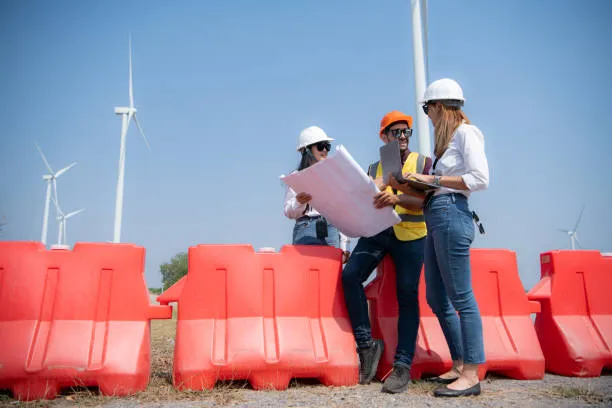
The evolving nature of safety barriers underscores the importance of staying updated with current safety measures. Emphasising practicality and efficiency, our guide has provided insights into choosing the right type of safety barriers for various environments, as well as design principles that contribute to optimal safety and security. Have you considered how incorporating smart barrier systems or environmentally friendly materials could enhance workplace safety? By constantly reassessing health and safety practices, businesses can ensure a resilient framework in line with qualitative and quantitative methods. Implementing these strategies is crucial for mitigating common workplace challenges and resistance to new safety measures. These proactive approaches can lead to significant improvements in workplace security while aligning with ongoing industry trends.