
20 September 2025 · filed in Bollards
Choosing Between Bollards and Column Guards for Impact Protection
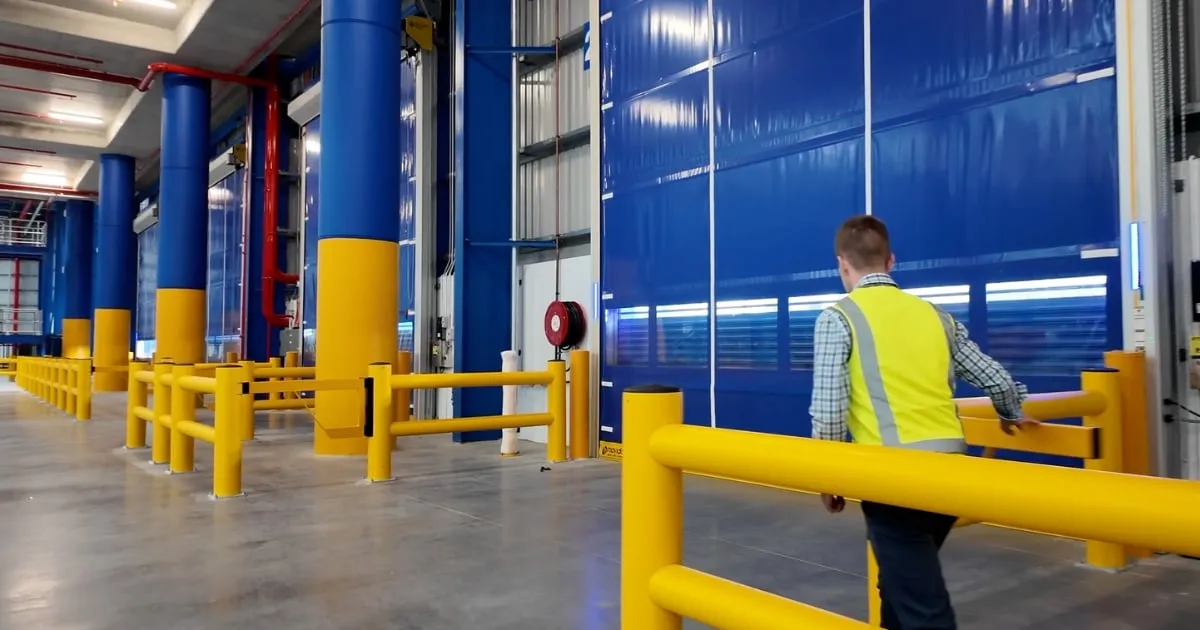
Facilities where vehicles and pedestrians move in the same space face a constant risk of accidental collisions. Even a minor impact can damage equipment, bend structural supports or interrupt work, leading to repair costs and preventable delays.
In areas with forklifts, delivery vehicles or tight aisles, choosing the wrong type of barrier can leave key structures exposed. This increases the chance of repeat damage, unsafe aisles and disruption during daily operations.
Selecting the right impact-protection system helps reduce these risks. Bollards and column guards provide different forms of defence, and knowing how each one works makes it easier to choose the right option.
How Impact Protection Works in Busy Facilities
Workplaces with forklifts, pallet jacks, delivery vehicles and foot traffic deal with unpredictable movement every day. Without proper barriers, structures such as posts, racks and building corners can be damaged during tight turns or quick loading tasks.
Collisions often happen in high-activity areas such as intersections, loading docks, storage aisles and building entry points. In these locations, impact-protection barriers help prevent vehicles from encroaching on sensitive areas or striking structures.
Having the right equipment in place creates safer pathways, clearer traffic flow and better protection for people and property.
What Bollards Are and How They Work
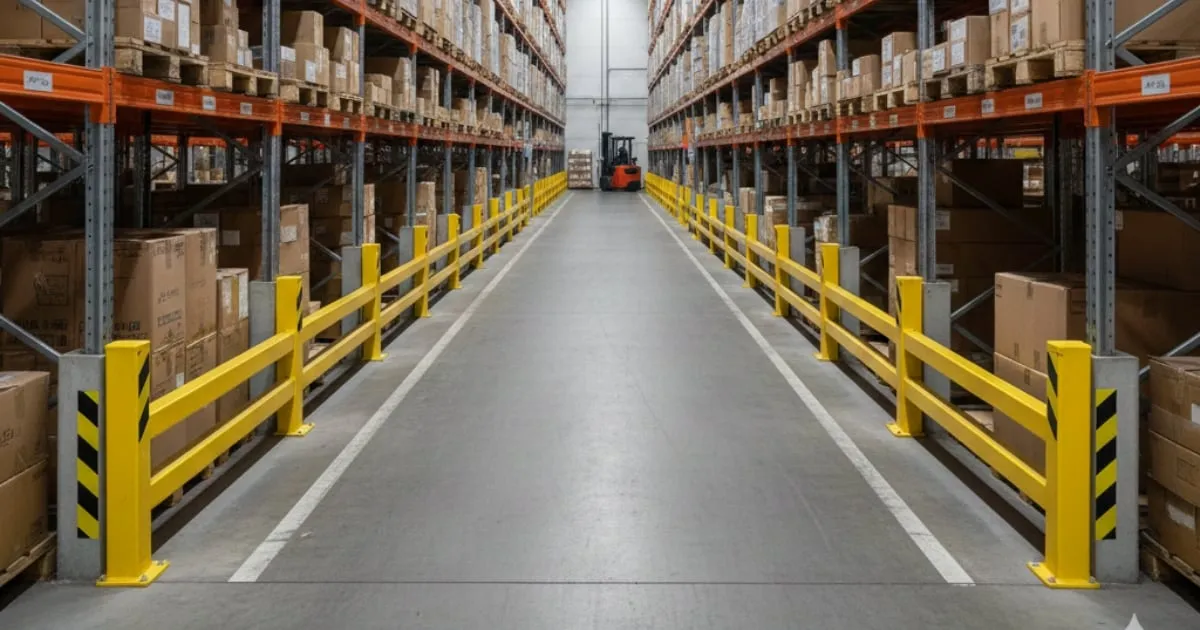
Bollards are strong posts anchored into the ground to stop or redirect moving vehicles. They create a visible barrier that guides drivers and prevents forklifts, cars or pallet jacks from entering areas where people or equipment need protection.
Steel models provide high strength for heavy-impact zones, while flexible polymer designs suit areas where light contact is more common. Fixed bollards offer permanent protection, removable styles allow access when needed, and flexible versions help reduce vehicle damage from lighter impacts.
Facilities often choose Bollards for entry points, loading bays, pedestrian walkways and outdoor zones where clear boundaries are essential.
What Column Guards Are and How They Work
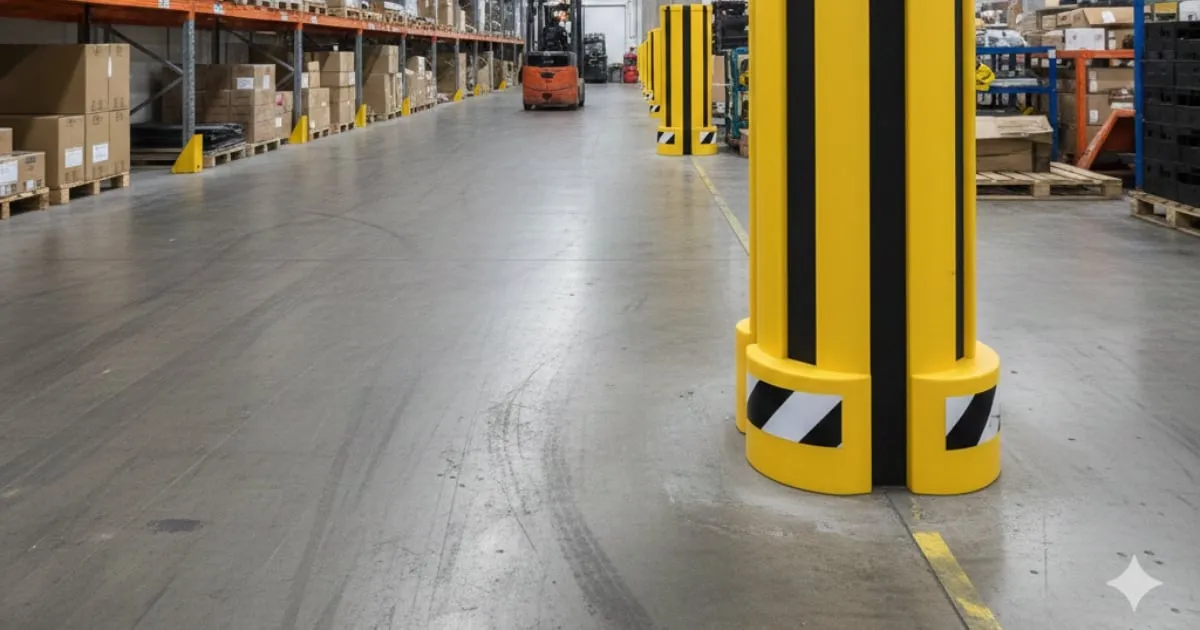
Column guards are protective sleeves or barriers placed around structural supports. Their purpose is to shield columns, posts and beams from accidental contact. When a forklift gets too close, the guard absorbs impact and reduces the chance of structural damage.
Options include steel guards for stronger impact resistance and high-density polymer versions for flexible, energy-absorbing protection. These designs are ideal for busy indoor facilities, tight aisles and locations where vehicles must manoeuvre close to walls or beams.
You can explore purpose-built column guards when protecting vulnerable supports inside warehouses or factories.
Key Differences Between Bollards and Column Guards
Both products reduce collision risks, but they serve different roles. Bollards act as a clear physical barrier that stops or redirects vehicles. Column guards protect the structure itself when vehicles get too close. Understanding these differences helps determine where each option is most effective.
The comparison below outlines how each product functions and where it is most effective
| Feature | Bollards | Column Guards |
| Primary Purpose | Stop or redirect vehicles | Protect structural support columns |
| Best Location | Loading docks, entries, walkways | Tight aisles and indoor zones |
| Impact Type | High-force impacts | Repeated low to medium impacts |
| Materials | Steel or flexible polymer posts | Steel or polymer sleeves |
| Function | Define pathways and prevent entry | Absorb impact on support posts |
| Visibility | Highly visible | Positioned directly on columns |
When to Choose Bollards
Bollards are ideal for areas where you need to prevent vehicles from entering restricted spaces. They suit loading docks, warehouse entries, car parks and pedestrian routes where visibility and boundary control matter most.
These posts help protect equipment such as roller doors, power boxes, racks and building corners. They also support safe movement by guiding drivers and defining traffic paths.
For outdoor or high-traffic areas, bollards provide durable, long-term impact resistance.
When to Choose Column Guards
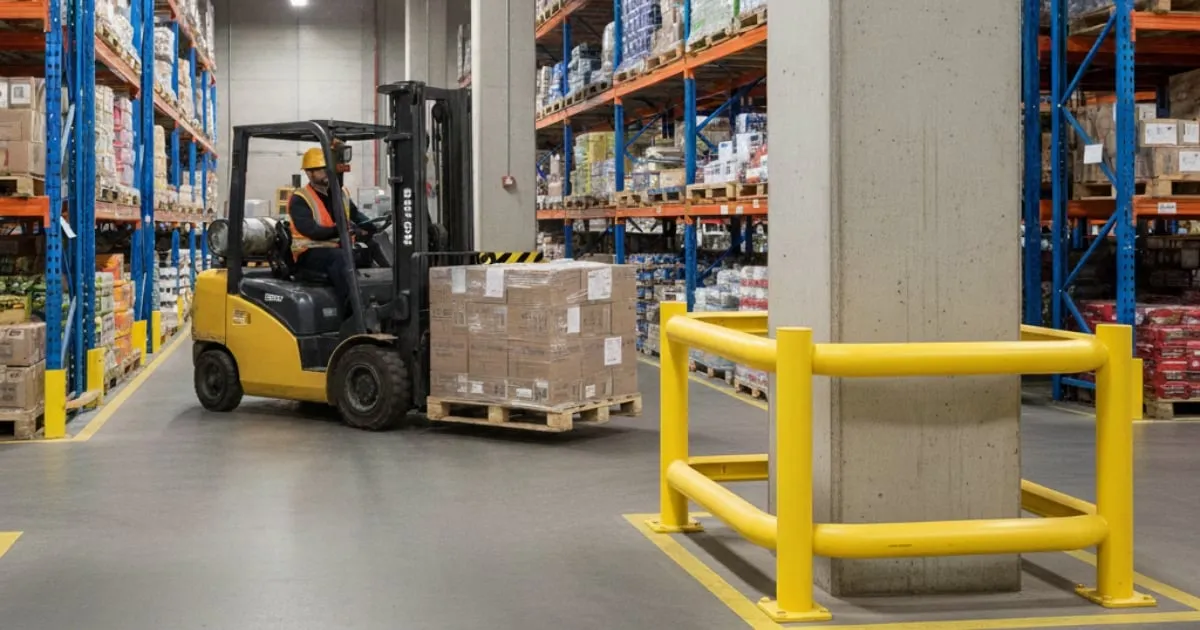
Column guards are the better choice when protecting structural supports inside a facility. Narrow aisles, tight turning zones and indoor storage areas often bring forklifts close to posts or beams, making these locations more vulnerable to impact.
Their wraparound design cushions each strike, helping prevent expensive structural repairs. Polymer models absorb repeated contact, while steel versions provide rigid protection for heavier impacts.
Column guards are ideal where precision manoeuvring is required and building supports are exposed.
Practical Factors to Consider
Traffic patterns influence which barrier will work best. High-speed or high-volume areas need stronger, more visible boundaries such as bollards. Indoor zones with tight spacing benefit more from targeted column protection.
Material choice impacts durability. Steel bollards suit heavy impacts, while polymer options manage lighter contact. Column guards made from flexible materials help absorb ongoing knocks from forklifts.
Visibility also matters. Bright or reflective finishes help drivers recognise hazards sooner, reducing collision risk. Routine inspections ensure all protective equipment continues performing properly.
Impact Protection from Safety Barriers Sydney
Selecting the right barrier helps reduce collisions and protects both structures and equipment. Bollards and column guards each offer valuable benefits, and choosing the right setup depends on your facility layout and the type of traffic moving through the space.
Safety Barriers Sydney supplies impact-protection systems for warehouses, factories and commercial sites. Our team can review your site and recommend products that support safer movement and lower the risk of structural damage.
If your workplace needs reliable protection for high-traffic zones or vulnerable supports, we can help you choose equipment that improves safety across your site.
FAQs
Can bollards and column guards be used together?
Yes. Using both provides layered protection, helping separate traffic and shield structural supports at the same time.
Do flexible bollards provide enough protection indoors?
They suit light contact or guiding traffic. High-impact areas still benefit more from fixed steel options.
Are column guards suitable for concrete and steel columns?
Most designs fit different column types and shapes, providing reliable protection for both materials.
How often should these barriers be inspected?
Routine checks help identify wear or damage early, especially in areas with frequent forklift movement.
Can impact-protection barriers reduce repair costs?
Yes. Preventing collisions lowers the chance of structural damage and reduces equipment downtime.