
19 March 2024 · filed in Safety Barriers Sydney
Breaking Down Industrial Applications: How Safety Barriers Save Lives
Safety concerns are always at the front of our noggins, especially in industrial spaces. We’ve walked that walk and understand the challenge of keeping a safe environment for all involved.
Our thorough look into safety barriers reveals they’re a real game-changer in cutting down risks. Have a squiz to find out how these barriers can be absolute life-savers.
Understanding Safety Barriers

“Safety barriers come in various forms, including physical, non-physical, and natural barriers. These barriers play a crucial role in enhancing workplace safety and risk reduction.”.
Physical Barriers
We install physical barriers in our workplaces and industrial sites to stop accidents before they happen. These include crash-resistant barriers, racking protection, and impact barriers.
By setting up these solid obstacles, we actively safeguard our employees from hazards. Our focus is on preventing workplace accidents and ensuring everyone’s safety.
Using crash-resistant barriers along walkways and near machinery keeps vehicles on the right path, reducing the risk of collisions. We consider each barrier’s design to make sure it can handle the specific challenges of our industrial environment.
This approach not only protects our workers but also secures the equipment and infrastructure critical to our operations.
Non-Physical Barriers
Non-physical barriers don’t block paths or physically prevent actions; instead, they manage risk and enhance safety through methods that influence behaviour and awareness. These include systems like alarms, lighting, signage, and paint markings that guide individuals safely around a workplace or industrial site.
They play a crucial role in hazard prevention by alerting people to potential dangers before they come into contact with them.
Our approach integrates these barriers into the industrial environment to ensure occupational health and reduce workplace accidents. Proper placement of warning signs, effective use of illumination in low visibility areas, and audible alarms for hazardous zones all contribute significantly to employee safety measures.
These strategies not only protect workers but also support efficient work flow by clearly defining safe pathways and highlighting risky areas within an operation.
Natural Barriers
We often overlook the simplest solutions, and this holds true for safety barriers in industrial applications too. Natural barriers serve as effective methods to ensure workplace safety without needing complex installations.
Hills, water bodies, or dense forests can act as formidable obstacles that not only protect but also integrate seamlessly with the environment.
Using these elements wisely allows us to design workplaces that are safe whilst maintaining natural aesthetics. We opt for trees and landscaping to create boundaries that deter trespassing and reduce noise pollution.
This approach ensures employee safety measures blend with nature, providing a dual benefit of hazard prevention and enhancing occupational health through a serene work environment.
Role of Safety Barriers in Modern Infrastructure
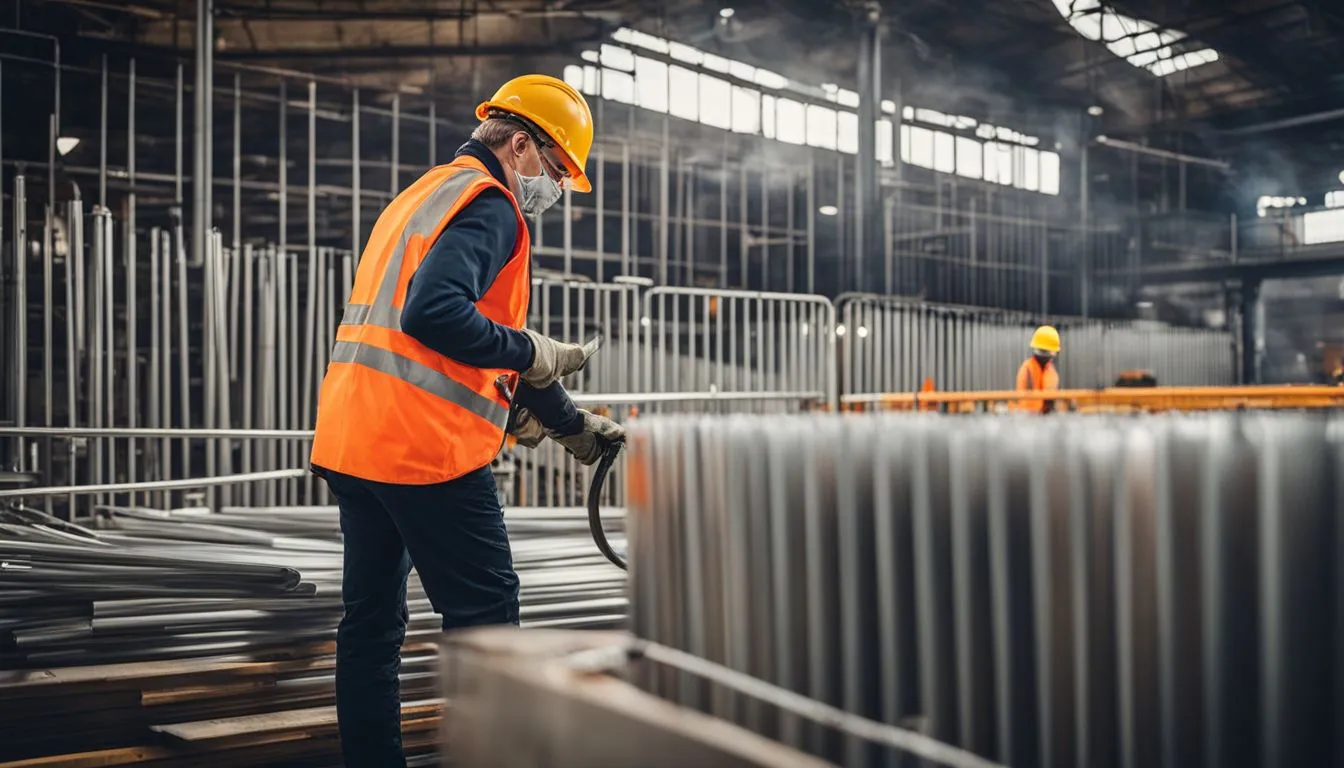
Safety barriers play a crucial role in modern infrastructure, safeguarding both the public and employees across various industries. These barriers offer essential protection against accidents and hazards that can occur on site.
They effectively reduce risks by either completely preventing access to dangerous areas or by providing a physical barrier that mitigates impact in case of incidents like vehicle collisions.
In settings such as chemical process industries, safety barriers become indispensable tools ensuring that potentially harmful substances are contained and do not pose a threat to worker or public safety.
In terms of road safety, the application of crash-resistant barriers along motorways dramatically improves overall traffic safety by managing vehicle trajectories during accidents.
This helps minimise injuries to occupants and bystanders alike. Furthermore, within industrial operations, workplace safety is significantly enhanced through the installation of racking protection and flexible barriers around machinery and hazardous zones.
These measures not only protect workers but also contribute to maintaining smooth operational flow, showcasing how integrating effective safety solutions forms an integral part of building resilient modern infrastructure.
How Safety Barriers Work
Safety barriers work by providing crash resistance and softening impacts, ultimately saving lives. For further insights into the functionality of safety barriers in industrial applications, read on!
Crash Resistance
We focus on ensuring our safety barriers have top-notch crash resistance. This means they’re built to withstand heavy impacts from vehicles or industrial equipment, reducing the risk of accidents in your workplace.
Our barriers are tested rigorously to meet high safety standards, ensuring they can redirect the force of a collision away from workers and valuable machinery.
By installing crash-resistant barriers, we help you manage vehicle trajectories more efficiently in industrial settings. This adds an extra layer of protection around sensitive areas like chemical process industries and storage sections with racking systems.
The goal is simple: keep your operations running smoothly while significantly lowering the chances of workplace accidents. Trust us to provide solutions that enhance employee safety measures and contribute positively to occupational health within your business environment.
Softening and Redirecting Impacts
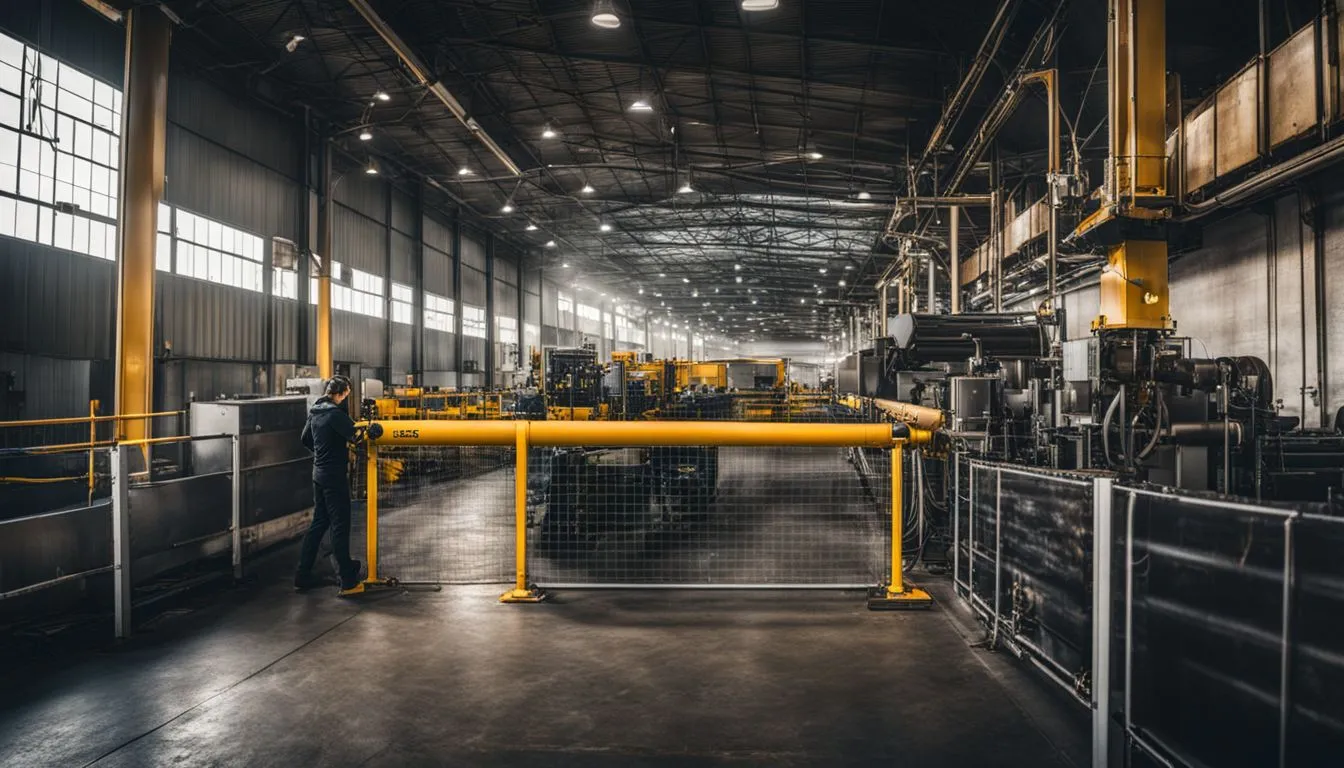
Safety barriers play a crucial role in managing the aftermath of collisions. They absorb energy and change the direction of moving objects to minimise harm. This action helps keep vehicles from veering into oncoming traffic or hazardous areas, significantly reducing potential injuries and damages.
Our designs focus on transforming dangerous impacts into manageable events, ensuring employee safety and protecting infrastructure.
Utilising flexible safety barriers within industrial settings like chemical process industries safeguards employees by controlling unexpected vehicle trajectories. These systems are engineered to withstand significant forces, redirecting them away from sensitive areas or critical equipment.
By doing so, we reduce risks and maintain a safer environment for everyone involved in industrial operations.
Industrial Application of Safety Barriers
Enhancing workplace safety through the installation of safety barriers is crucial for industrial applications. Read on to explore how these measures can save lives in various work settings.
Enhancing Food Industry Safety: Transforming Workspaces with Safety Barriers
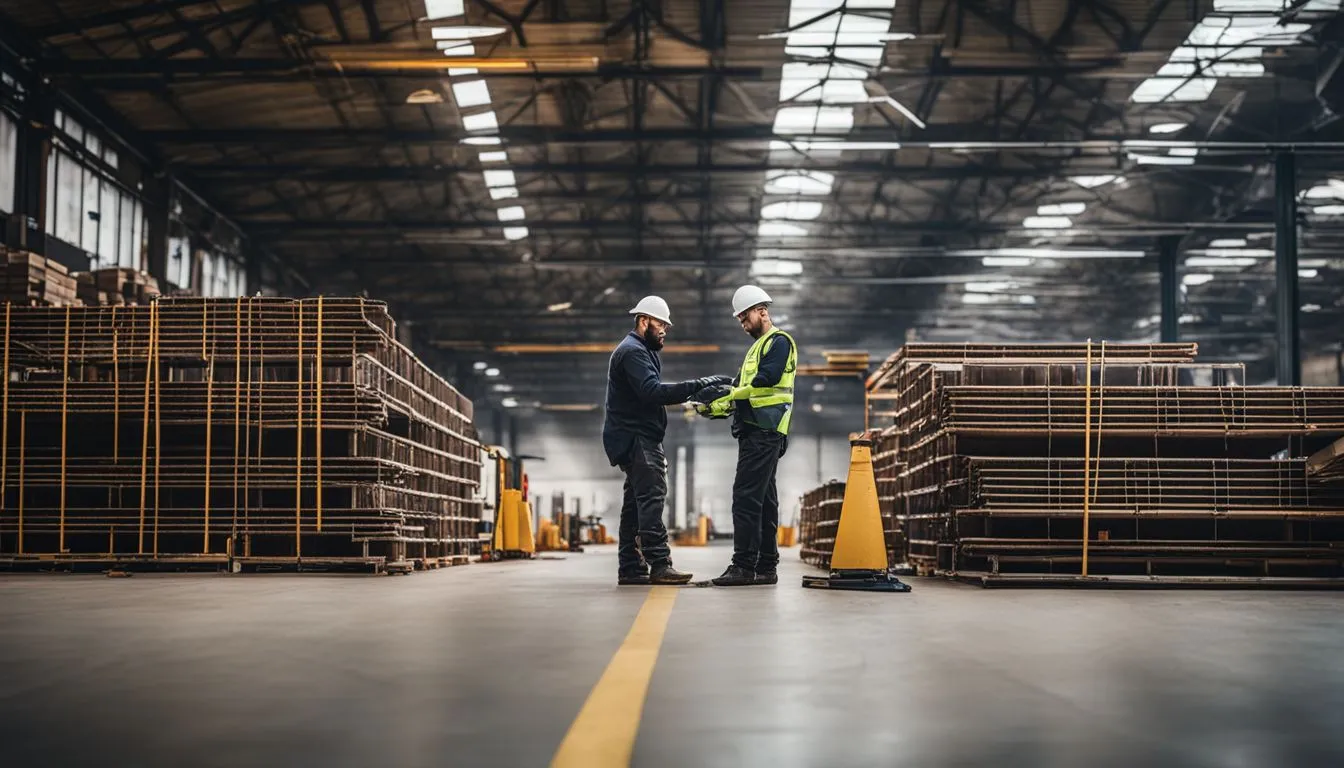
We understand the critical nature of maintaining workplace safety in the food industry. Our focus extends to installing state-of-the-art safety barriers that significantly reduce risks, ensuring a safe and efficient environment for employees.
These barriers serve as a robust defence against potential accidents, particularly in high-traffic areas where machinery operates close to personnel. Implementing crash-resistant barriers and racking protection becomes essential in areas prone to spills or heavy equipment movement, safeguarding both staff and products from unforeseen incidents.
Furthermore, our commitment doesn’t stop at merely reducing immediate physical hazards. We also prioritise risk management by strategising barrier placements that streamline industrial operations without compromising on safety or productivity.
This meticulous planning aids in preventing workplace accidents before they occur, promoting an ongoing culture of caution within the workspace. Transitioning towards discussing the impacts of safety barriers on roadways and highways reveals how these preventive measures extend beyond indoor environments, showcasing their versatility and importance across various sectors.
Impact of Safety Barriers on Roadways and Highways
Safety barriers play a crucial role in improving road safety, reducing the severity of accidents, and minimising property damage. By effectively containing or redirecting vehicles in the event of a collision, safety barriers help prevent catastrophic outcomes.
They can also mitigate the risk of vehicle rollovers and control vehicle trajectories during impact, thereby safeguarding motorists and pedestrians alike from potential harm. The installation of robust safety barriers on highways not only underpins public safety but also assists in maintaining smooth traffic flow by preventing lane encroachments.
Furthermore, safety barriers act as a visual guide for drivers, delineating lanes accurately and providing clear boundaries to enhance navigation. This ensures orderliness on roadways while significantly reducing the likelihood of collisions or vehicular mishaps caused by driver confusion or distraction.
Incorporating advanced materials and innovative design principles leads to high-impact resistance while offering flexibility to absorb energy upon impact, ultimately amplifying overall road safety measures.
Future Trends in Safety Barrier Technology
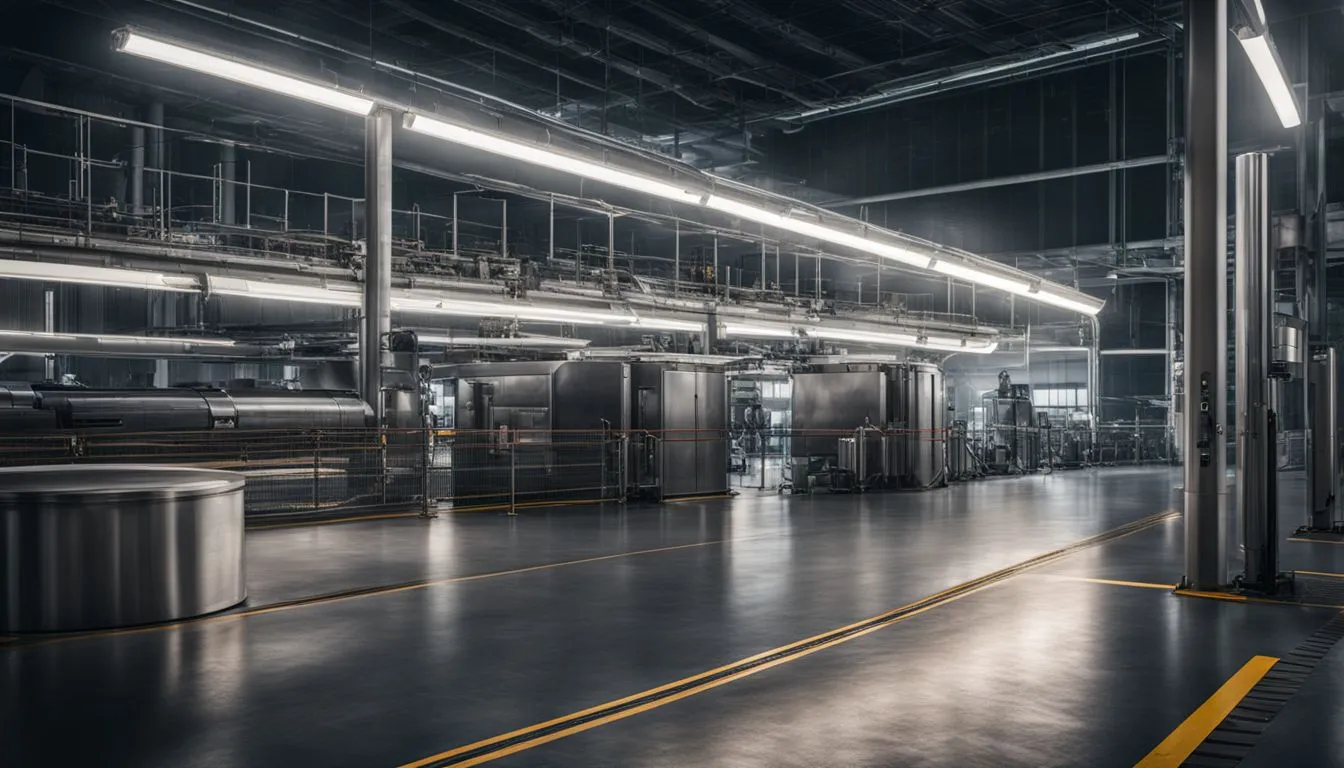
In the future, safety barriers will integrate smart technology, eco-friendly materials, and aesthetic design to enhance industrial safety. Read more about it in the full article.
Smart Barrier Systems
Smart barrier systems utilise advanced technology to enhance safety and efficiency in industrial settings. These systems incorporate sensors, cameras, and automated responses to detect potential hazards and mitigate risks in real-time.
By actively monitoring the environment and responding swiftly to threats, smart barrier systems offer an unprecedented level of protection for employees, equipment, and infrastructure.
Integrating these intelligent solutions into industrial operations not only reduces the likelihood of accidents but also contributes to improved productivity and peace of mind for business owners.
Environmentally Friendly Materials
Safety barriers play a crucial role in promoting sustainability and environmental responsibility within industrial applications. The use of environmentally friendly materials, such as recycled plastics and sustainable composites, ensures that safety barriers are not only effective in protecting lives but also minimise their impact on the environment.
By utilising these materials, businesses can contribute to reducing waste and resource consumption while maintaining high safety standards. Incorporating sustainable materials into safety barrier design fosters a more eco-conscious approach to workplace safety, aligning with modern trends towards greener industrial practices.
Business owners have an opportunity to lead by example by prioritising the use of environmentally friendly materials in their choice of safety barriers for their facilities. This proactive stance allows them to demonstrate commitment to sustainable business practices while safeguarding employees and operations from potential hazards.
Incorporating Aesthetics with Safety
Safety barriers in industrial settings can be both functional and visually appealing. By integrating aesthetics with safety, businesses can enhance the overall look and feel of their work environment while still providing essential protection for employees and assets.
Creative designs in safety barriers not only contribute to a pleasant workplace but also serve as a visual indication of the company’s commitment to safety standards.
Incorporating aesthetically pleasing safety barriers can elevate the ambiance of industrial spaces, making employees feel more comfortable and productive. Bold colors, sleek designs, and modern materials are being used to create safety barriers that blend seamlessly with the overall aesthetic of industrial facilities.
Maintenance and Inspection of Safety Barriers

Inspect and maintain safety barriers with regular check-ups and thorough reporting to address wear and tear. Upgrades and replacements ensure the continued effectiveness of safety barriers in industrial settings.
Regular Checkups and Reporting
Business owners, it’s crucial to schedule regular check-ups for safety barriers in your industrial facilities. Consistent inspections support the early detection of wear and tear, ensuring that the barriers remain effective in protecting employees and assets.
Regular reporting on the condition of safety barriers aids in identifying areas that require upgrades or replacements, thereby maintaining a safe working environment.
As business owners, we understand the importance of prioritising the maintenance and inspection of safety barriers. This proactive approach adds an additional layer of protection to our operations and supports compliance with safety regulations.
Addressing Wear and Tear
After meticulously conducting regular check-ups and reporting, it is crucial to focus on addressing wear and tear in safety barriers. This involves a comprehensive examination of the barrier’s structural integrity, ensuring it can withstand potential impacts and hazards.
Additionally, proactive maintenance measures should be taken to prevent deterioration and maximise the lifespan of safety barriers. Regular inspections will unveil any underlying issues or signs of wear, enabling timely upgrades or replacements for continued effectiveness in mitigating workplace accidents.
Upgrades and Replacements
When it’s time for upgrades and replacements, we prioritise safety barriers to ensure optimal performance. Our team conducts regular inspections, identifying wear and tear early on.
We use durable materials in the replacement process, keeping our safety barriers robust and reliable.
We stay ahead of the curve by embracing innovative technology for barrier systems. Incorporating smart sensors allows us to monitor barrier conditions continuously, ensuring timely upgrades when needed.
Conclusion
In conclusion, safety barriers play a crucial role in industrial applications, safeguarding lives and enhancing workplace safety. By understanding the various types of safety barriers and their functions, businesses can strategically implement crash-resistant, flexible, and impact barriers to reduce risks and protect employees.
Practical and efficient strategies have been highlighted throughout this article, stressing their simplicity and effectiveness in mitigating hazards. How can you apply these approaches to your business operations? The potential impact of prioritising safety barriers cannot be overstated – it leads to significant improvements in risk reduction, employee well-being, and overall operational success.
Explore further resources or seek professional guidance to deepen your understanding and application of safety barrier measures. It’s time for every business owner to take proactive steps towards implementing modern safety barrier solutions for a safer work environment.
Discover how safety barriers are revolutionising the food industry by visiting Verge Safety Barriers.