
26 March 2024 · filed in Safety Update
Commitment to Safety: The Crucial Role of Bollards in Factories
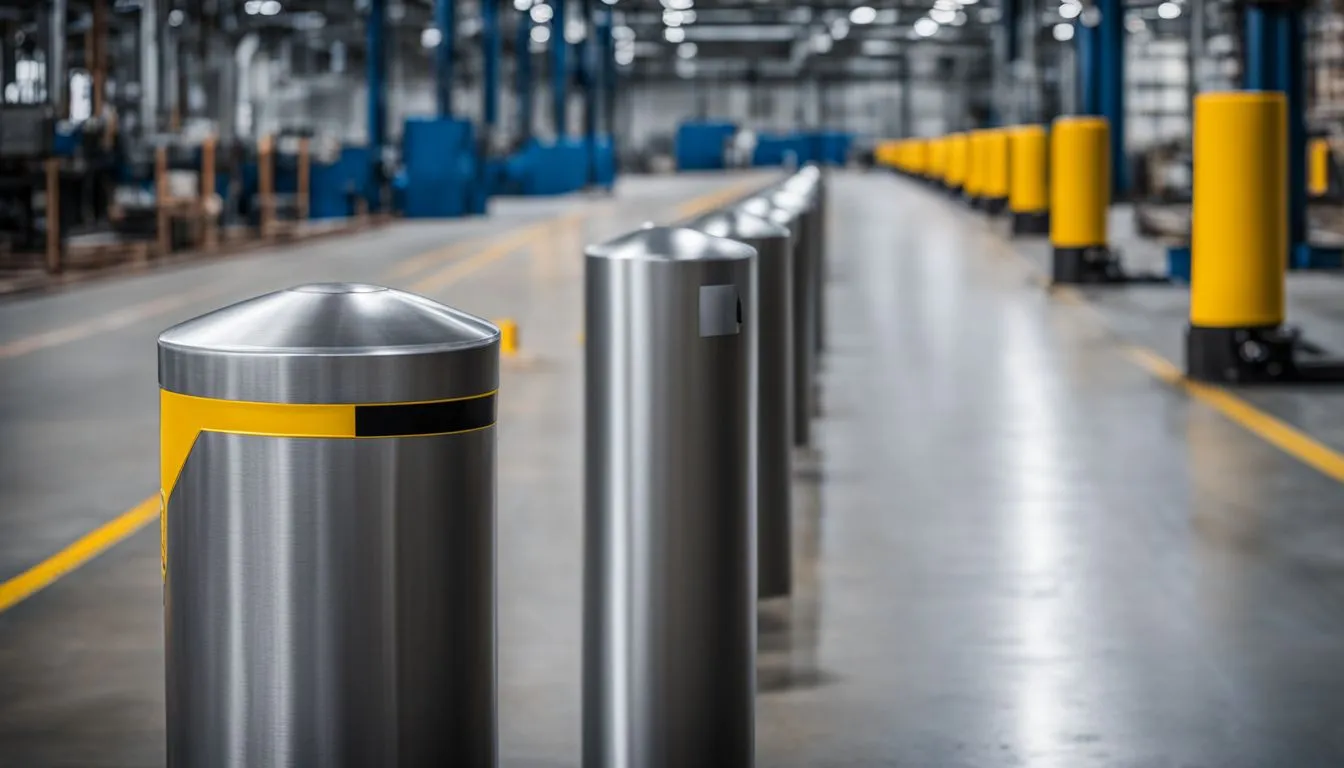
Keeping our factories safe is a challenge that hits close to home for all of us. We get how tough it can be, we’ve walked a mile in those shoes ourselves. In our quest to find answers, we stumbled upon an absolute game-changer: industrial safety bollards.
These straightforward yet impressive tools are lifesavers when it comes to protecting your workers and gear. Stick around as we unpack how these handy devices can make a world of difference in your workplace!
Understanding Industrial Safety Bollards
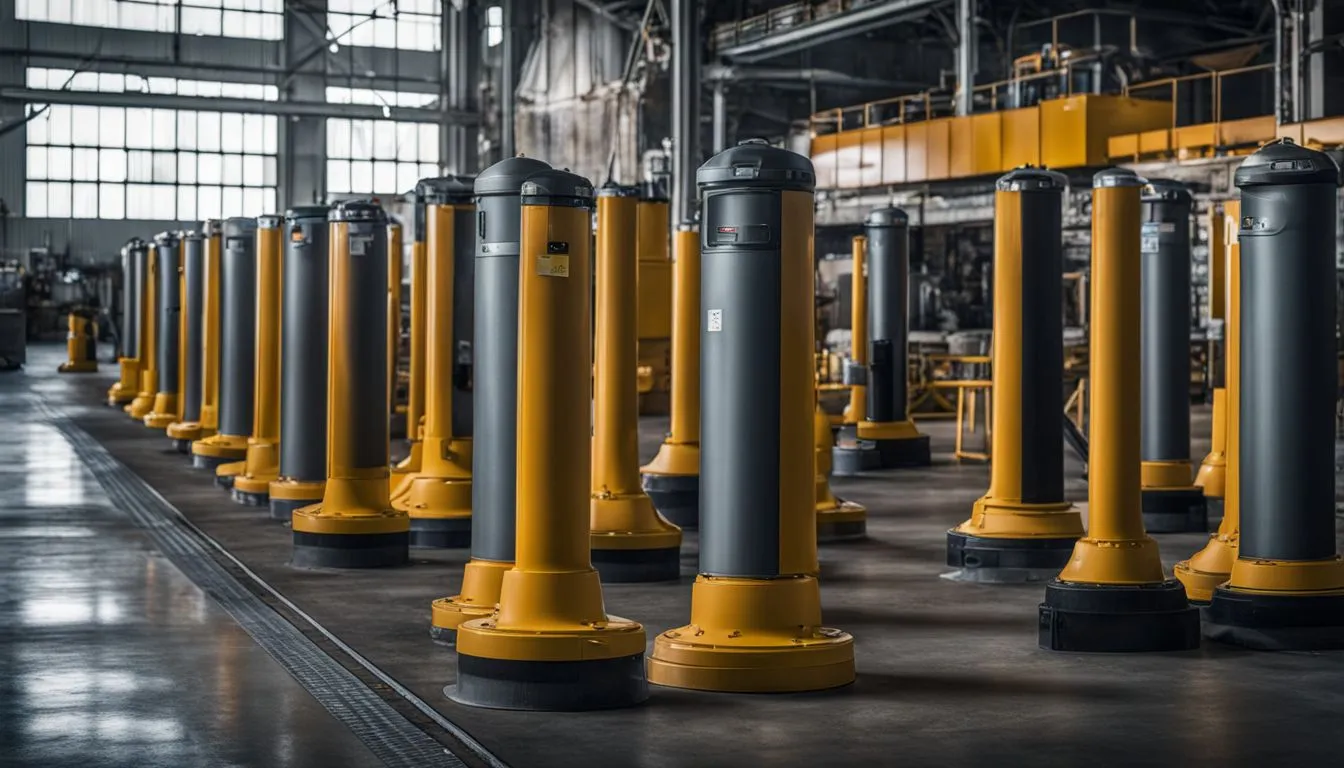
Industrial safety bollards are essential for workplace protection. They consist of sturdy materials and different types to suit various environments.
Definition and basic components
Safety bollards play a crucial role in maintaining workplace safety and reducing industrial accidents. These sturdy posts stand as physical barriers, guarding equipment, buildings, and pedestrians against vehicle collisions.
We install them strategically around factories to manage traffic flow efficiently and protect vital structures from potential damage.
Constructed from durable materials such as steel or concrete, these bollards come in various shapes and sizes tailored to specific protective needs within factory environments. They serve not only as a visual deterrent but also as a strong line of defence in risk reduction strategies, making them an essential component of occupational safety protocols across diverse industrial settings.
Material composition and types
Turning from the basic understanding of industrial bollards, we now focus on their material composition and types. Industrial safety bollards are made from a variety of materials to ensure maximum protection and durability.
Steel, one of the most common materials used, offers exceptional strength against impacts. Concrete bollards provide solidity and are often used where aesthetic appeal is also a consideration alongside safety.
Plastic-filled with concrete offers an alternative that combines lightweight handling with the sturdiness of concrete.
Different types cater to specific needs within factories. Fixed bollards are permanently installed into the ground, creating a non-flexible barrier ideal for perimeter security or protecting sensitive areas.
Removable bollards offer flexibility; they can be detached to allow temporary access when needed. Then there are collapsible models that can be lowered flat onto the ground, mostly used for controlling vehicle access without needing removal from site, a vital aspect in urban planning around factory environments ensuring workplace safety while admitting necessary movements.
The Protective Role of Industrial Safety Bollards
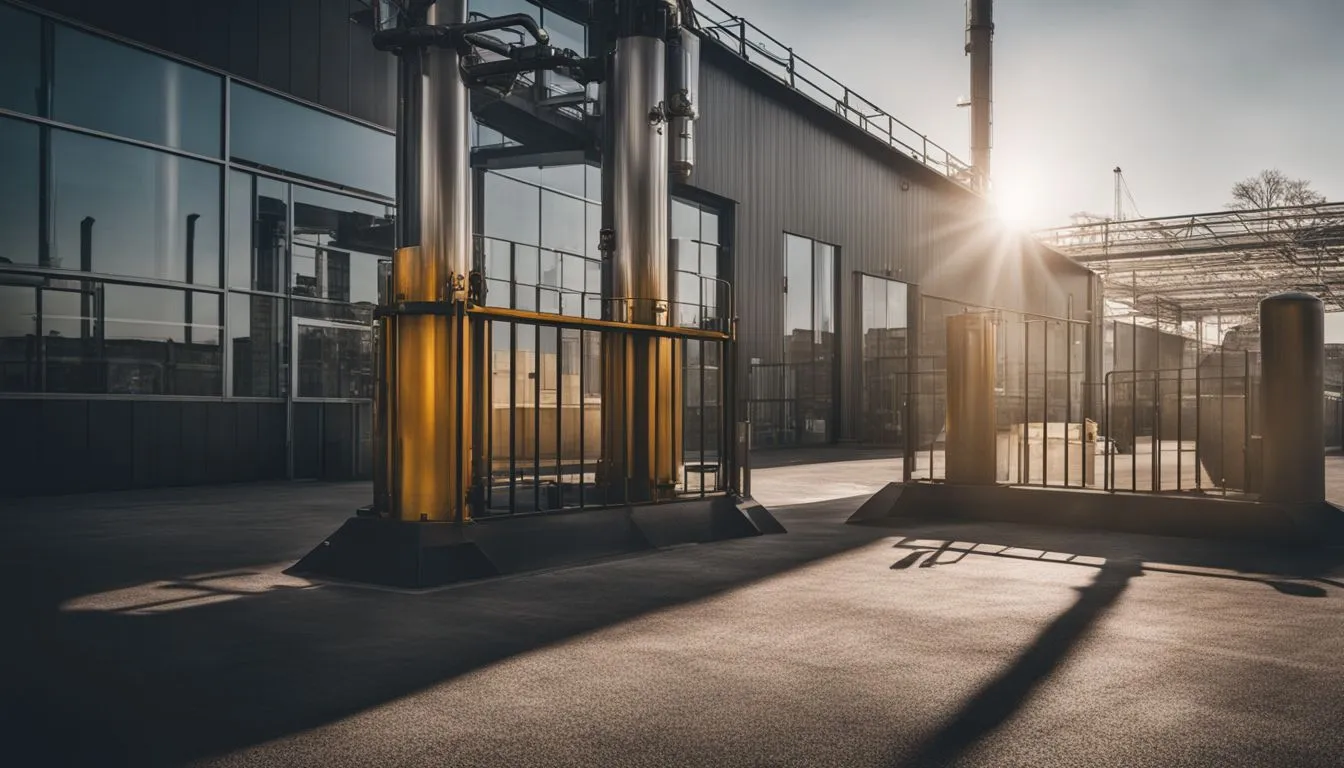
Industrial safety bollards defend against various threats and their strength is determined by the type of impact they can withstand. They play a crucial role in reducing the risk of vehicle collisions and ensuring employee safety in factories.
Types of threats they defend against
We defend against a variety of threats to ensure workplace safety in factories. These range from vehicle collisions that can harm employees and damage equipment, to protecting critical infrastructure like gas meters and electrical panels from accidental impacts.
Our bollards act as physical barriers, offering protection from industrial accidents that could lead to significant downtime or costly repairs.
Moving on, we also focus on how the strength of these industrial safety bollards is determined to offer maximum security best practices in the workplace.
How their strength is determined
Engineers test industrial safety bollards to withstand specific forces, considering both the weight and speed of vehicles that may collide with them. This ensures they offer reliable protection against vehicle collisions.
They categorise these protective barriers based on their performance in crash tests, which simulate real-life impacts. These tests help identify the best placement and installation techniques for maximum security.
Materials play a key role in determining the strength of industrial bollards. Manufacturers often use steel, reinforced with concrete or other durable materials, to enhance their ability to absorb shock and prevent damage to property or harm to people.
The design process also accounts for factors like soil conditions and weather exposure, ensuring that each bollard can stand firm against challenges it might face in its environment.
The Regulatory Environment for Industrial Safety Bollards
The regulatory environment for industrial safety bollards dictates essential safety standards and regulations, ensuring compliance with publicly available specifications. Australian English Language.
Relevant safety standards and regulations
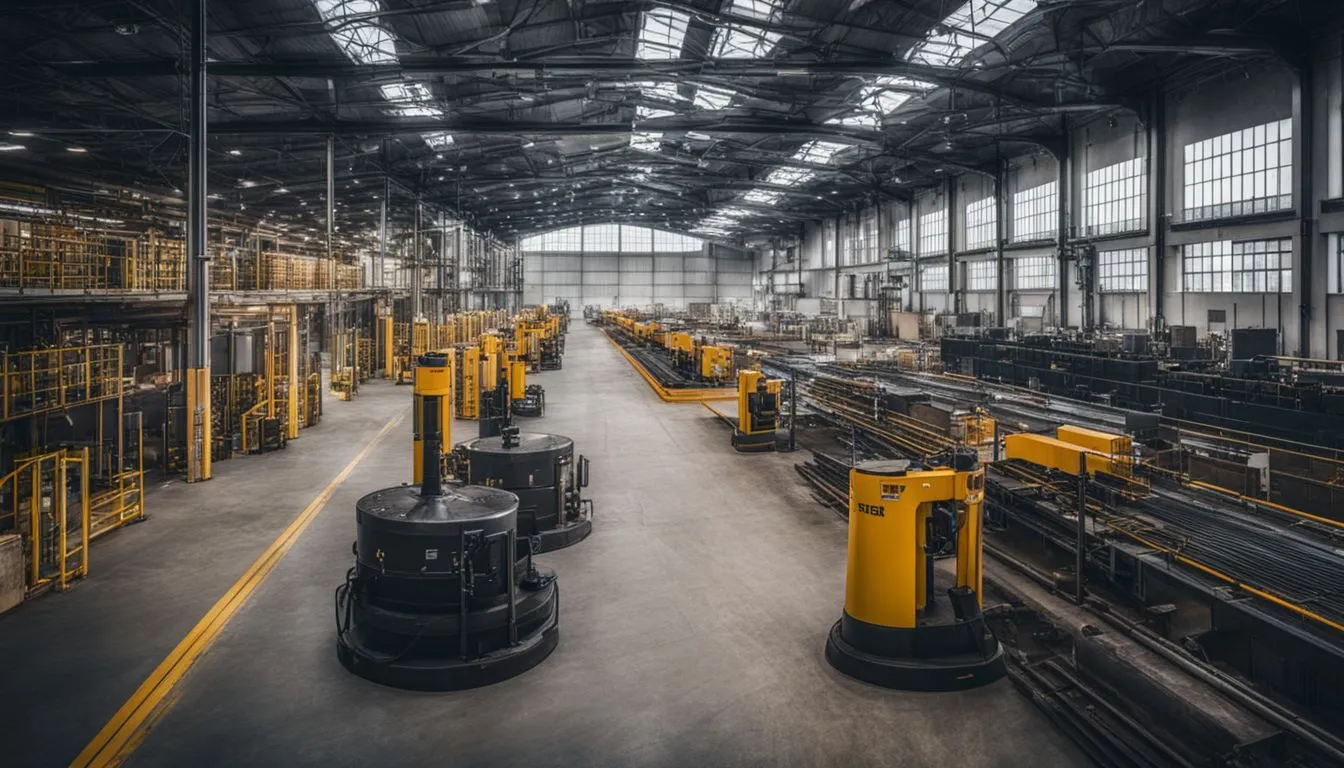
We always keep abreast of the latest safety standards and regulations to ensure our use of industrial bollards within our factories meets both national and international requirements.
These guidelines help us in risk reduction, protect employees, safeguard machinery, and reduce the occurrence of industrial accidents by providing clear directives on installation, maintenance, and inspection procedures.
Safety protocols are paramount for workplace safety. They dictate how we implement measures such as dock door protection, barrier installations, and vehicle collision prevention strategies.
By adhering to these frameworks diligently, we not only comply with legal obligations but also reinforce our commitment to creating a secure environment for all employees and visitors within our facilities.
This approach ensures that our practices in occupational safety are up-to-date and effective in mitigating potential hazards.
Publicly Available Specifications
Turning from the strict guidelines outlined by safety standards and regulations, we find another essential component in ensuring workplace safety: Publicly Available Specifications (PAS).
These are documents available to the public that detail specific requirements for products, services, or systems. They play a crucial role in industrial protection by providing clear instructions on how to maintain high levels of safety.
We use PAS to guide our decisions on bollard installations around factories. These specifications help us select the right materials and designs for effective risk reduction and employee protection.
By adhering to these publicly accessible documents, we ensure our commitment to workplace safety is both comprehensive and up-to-date with current best practices in factory security and hazard prevention.
The Practical Application of Bollards in Factories

When considering the practical application of bollards in factories, it is crucial to understand their role in protecting structures, equipment, and personnel. They play a vital role in regulating and controlling traffic flow within industrial settings while providing safety barrier support at loading docks.
Protecting structures and equipment
We take the safety of workplaces very seriously. Our focus today zeroes in on how industrial bollards play a pivotal role in safeguarding structures and equipment within factories.
- Industrial bollards serve as strong physical barriers that shield machinery from accidental vehicle collisions. They absorb and deflect the impact, significantly reducing potential damage to valuable factory assets.
- These safety devices strategically protect pedestrian pathways from forklifts and other heavy machinery traffic, ensuring employee protection at all times. Paths clearly demarcated by bollards keep workers safe from moving vehicles.
- Positioned around vital factory infrastructure, such as gas pipes and electrical units, bollards act as a steadfast guard against any vehicular mishaps that could lead to hazardous industrial accidents.
- Bollards are also essential in maintaining the integrity of loading docks. They prevent dock doors and loading equipment from being damaged by reversing lorries, bolstering dock door protection.
- Installing these safety barriers serves as a visual cue for drivers, guiding them in tight spaces and preventing accidental impacts with warehouse safety essentials.
- For areas requiring temporary access or seasonal adjustments in layout, removable bollards offer an adaptable solution without compromising workplace security. This flexibility allows for efficient space management while still upholding safety protocols.
Each of these points underscores our commitment to not just meeting but exceeding safety standards through the strategic application of industrial bollards within factory settings. Their presence is a testament to our dedication towards hazard prevention, machinery protection, and overall workplace safety.
Ensuring personnel safety
Protecting structures and equipment is paramount in maintaining a safe working environment. Equally important is ensuring personnel safety through the implementation of adequate safety measures. Here’s how industrial safety bollards contribute to this crucial aspect of workplace safety:
- Ensuring pedestrian pathways are safeguarded from vehicular traffic with strategically placed bollards, minimising the risk of accidents.
- Providing a visible barrier between moving machinery and personnel, reducing the likelihood of unintended contact or collisions.
- Restricting access to hazardous areas, such as loading docks or operational zones, ensuring that only authorised personnel can enter these spaces.
- Preventing forklifts and other heavy equipment from inadvertently entering areas where employees are present, mitigating the potential for employee injury.
- Creating a safer work environment by reducing the risk of vehicle – related accidents within factory premises, promoting a secure workplace for all employees.
Regulating and controlling traffic flow
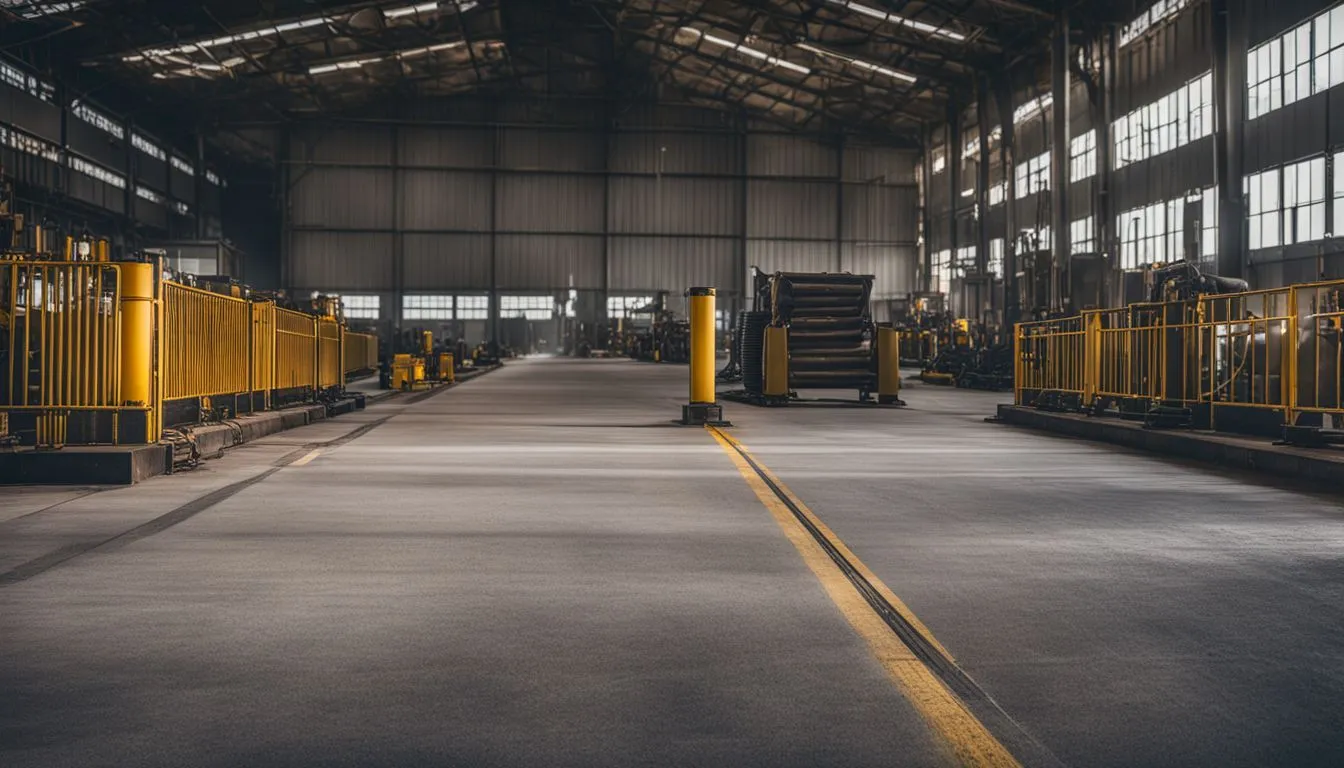
Regulating and controlling traffic flow is crucial in ensuring a safe working environment in factories. It helps to manage the movement of vehicles and equipment, preventing potential collisions and hazards.
- Clear Pathways: Implementing designated routes for vehicles within the factory premises ensures smooth traffic flow.
- Speed Limit Management: Enforcing speed limits in specific areas reduces the risk of accidents and enhances overall workplace safety.
- Directional Signage: Clearly marked signage guides drivers and pedestrians, minimising confusion and promoting efficient movement.
- Intersection Safety Measures: Installing bollards at intersections safeguards against collisions and establishes right-of-way protocols.
- Pedestrian Protection: Separate walkways shield employees from vehicular traffic, prioritising their safety within the facility.
Effective regulation and control of traffic flow not only reduces accidents but also fosters an environment where employees feel secure while performing their duties within the factory premises.
Next Topic: Safety Barrier Support at Loading Docks
Safety Barrier Support at Loading Docks
Safety barrier support at loading docks is crucial for protecting both people and property from potential vehicle collisions. By strategically installing industrial safety bollards, you can create a protective shield around dock doors, preventing accidental impact from forklifts or trucks.
These sturdy barriers also help regulate traffic flow in the busy environment of a loading dock, reducing the risk of workplace accidents and ensuring smooth operations. Implementing these safety measures not only enhances employee protection but also contributes to warehouse safety standards, minimising the likelihood of industrial accidents.
The installation of industrial safety bollards at loading docks showcases our commitment to workplace safety and aligns with security best practices in factory environments.
Conclusion
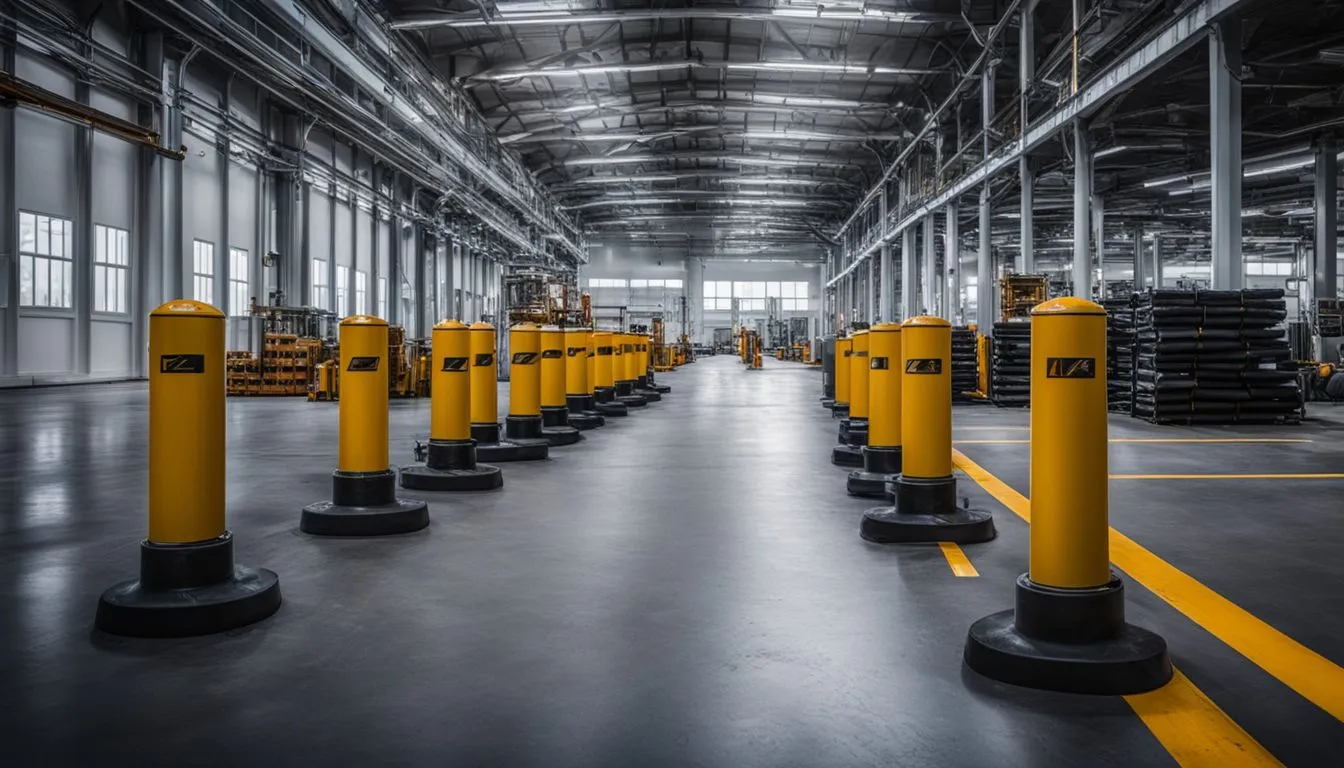
In conclusion, we have explored the vital role of industrial safety bollards in ensuring workplace safety and protecting against vehicle collisions. Their practical application in factories for safeguarding structures, equipment, and regulating traffic flow underscores their efficiency and ease of implementation.
Emphasising their importance, these security measures can significantly reduce risks and improve operational safety in factory settings. For further insights and guidance on workplace security, business owners are encouraged to explore additional resources or services to enhance their understanding and preparedness.
Remember, a proactive commitment to safety through the installation of industrial safety bollards is crucial for ensuring a secure work environment that prioritises employee well-being and operational continuity.