
23 March 2024 · filed in Product Highlight
Conquering Loading Dock Safety: Investing in Safety V-Gates
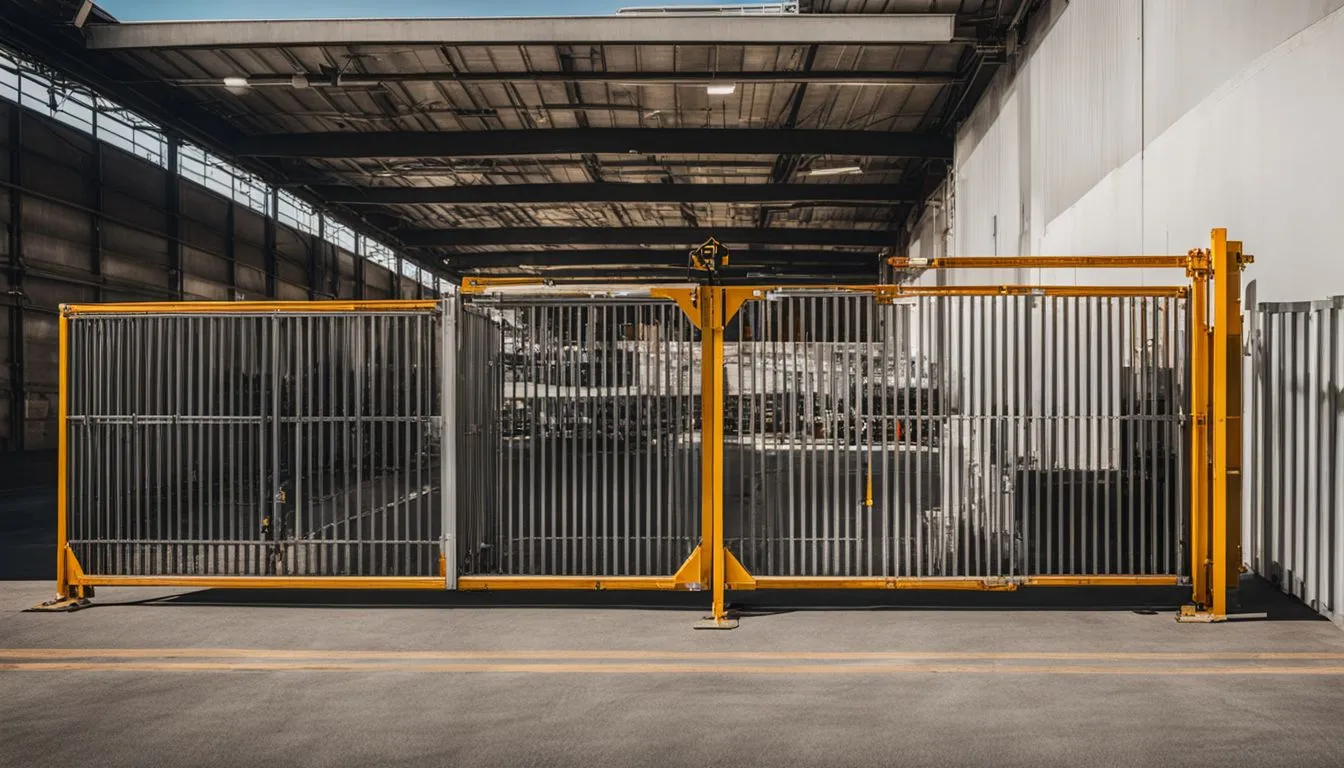
Keeping your loading dock safe can sometimes feel like a bit of an uphill battle, and you’re not alone in feeling that way. We’ve been down the research rabbit hole ourselves to unearth effective solutions that really make a difference.
This piece is all about how investing in Safety V-Gates can be a game-changer for enhancing safety at your loading docks. Stick around, and let’s keep things safe together, mate!
Understanding the Dangers in Loading Docks

Loading docks present various dangers, including risks related to vehicles, trailers, and lifting equipment. Hazards from falls, debris, and liquids are also prevalent in these areas.
Risks related to vehicles, trailers, and lifting equipment
Vehicles, trailers, and lifting equipment play a crucial role in the efficiency of loading docks but come with significant risks. Incorrect use or failure of this equipment can lead to severe accidents involving both vehicular and human traffic.
We focus on accident prevention by understanding these risks and implementing safety solutions.
Forklifts moving unpredictably, trailers detaching unexpectedly, or lifting gear malfunctioning are common scenarios that endanger lives and disrupt operations at loading docks. Through effective traffic management at loading docks and the integration of physical barriers like V-Gates, we aim to reduce these risks considerably.
Safety training for employees is vital in ensuring everyone knows how to operate within a safe environment, hence reducing workplace safety incidents related to vehicles and machinery.
Hazards from falls, debris, and liquids

We all understand the importance of ensuring safety at our loading docks. Falls, debris, and liquids present significant hazards that can cause accidents within these areas. Workers often face risks of slipping on wet or oily surfaces, tripping over scattered debris, or falling from heights while moving goods.
These incidents not only harm employees but also disrupt operations and lead to financial losses.
To mitigate these dangers, we actively adopt measures such as installing physical barriers for loading dock safety and enforcing strict cleaning protocols to manage spills immediately.
By focusing on creating a safer work environment, we aim to reduce the risk of accidents involving forklift traffic control and pedestrian safety around delivery areas. Our commitment to workplace safety includes prioritising accident prevention through practical actions that protect everyone accessing our loading bays.
The Role of Safety Design in Loading Docks
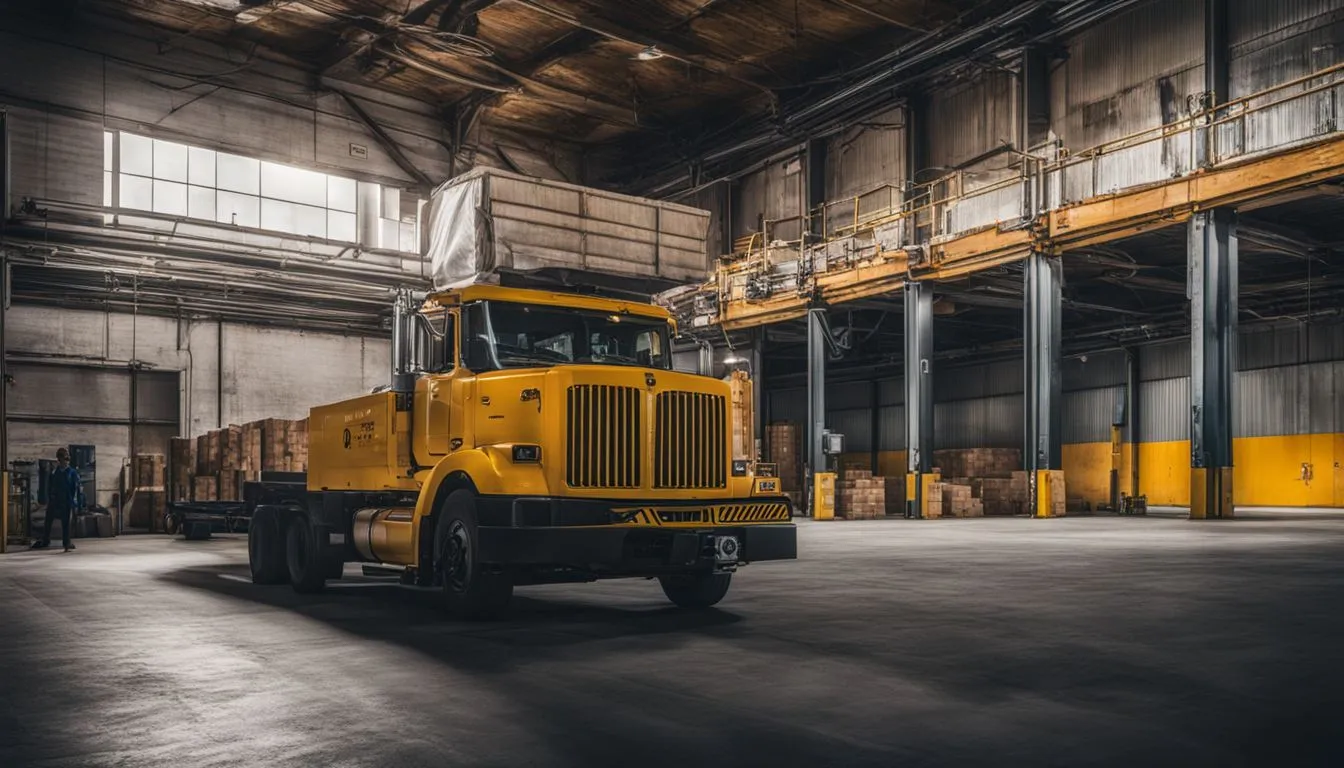
When it comes to loading dock safety, the design of the area is crucial. Safety design elements not only ensure efficiency but also play a pivotal role in accident prevention.
Importance of safe design elements
We know the significance of incorporating safe design elements in loading docks. Good design minimises risks associated with vehicle and pedestrian traffic, ensuring a safer environment for everyone involved.
This includes installing safety barriers and bollards to prevent accidents between forklifts, pallet trucks, and people walking around.
By focusing on workplace safety through effective design, we can significantly reduce the number of accidents at loading docks. The introduction of V-Gates is a prime example of how innovative solutions can provide physical barriers that offer protection against falls from heights and manage vehicular movements more efficiently within delivery areas.
Introduction of V-Gates for enhanced safety
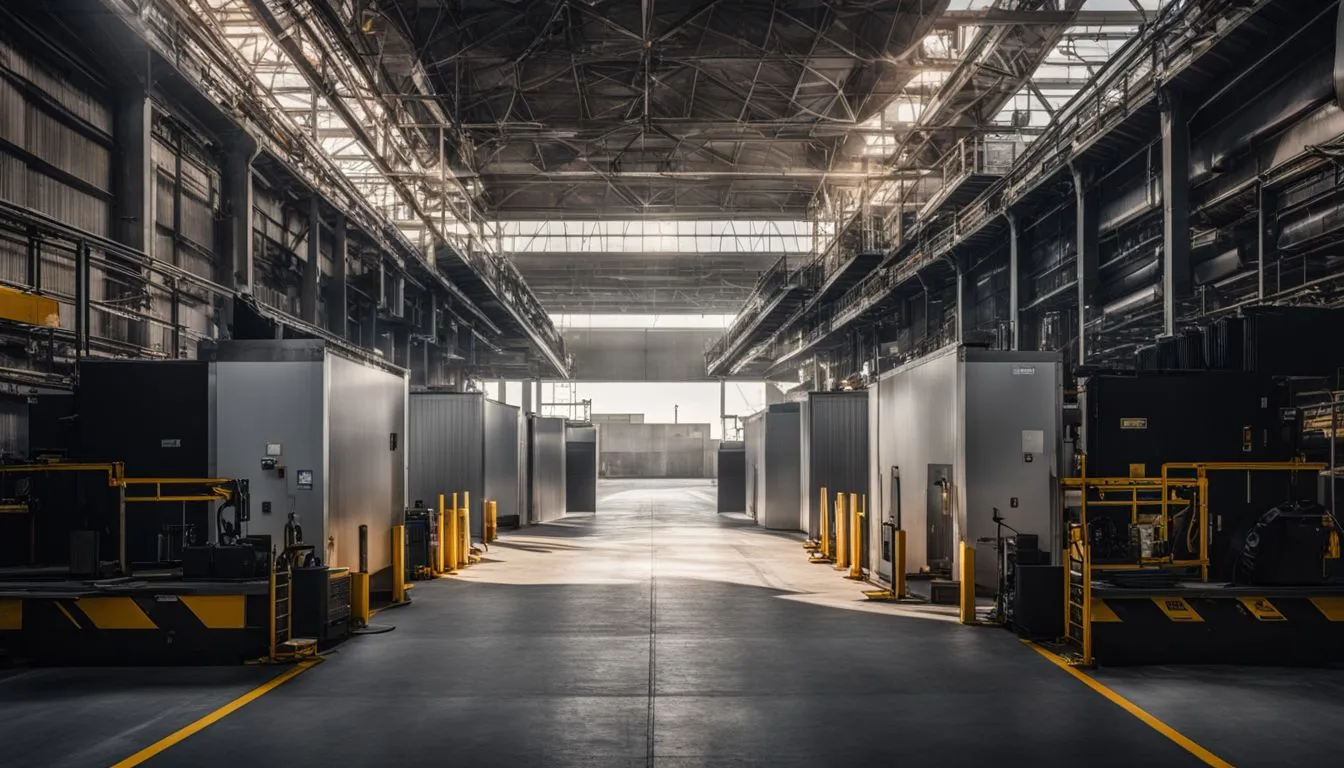
Transitioning from the essential elements of safe design, we introduce V-Gates as a significant step forward in enhancing safety at loading docks. Our focus is on preventing accidents and ensuring a safer environment for both vehicular and human traffic in these high-risk areas.
Implementing V-Gate systems offers a practical solution to manage the flow of forklifts, pallet trucks, and pedestrians effectively.
V-Gates work by creating physical barriers that control access to certain sections of the loading dock. This method significantly reduces the risk of collisions and accidental falls.
By integrating these gates into our safety protocols, we’re not just adhering to OSHA regulations; we’re setting a new standard in workplace safety for loading docks. Their presence serves as a constant reminder of designated movement areas, directing traffic efficiently while keeping everyone’s well-being front and center.
Integrating Safety Barriers and Bollards in Loading Dock Design
We know how vital safety is at your loading docks. Integrating safety barriers and bollards into your design plays a crucial role in preventing accidents. These physical barriers protect both pedestrians and equipment by clearly defining walkways and vehicle paths.
They act as a first line of defence against vehicle intrusions, significantly reducing the risk of collisions.
Installing these barriers also helps in managing forklift traffic effectively, ensuring that heavy machinery operates safely away from workers and pedestrian areas. By incorporating such measures, we make our loading docks safer for everyone involved, adhering to workplace safety standards and OSHA regulations.
It’s all about creating an environment where safety comes first, blending seamlessly with the day-to-day operations of your business.
Employee Training for Safety Maintenance

Employee training for safety maintenance involves instructing workers on best practices and procedures, as well as the use of safety equipment and barriers to ensure a secure working environment.
Training empowers employees with the necessary knowledge and skills to navigate potential hazards in loading dock operations.
Best practices and procedures
We understand the importance of maintaining a safe environment at loading docks. Our experience has shown that adopting best practices and procedures significantly reduces risks associated with workplace accidents. Here’s a practical guide to enhancing safety at your loading dock:
- Conduct regular risk assessments to identify potential hazards in the loading bay area. This practice helps in spotting dangers early, preventing accidents before they occur.
- Implement a clear system for forklift traffic control to avoid collisions between vehicles and pedestrians. Marking pedestrian lanes and installing physical barriers can guide traffic safely around the workspace.
- Ensure all loading dock equipment, including V – Gates and safety barriers, undergoes routine maintenance checks. This step keeps them in optimal working condition, avoiding malfunctions that could lead to serious accidents.
- Train your staff on occupational safety standards set by OSHA regulations relevant to loading dock operations. Knowledge about these standards is crucial for creating a culture of safety among workers.
- Adopt strict protocols for handling materials safely, especially when using lifting equipment like forklifts and pallet trucks. Proper handling techniques help prevent injuries related to lifting heavy objects.
- Encourage workers to wear appropriate personal protective equipment (PPE) at all times while on the loading dock. This includes hard hats, safety goggles, and slip-resistant footwear.
- Keep the delivery area clean and well – organised to reduce hazards from spills, debris, or misplaced goods that can cause trips or falls.
- Establish emergency response plans that everyone knows how to execute in case of an accident or hazardous situation on the loading dock.
- Promote a safety – first mindset where employees feel empowered to report unsafe conditions without fear of reprisal.
- In efforts to continually improve safety measures, regularly review and update your loading dock’s safety policies in line with new industry insights or technological advancements.
Moving forward from ensuring thorough training and procedures are in place, let’s delve into exploring case studies showcasing successful safety implementations across various industries.
Use of safety equipment and barriers
Shifting from best practices and procedures, we now focus on the practical aspects of safety at loading docks, specifically the use of safety equipment and barriers. As business owners, we play a crucial role in protecting our employees and operations. Here’s how we implement essential safety measures:
- We install V – Gates at the edges of loading docks to prevent accidental falls. These gates act as physical barriers that only open when there’s a need to move goods, effectively reducing the risk of accidents.
- Safety barriers around the perimeter serve as a constant reminder for forklift operators to maintain safe distances from the edge. This is critical in ensuring that both vehicular and human traffic is managed safely.
- Bollards placed strategically can protect equipment and storage areas from accidental impacts by vehicles. They act as an additional layer of security against potential warehouse damage.
- We use clearly marked pedestrian walkways within loading bay areas to ensure there’s a safe path for foot traffic, away from moving machinery and vehicles. This separation helps prevent collisions between pedestrians and forklifts or pallet trucks.
- Visual and audible warning systems are implemented at all dock doors and intersections to alert workers about incoming vehicles or when it’s unsafe to cross paths with operational machinery.
- Dock levelers are fitted with safety lips to prevent them from being driven off accidentally by forklifts, adding another layer of protection against vehicle-related incidents.
- High – visibility clothing is mandatory for all staff working in or around loading docks, making them easily noticeable to drivers and machine operators, thereby reducing the likelihood of accidents.
- Regular inspection schedules ensure that all safety barriers, gates, and equipment remain in optimal condition, ready to provide necessary protection at all times.
Through these measures, we bolster our commitment to maintaining a secure environment in our loading docks, focusing on accident prevention through practical applications of workplace safety strategies tailored for delivery area safety.
Case Studies on Successful Safety Implementations

Let’s delve into some case studies showcasing successful safety implementations in loading dock environments. In one instance, a distribution centre integrated V-Gates to enhance forklift traffic control and pedestrian safety.
As a result, the incidence of accidents reduced significantly, aligning with HSE regulations and national safety programmes for loading docks. Another case study involved the implementation of physical barriers tailored towards preventing accidents at loading docks.
By strategically placing safety barriers and bollards, the facility mitigated risks related to vehicular and human traffic, demonstrating the impact of proactive safety solutions on workplace safety.
In another scenario, a warehouse embraced bespoke loading bay safety solutions by introducing VGate systems alongside employee training initiatives focused on material handling safety.
The combined efforts not only reduced risk but also underscored the value of knowledge and meticulous attention to detail in maintaining workplace safety standards. These successful endeavours unlock the secrets behind effective accident prevention while emphasising that it is advisable for business owners to invest in robust loading dock equipment designed to enhance overall industrial safety measures.
The Value of Knowledge and Safety Awareness

Knowledge and safety awareness are paramount in ensuring loading dock safety. Understanding the specific risks related to vehicular and human traffic, as well as workplace hazards, provides us with the insight needed to implement effective safety solutions.
Keeping abreast of HSE regulations and national safety programmes for loading docks equips us with the necessary knowledge to reduce risk and prevent accidents. By prioritising ongoing education and maintaining a proactive approach towards workplace safety, we can ensure a secure environment for both employees and equipment.
It is advisable that business owners invest in continuous training on loading bay safety to elevate employee understanding of best practices. This includes integrating pedestrian safety at loading docks into our suite of workplace safety initiatives.
Furthermore, fostering a culture of vigilance among staff members will help unlock the secrets to accident prevention while promoting industrial safety throughout our operations.
Balancing Technical and Procedural Aspects of Safety
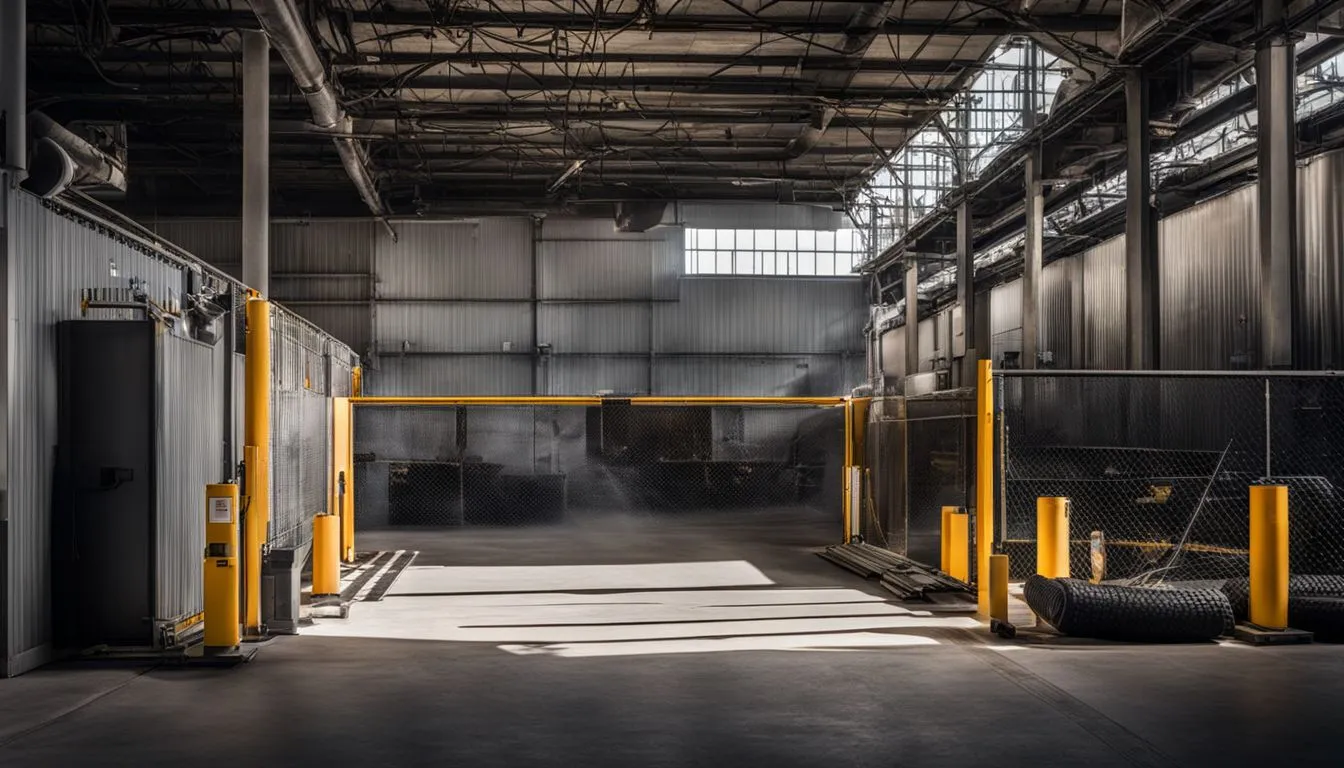
When balancing technical and procedural aspects of safety, it is crucial to integrate practical measures with comprehensive employee training. Implementing V-Gate systems alongside safety barriers at loading docks enhances workplace safety.
These technical solutions should be complemented by clear procedures, regular maintenance, and continuous staff training to ensure a safe working environment.
Moving on to “9. The Impact of V-Gates on Loading Dock Safety”, integrating V-Gates can significantly elevate safety standards at the loading bay area.
The Impact of V-Gates on Loading Dock Safety
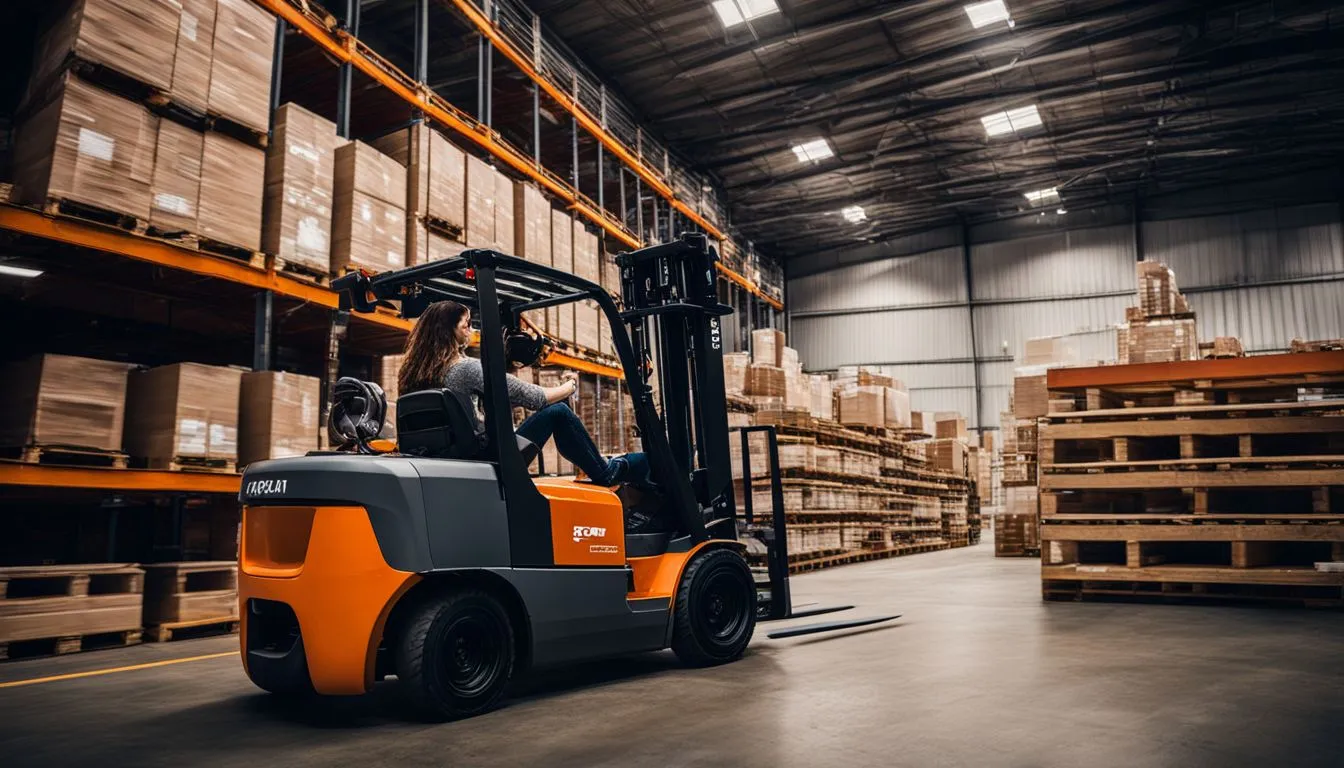
V-Gates play a crucial role in enhancing loading dock safety. These innovative barriers provide a physical barrier between forklift traffic and pedestrian areas, effectively reducing the risk of accidents caused by vehicular and human traffic.
By integrating V-Gates into loading dock design, businesses can actively prevent workplace accidents and comply with HSE regulations. With V-Gates in place, companies create safer environments where material handling activities can be carried out efficiently without compromising on employee safety.
Furthermore, V-Gates contribute to efficient traffic management at loading docks, ensuring that forklifts and pallet trucks operate safely within designated areas while pedestrians are protected from potential hazards.
As business owners seeking to prioritise workplace safety at their premises, investing in V-Gates is an integral part of creating a secure environment that underpins overall warehouse safety.
Moving forward to ’10. Conclusion’, let’s delve into how these strategies culminate into practical benefits for your business.
Conclusion
Revamping loading dock safety isn’t just a necessity; it’s an opportunity to protect our teams and enhance operational efficiency. We’ve explored the dangers lurking at loading docks, from vehicular perils to fall hazards.
Embracing purpose-built design elements and V-Gates can significantly elevate safety without compromising productivity. Have you considered how integrating safety barriers and bollards could fortify your loading bay’s defence? Let’s envision a workplace where everyone is equipped with the know-how to maintain a secure environment for all.
By embracing these strategies, we’re not just preventing accidents, we’re fostering a culture of safety that drives business success. Now is the time to act on these practical solutions, ensuring our workplaces are fortified against potential risks.