
31 January 2024 · filed in Product Highlight
Consistency in Safety: The Role of HD Barriers in the Food Industry

Navigating the choppy waters of food safety can be enough to give anyone a headache, right? Especially when you’re knee-deep in the fast-paced world of the food industry. We know all too well that feeling – squinting at regulations and doing your best to keep everything above board. Turns out, a bunch of recent research points out that most food recalls come from contamination issues that could have been nipped in the bud with a bit more care.
That’s why we’re having a yarn about how crucial high-density (HD) barriers are for safeguarding your grub. Our tips and tricks will help you beef up your processes, so you dodge those common slip-ups; let’s get cracking on making safety as easy as pie. Stick with us, we’re here to help you turn things around and keep those hazards well away from your tucker!
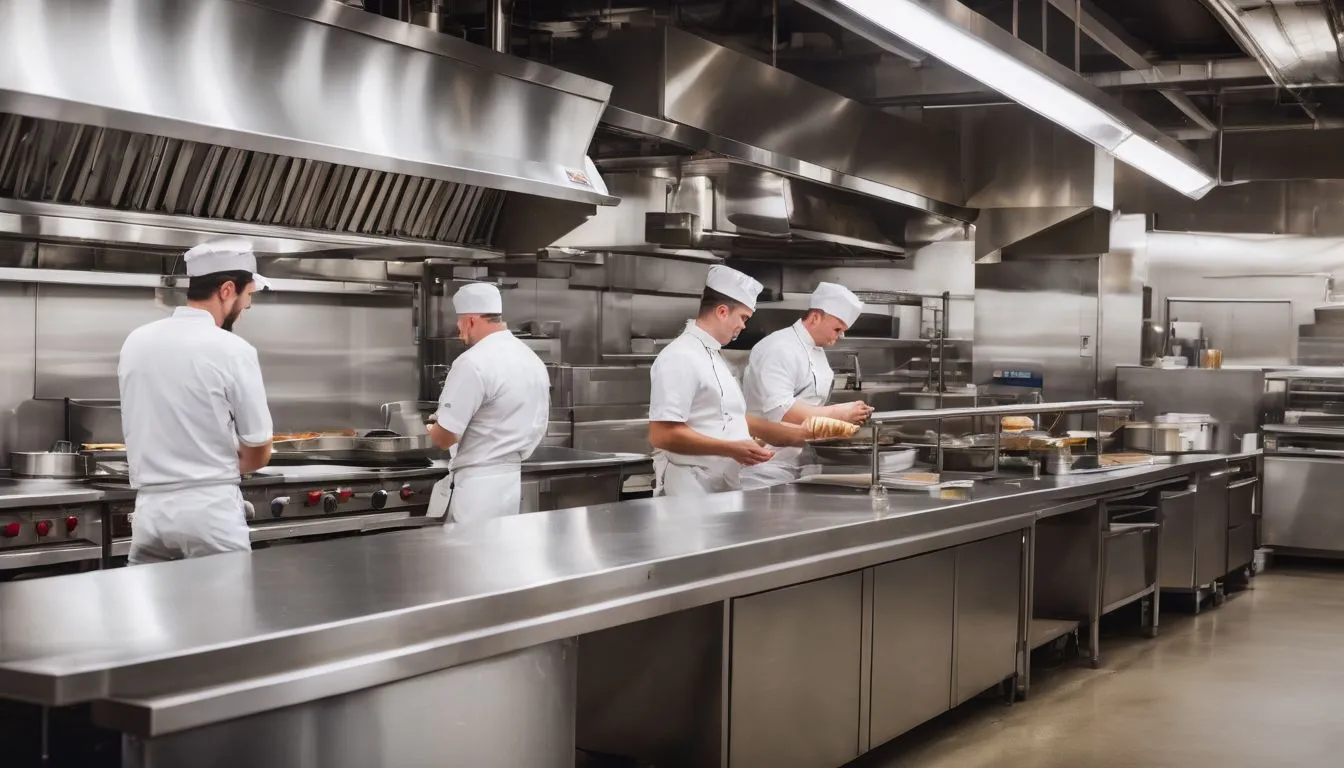
Barriers to Practising Food Safety in the Food Industry
In the fast-paced food industry, time and budget constraints can hinder the proper implementation of food safety protocols. Cultural and language barriers, as well as education and literacy challenges, also play a significant role in creating obstacles to practicing food safety consistently.
Time and budget constraints
We understand that working within tight time frames and limited budgets can often feel like an uphill battle, especially when trying to maintain safety standards in the food industry.
Every minute counts, and spending additional resources on safety measures might seem like stretching your pounds too thin. Yet investing in robust HD barriers and implementing food safety protocols now can save costly incidents down the line.
It’s about balancing immediate costs against long-term gains.
Keeping our workplace safe shouldn’t break the bank or cause us to cut corners with time-sensitive tasks. Smart planning ensures that compliance doesn’t get sidelined by day-to-day pressures.
We prioritise affordable solutions such as using cost-effective yet durable safety barriers, streamlining sanitation processes and ensuring hygiene is maintained without significant downtime or disruption to operations.
This approach aligns both financial prudence with our commitment to consistency in safety controls and regulations, safeguarding not just our workers but also our bottom line.
Cultural and language barriers
Implementing safety measures in the food industry can be challenging, especially when faced with cultural and language barriers. In a diverse workplace, clear communication is crucial to ensure that all employees understand and adhere to safety protocols.
By providing multilingual training materials and offering language-specific safety workshops, businesses can bridge these gaps and create a safe work environment for everyone involved.
Educating staff about the importance of workplace safety in their native languages helps cultivate a culture of understanding and compliance. Additionally, promoting cultural sensitivity within the organisation fosters respect among employees from different backgrounds.
Embracing diversity through effective communication channels allows for better integration of safety practices across all levels of the business.
Education and literacy challenges
Transitioning from cultural and language barriers to education and literacy challenges, it’s important to address the issue of varying levels of education among employees in the food industry.
Limited literacy and educational backgrounds can hinder effective communication and understanding of safety protocols. This presents a challenge when implementing workplace safety measures, as clear comprehension of written instructions is crucial for compliance.
It is imperative that training materials are designed with simplicity, incorporating visual aids and practical demonstrations to ensure understanding amongst all staff members.
Inadequate education also affects employees’ ability to comprehend the significance of safety regulations, which may lead to oversight or ignorance of critical procedures. Moreover, language barriers can exacerbate these issues, making it essential for businesses to provide multilingual training resources where necessary.
Lack of employee awareness and training
Ensuring employee awareness and training is crucial in maintaining a safe work environment. Providing comprehensive education and training programmes helps employees understand the importance of safety barriers, such as protective equipment and protocols.
Regular training sessions on proper barrier usage, risk management, and quality control not only enhance workplace safety but also contribute to increased productivity and profitability.
Investing in ongoing education ensures that all staff are equipped with the knowledge and skills necessary to uphold food safety regulations.
Implementing continuous training programmes supports healthcare workers by enabling them to comply with safety measures effectively. Education on the use of safety barriers fosters consistency in food safety controls, creating a secure environment for both employees and customers.
Supplier issues
To maintain food safety, we recognise the significance of addressing supplier issues. Ensuring that suppliers adhere to high-quality and safety standards is critical in safeguarding the integrity of our products.
We actively engage with our suppliers, providing clear guidelines and expectations regarding safety protocols. Through open communication channels and regular audits, we work collaboratively to ensure that their practices align with our commitment to food safety.
Subsequently, we take proactive steps to address any identified gaps or concerns and provide necessary support or training where needed. Our focus on building strong partnerships with our suppliers not only strengthens our supply chain but also reinforces our dedication to consistently delivering safe and high-quality products to our customers.
High-risk customers
To maintain a safe work environment, business owners must also consider the potential risks associated with high-risk customers. These customers may have specific dietary restrictions, allergies, or health conditions that require extra care and attention when handling food products.
Implementing safety barriers such as clear signage on allergen information, designated food preparation areas for special dietary requirements, and proper communication between staff and customers can help mitigate any potential hazards and ensure the safety of all patrons.
By incorporating these safety measures to accommodate high-risk customers within their establishments, business owners not only demonstrate their commitment to customer well-being but also reduce the risk of incidents that could harm individuals or tarnish the reputation of their businesses.

Implementing Safety Barriers to Overcome these Barriers
To overcome the barriers to practising food safety in the food industry, we need to implement proper training and education for all employees, as well as the implementation of food safety protocols and regular inspections and audits.
Additionally, using safety barriers and protective equipment can further ensure a safe work environment.
Proper training and education
To ensure workplace safety, it is crucial to provide staff with proper training and education on food safety protocols. Educating employees about potential hazards, hygiene standards, and safe practices helps in creating a culture of awareness and understanding within the organisation.
This leads to enhanced compliance with food safety regulations and contributes to maintaining a safe work environment for both employees and customers.
Implementing comprehensive training programmes equips staff with the knowledge and skills necessary for handling food safely, minimising the risk of contamination or mishandling. Additionally, ongoing education initiatives enable employees to stay updated on the latest industry standards and best practices, fostering a proactive approach towards maintaining consistency in safety measures within the workplace.
Implementation of food safety protocols
To ensure workplace safety and protect the food industry from potential hazards, we prioritise the implementation of food safety protocols. This involves strict adherence to hygiene regulations and best practices, such as proper handwashing, sanitisation of surfaces and equipment, safe food handling procedures, and maintaining a clean environment.
By enforcing these protocols consistently, we can mitigate the risk of contamination and ensure the highest standards of food safety for our customers.
Regular monitoring and documentation are integral to ensuring compliance with these protocols. We conduct routine inspections to identify any lapses or areas requiring improvement.
Regular inspections and audits
To maintain the effectiveness of our food safety protocols, we conduct regular inspections and audits. These activities are crucial to ensure that all safety barriers and protective equipment are in place and functioning as intended.
During inspections, we evaluate the condition of safety barriers, such as HD barriers, to identify any signs of damage or wear that may compromise their effectiveness. Audits help us verify compliance with food safety regulations and assess the overall performance of our safety measures.
By consistently conducting these evaluations, we can promptly address any issues that arise and make necessary improvements to uphold a safe work environment.
Conducting regular inspections and audits allows us to proactively address potential hazards and maintain a high standard of workplace safety. It enables us to demonstrate our commitment to ensuring food safety through workplace barriers while also providing peace of mind for both employees and customers.
Use of safety barriers and protective equipment
When ensuring workplace safety through regular inspections and audits, it’s essential to also focus on the use of safety barriers and protective equipment. By incorporating physical barriers such as handrails, guardrails, and personal protective equipment like gloves and goggles, businesses can significantly reduce the risk of accidents and injuries.
This proactive approach not only safeguards employees but also minimises operational downtime due to workplace incidents. Additionally, adhering to safety protocols helps in maintaining regulatory compliance while fostering a culture of employee well-being.
Protective barriers play a crucial role in preventing workplace hazards within the food industry. Equipping staff with appropriate protective gear ensures that they can execute their duties confidently while prioritising their safety.
The Significance of Safety Barriers in the Workplace
The use of safety barriers in the workplace is crucial for ensuring the protection of employees, equipment, and customers. Implementing safety barriers can lead to improved workplace safety, increased productivity, and ultimately higher profitability for businesses.
Improved workplace safety
Implementing safety barriers in the workplace ensures protection for employees and prevents potential accidents. Regular maintenance and use of protective equipment contribute to a safe work environment, promoting productivity and profitability.
Consistent adherence to workplace safety regulations is essential for mitigating risks and safeguarding the well-being of all staff members.
Adhering to proper safety protocols minimises the risk of damage to the workplace and equipment. Incorporating protective barriers not only enhances workplace safety but also provides economic benefits by reducing the likelihood of costly incidents.
Increased productivity and profitability
By incorporating safety barriers in the workplace, businesses can experience increased productivity and profitability. Implementing proper safety measures not only protects employees and customers but also reduces the risk of workplace accidents.
This subsequently leads to lower insurance premiums and less downtime due to injuries or damage, resulting in enhanced productivity by maintaining a consistent workflow. Moreover, prioritising safety through the use of protective equipment and barriers fosters a positive work environment, which can lead to improved staff morale and higher retention rates.
Business owners benefit from decreased expenses associated with accidents or product recalls when stringent safety measures are put in place. Additionally, investing in safety promotes a positive public image for the company, attracting more customers while minimising potential legal issues related to workplace hazards.
Case Studies
– Brookfield, a leading property developer, implemented safety barriers in their food facilities, resulting in reduced workplace accidents and improved employee morale.
– Alstom, a multinational company specialising in railway equipment, saw an increase in productivity and profitability after implementing safety barriers in their food production processes.
– Admil Adhesives, a manufacturer of adhesive products, experienced better workplace safety and reduced damage to equipment after incorporating safety barriers into their operations.
Brookfield
Brookfield, a leading engineering and construction company, has successfully implemented HD barriers to enhance workplace safety. By strategically placing safety barriers in their facilities, they have effectively protected employees from potential hazards and improved overall safety protocols.
Their proactive approach has resulted in a significant reduction in workplace accidents and injuries.
These measures have also led to increased productivity and profitability for Brookfield. The use of safety barriers has not only safeguarded the workplace but has also created a culture of consistent and reliable safety measures within their organisation.
Alstom
At Alstom, implementation of safety barriers has significantly improved workplace safety. Careful training and education have been instrumental in ensuring staff are aware and capable of using the protective equipment effectively.
Regular inspections and audits play a crucial role in maintaining the high standard of safety measures at all times. This not only protects employees but also increases productivity and profitability for our business.
The significance of safety barriers cannot be understated, especially at Alstom, as they help safeguard against potential workplace damage, creating a secure environment for all staff members to work efficiently and safely.
Admil Adhesives
Admil Adhesives has successfully integrated safety barriers into their workplace, enhancing overall safety and productivity. By implementing robust training programmes, stringent safety protocols, and regular inspections, they have created a culture of safety consciousness among their employees.
This proactive approach not only ensures compliance with food safety regulations but also mitigates potential risks associated with hazardous materials.
The use of protective equipment and barriers at Admil Adhesives has significantly reduced workplace accidents and injuries. As a result, the company has seen improved employee morale and increased operational efficiency.

Conclusion
We have explored the crucial role of safety barriers in promoting consistency and efficiency in the food industry. The practical strategies provided can be easily implemented to enhance workplace safety, protect against potential damage, and ensure compliance with food safety regulations. Emphasising the importance of these approaches, it’s clear that they can lead to significant improvements in maintaining workplace safety standards. For further insights, business owners can explore additional resources on food safety protocols and protective equipment. Let’s take proactive steps towards implementing these strategies to create a safer work environment for all.