
8 March 2024 · filed in Safety Update
Consolidating Hospital Safety with Advanced Safety Barrier Technologies

Maintaining the safety of our hospitals is a mammoth task, one that we’re all too familiar with. In navigating these waters, we’ve uncovered a rather alarming stat, one in five patients experience some form of harm during their stay in hospital.
Our journey has taken us through extensive research, where we’ve stumbled upon the significant impact advanced safety barrier technologies can have. This piece aims to shed light on the remarkable benefits these innovations bring to ensuring our hospitals are as safe as they can be.
Keep your eyes peeled!
The Role of Technology in Enhancing Patient Safety
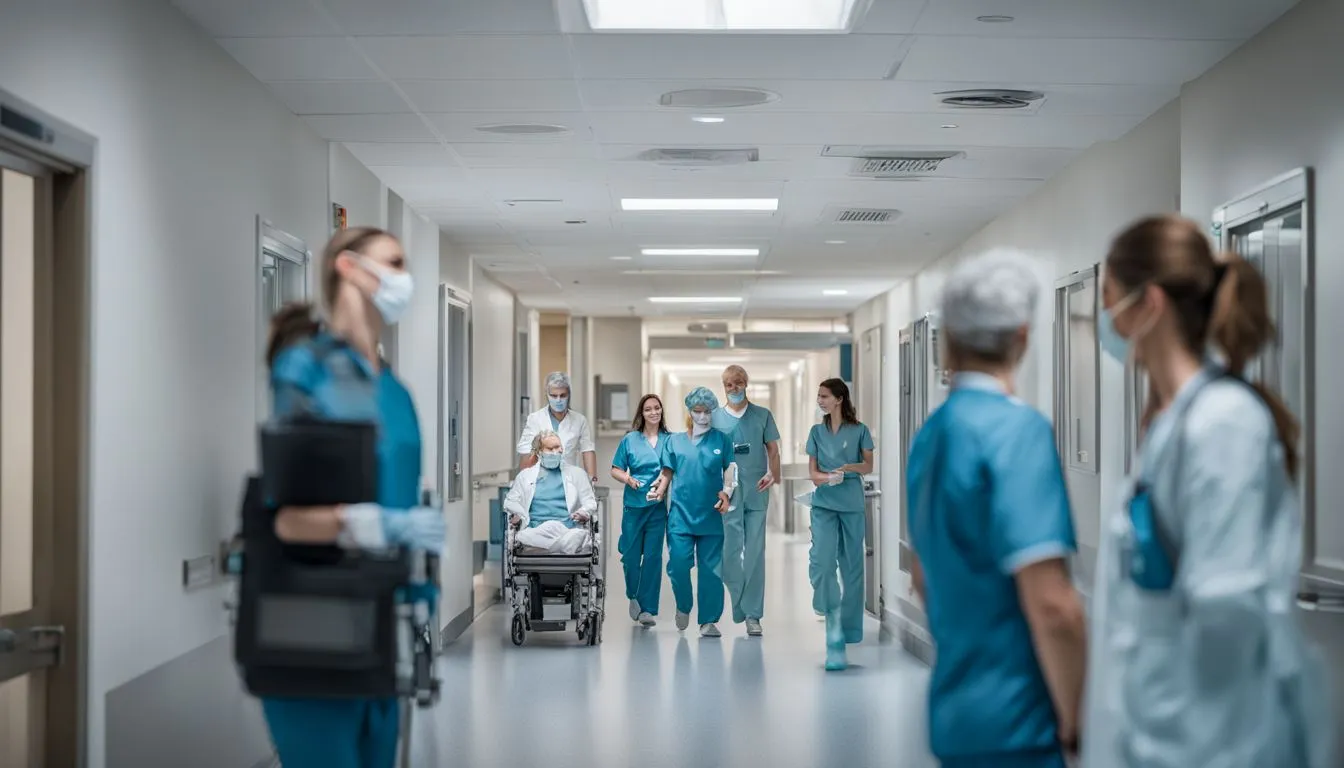
We understand the crucial role technology plays in advancing hospital safety and patient care. Innovations such as advanced safety barriers, digital health interventions, and health information technology are at the forefront of this movement.
They not only streamline patient pathways but also significantly reduce errors, leading to a safer healthcare environment.
Our approach involves integrating these cutting-edge technologies into existing hospital safety protocols. This integration improves communication among healthcare professionals, enhances radiation safety measures, and supports total systems safety in healthcare.
With each technological advancement, we aim to set new standards in patient safety barriers, ensuring every medical facility can deliver exceptional care while prioritising the wellbeing of their patients.
Current Technologies Used in Patient Safety
Hospitals use various advanced technologies to enhance patient safety. These technologies streamline patient pathways, adapt existing technology for clinical utility, and overcome institutional culture restrictions.
Streamlining Patient Pathways

Streamlining patient pathways is at the core of enhancing hospital safety and improving patient care. We focus on making processes more efficient, cutting down on wait times, and ensuring that patients receive the timely care they need.
- We analyse current pathways to identify bottlenecks. Delving into the details of each step, we pinpoint where delays occur and develop strategies to eliminate these slowdowns.
- Technology plays a key role in this strategy. Electronic health records (EHR) enable us to track patient progress in real time, facilitating smoother transitions between departments.
- Simplifying admission procedures is another crucial step. We adopt digital check – in processes that reduce paperwork, making hospital visits less stressful for patients.
- Communication improvements are vital as well. We ensure clear, direct communication between different departments to avoid any confusion or delay in patient care.
- Monitoring outcomes closely helps us refine our approach continuously. With advanced analytics, we assess how changes impact patient flow and adjust accordingly.
- Staff training sessions reinforce the importance of streamlined pathways. By keeping our team informed about new procedures and technologies, we foster a culture that prioritises efficiency and safety.
- Patient feedback informs our efforts significantly. Listening to those we serve helps us understand their needs better and tailor our processes to meet them effectively.
We integrate these elements with an eye towards future innovations in healthcare safety management systems, paving the way for even safer and more efficient hospital environments.
Adapting Existing Technology for Clinical Utility
After streamlining patient pathways, we turn our focus to adapting existing technology for clinical utility. We find innovative ways to repurpose tools and systems already in use within healthcare settings.
This strategy not only saves time and resources but also enhances hospital safety protocols. By modifying digital health interventions, we improve both efficiency and the quality of patient care.
We harness health information technology, transforming it into a more powerful ally against healthcare challenges. Our team integrates advanced safety barriers with current systems to boost their effectiveness in safeguarding patients.
This approach enables us to consolidate hospital safety without starting from scratch, allowing for immediate improvements in healthcare safety management.
Overcoming Institutional Culture Restrictions
We know changing the institutional culture in hospitals to embrace advanced safety barrier technologies can be challenging. It often involves breaking down long-standing practices and introducing new, innovative approaches to hospital safety and patient care.
Our team works closely with healthcare professionals to ensure these transitions are smooth, focusing on training and demonstrating the undeniable benefits of integrating technology in healthcare.
This process not only improves patient safety but also enhances the overall efficiency of healthcare delivery systems. Nurses and doctors quickly see how digital health interventions and health information technology impact patient care positively, leading to widespread acceptance across medical facilities.
Up next: Barrier Technologies in Hospital Safety provides a deeper look into these transformative tools.

Barrier Technologies in Hospital Safety
Barrier technologies in hospital safety play a critical role in safeguarding patients and staff from potential hazards, promoting secure environments, and enhancing overall safety.
To learn more about the importance of these advanced safety measures, delve into our insightful article on hospital safety.
Overview of Safety Barrier Technologies
We understand the crucial role that safety barrier technologies play in consolidating hospital safety. These include advanced systems designed to protect patients from physical harm, prevent unauthorised access to sensitive areas, and ensure a safe environment for both staff and visitors.
Our focus encompasses innovations like digital health interventions, radiation safety measures, and total systems safety approaches. These technologies integrate seamlessly into hospital infrastructure, offering comprehensive solutions for healthcare challenges.
Our exploration extends to various types of barrier systems ranging from physical barriers that control access to certain areas of a medical facility, to sophisticated software programmes that safeguard patient data against cyber threats.
We also look into the application of health information technology which plays a significant part in improving patient care by minimising errors and enhancing quality improvement in healthcare.
By adopting these advanced safety measures, hospitals can significantly fortify their security protocols and improve overall healthcare safety management.
Importance of Safety Barriers in Hospitals
Safety barriers in hospitals play a crucial role in maintaining patient safety and enhancing hospital security. These advanced measures, including radiation safety barriers and digital health interventions, protect patients from potential hazards within the medical facility.
They ensure that both healthcare workers and patients are shielded from unnecessary risks, promoting a safe environment for healing and care.
Implementing these barrier systems requires careful planning and integration into existing healthcare safety management frameworks. By adopting such technologies, we create layers of protection that contribute to the overall well-being of everyone within the hospital setting.
Moving on, let’s explore some recent advances in safety barrier technologies that continue to push the boundaries of hospital safety further.
Recent Advances in Safety Barrier Technologies
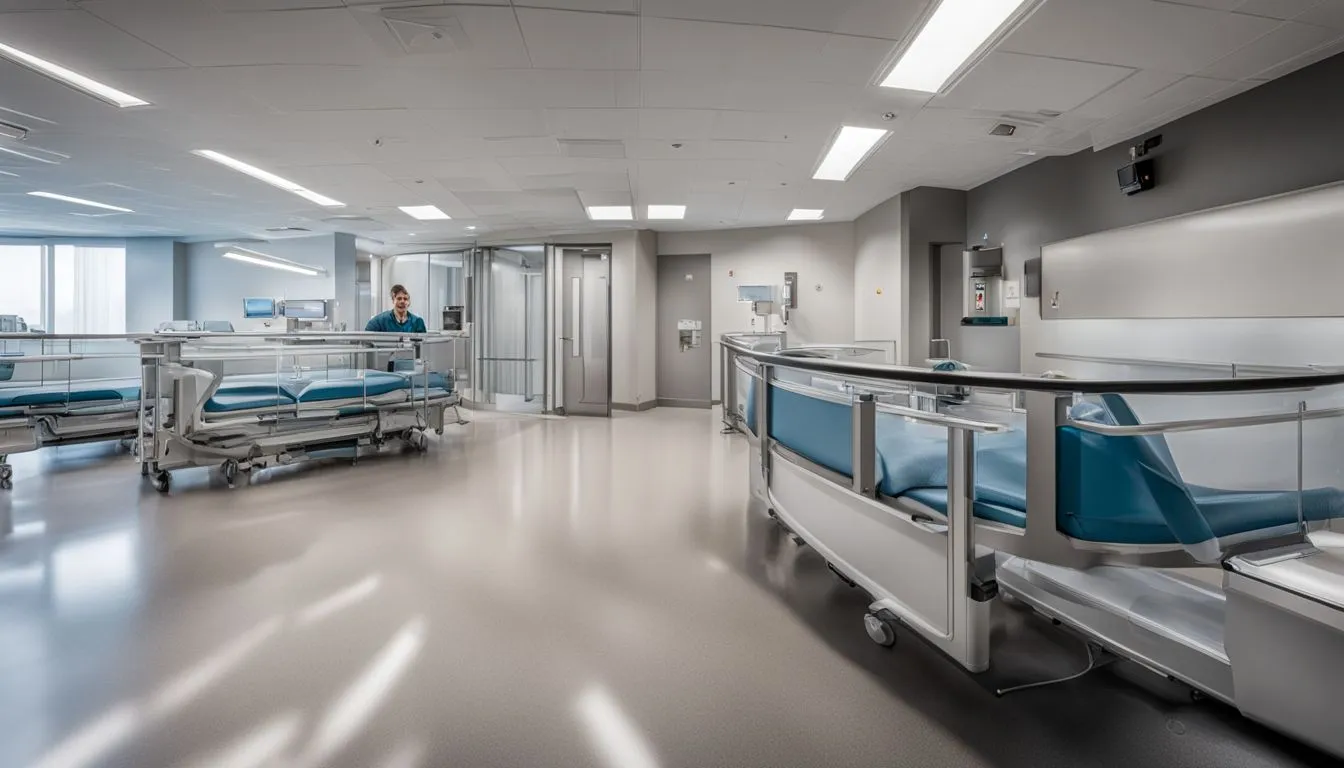
Recent advances in safety barrier technologies have revolutionised hospital safety, ensuring a higher level of protection for both patients and healthcare workers. To learn more about the cutting-edge developments in this field, read on!
Innovations Focused on Safety Barriers
We’re always on the lookout for ways to push hospital safety further. Our commitment has led us to explore advanced safety barrier technologies that consolidate hospital security and patient safety.
Innovations now include smart barriers capable of adjusting themselves based on real-time data, offering a dynamic approach to controlling access and ensuring sterile environments.
Our team is also integrating digital health interventions with traditional safety barriers. This blend not only strengthens physical controls but enhances them with digital oversight, creating a comprehensive safety management system.
These steps forward in healthcare safety leverage technology like AI and IoT, making hospitals safer for both patients and staff.
The Future of Safety Barrier Research
As we look ahead, the future of safety barrier research in hospitals holds promising developments. Innovations are reshaping the landscape as new technologies continue to emerge, focusing on enhancing patient safety within healthcare facilities.
Predictions for future developments suggest a potential impact on patient safety and overall hospital infrastructure. Advanced safety barriers will play a pivotal role in improving total systems safety and contributing to quality improvement in healthcare.
The ongoing evolution of these technologies is set to have a profound impact on nursing technology for safety and digital health interventions.
Moving forward, emerging advancements will further refine hospital security through advanced safety measures. As business owners, staying abreast of these innovations is essential for ensuring the continuous enhancement of hospital safety protocols and the efficacy of healthcare facilities.
The Impact of Safety Barriers on Patient Safety
Safety barriers play a vital role in enhancing patient safety within hospital settings. Their presence influences the inner and outer setting, as well as the individuals involved, ensuring a safer environment for patients.
For more insights into this crucial component of hospital safety, continue reading.
Inner Setting
The inner setting of a hospital plays a crucial role in patient safety. From the physical layout to the workflow processes, every detail contributes to the overall safety environment.
Ensuring clear communication channels, well-organised spaces, and efficient equipment availability are essential components in maintaining a safe and secure healthcare facility. Additionally, staff training on safety procedures and regular evaluation of internal protocols are fundamental in upholding a culture of safety within the hospital’s walls.
Moving forward to discussing “Outer Setting” which delves into external factors impacting hospital safety management systems.
Outer Setting
The outer setting of hospital safety involves the external factors that can impact patient safety, such as government regulations, community resources, and healthcare policies. These elements play a crucial role in shaping the context within which hospitals operate and deliver care to patients.
The outer setting also encompasses the broader social, economic, and political influences that can affect hospital safety practices and the implementation of advanced safety barrier technologies.
Additionally, it includes considerations related to geographical location, climate, and access to emergency services.
In today’s dynamic healthcare landscape, understanding the outer setting is vital for business owners seeking to consolidate hospital safety with advanced safety barrier technologies.
Characteristics of Individuals Involved
Individuals involved in hospital safety encompass a diverse spectrum, including healthcare professionals, administrators, and support staff. The commitment of these individuals to patient safety is vital.
Their dedication directly impacts the effective implementation of advanced safety barrier technologies and ensures the well-being of patients remains at the forefront. Staff are trained to embrace new tools and techniques for enhancing hospital security while providing superior care.
Healthcare professionals are equipped with the knowledge and expertise necessary to navigate complex health information technology systems effectively. Administrators play a crucial role in coordinating organisational efforts for integrating new safety management systems seamlessly into existing infrastructure.
In addition, support staff contribute through their diligence in maintaining a safe environment for both patients and colleagues alike.
Moving forward, understanding how each group interacts within this system will be instrumental in shaping future developments in hospital safety protocols.
Challenges in Implementing Safety Barriers

Implementing safety barriers in hospital settings can present significant obstacles, including identifying complex barriers and overcoming facilitators in the system. Overcoming these challenges requires a strategic approach and a deep understanding of the nuanced interplay of factors affecting safety implementation.
Identifying Barriers
Identifying Barriers
- Hospital Infrastructure: Assessing the compatibility of safety barrier technologies with existing hospital infrastructure and layout, including the integration with other safety systems such as radiation safety and security protocols.
- Financial Constraints: Evaluating the cost implications of implementing advanced safety barriers within the total systems safety framework, ensuring alignment with budgetary allocations and exploring potential funding sources or grants.
- Staff Training: Reviewing the need for comprehensive training programs to familiarise healthcare staff with the operation, maintenance, and troubleshooting of new safety barrier technologies.
- Regulatory Compliance: Ensuring that advanced safety barrier technologies meet all necessary regulatory standards and guidelines, while also navigating potential legal ramifications or liabilities in their implementation.
- User Acceptance: Understanding potential resistance from staff members towards adopting new safety technologies and addressing concerns about their impact on daily workflow routines or patient care.
Now let’s delve into Overcoming Facilitators.
Overcoming Facilitators
Overcoming Facilitators
- Understanding Institutional Needs: We tailor our technologies towards the specific requirements of your healthcare facility, ensuring seamless integration and minimal disruption to existing operations.
- Collaborative Training Programmes: Our comprehensive training programmes not only equip your staff with the necessary skills but also promote a culture of safety, fostering proactive engagement in utilising advanced safety barriers.
- Streamlined Implementation Process: Employing a meticulous approach, we navigate the complexities of implementing safety barriers, ensuring a seamless and tailored integration into your hospital infrastructure.
- Dedicated Support Systems: Our support systems are designed to enhance efficiency and address any challenges that may arise during the adoption phase, providing robust solutions for long-term success.
- Continuous Monitoring and Feedback Mechanisms: We provide advanced monitoring tools to enable real-time feedback, allowing for agile adjustments and ongoing improvement in safety barrier utilisation within your medical facility.
Emerging Technologies for Hospital Safety Management Systems

Emerging technologies like sensors, Internet of Things (IoT), Artificial Intelligence (AI), and blockchain are transforming hospital safety management systems. These cutting-edge innovations promise to revolutionise patient care by enhancing security and efficiency within healthcare facilities.
The Use of Sensors in Healthcare
Sensors play a pivotal role in healthcare, offering real-time monitoring of various vital signs and parameters. These sensors are designed to enhance patient safety and improve the overall quality of care.
By utilising sensors, healthcare facilities can track patient movement, monitor medication adherence, and detect environmental changes such as temperature and humidity levels. This level of data allows for more proactive decision-making while ensuring a safer environment for patients.
Moreover, sensors can also be integrated into wearable devices to provide continuous health monitoring for patients outside the hospital setting. This can facilitate early detection of potential health issues or emergencies, ultimately leading to better patient outcomes and reduced readmission rates.
The Role of Internet of Things (IoT) in Healthcare
The Internet of Things (IoT) plays a crucial role in healthcare by connecting medical devices and systems to enable data collection and analysis. It facilitates real-time monitoring of patient health, enhances operational efficiency, and improves decision-making processes.
IoT devices such as wearable sensors can track vital signs and send alerts to healthcare providers, ensuring timely interventions. Additionally, IoT promotes the seamless integration of various healthcare systems, streamlining communication and data sharing for better patient care.
As technology continues to advance at a rapid pace, it’s essential for business owners in the healthcare industry to recognise the immense potential of IoT in enhancing patient safety and overall hospital management.
The Application of Artificial Intelligence (AI) in Hospital Safety
Artificial Intelligence (AI) is revolutionising hospital safety by actively identifying potential risks and preventing adverse events. AI algorithms can analyse patient data to predict potential complications, allowing healthcare professionals to intervene proactively.
Moreover, AI facilitates the automation of routine tasks, optimising operational efficiency and reducing the margin for human error. Integrating AI into hospital safety not only enhances patient care but also contributes to cost-effectiveness and resource management within healthcare facilities.
The seamless integration of AI technologies in hospital safety management systems will undoubtedly shape the future of patient care while maximising operational standards. This innovation fosters a safer environment for patients and staff alike, ensuring that hospitals are equipped with cutting-edge solutions to mitigate risks effectively moving forward.
Blockchain Technologies in Healthcare Management Systems
Blockchain technologies are revolutionising healthcare management systems, offering secure and transparent solutions for data management. By leveraging blockchain, healthcare providers can ensure the integrity and confidentiality of patient records, streamline administrative processes, and safeguard sensitive information from cyber threats.
Blockchain’s tamper-resistant nature enhances trust between stakeholders and reduces the risk of data breaches, ultimately improving the efficiency and reliability of healthcare management systems.
Implementing blockchain in healthcare management systems empowers business owners to embrace innovative solutions that address critical challenges such as interoperability, security, and data silos.
The Future of Safety Barrier Technologies in Hospitals
The future of safety barrier technologies in hospitals involves a continuous drive for innovation and adaptation to address evolving patient safety needs. Advancements in technology are reshaping the healthcare landscape, driving the development of more sophisticated safety barriers to enhance patient safety and overall hospital security.
To explore the exciting possibilities on the horizon for hospital safety, continue reading.
Predictions for Future Developments
We predict that future developments in safety barrier technologies will focus on enhancing patient safety through the seamless integration of advanced sensor systems and artificial intelligence (AI).
These innovative technologies will play a pivotal role in continuously monitoring patient well-being, predicting potential risks, and proactively alerting healthcare providers of any safety concerns.
Furthermore, the application of blockchain technology is expected to revolutionise healthcare management systems by ensuring secure and transparent access to patient data, ultimately strengthening hospital safety protocols.
As we look ahead, it is clear that these advancements will have a profound impact on patient safety within hospital settings. The implementation of cutting-edge safety barrier technologies will not only bolster overall security but also contribute to the prevention of potential hazards before they escalate.
Potential Impact on Patient Safety
As technology continues to advance in the healthcare industry, the potential impact on patient safety is significant. Advanced safety barrier technologies have the potential to revolutionise patient safety within hospital settings.
These innovative solutions can enhance the inner and outer settings by providing a secure and safe environment for patients, staff, and visitors. The implementation of robust safety barriers can significantly improve patient safety by reducing the risk of accidents and preventing unauthorised access to restricted areas.
Additionally, these advancements play a crucial role in ensuring a safe and secure healthcare environment, aligning with the growing need for total systems safety in healthcare.
Conclusion
We have explored the significant role of advanced safety barrier technologies in enhancing hospital safety, emphasising their practicality and efficiency. The strategies discussed are not only easy to implement but also hold the potential to significantly improve patient safety and healthcare challenges.
For those seeking more than just information, there are additional resources and services available for further exploration. As we close, let’s reflect on how these approaches can lead to remarkable improvements in hospital safety, motivating us all to take action in implementing these innovative solutions.