
11 May 2024 · filed in Safety Update
Creating Safer Workplaces: The Comprehensive Work Place Traffic Management Plan
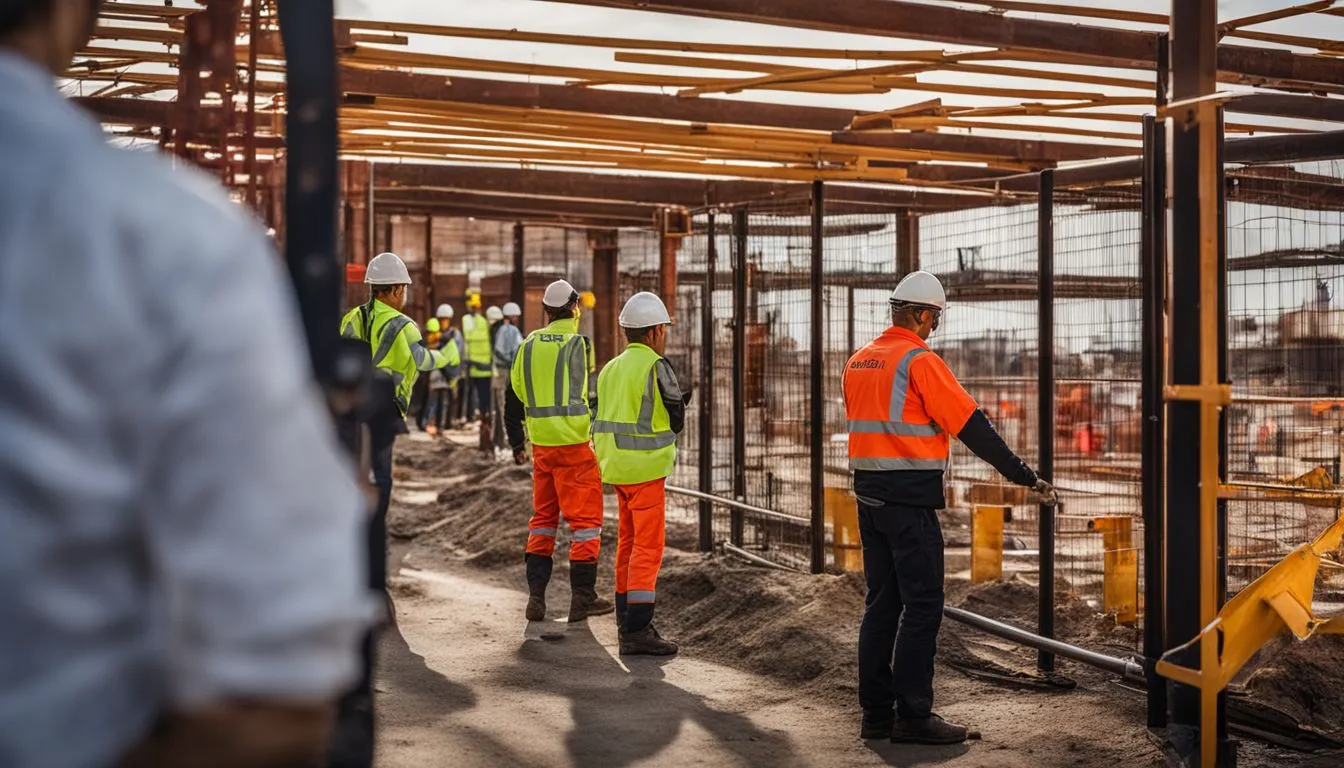
Crikey, creating safer workplaces is a bit of a challenge we’re all up against. We know what it’s like, dealing with the unpredictability of moving vehicles and heavy machinery on site.
Our research has really hammered home how crucial it is to have a solid plan in place, one thing that sticks out like a sore thumb is that proper traffic management can seriously cut down on workplace accidents.
This yarn will walk you through cobbling together a comprehensive workplace traffic management plan, touching on risk assessments, safety training, and why shelling out for quality safety barriers is worth every penny.
Get ready to make your space safer!
Development of a Comprehensive Workplace Traffic Management Plan
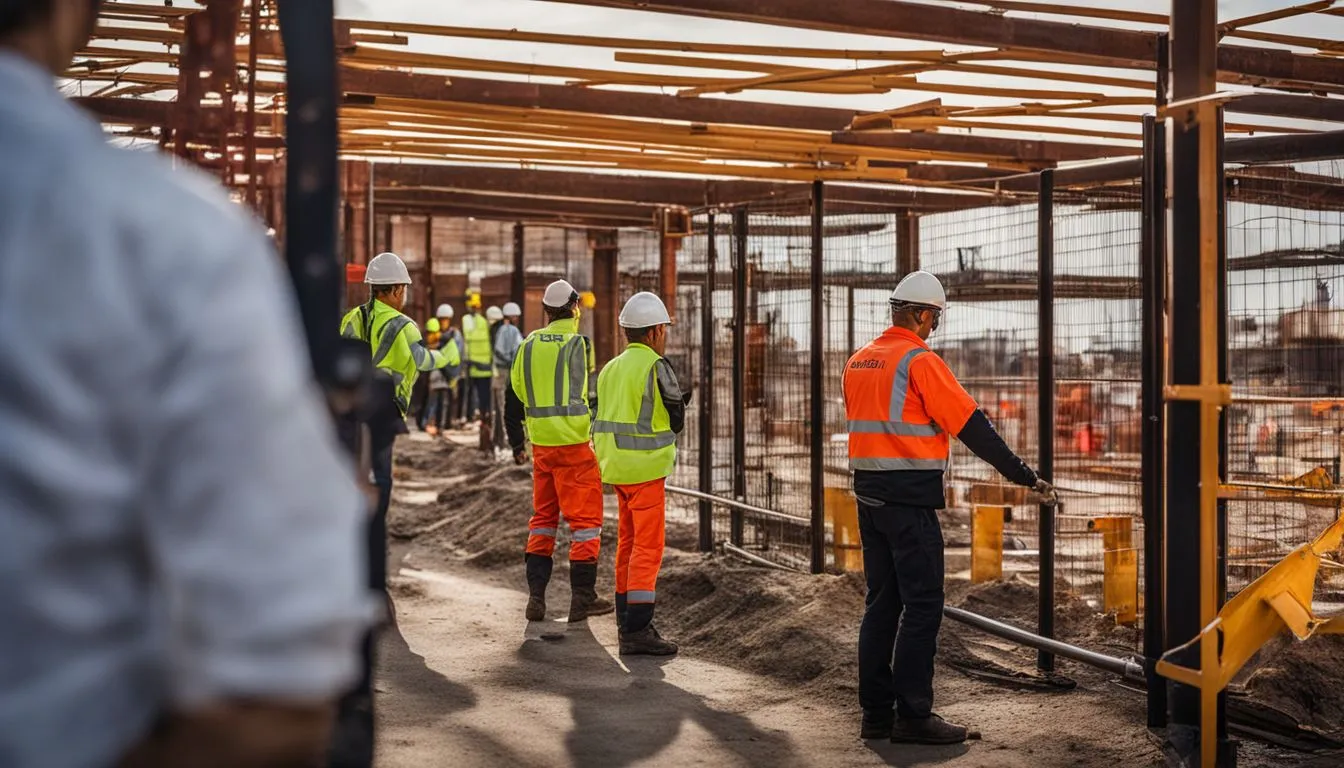
Creating a comprehensive workplace traffic management plan involves conducting risk and hazard assessment, implementing traffic control measures and regulations, as well as providing safety training for effective traffic control.
This ensures a safe work environment for both pedestrians and vehicles within the workplace.
Risk and Hazard Assessment
We understand the critical importance of workplace safety, and a comprehensive risk and hazard assessment is the first step in ensuring a safer work environment. Through this process, we identify potential dangers that could lead to accidents, allowing us to address these issues proactively.
- Identify Traffic Flow Patterns: We start by examining how vehicles and pedestrians move throughout the workplace. This helps us spot any areas where their paths might cross dangerously or where congestion could occur.
- Assess Vehicle Types and Frequency: Different vehicles present varying levels of risk. We take into account the types of vehicles accessing the site, including frequency and operational hours, to gauge potential hazards.
- Evaluate Existing Control Measures: Our team reviews current traffic control measures and regulations in place to determine their effectiveness. We look for gaps that may exist in pedestrian safety or vehicle management protocols.
- Conduct Site Inspections: Regular walk-throughs allow us to identify risks associated with physical layout, signage visibility, lighting conditions, and any temporary obstacles that could impact traffic flow and safety.
- Consult with Employees: Engaging with staff provides valuable insights into encountered risks and effectiveness of existing safety measures from those on the ground every day.
- Review Accident History: Analysing past incidents helps us pinpoint areas for improvement in our traffic management plan development and prevent repeat occurrences.
- Compliance Check with Safety Regulations: Ensuring our practices meet with workplace safety guidelines and occupational health standards protects both our employees and business legally.
- Risk Prioritisation: Once we’ve identified all potential hazards, we prioritise them based on severity and likelihood of occurrence. This enables focused efforts on mitigating high-risk areas first.
- Develop Emergency Response Plans: Preparedness for accidents or unexpected incidents is crucial; hence, creating detailed response plans forms part of our assessment strategy.
Through these steps, we set a solid foundation for creating safer workplaces by significantly reducing workplace hazards related to traffic flow management at construction sites or any other environments where vehicle movement is prevalent.
Traffic Control Measures and Regulations
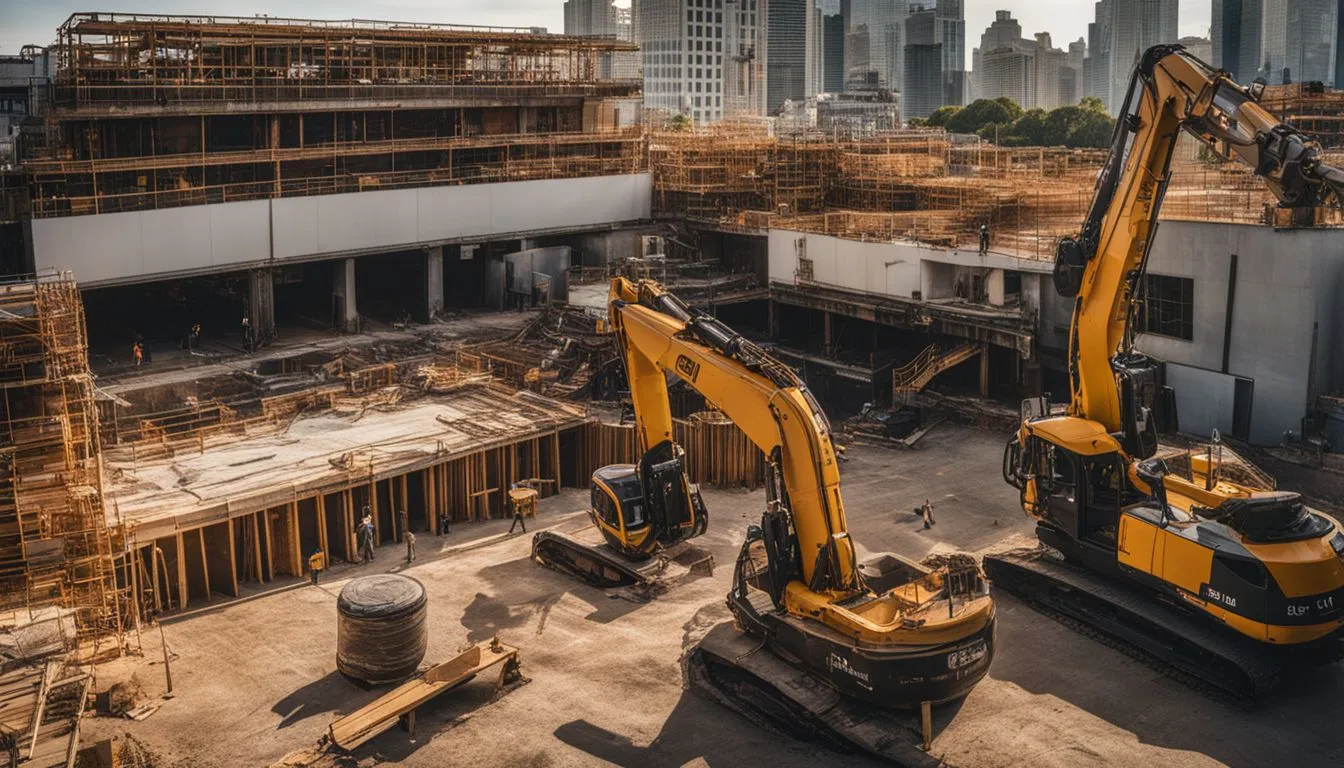
We need to ensure the safety and security of everyone at our workplaces, whether they’re sprawling construction sites or compact office buildings. Crafting a comprehensive workplace traffic management plan involves several critical steps. Here’s how we tackle traffic control measures and regulations to keep our work environments safe:
- Conduct thorough workplace risk assessments to identify potential hazards that vehicles and pedestrians face daily. This process helps us pinpoint areas where traffic control measures are urgently needed.
- Install clear signage throughout the workplace to direct vehicle and pedestrian traffic safely. These signs include speed limits, pedestrian crossings, and vehicle route indicators.
- Implement physical barriers and safety guards in high – risk areas to prevent accidents between vehicles and pedestrians. Such measures are crucial in construction site safety, where the interaction between heavy machinery and workers is frequent.
- Create designated pedestrian pathways separate from vehicle routes whenever possible. This strategy significantly reduces the chance of accidents by keeping foot traffic away from busy vehicular areas.
- Enforce strict adherence to traffic management plans by regularly training employees on safe work practices regarding vehicular movement within the premises.
- Incorporate technology for effective vehicle management, such as speed limiters on company vehicles or electronic logging devices to monitor drivers’ behaviours.
- Regularly review and update our traffic control regulations to reflect any changes in the workplace layout or operations that could impact traffic flow management.
- Engage with professional consultants for a periodic audit of our workplace traffic control measures, ensuring that we comply with national safety guidelines.
- Encourage open communication among all team members about observed hazards or suggestions for improving our current traffic management strategies.
- Establish emergency procedures for accidents related to vehicular movements within our worksites, including rapid response plans and clear reporting protocols.
These steps form the cornerstone of our commitment to maintaining a safe work environment where every team member can perform their duties without fear of accident or injury due to poor traffic management. Through constant vigilance and proactive management, we uphold safety as a paramount concern in every project we embark upon.
Safety Training for Traffic Control
Creating safer workplaces means we all must focus on key areas, especially in developing and enhancing safety training for traffic control. This aspect is crucial for maintaining a safe work environment where both pedestrian safety and vehicle management are prioritised.
- We identify all potential workplace hazards related to traffic, including areas of high pedestrian movement and vehicle operating zones. Understanding these risks allows us to tailor our training programmes effectively.
- Our team designs comprehensive training modules that cover everything from basic traffic control measures to advanced vehicle management strategies. These sessions equip employees with the knowledge they need to navigate the workplace safely.
- We ensure that every staff member involved in traffic management receives hands-on practice with the actual safety barriers and traffic control devices we use on-site. This practical approach reinforces their understanding of how to implement road safety measures correctly.
- Regular refresher courses form a part of our commitment to workplace safety, ensuring that all employees stay updated on the latest traffic management practices and regulations.
- Safety training extends beyond just handling vehicles or pedestrian movement; it also includes emergency response drills tailored specifically to incidents involving workplace traffic hazards.
- We actively engage our workers in discussions about improving traffic flow management within the premises, encouraging them to share insights or concerns based on their daily experiences.
- Incorporating feedback from these training sessions helps us fine – tune our approach to workplace traffic control, making it more effective and responsive to our specific needs.
- Finally, we collaborate with local occupational health and safety experts to verify that our training procedures meet current legal requirements and best practice standards in accident prevention.
Through these steps, we aim not only to educate but also empower our staff with the skills required for managing workplace traffic safely and efficiently.
The Importance of Investing in High-Quality Safety Barrier Products
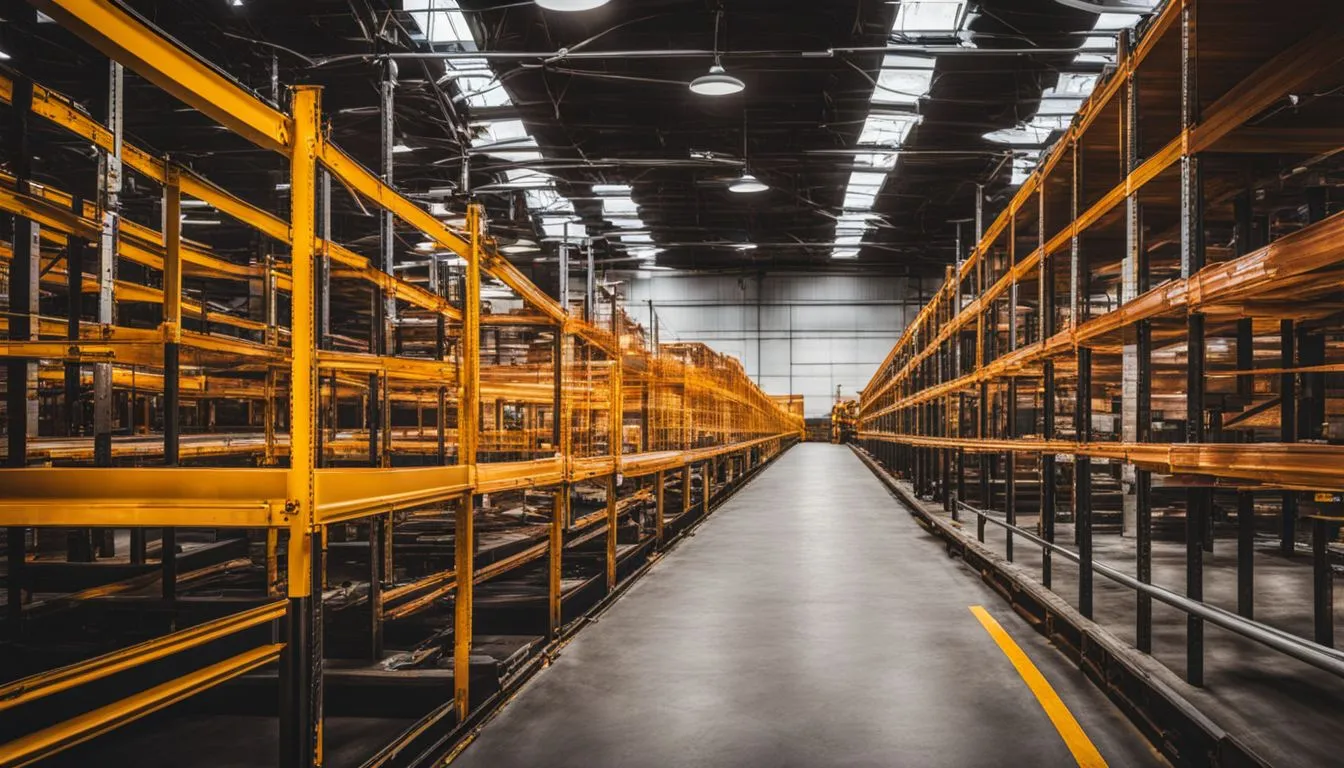
We understand the significance of safeguarding everyone on our premises, which drives us to invest in high-quality safety barrier products. These barriers are essential for directing traffic flow and protecting both pedestrians and vehicles from potential hazards.
High-quality safety barriers offer durability and can withstand harsh conditions, ensuring long-term protection without constant replacements.
Investing in superior safety barriers is not just a choice but a necessity for creating safer workplaces.
Our commitment extends beyond compliance with workplace safety guidelines; it’s about creating an environment where accidents are prevented before they occur. Through careful selection of top-notch barrier products, we lay the foundation for a secure and efficient work environment that prioritises the well-being of every individual on site.
Conclusion
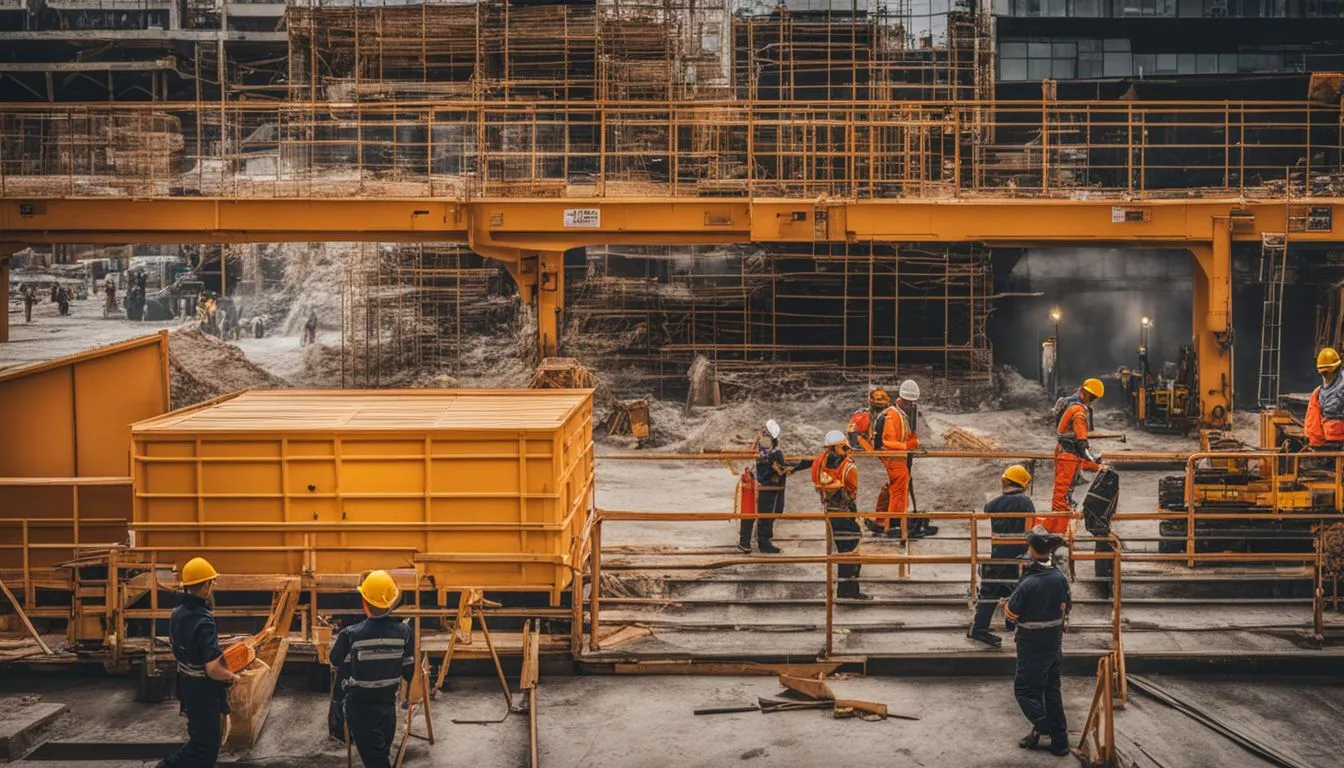
We’ve shared how to create safer workplaces through comprehensive traffic management plans, covering everything from risk assessment to the use of safety barriers. Implementing these measures is straightforward and effective, ensuring both pedestrian and vehicle safety on-site.
Have you thought about how these strategies can be applied in your setting? The impact of prioritising safety cannot be understated, it leads to a more secure work environment for everyone involved.
For further guidance, consider consulting with safety experts or look into advanced training options. Let’s make workplace safety our top priority; it’s an investment in our future that pays off every day.