
31 March 2024 · filed in Product Highlight
Creating a Safe and Healthy Workplace in Food Industry Using Safety Barriers and Bollards
Maintaining a safe workplace in the food industry isn’t exactly a walk in the park. We understand because we’ve been in the thick of it too, juggling to keep everything ticking along nicely without letting safety or health standards slip through the cracks.
Research is on our side, showing that bringing safety barriers and bollards into play can make a real dent in reducing workplace accidents. Our blog’s here to guide you on how to beef up your environment with these handy tools – all so we can keep each other safe out there!
Importance of Safety Barriers in Food Industry
Safety barriers in the food industry secure operations, ensure compliance with safety standards, and provide protection for customers and staff. Investing in safety barriers is a crucial step towards creating a safe and healthy workplace environment.
Securing operations
We ensure our operations are secure by installing safety barriers and bollards throughout the work environment. These protective measures play a crucial role in accident prevention and facility protection.
By strategically placing these barriers, we direct traffic flow and shield vulnerable areas from potential hazards, making our food industry workplaces safer for everyone involved.
Next, we focus on complying with safety standards to further enhance workplace security. Compliance not only meets legal requirements but also instils confidence among our staff and customers that health and safety solutions are at the forefront of what we do.
This commitment helps us maintain high hygiene standards essential in the food processing sector.
Compliance with safety standards
Ensuring our workplaces comply with safety standards is crucial for the food industry. It involves adhering to local and international regulations governing workplace health, hygiene standards, and accident prevention.
We actively engage in updating our practices to meet these requirements, protecting not only our employees but also those we serve.
Regular audits of our safety barriers and bollards help us maintain a high standard of facility protection. By keeping up with industrial safety norms, we prevent any potential hazards that could disrupt our operations or harm individuals within the premises.
This approach supports a safe work environment conducive to productivity and welfare.
Protection for customers and staff
We make staff and customer safety our top priority by installing safety barriers and bollards in our food industry workplaces. These essential tools help prevent accidents, manage traffic flow, and maintain high hygiene standards throughout the production area.
They serve as a physical reminder of safe practices while effectively separating different operational zones.
Next, we explore the various types of safety barriers available for use in the food industry, ensuring that every business owner can find solutions that suit their specific needs.
Types of Safety Barriers used in the Food Industry
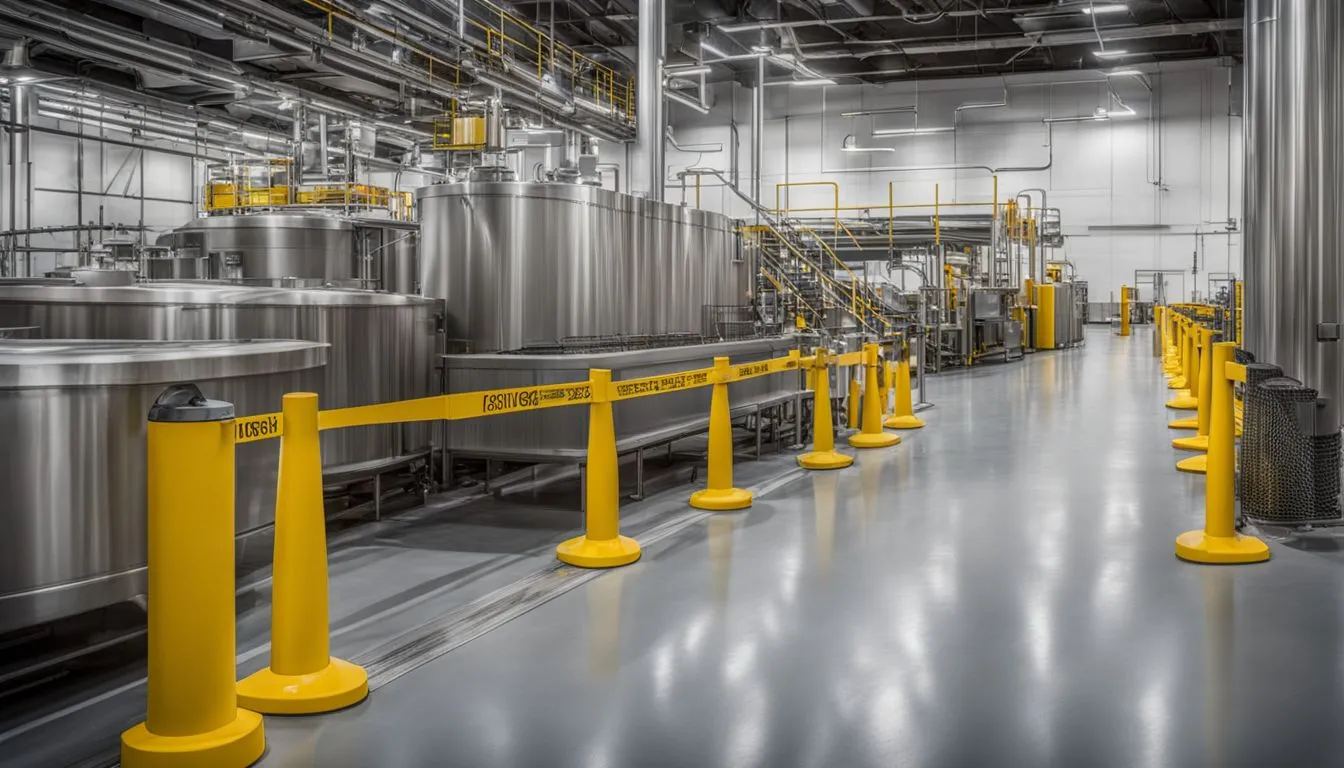
Examples of safety barriers used in the food industry range from traffic barriers to cold storage barriers and racking protection barriers. These essential components provide a safe working environment for all employees and protect production areas.
Traffic barriers
We understand the importance of traffic management within the food industry. Our focus is on using traffic barriers to prevent accidents and ensure a smooth flow of vehicles around production areas.
These barriers play a crucial role in facility protection, guiding vehicles away from sensitive zones such as storage and processing areas. They are an essential part of workplace safety solutions, contributing to a safer work environment for everyone involved.
Installing durable and visible traffic barriers helps us uphold hygiene standards by limiting access to clean zones, thus preventing contamination. This approach not only boosts employee protection but also aligns with occupational health guidelines.
We carefully select safety equipment that meets industrial safety requirements, ensuring our practices reflect the highest safety standards. Next, we discuss pedestrian barriers and their significance in maintaining order and safety within the workplace.
Pedestrian barriers
Pedestrian barriers play a crucial role in creating a safe work environment within the food industry. These safety measures guide foot traffic away from hazardous areas, ensuring that both employees and visitors are protected from accidents.
By installing these barriers around production zones, walkways, and machinery, we significantly reduce the risk of workplace injuries.
Our commitment to accident prevention extends to choosing pedestrian barriers that meet hygiene standards essential for food processing environments. These barrier systems help manage the flow of people efficiently, maintaining clear pathways for emergency exits and operational efficiency.
Investing in quality pedestrian barriers is part of our strategy to uphold health and safety solutions while fostering a culture of awareness and responsibility among our team members.
Topple barriers
Turning from pedestrian barriers, we now focus on topple barriers in the food industry. These are vital for preventing accidents involving equipment or products that could fall and injure workers or damage goods.
We place these barriers around areas where there’s a risk of objects toppling over, providing an extra layer of safety. By installing topple barriers, we ensure safe work environment practices and adhere to occupational health standards.
We choose materials for our topple barriers that withstand heavy impacts and fit various workplace layouts. This flexibility allows us to create a safer space without compromising productivity.
Our commitment to facility protection drives us to continuously seek effective health and safety solutions like topple barriers that stand up to the daily demands of the food industry.
Cold storage barriers
Cold storage areas in the food industry require special attention to ensure both safety and hygiene. We use cold storage barriers to maintain temperature control while effectively managing traffic between different sections of a facility.
These barriers help prevent accidental entry or unnecessary exposure, preserving product integrity and supporting hygiene standards.
Implementing these barriers also plays a crucial role in accident prevention and facility protection. They act as visual and physical cues for workers, reducing the risk of collisions with sensitive areas that could lead to costly damages or contamination.
By integrating cold storage barriers into our workplace safety solutions, we enhance the overall security and efficiency of operations within refrigerated environments.
Racking protection barriers
Racking protection barriers are essential for safeguarding your warehouse and storage areas. They prevent accidental collisions from forklifts or other heavy machinery, protecting both your products and employees.
These barriers also help maintain the integrity of your racking systems, reducing damage and ensuring a smooth operational flow. Investing in racking protection barriers demonstrates a commitment to workplace safety and significantly minimises the risk of accidents in production areas.
By installing racking protection barriers, you create a safer work environment for everyone involved while also keeping your inventory secure. With these measures in place, you can effectively manage production area traffic and reduce the likelihood of costly accidents or disruptions.
Customised barriers like restaurant booth divider, hanging sneeze guards

Customised barriers such as restaurant booth dividers and hanging sneeze guards are crucial for maintaining a safe and healthy workplace in the food industry. These bespoke barriers offer protection for both customers and staff, ensuring hygiene standards are upheld while creating a secure environment.
The use of these tailored safety measures also aligns with occupational health and safety solutions, enhancing facility protection by preventing the spread of contaminants. By investing in these protective barriers, businesses demonstrate their commitment to employee protection and production area management.
Implementing customised safety barriers not only meets stringent food industry regulations but also contributes to accident prevention in the ever-evolving realm of workplace health.
Steps to Building a Safe and Secure Work Environment
To build a safe and secure work environment, we need to ensure that management is committed to enforcing safety policies and guidelines, investing in proper safety equipment, and training employees on safety procedures.
Read more about creating a safe workplace using safety barriers and bollards in the food industry.
Management commitment
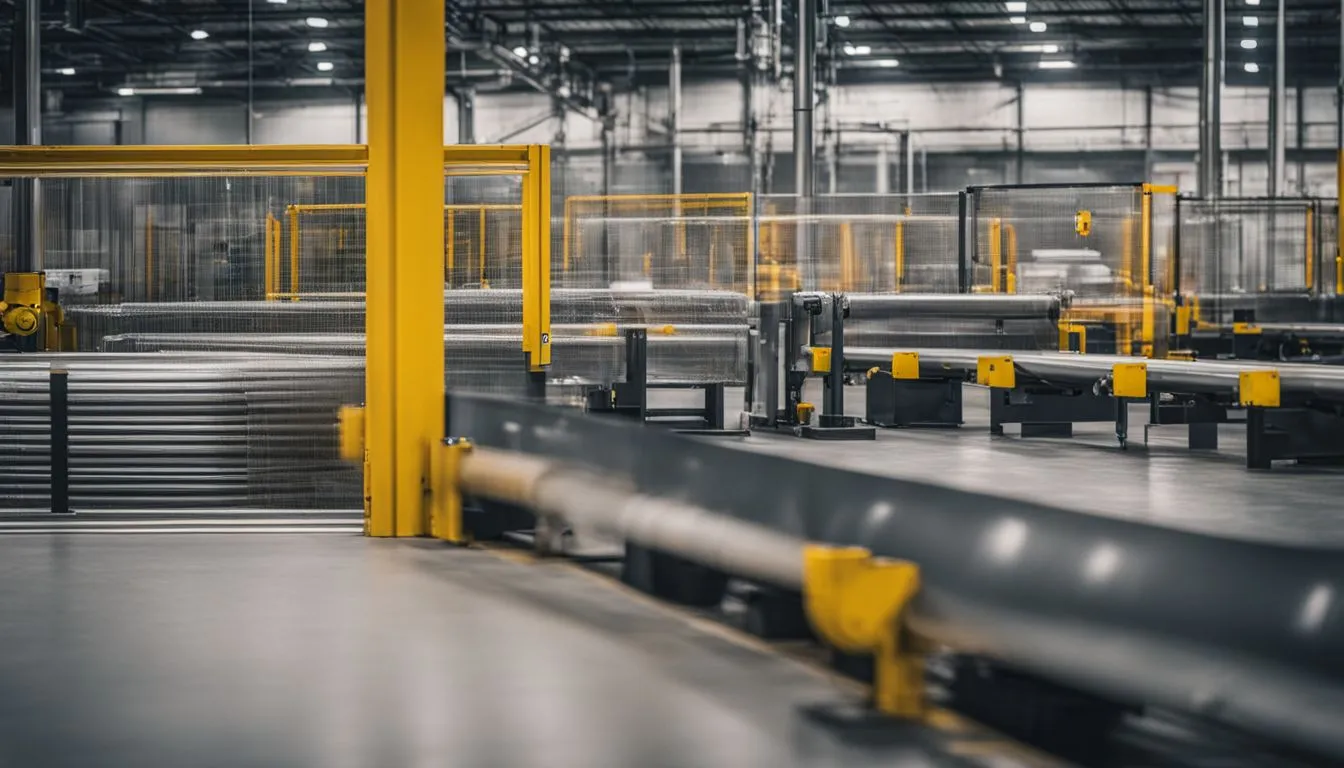
As business owners, we commit to prioritising the safety and well-being of our employees by implementing robust safety measures. This involves actively promoting a culture of workplace safety by providing necessary resources, training, and support for all staff members.
We ensure that safety policies are continuously reviewed and updated in line with industry regulations to maintain a safe work environment. Additionally, we lead by example through regular communication about the importance of workplace safety and ensure that employees feel empowered to report any safety concerns without fear of reprisal.
In building a safe and secure work environment, management commitment plays a crucial role in setting the tone for safety practices throughout the facility. By fostering an open dialogue on workplace health and establishing clear expectations for compliance with safety measures, we demonstrate our dedication towards upholding hygiene standards while safeguarding production areas from potential hazards.
Enforcing safety policies and guidelines
After establishing a strong management commitment to workplace safety, enforcing safety policies and guidelines is the next critical step in creating a safe and secure work environment.
This involves meticulously communicating, implementing, and monitoring safety protocols in line with food industry regulations. Providing regular training sessions for all staff on how to adhere to these measures not only promotes occupational health but also ensures compliance with hygiene standards.
Installing protective barriers such as bollards and traffic management systems around production areas further underpins our dedication towards employee protection while safeguarding facility efficiency.
Investing in proper safety equipment

Investing in proper safety equipment
Investing in proper safety equipment is essential to ensure a safe work environment for employees. This includes providing personal protective gear like gloves, aprons, and non-slip footwear to minimise the risk of accidents and injuries.
Additionally, installing safety barriers and bollards around high traffic areas or hazardous machinery can help prevent collisions and protect both workers and customers from potential harm.
Regular maintenance of this equipment is vital to ensure its effectiveness in emergency situations while also complying with industry regulations.
To further enhance workplace safety standards, it’s crucial to invest in advanced safety technologies such as automated detection systems or alarms that alert staff when there’s a potential threat.
Educating employees on the proper use of safety equipment is equally important in fostering a culture of accountability towards maintaining a secure work environment.
Training employees on safety procedures
Transitioning from investing in proper safety equipment, the training of employees on safety procedures is vital for a safe and secure work environment. Training sessions should cover essential topics such as emergency response protocols, proper handling of equipment, and personal protective gear usage.
Employees need to be educated on hazard identification and risk assessment to ensure that they are equipped with the necessary knowledge to prevent accidents and respond effectively in case of an emergency.
Regular refresher courses can help reinforce these practices and keep safety at the forefront of daily operations.
Conclusion
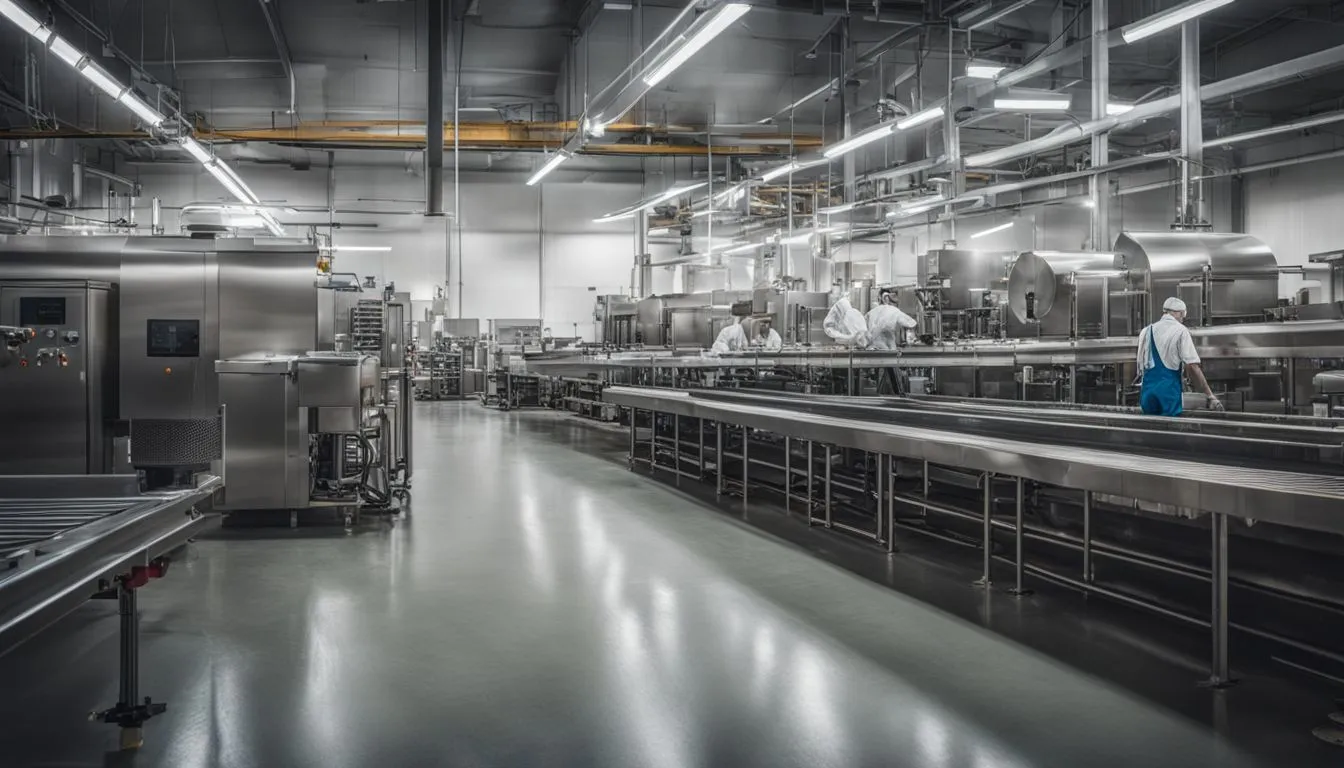
In conclusion, a safe and healthy workplace in the food industry is crucial for maintaining efficient operations and protecting employees. Implementing safety barriers and bollards can significantly enhance workplace safety by preventing accidents and ensuring compliance with hygiene standards.
The practical strategies outlined above, such as securing the production area with tailored barrier systems, offer an efficient approach to safeguarding staff while streamlining traffic management.
How will you incorporate these measures into your business to create a safer work environment? Implementing these workplace safety solutions can lead to significant improvements in employee protection and facility security while reinforcing health and safety standards within the food processing industry.
What steps will you take to further explore or apply these protective barriers in your own facility? This proactive approach not only mitigates potential risks but also underpins a positive culture of occupational health.
For more insights on enhancing safety in different environments, read our article on effective solutions for eradicating safety barriers in hospitals.