
11 March 2024 · filed in Case Study
Discovering the Durability of ECO Barriers: Safety and Sustainability Combined

Navigating the fine line between maintaining safety and championing sustainability can feel like a bit of a tightrope walk for many Aussie businesses, ours included. It’s quite the experience, stumbling upon something as innovative as concrete ECO Barriers, which boast an impressive use of up to 70% recycled materials.
This yarn we’re spinning delves into how these sturdy yet planet-friendly barriers are making waves across various industries. So, hang around as we unpack just what makes them such a ripper choice!
Understanding ECO Barriers
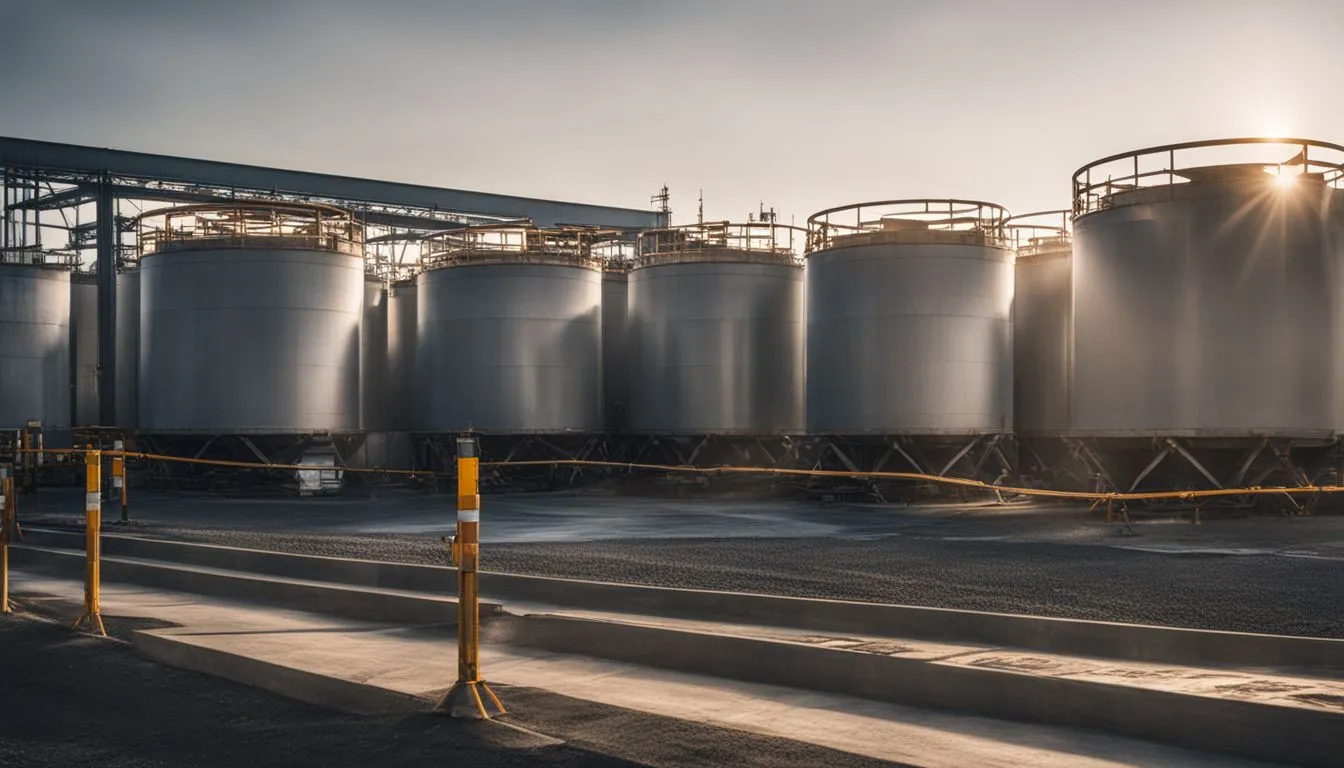
Understanding ECO Barriers involves exploring the definition and purpose as well as the material composition. The components work together to ensure both safety and sustainability are achieved.
Definition and Purpose
ECO barriers serve a dual purpose: ensuring road safety and endorsing environmental sustainability. They are long-lasting safety solutions designed to protect whilst minimising environmental impact.
These barriers utilise sustainable construction materials, including industrial byproducts like fly ash and recycled aggregates. The primary goal is to create safer roads with reduced ecological footprints.
We focus on combining the durability of ECO barriers with their eco-friendly attributes. This approach supports sustainable road management and contributes positively to environmental protection efforts.
Through our work, we aim at setting new benchmarks for ecoinnovation in road safety infrastructure.
Material Composition
We use a blend of eco-friendly construction materials to craft ECO barriers. This mix often includes industrial byproducts like fly ash and recycled aggregates, making full use of materials that would otherwise contribute to landfill waste.
Our choice supports sustainability and ensures the durability of these safety structures.
The material composition directly affects the environmental benefits and life cycle engineering of ECO barriers. We aim for a balance between durability in infrastructure and ecological preservation, ensuring our products offer sustainable road safety solutions.
This approach leads us smoothly into examining the specific durability traits of ECO barriers next.
The Durability of ECO Barriers

ECO barriers demonstrate impressive weather resistance, ensuring longevity and minimal maintenance. Their impact resistance and structural stability make them reliable safety solutions in various environments.
Weather Resistance
Our ECO barriers excel in facing harsh weather conditions. They withstand strong winds, heavy rain, and extreme temperatures without losing their strength or appearance. This durability makes them an exceptional choice for sustainable road safety and infrastructure projects across diverse climates.
We use materials like industrial byproducts, fly ash, and recycled aggregates to boost the eco-friendliness of these barriers. These components not only contribute to environmental protection but also enhance the weather resistance of ECO barriers.
As a result, they serve as long-lasting safety solutions that support green infrastructure initiatives effectively.
Longevity and Maintenance
We ensure the durability of eco barriers through careful selection of sustainable materials and advanced engineering methods. This approach significantly extends their lifespan, making them a long-lasting safety solution.
Regular maintenance checks help identify any potential issues early on, ensuring these ecofriendly barriers continue to offer optimal performance without compromising environmental benefits.
Next, we focus on the impact resistance of our ECO barriers.

Impact Resistance
ECO barriers stand strong against impacts, proving their worth in safety and durability. Tested extensively, these barriers absorb shocks effectively, reducing damage from collisions.
Their design uses ecofriendly construction materials including industrial byproducts like fly ash and recycled aggregates. This composition doesn’t compromise on strength; instead, it enhances the barrier’s ability to withstand harsh conditions.
We focus on developing ECO barriers that offer long-lasting safety solutions while contributing positively towards environmental protection. These efforts ensure businesses can rely on a product that aligns with sustainability goals without skimping on resilience or performance.
Heading into structural stability examines how these barriers maintain their integrity over time, even under stress.
Structural Stability
We ensure the structural stability of eco barriers through advanced engineering and quality materials, including recycled aggregates and industrial byproducts like fly ash. These components contribute to their resilience against physical stresses and environmental conditions, maintaining integrity over time.
Tests show that our eco-friendly barriers stand firm in face of heavy impacts and severe weather changes. This durability not only promotes safety but also extends the lifespan of the barriers, making them a cost-effective solution for sustainable road safety and green infrastructure projects.
The Safety Factors of ECO Barriers
ECO barriers prioritise physical and environmental safety, ensuring that they provide secure protection for all road users. To discover more about the essential safety features of ECO barriers, delve into this informative article.
Physical Safety
We prioritise the physical safety of our communities and workers by incorporating ecofriendly barriers into construction projects. These sustainable road safety solutions significantly reduce the risk of accidents and injuries.
Their sturdy design withstands impacts, ensuring that vehicles stay on their intended path, which keeps both passengers and pedestrians safe.
Our commitment to using durable, long-lasting safety solutions like ECO Barriers also means we contribute to a safer environment without compromising quality or effectiveness. By choosing materials that are not only environmentally friendly but also resilient, we ensure that our constructions stand the test of time while offering maximum protection for everyone involved.
Environmental Safety
Transitioning from physical safety to environmental safety, it’s essential to underscore the importance of ensuring eco barriers contribute positively to the environment. Environmental safety encompasses various aspects such as material sustainability, energy efficiency, waste minimisation, and overall ecological impact.
Implementing eco-friendly construction materials not only enhances road safety but also reduces environmental stress through reduced carbon footprint and effective waste utilisation.
By prioritising environmentally friendly barriers, businesses can create sustainable road management solutions while minimising negative ecological impacts.
When considering the environmental safety of eco barriers, it is vital to assess their potential challenges in reducing waste production and improving overall environmental performance measurement within green infrastructure.
Our suite of environmentally sustainable products is designed to enhance both durability and long-lasting safety solutions while maintaining a balance between safety and sustainability.
The Sustainability of ECO Barriers

ECO barriers offer sustainable solutions for road safety and infrastructure needs, promoting environmental benefits and long-lasting safety measures. To delve into how they are designed to enhance sustainability in construction materials, read more!
Material Sustainability
Material sustainability is crucial in ensuring the long-term eco-friendliness and resilience of barriers. The use of industrial by-products like fly ash and recycled aggregates underpins our commitment to environmental benefits.
It is advisable to opt for sustainable road safety measures, incorporating durable and environmentally friendly barriers into your infrastructure projects. By embracing sustainable construction materials, we not only enhance safety but also contribute towards a balanced approach to preserving the environment.
Incorporating material sustainability into barrier design offers long-lasting safety solutions while minimising negative environmental impacts. Utilising eco-friendly construction materials ensures that our road management practices align with ecological considerations, providing resilient safety barriers for an ever-evolving world.
Energy Efficiency
Transitioning from material sustainability to energy efficiency, it’s imperative to consider the ways in which ECO barriers contribute to sustainable and efficient energy usage. A paramount aspect of eco-friendly construction materials is their ability to enhance energy efficiency throughout their life cycle.
Implementing energy-efficient production processes and harnessing sustainable materials contributes significantly towards minimising environmental impact and reducing overall energy consumption in the construction industry.
The composition of ECO barriers plays a pivotal role in enhancing overall energy efficiency within infrastructure projects. Materials such as fly ash and recycled aggregates are utilised not only for their durability but also for their inherent capacity to reduce the carbon footprint associated with traditional concrete production methods.
Waste Minimisation
To reduce the environmental impact, we focus on waste minimisation throughout the life cycle of ECO barriers. By using industrial byproducts like fly ash and recycled aggregates, we limit waste production while creating sustainable road safety solutions.
Our approach integrates eco-friendly construction materials and sustainable product development to ensure minimal environmental impact. This not only aligns with our commitment to sustainability but also contributes to resilient safety barriers and green infrastructure that benefit both businesses and communities.
The Role of Concrete in ECO Barriers

Concrete plays a crucial role in ECO barriers, providing durability and sustainability. It underpins the structural stability of these eco-friendly safety solutions, promoting long-lasting road and industrial safety measures.
Durability of Concrete
Concrete, in the realm of construction, underpins much of our suite of materials. It’s not merely designed to enhance stability but also withstands various environmental challenges.
Concrete proves itself as a robust material, capable of weathering extreme conditions and providing long-lasting infrastructure support. Its durability lies in its resistance to weather, impact, and structural stress.
Furthermore, its longevity reduces maintenance requirements and contributes to sustainable road management through resilient safety barriers.
The durability of concrete offers businesses an environmentally friendly solution that can withstand the complexities of modern infrastructure demands while minimising environmental impact.
Sustainability of Concrete
Transitioning from the durability of concrete to its sustainability, it’s essential to highlight how this ubiquitous building material plays a critical role in eco-friendly construction practices.
Concrete is known for its enduring strength and long-lasting performance, making it an exemplary choice for sustainable infrastructure. Its composition often includes industrial byproducts such as fly ash and recycled aggregates, showcasing the effective utilisation of waste materials in construction projects.
Concrete’s sustainability also extends to its low environmental impact during production and use. With a focus on energy efficiency and waste minimisation, concrete contributes significantly to eco-innovation in the realm of environmentally friendly barriers and sustainable road safety measures.
Future Outlook of ECO Barriers

The future outlook for ECO barriers hints at exciting technological advancements and diverse potential applications. These developments can contribute to address evolving safety and sustainability needs in the construction industry.
Technological Advancements
Technological advancements continuously improve the performance and sustainability of ECO barriers. Innovations in material science and manufacturing processes have led to the development of high-strength composites and advanced polymers, enhancing impact resistance and weather durability.
Furthermore, smart technologies such as sensors and IoT integration are being integrated into ECO barriers, allowing for real-time monitoring of structural integrity and environmental conditions, ensuring enhanced safety and longevity.
These technological advances align with the growing demand for sustainable infrastructure solutions while also offering long-term cost savings through reduced maintenance requirements.
In addition to material advancements, new construction methods incorporating 3D printing technology are being explored to create bespoke designs that not only enhance safety but also reduce material waste during production.
Potential Applications
ECO barriers offer a wide range of potential applications in various industries such as road construction, civil engineering, and transportation infrastructure. Their durability and sustainability make them ideal for use in highway dividers, construction site safety perimeters, pedestrian walkways, and cycle lanes.
In addition to these traditional uses, ECO barriers can also be employed for industrial purposes like warehouse partitions and storage area delineation. The versatility of ECO barriers provides innovative solutions for creating safe environments while utilising environmentally friendly materials.
Furthermore, the adaptability of ECO barriers extends to their application in urban planning and event management settings. These versatile barriers can contribute to crowd control measures during festivals, parades, or public events ensuring safety without compromising on sustainability.
ECO Barriers and the Construction Industry
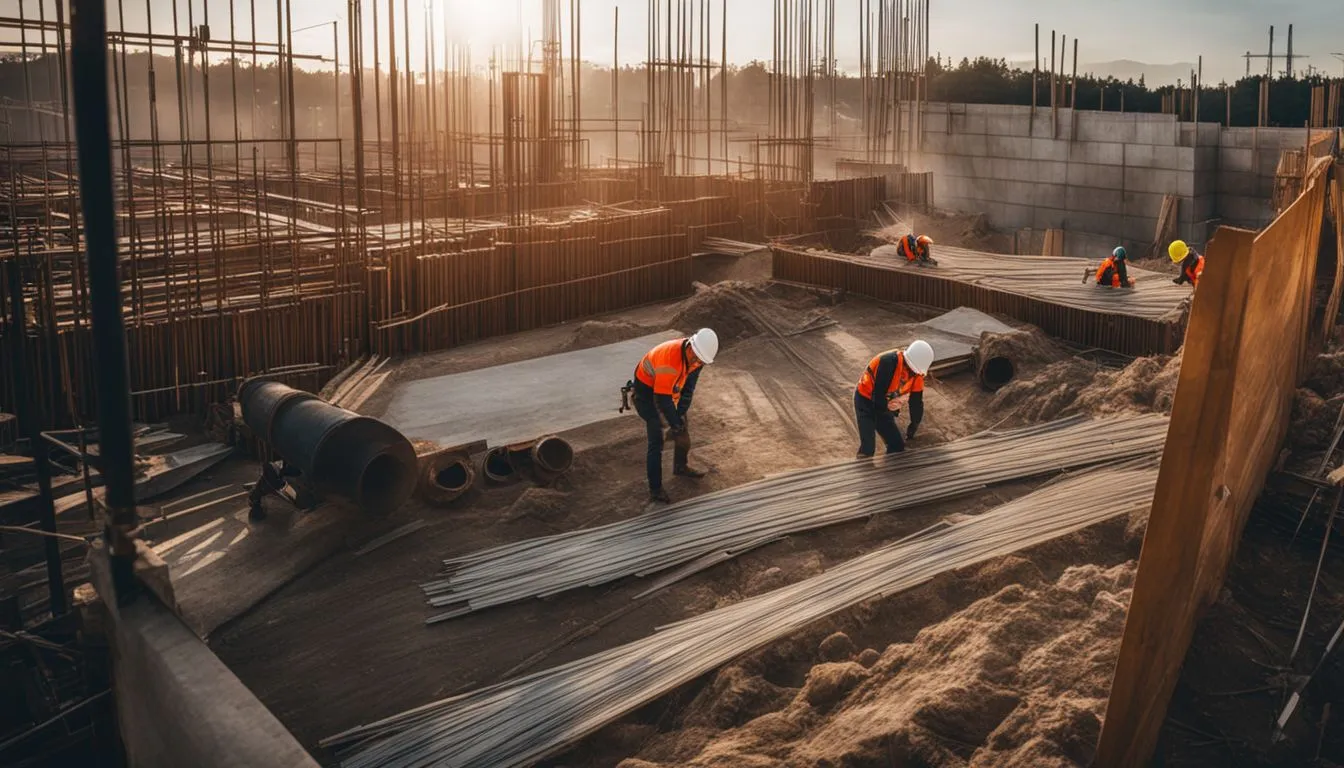
ECO barriers play a significant role in the construction industry, offering sustainable safety solutions and enhancing road management. This increasing utilisation has potential implications for future eco-friendly construction materials and environmentally friendly barriers.
Current Usage
Business owners widely incorporate ECO barriers in various construction projects, including road infrastructure and industrial facilities. These barriers offer a sustainable solution for enhancing safety while minimising environmental impact.
The utilisation of ECO-friendly construction materials not only ensures long-lasting safety solutions but also contributes to sustainable road management. Incorporating durable and environmentally friendly barriers aligns with the ever-evolving realm of ecoinnovation challenges, providing business owners with an opportunity to unlock the secrets of resilient safety barriers in their projects.
As business owners, it is essential to explore how these ecofriendly barriers can be integrated into various applications within your suite of construction projects. By embracing current usage trends that prioritise durability and sustainability, you can spearhead a shift towards more environmentally focused practices in the world of construction.
Future Implications
The future implications of ECO barriers in the construction industry are significant. As business owners, we must anticipate an increased demand for sustainable and durable road safety solutions.
With technological advancements and heightened environmental awareness, the potential applications of ECO barriers will continue to expand, opening up new opportunities for eco-friendly construction materials in infrastructure projects.
Embracing this shift towards sustainability not only aligns with environmental protection but also positions businesses to meet evolving market demands and regulatory requirements.
Understanding the future implications allows us to adapt and capitalise on the growing trend towards eco-innovation.
ECO Barriers in Civil Engineering

ECO barriers in civil engineering play a crucial role in enhancing road safety and addressing environmental concerns. Their practical applications are broad, yet they also present potential challenges that need to be carefully addressed.
Practical Applications
Civil engineering is one of the key areas where eco barriers find practical application. These barriers are utilised for road and infrastructure projects to ensure safety and sustainability.
Eco barriers made from industrial by-products such as fly ash and recycled aggregates offer a durable, environmentally friendly solution. The use of these eco-friendly barriers aligns with sustainable road safety practices, providing long-lasting safety solutions while also utilising waste materials in a beneficial way.
In addition to civil engineering, eco barriers have practical applications in construction projects where sustainability is a priority. Business owners can employ these environmentally friendly barriers in green infrastructure initiatives, contributing to resilient safety measures without compromising on durability or environmental protection.
Potential Challenges
As business owners, we may encounter potential challenges when integrating ECO barriers into our projects. One challenge is managing the initial costs of eco-friendly materials and technologies.
Although these solutions offer long-term benefits, the upfront investment can be significant for businesses. Another challenge lies in navigating regulatory requirements and ensuring compliance with environmental standards.
Adhering to these regulations while implementing sustainable practices can present complexities but is essential for meeting sustainability goals and minimising environmental impact.
In addition to financial and regulatory challenges, sourcing reliable suppliers of ECO barrier materials may also pose a hurdle for businesses. It’s crucial to find trustworthy partners who can consistently deliver high-quality eco-friendly products to ensure the durability and effectiveness of safety barriers within infrastructure projects.
Overcoming these challenges will require careful planning, collaboration with key stakeholders, and a strategic approach towards addressing any potential hurdles that may arise.
Moving forward from considering potential challenges in incorporating ECO barriers into projects, let’s explore strategies for overcoming these obstacles and achieving seamless integration.
The Intersection of Safety and Sustainability in ECO Barriers
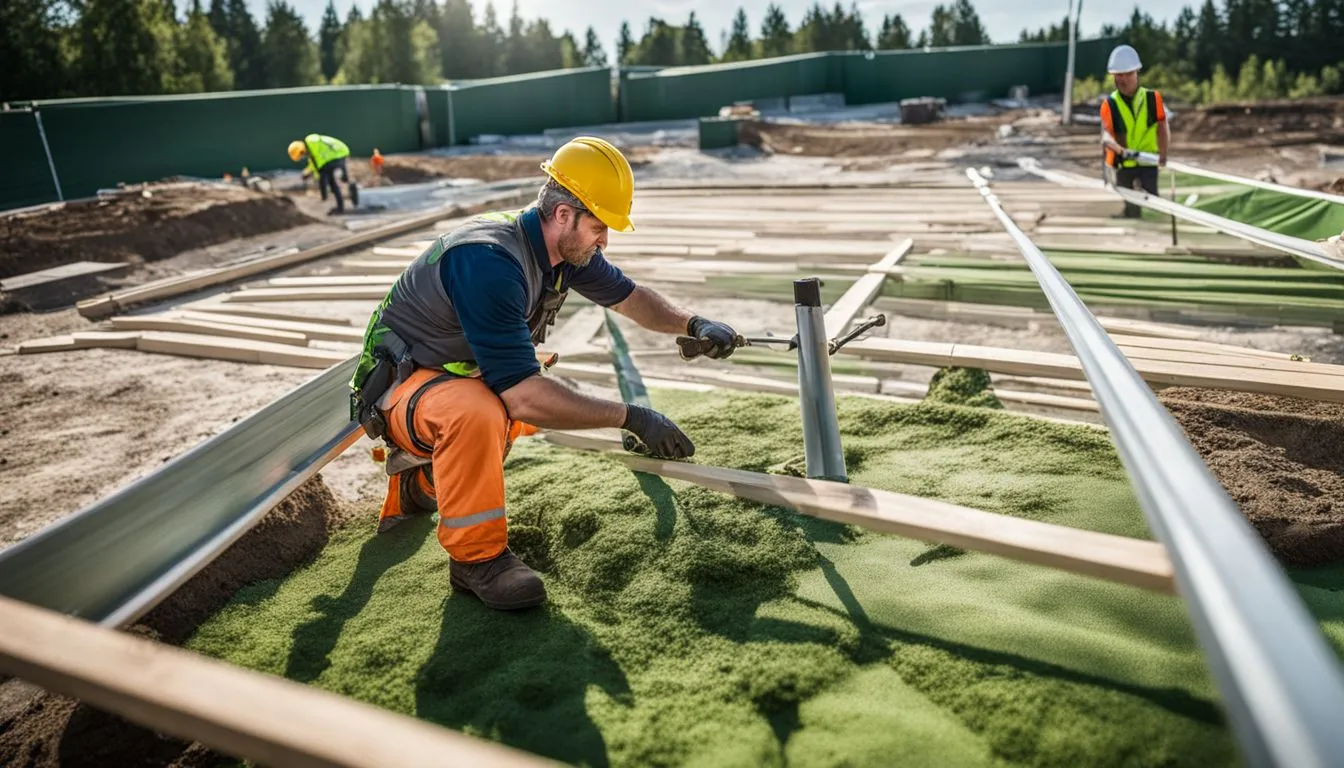
ECO Barriers effectively balance safety and sustainability, promoting both the well-being of individuals and the environment. Understanding how these barriers integrate durability with eco-friendliness provides valuable insight into their real-world impact.
Balancing Safety and Sustainability
Balancing safety and sustainability is crucial for any business looking to adopt eco-friendly barriers. Ensuring that the barriers provide reliable protection while minimising environmental impact is key in today’s construction landscape.
By integrating durable materials, such as recycled aggregates and fly ash, with a focus on energy efficiency and waste minimisation, businesses can create long-lasting safety solutions that also contribute to sustainable road management.
This harmony between safety and sustainability not only enhances environmental performance but also supports resilient safety barriers that withstand the test of time.
Incorporating eco-friendly barriers into the construction industry requires a careful balance between enhancing physical safety and promoting environmental protection. It’s about creating a lasting legacy of safe infrastructure while being mindful of our ecological footprint.
Case Studies
- A highway construction company implemented ECO barriers made from recycled materials, achieving a 30% cost saving and reducing carbon emissions by 25%.
- A city’s implementation of ECO barriers in industrial zones reduced maintenance costs by 40% and improved overall safety for workers and motorists.
- A study conducted on ECO barriers used in coastal areas demonstrated a significant reduction in corrosion, extending the structure’s lifespan by 15 years.
- An airport utilised ECO barriers constructed with supplementary cementitious materials, resulting in improved impact resistance and decreased maintenance needs over a 10-year period.
- The adoption of ECO barriers in urban development projects showcased a notable reduction in environmental impact through the use of eco-friendly materials, contributing to sustainable city planning.
The Role of Supplementary Cementitious Materials in ECO Barriers
Supplementary cementitious materials play a crucial role in enhancing the strength and durability of ECO barriers. They complement the concrete mix, improving its long-term performance and sustainability in infrastructure projects.
Benefits
Utilising supplementary cementitious materials, such as fly ash and recycled aggregates, in ECO barriers provides several key benefits. Firstly, it enhances the strength and durability of the barriers, ensuring long-lasting safety solutions for road infrastructure.
Additionally, by harnessing these materials, we can significantly reduce the environmental footprint associated with barrier production, aligning with sustainable road management practices.
This not only promotes environmentally friendly barriers but also contributes to sustainable construction materials making a positive impact on both safety and environmental balance.
Incorporating fibre reinforcement into ECO barriers offers multiple advantages for business owners. It bolsters the impact resistance and structural stability of the barriers while minimising maintenance costs over their life cycle.
Application
ECO barriers find applications in various sectors such as road construction, industrial sites, and public safety measures. They are designed to withstand harsh weather conditions and provide long-lasting safety solutions for infrastructure projects.
The use of eco-friendly construction materials like recycled aggregates and fly ash contributes to sustainable road management by minimising waste production and reducing environmental impact.
Businesses can leverage the durability and sustainability of ECO barriers to enhance their commitment towards environmental protection while ensuring resilient safety barriers for their projects.
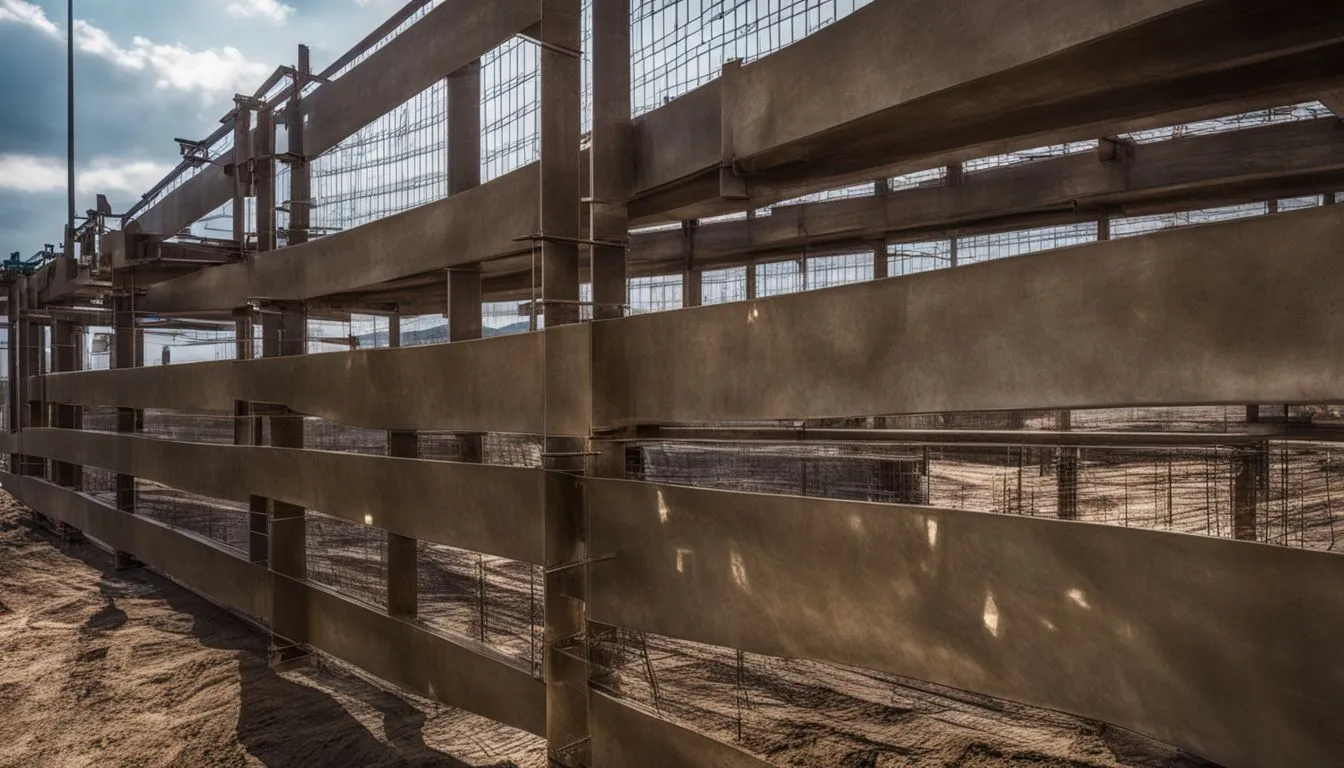
Harnessing Fiber Reinforcement for ECO Barriers
Fibre reinforcement enhances ECO barriers, improving their strength and durability. Incorporating fibres like steel or synthetic materials increases the barrier’s resistance to impact and weather conditions, prolonging its lifespan while reducing maintenance needs.
Reinforced barriers offer superior structural stability, ensuring long-lasting safety solutions for various applications in road management and construction projects.
By integrating fibre reinforcement into ECO barriers, we bolster their resilience without compromising sustainability. This innovation aligns with our pursuit of ecofriendly construction materials and durable infrastructure that prioritises safety and environmental balance.
The Environmental Impact of ECO Barriers
ECO barriers present ecological benefits by utilising industrial byproducts like fly ash and recycled aggregates, with a focus on reducing the carbon footprint and waste production.
These sustainable road safety measures also contribute to environmentally friendly infrastructure while providing long-lasting safety solutions.
Carbon Footprint
Calculating the carbon footprint of ECO barriers is integral to understanding their environmental impact. The production and transportation processes, as well as the materials used, all contribute to this important measurement.
Our commitment to reducing the carbon footprint drives us to seek sustainable solutions, such as incorporating recycled aggregates and industrial byproducts into our barrier materials.
This not only aligns with our eco-friendly construction ethos but also contributes to a greener infrastructure network for future generations.
Waste Production
Transitioning from the discussion of carbon footprint to waste production, it’s important to consider the environmental impact of ECO barriers in terms of waste generation. When constructing and maintaining these sustainable safety solutions, careful attention is given to minimising waste production.
By harnessing eco-friendly materials such as recycled aggregates and industrial byproducts like fly ash, the overall waste generated during the production and installation of ECO barriers is significantly reduced.
This approach not only aligns with sustainability goals but also contributes to a more environmentally responsible construction process.
The Economic Impact of ECO Barriers

The Economic Impact of ECO Barriers encompasses initial costs and ongoing maintenance expenses. The cost-effectiveness and long-term savings make ECO barriers an attractive investment for businesses seeking sustainable infrastructure solutions.
Initial Costs
Initial costs for ECO barriers involve procurement and installation expenses. Procurement costs include the purchase of raw materials such as recycled aggregates, industrial byproducts like fly ash, and supplementary cementitious materials.
Installation costs encompass labor fees and equipment rental expenses. These initial investments are vital to ensure the safety and sustainability of your infrastructure projects. It is advisable to carefully consider these upfront expenditures in order to unlock the secrets of long-term durability and environmental benefits associated with eco-friendly barriers.
In addition, assessing initial costs allows us to tailor sustainable road safety solutions that align with our environmentally friendly construction materials strategy. By meticulously weighing the economic impacts alongside durability factors, we can strategically navigate complexities within the realm of sustainable product development while seeking more than just short-term benefits but also long-lasting safety measures across an ever-evolving landscape in ecoinnovation challenges.
Maintenance and Replacement Costs
Maintenance and replacement costs for ECO barriers are essential considerations for business owners. Regular upkeep, such as cleaning and minor repairs, ensures the longevity of these eco-friendly safety solutions.
Periodic maintenance helps to address any wear and tear due to environmental factors, preserving the structural integrity of the barriers. When maintenance is no longer sufficient, replacement costs should be factored in.
Proper budgeting for both maintenance and replacements contributes to a sustainable approach to road safety infrastructure.

Conclusion
In our examination of ECO barriers, we’ve uncovered the essential elements that bolster their durability and sustainability. The strategies presented for enhancing road safety through eco-friendly construction materials are not only practical but also efficient in real-world applications.
What potential impact could these approaches yield in the realm of sustainable safety measures? Have you thought about how implementing ECO barriers might transform your business’s environmental performance? As you contemplate these questions, consider exploring further resources or guidance to deepen your understanding of eco-innovation challenges.
Remember, taking small steps towards integrating durable and sustainable solutions can lead to significant improvements and long-lasting benefits for both your projects and the environment.