
3 April 2024 · filed in Product Highlight
ECO Barriers And Their Environment-friendly Impact On Safety Protocols

Navigating the fine line between keeping the workplace safe and doing our bit for the planet can be a bit of a head-scratcher. We know, because we’ve walked that path ourselves. After scouring high and low, we stumbled upon ECO Barriers – and it’s fair to say they’re changing the game when it comes to merging safety with environmental consciousness.
This yarn is all about their impact and how they’re shaking up the standard approach to eco-friendly measures. Keen to crack into something enlightening?
Understanding ECO Barriers

We’re diving straight into the thick of it with ECO Barriers, folks. These aren’t your run-of-the-mill safety nets. Oh no, they’re like the superheroes of the workplace safety world, but with a green cape.
They work day and night to keep our teams safe while whispering sweet nothings to Mother Nature. It’s all about creating that perfect harmony between protecting our crew and preserving the environment.
So what makes these barriers a cut above? Well, it boils down to their makeup – built from sustainable materials or designed for repeated use without losing their moxie. They stand tall against hazards but do so with minimal environmental impact.
Consider them as the guardians at the gate; only instead of keeping people out, they’re holding us in a protective bubble that doesn’t thumb its nose at eco-friendliness.
The Role of Environmentally-friendly Safety Equipment

Environmentally-friendly safety equipment plays a vital role in promoting worker health and reducing environmental impact. This type of gear includes protective clothing, respirators, eyewear, and gloves made from sustainable materials.
Types of Eco-friendly Safety Equipment
Gearing up for sustainability in the workplace isn’t just a trend; it’s becoming our new norm. As business owners, we’re on the frontline of adopting eco-friendly safety equipment that not only protects our teams but also the planet. Let’s walk through some greener choices that fit snugly into our work settings.
- Biodegradable Gloves: These gloves break down faster than traditional materials without leaving harmful residues. Perfect for clinical care settings or any place where single-use gloves are a must.
- Solar-Powered Safety Signs: Imagine signs at your worksite that don’t need conventional electricity to warn or guide. Powered by the sun, they’re effective and cut down on energy bills.
- Recycled Plastic Cones and Barriers: Instead of new plastic, these barriers use recycled material. They do their job while giving plastics a second life – a win-win for traffic management and the environment.
- Eco-Friendly Fire Extinguishers: Made with non-toxic materials, they fight fires without harming the earth or air quality. A must-have for every eco-conscious workplace.
- LED Lighting for Emergency Exits: LEDs use significantly less power and have a longer lifespan than traditional bulbs, making your exit paths safe and sustainable.
- Water-Based Paints for Road Markings: Swap out solvent-based paints for water-based alternatives when marking lanes or car parks. Less toxic, easier to clean up and just as durable.
- Reusable Respirators: Instead of disposable masks, opt for reusable respirators with replaceable filters. They offer protection while reducing waste in environments where air quality is a concern.
- Sustainable Eyewear Protection: Look out for safety glasses made from recycled materials or those certified by environmental standards, offering clear vision and cleaner earth.
- Organic Cotton Coveralls: Ditch synthetic fabrics for organic cotton coveralls that are kinder to skin and the planet, ideal in settings where long-wear comfort is needed alongside protection.
- Recycled Rubber Mats: In areas where anti-fatigue or slip-resistant flooring is necessary, consider mats made from recycled tyres – tough, sustainable and keeping rubber out of landfills.
Each piece of equipment listed not only brings us closer to achieving green safety protocols but also underscores our commitment to shaping a healthier planet while keeping an eye on workplace safety needs.
Advantages for Workers and the Environment
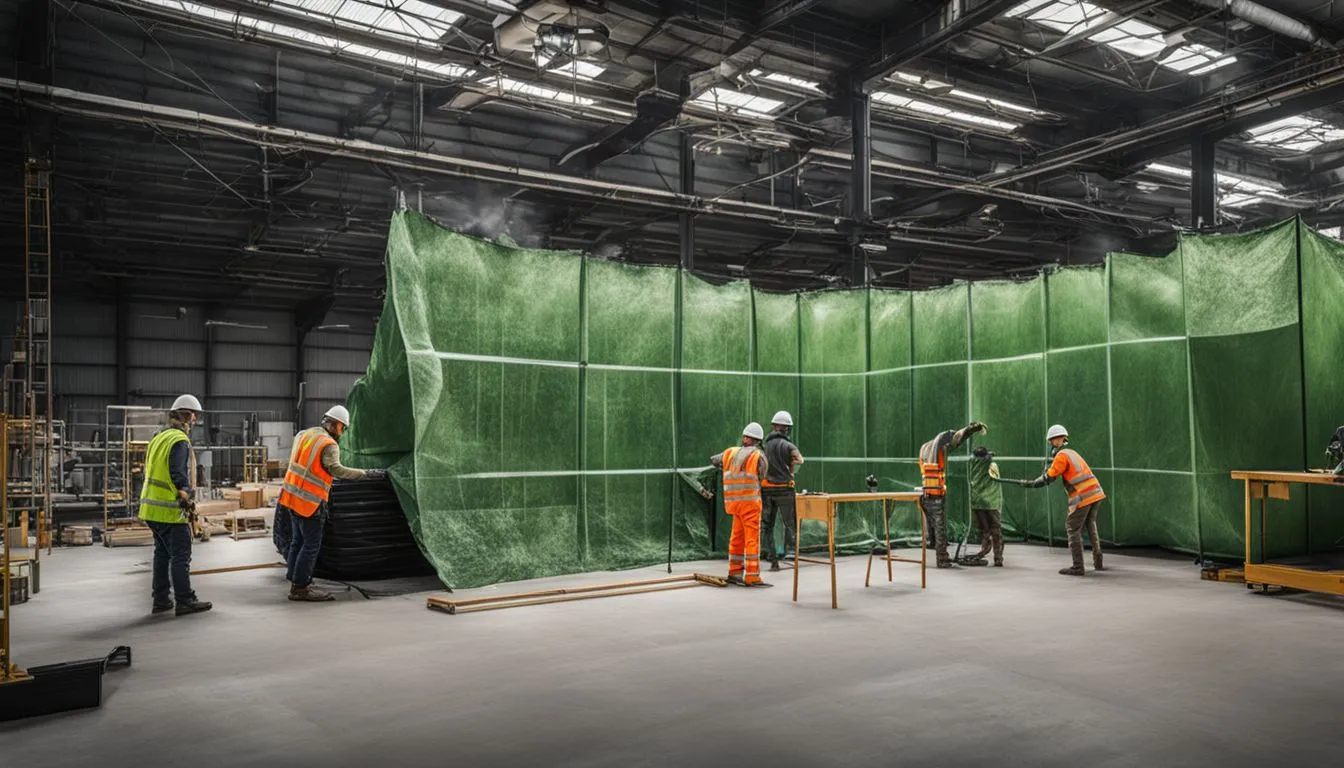
ECO barriers bring a fresh breeze of benefits for workers and the environment alike. They reduce the carbon footprint significantly, making workplaces not only safer but greener. These barriers promote health by cutting down on pollutants, ensuring that employees breathe easier and feel better while working.
It’s like hitting two birds with one stone, enhancing workplace safety protocols while protecting our planet.
By adopting eco-friendly safety equipment, we pave the way for sustainable practices that ripple through the community. Workers enjoy a healthier setting, free from harmful chemicals found in traditional safety materials.
This shift also protects local wildlife and ecosystems from potential damage caused by industrial activities. In essence, going green with ECO barriers means fostering a healthier world for everyone.
Sustainable Work Practices and Their Impact
Sustainable work practices have a profound impact on our environment and the health of our workforce. Embracing renewable energy sources, implementing waste reduction strategies, and promoting sustainable transportation are pivotal in fostering a safer and greener workplace.
Renewable Energy Sources

We’re moving forward with renewable energy sources, stepping up our game in the eco-friendly impact on safety protocols. Solar panels and wind turbines are now part of our everyday conversation, powering up workplaces without harming the planet.
It’s like we’re giving Mother Nature a high five every time we switch on a light or power a machine without using fossil fuels.
Harnessing the sun and wind is not just good for the environment; it slashes electricity bills too. We’ve seen firsthand how businesses save money in the long run by investing in green energy solutions.
Plus, imagine telling your clients you operate on 100% renewable energy, talk about a winning move for your brand! It shows that we’re serious about sustainable workplace safety and ready to lead by example.
Waste Reduction Strategies
Incorporating waste reduction strategies into our daily operations isn’t just about ticking boxes for environmental compliance; it’s about reimagining our processes to be leaner, greener, and more efficient.
Our approach involves introducing sustainable work practices that significantly cut down on waste production. By adopting measures such as recycling programmes, composting organic waste, and choosing reusable materials over single-use items, we’re not only reducing our carbon footprint but also setting a standard for eco-conscious workplace safety.
We champion the use of ECO barriers and other environmentally friendly safety equipment to further drive down unnecessary waste in clinical care settings. Opting for sustainable products doesn’t just address environmental impact; it also paves the way for healthier workplace environments and promotes green healthcare initiatives.
Through conscious choices and deliberate actions aimed at minimising waste output, we play a critical role in shaping a sustainable future that aligns with both safety protocols and ecological balance.
Sustainable Transportation
We’re all on board for cutting down our carbon footprint, right? Switching to sustainable transportation in our workplaces is like hitting two birds with one stone. Imagine this: electric vehicles (EVs) silently whisking your team to work or solar-powered shuttles making the daily commute a breeze.
Not only does it reduce emissions, but it also saves a bucketload on fuel costs over time.
Our shift towards green travel doesn’t stop at just picking the eco-friendliest vehicle; we delve deeper by promoting carpool schemes and encouraging cycling. Imagine the buzz around installing bike racks and shower facilities, it’s like saying, “Hey, we care about you and the planet!” Let’s not forget virtual meetings too; slashing travel demands means fewer trips, leading directly to a leaner carbon footprint.
Ready to take a closer peek at V-Gate barriers as part of ECO barriers next?
Introduction to V-Gate Barriers as Part of ECO Barriers
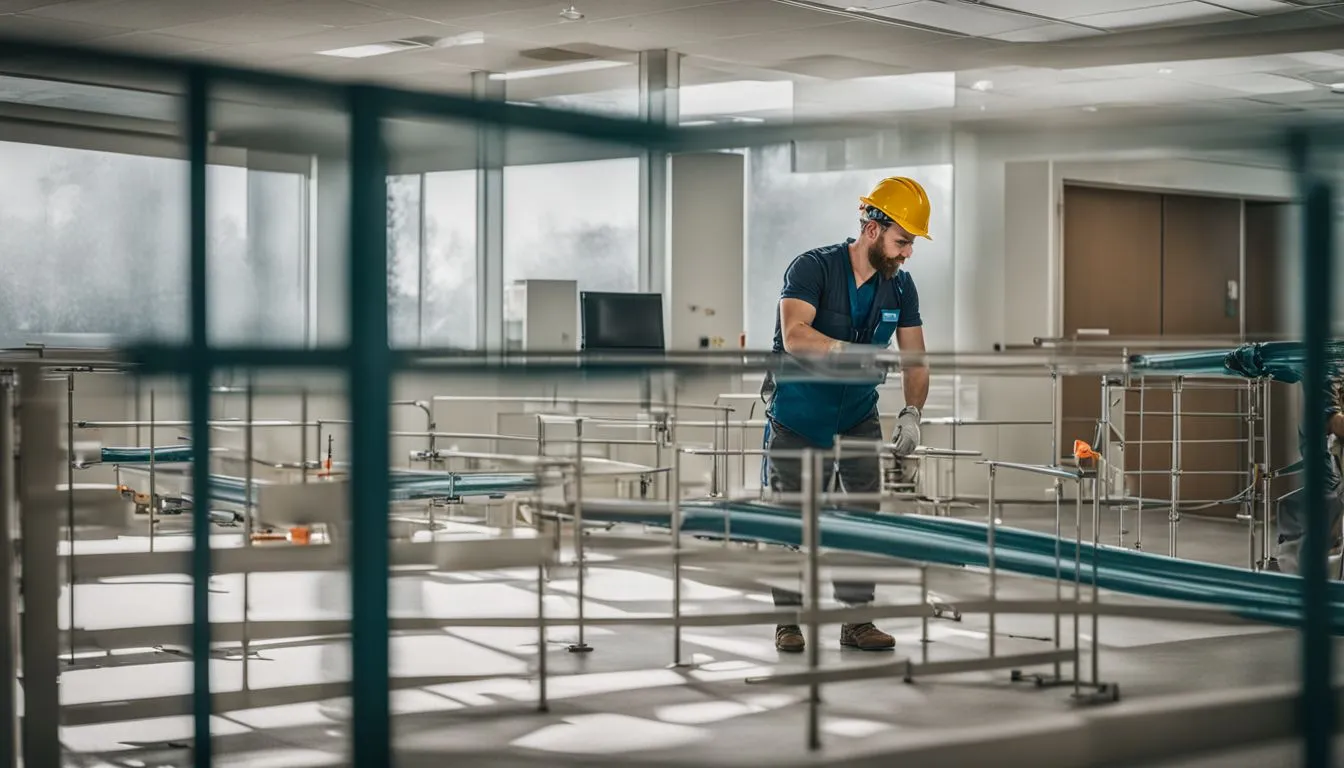
Introducing V-Gate barriers to our eco-barriers collection was a fair dinkum game-changer. These innovative safety measures blend in smoother than a wallaby in the bush with sustainable workplace safety protocols, making sure we’re looking after our workers and giving the environment a fair go at the same time.
Made from materials that scream “green” louder than Kermit the Frog on a good day, these V-Gate barriers are teaching us how to keep things safe without chucking Mother Nature under the bus.
Let’s have a yarn about their role in green healthcare facilities and eco-friendly hospital settings, ay? Using these barriers means we’re chopping down carbon footprints like ninjas while keeping everyone snug as a bug.
They stand tall as top-notch examples of how sustainable health practices and environmental consciousness can join forces, showing us it’s possible to have your cake and eat it too, environmentally speaking, of course.
Just goes to show, mate, when you put your mind to it, doing right by both people and planet isn’t just possible, it’s something we can get cracking on today. Cheers to that!
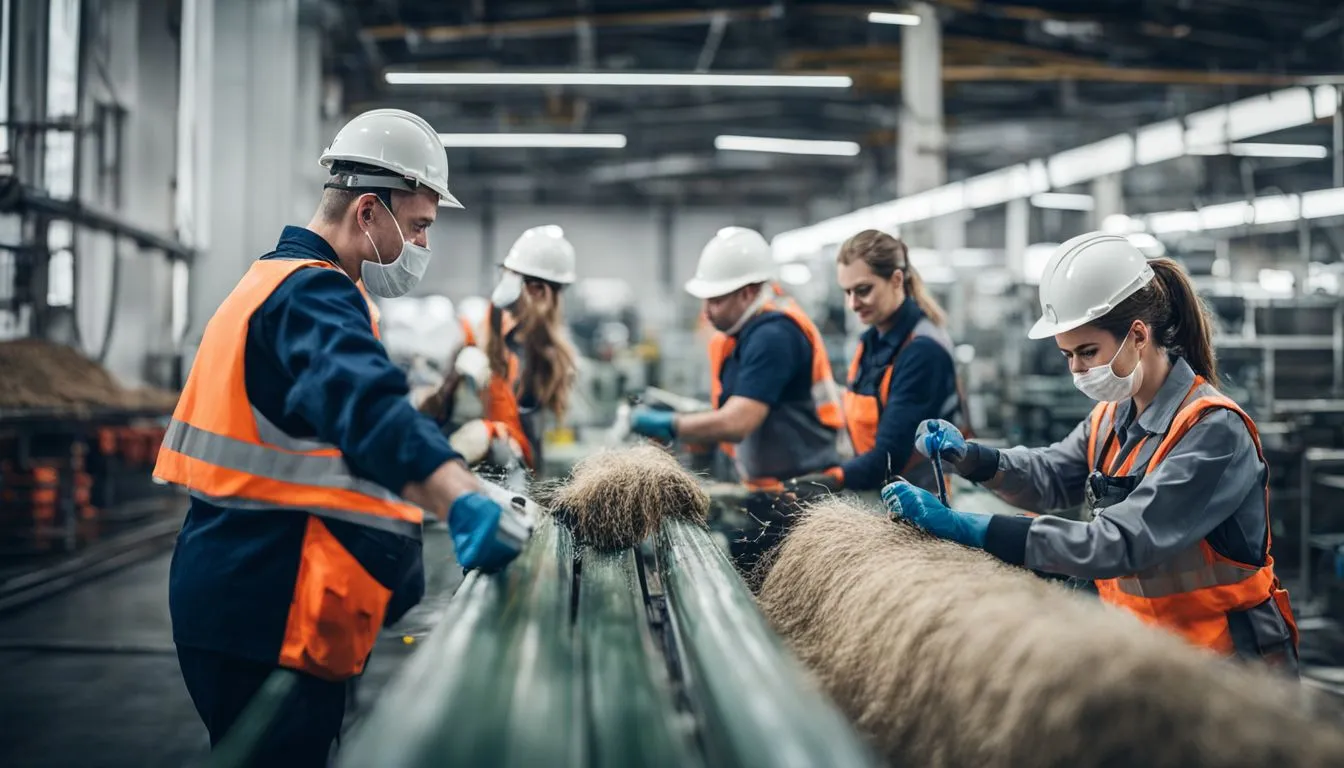
The Effectiveness of Environmentally-friendly Safety Equipment
Environmentally-friendly safety equipment improves workplace safety and reduces environmental impact. It enhances worker well-being, minimises waste, and contributes towards sustainable practices.
The effectiveness of such equipment is evident in its ability to promote a healthy environment while safeguarding the workforce.
Environmental Metrics
We’re all about making the workplace a bit greener, and what better way to do that than by using ECO barriers? Let’s have a squiz at how these green champs are performing on the environmental scorecard. Dive right in!
| Environmental Metric | Impact Assessment |
|---|---|
| Carbon Footprint Reduction | Significant decrease in carbon emissions due to recycled materials and renewable energy sources in manufacturing. |
| Resource Efficiency | Less raw material waste thanks to the use of durable, recyclable materials. |
| Waste Management | Improved recycling and reuse of materials at end-of-life, reducing landfill waste. |
| Energy Consumption | Lower energy use in production and deployment, thanks to efficient design and materials. |
| Water Conservation | Minimal water used in manufacturing processes, contributing to conservation efforts. |
| Biodiversity Protection | Non-toxic materials ensure minimal impact on local wildlife and ecosystems. |
These metrics help us understand the tangible benefits of switching to ECO barriers. They’re not just good for the planet; they’re a smart choice for any business keen on sustainability. Right, let’s move onto economic metrics and see how going green makes financial sense, too.
Economic Metrics
Shifting gears from the green benefits, let’s talk dollars and sense. Implementing ECO barriers isn’t just about doing good; it’s about good business too. Here’s how these initiatives stack up in economic terms:
| Economic Metric | Description | Impact |
|---|---|---|
| Cost Savings | Reduced expenses on raw materials and waste disposal | More money in the kitty |
| Operational Efficiency | Streamlined processes through sustainable practices | Faster turnaround, happier clients |
| Government Incentives | Tax breaks and subsidies for eco-friendly operations | Less tax, more cash |
| Brand Reputation | Enhanced public image through environmental stewardship | More appeal, more sales |
| Risk Management | Lowered risk through sustainable sourcing and practices | Less worry, smoother sailing |
Transitioning to eco-friendlier methods isn’t just tree hugging; it’s strategic business hugging. Through cost reduction, efficiency gains, and enhanced reputation, the numbers speak for themselves.
Every saved penny is a penny earned. By leaning into eco-friendly practices, we’re not just saving the planet. We’re crafting a lean, mean, green machine. Talk about a win-win.
So, fellow business owners, let’s make our operations as green as our banknotes. After all, a healthier planet means healthier profits. Keep it simple, keep it sustainable, and watch those numbers climb.
Sustainability Indicators and Reports
To measure the impact of our sustainable efforts, we utilise sustainability indicators and reports. These tools provide valuable data on our eco-friendly safety equipment and practices, including environmental metrics, economic metrics, and other key indicators.
We can gauge our progress in reducing waste, improving air quality for workers, and ensuring efficient resource use through these reports. By regularly analysing these indicators and reports, we gain insights into the effectiveness of our sustainable initiatives and identify areas for further improvement to create a more environmentally friendly workplace.

The Impact of ECO Barriers on Safety Protocols
ECO barriers significantly reduce waste and pollution, improving air quality for workers. Efficient resource use ensures a safer workplace environment.
Reduction of Waste and Pollution
Reducing waste and pollution is pivotal in upholding sustainable workplace practices. By implementing eco-friendly safety equipment, such as V-Gate barriers, businesses can minimise the production of harmful waste and pollutants.
These environmentally-conscious measures not only create a safer working environment but also contribute to improved air quality for workers. Efficient resource use further underscores the positive impact of these sustainable initiatives on waste reduction and pollution control in the workplace.
Embracing such green safety protocols presents an opportunity for businesses to actively reduce their carbon footprint while promoting a healthier ecosystem within their operational sphere.
Improved Air Quality for Workers
ECO barriers can positively impact workplace air quality, benefiting the health and productivity of workers. By reducing emissions and pollutants, eco-friendly safety equipment contributes to improved air quality for employees, making the work environment safer and more comfortable.
Implementing sustainable work practices like waste reduction strategies and efficient resource use further supports cleaner indoor air, creating a healthier atmosphere for all workers while aligning with environmental impact on safety protocols.
The integration of V-Gate barriers as part of ECO barriers not only enhances safety but also fosters better air quality within the workplace. As business owners, prioritising environmentally friendly safety equipment is key to safeguarding the well-being of our workforce and promoting a sustainable workplace that values healthcare sustainability in tandem with workplace safety.
Efficient Resource Use
To maximise our impact on sustainability, we need to focus on efficient resource use. This means optimising our energy consumption, minimising waste, and using materials wisely. By implementing sustainable work practices like renewable energy sources, waste reduction strategies, and sustainable transportation, we can significantly reduce our environmental footprint while also saving costs in the long run.
Embracing these strategies not only benefits the environment but also contributes to a healthier workplace for our employees.
When it comes to creating a green and healthy workplace, every action counts. We must continuously seek ways to efficiently utilise resources without compromising safety or productivity.
Challenges and Opportunities in Implementing ECO Barriers

Implementing ECO Barriers poses challenges such as cost and technological barriers, along with cultural and political obstacles. However, there are opportunities for increasing sustainable practices.
Read on to discover more about the hurdles and possibilities in adopting environmentally friendly safety protocols!
Cost and Technological Barriers
Cost and technological barriers may present challenges when implementing eco-friendly safety equipment. Initial costs can seem daunting, but it’s important to consider the long-term savings and benefits.
While some cutting-edge technologies might be expensive initially, they often lead to significant cost reductions over time. Embracing innovation in sustainable practices not only demonstrates a commitment to environmental responsibility but also offers opportunities for increasing efficiency and competitiveness within your industry.
As business owners, it’s essential to weigh the upfront expenses against the long-term advantages of adopting eco-conscious solutions that align with sustainability metrics.
Cultural and Political Obstacles
Transitioning from the challenges related to cost and technology, we must now address the cultural and political obstacles in implementing ECO barriers. These barriers often stem from differing cultural norms and political pressures that can hinder the adoption of sustainable practices within a workplace setting.
It’s crucial to acknowledge the influence of varying cultural attitudes towards sustainability and the impact of regulations or policies on eco-friendly initiatives. Overcoming these obstacles requires understanding, collaboration, and advocacy for environmentally conscious choices in business operations, as well as engaging with policymakers to promote supportive environmental regulations.
The diverse range of cultures present in workplaces can lead to distinct perspectives on sustainability, while political dynamics may affect the uptake of green practices. Navigating these cultural and political nuances is essential when promoting eco-conscious efforts within a business, it involves respect for differing viewpoints alongside proactive engagement with regulatory frameworks to ensure that safety protocols align with sustainable principles.
Opportunities for Increasing Sustainable Practices
As business owners, we have an incredible opportunity to increase sustainable practices within our organisations. By embracing eco-friendly initiatives, we can create a positive impact on both the environment and our bottom line. Here are some practical ways to enhance sustainability in our workplaces:
- Implementing energy – efficient technologies and appliances to reduce electricity consumption and carbon emissions.
- Encouraging telecommuting and flexible work arrangements to decrease the carbon footprint associated with daily commuting.
- Investing in employee training programmes focused on sustainability practices to foster a culture of environmental consciousness within the organisation.
- Partnering with suppliers who have strong environmental commitments, ensuring that the entire supply chain aligns with sustainable principles.
- Establishing waste reduction targets and implementing recycling programmes to minimise the ecological impact of our operations.
- Engaging in community outreach programmes that promote environmental awareness and sustainable living practices among employees and local residents.
- Supporting research and development efforts aimed at creating innovative eco – friendly products or solutions for our industry.
- Participating in industry – wide collaborations or initiatives that aim to address environmental challenges collectively, utilising shared resources for a greater impact.
- Incorporating sustainability considerations into business decision – making processes, ensuring that environmental impacts are consistently evaluated alongside financial considerations.
- Leveraging technology to monitor and analyse energy usage, waste generation, water consumption, and overall resource efficiency within our facilities.
By pursuing these opportunities for increasing sustainable practices, we can pave the way for a greener, more responsible approach to conducting business while positively impacting our communities and ecosystems.

Measuring the Impact of Your Sustainable Efforts
Measuring the Impact of Your Sustainable Efforts can be done by using assessment tools and metrics to evaluate the effectiveness and progress of your eco-friendly safety initiatives.
Tracking environmental, economic, and sustainability indicators provides valuable insights into the positive outcomes of implementing sustainable practices.
Leading to further reading…
Assessment Tools
When evaluating the impact of sustainable efforts on safety protocols, business owners can employ various assessment tools to gauge their effectiveness. These tools provide valuable insights into the environmental and economic benefits of implementing eco barriers and environmentally-friendly safety equipment.
- Carbon footprint calculators: These tools help in quantifying the amount of greenhouse gas emissions produced directly or indirectly by a particular activity or organisation, giving an indication of the impact on climate change.
- Health care sustainability assessments: Business owners can utilise these assessments to evaluate the overall sustainability of their healthcare facilities, focusing on energy efficiency, waste management, and environmental impact.
- Environmental impact assessments: Through these evaluations, business owners can measure the potential effects of their operations on the environment, allowing them to identify areas for improvement and implement targeted solutions.
- Safety performance indicators: By monitoring and analysing key safety metrics such as incident rates, near-misses, and compliance with safety protocols, business owners can assess the effectiveness of their sustainable safety measures.
- Life cycle assessment (LCA) tools: LCA helps in evaluating products or processes from a holistic perspective by considering environmental impacts across all stages, from raw material extraction to end-of-life disposal, enabling informed decision-making for sustainable practices.
- Sustainability reporting frameworks: Utilising established frameworks such as Global Reporting Initiative (GRI) guidelines allows businesses to transparently communicate their sustainability performance and progress to stakeholders while identifying areas for further enhancement.
- Energy efficiency audits: These assessments enable businesses to identify opportunities for reducing energy consumption and enhancing operational efficiency while contributing to cost savings and environmental conservation.
- Occupational health assessments: By examining factors affecting employee health within the workplace environment, business owners can ensure that sustainable safety protocols promote both physical well-being and environmental responsibility.
Employing these assessment tools empowers business owners to measure, track, and improve the impact of their sustainable efforts on safety protocols while aligning with eco-friendly initiatives and promoting a resilient working environment.
Conclusion
In wrapping up, we’ve covered a range of eco-friendly safety equipment and sustainable work practices that can significantly impact workplace safety. These practical strategies are easy to implement and efficient in promoting a healthier environment for workers.
Emphasising the importance of these approaches, it’s clear that implementing eco barriers has the potential to lead to substantial improvements in safety protocols. For further exploration, consider seeking additional resources or guidance on sustainable workplace practices.
Finally, remember that taking action towards implementing eco-friendly safety measures is not merely an option but an essential aspect for ensuring a safe and environmentally friendly workplace.