
28 February 2024 · filed in Product Highlight
ECO Barriers: Merging Sustainability with Industrial Safety

At the heart of many Aussie businesses lies a common struggle, to weave environmental sustainability into the very fabric of our workplace safety protocols. Like plenty of others, we’ve had our fair share of head-scratching moments on this journey. But here’s a ripper of a fact that’ll get your gears turning: by wrapping our arms around eco-friendly practices, industries can watch their energy consumption plummet by up to 30%. Crikey! That’s not just good for Mother Nature; it’s top-notch for the bottom line too. We’ve pulled together some practical tips and tricks, fair dinkum, tried-and-tested strategies, so you can blend these two critical elements without tossing your workflow overboard. Together, let’s turn green practices into safe havens at work because when we look after our planet, mate, she looks after us too!
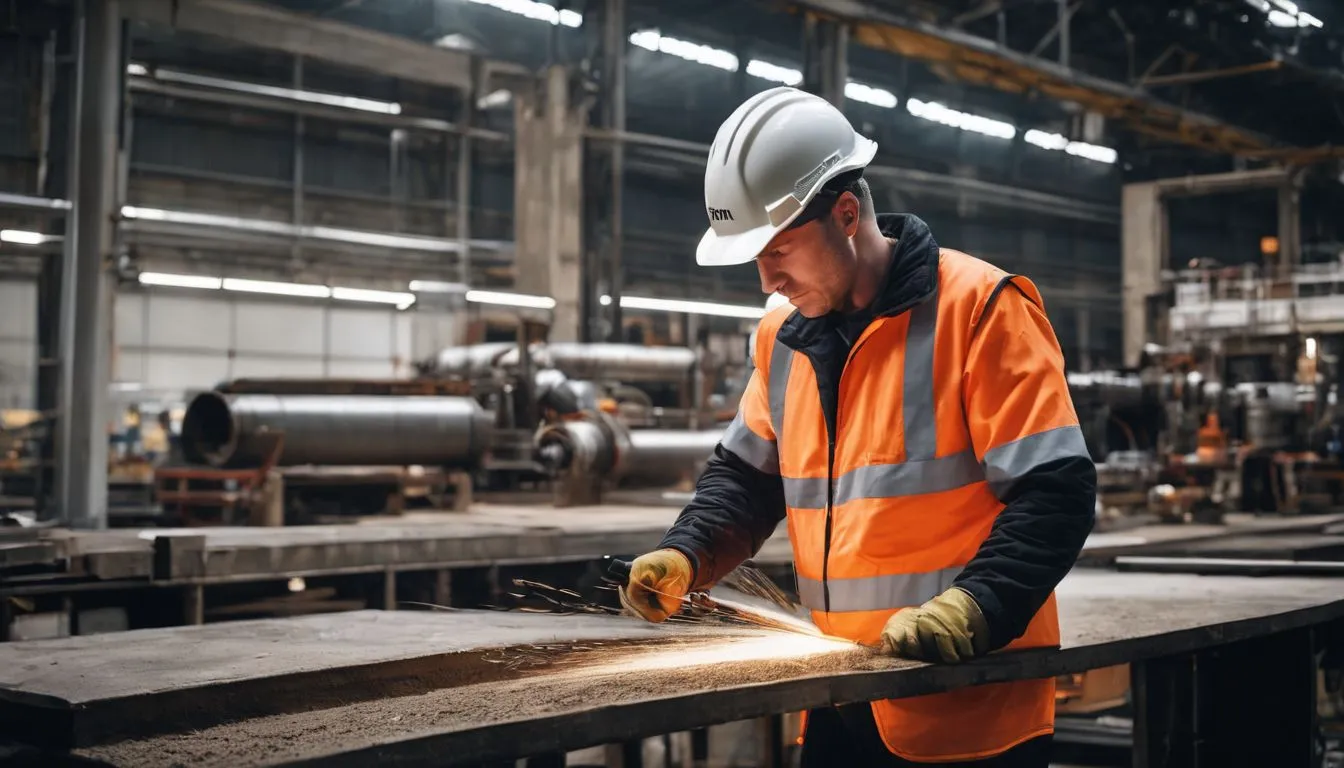
Overview of Industrial Sustainability Measures
As we dive headlong from our yarn about the beginnings, let’s have a squiz at the ever-changing landscape of industrial sustainability measures that are giving businesses a fair shake at doing things differently.
In this space, there’s a ripper amount of strategies being cobbled together to make sure that keeping our workers safe goes hand in glove with looking after our big blue backyard. We’re nattering about getting stuck into using sustainable materials for production, it’s not just about dodging risks for the blokes on the floor but also shrinking the size of the footprint we leave on Mother Nature.
This isn’t just about sticking to what some stuffed shirt says you’ve got to do environmentally, it’s more like decking out your whole workplace culture in green. It means swapping out old habits for cleverer supply chain smarts and coming up with bright sparks of eco-innovation so that making a quid doesn’t have to mean giving Earth the rough end of the pineapple, we’re talking real-deal industrial symbiosis here.
Doing right by Mother Nature isn’t simply for brownie points; it’s shaping up as dead-set vital for those enterprises wanting to stick around and not be left coughing dust in an economy where people want their goods green and clean.
Potential Barriers to Adoption of Sustainable Practices
Despite the benefits, the adoption of sustainable practices in industrial settings can be hindered by a lack of information and awareness, financial constraints, and resistance to change.
These barriers can prevent businesses from implementing eco-friendly measures that are essential for both sustainability and safety.
Lack of information and awareness
Business owners may face a lack of information and awareness when it comes to adopting sustainable practices in their industrial operations. This barrier can arise due to limited knowledge about eco-friendly innovations, environmental safety regulations, and the benefits of implementing sustainable measures.
Without adequate information, businesses may struggle to understand how these practices can positively impact their bottom line and contribute to a greener future. Overcoming this obstacle requires access to clear and concise resources that highlight the advantages of green technology, sustainable production processes, and eco-conscious workplace initiatives.
Furthermore, educating themselves on sustainable building design, use of sustainable materials, and nontechnical barriers is crucial for business owners aiming for an environmentally friendly supply chain.
Financial constraints
To further our commitment to sustainable industrial practices, we must address the financial constraints that may hinder the adoption of eco-friendly innovations. We understand the challenges for supply managers in setting objectives and strategies while facing economic barriers.
It is imperative for businesses to find cost-effective ways to implement sustainable measures without compromising their financial stability. By investing in green manufacturing processes and ecoconscious workplace solutions, companies can not only reduce their environmental impact but also achieve long-term cost savings through sustainable supply chain initiatives.
In overcoming financial constraints, business owners need to explore incentives and subsidies available through government programs. By leveraging these opportunities, companies can offset initial investment costs and create a more financially viable pathway towards implementing ecofriendly safety measures within their operations.
Resistance to change
Business owners may resist change due to fear of disruption or uncertainty about the impact on their operations. Adapting to new sustainable practices can be perceived as time-consuming and costly, leading to reluctance in embracing eco-friendly innovations.
However, overcoming this resistance through open communication and employee involvement is crucial for successfully implementing environmental obstacles. Engaging staff members in the transition process, providing training, and highlighting the benefits of adopting sustainable measures can help alleviate concerns and build a more resilient approach towards industrial sustainability.
Implementing sustainable practices requires a shift in mindset and operational procedures within the organisation. Overcoming resistance necessitates clear communication of the benefits while addressing any misconceptions that may exist within your supply chain challenges.

Overcoming Barriers through Government and Industry Collaboration
The collaboration between government and industry is crucial in overcoming barriers to the adoption of sustainable practices, through information programs, incentives and subsidies, and partnerships with local authorities.
Read on to discover the benefits of merging sustainability with industrial safety for a greener future.
Information programs
Government and industry collaboration offers information programs to educate business owners on eco-friendly innovations and the adoption of sustainable measures. These programs aim to break down barriers related to sustainable supply chains, environmental impact, and the implementation of sustainable practices.
By participating in these programs, business owners can gain insights into eco-friendly warehouse solutions, as well as sustainable manufacturing processes. Furthermore, they can learn about the benefits of industrial symbiosis in reducing accidents and injuries while improving their businesses’ financial sustainability.
In addition to assisting with adopting green practices, information programs reveal how businesses can access incentives and subsidies for investing in environmentally friendly initiatives.
Incentives and subsidies
To further encourage the adoption of sustainable practices in industrial operations, businesses can take advantage of various incentives and subsidies offered by local authorities and government programs.
These can include financial support, tax breaks, grants, or discounts on resources and utilities to make eco-friendly initiatives more financially viable. In addition to reducing the initial investment required for implementing sustainable measures, these incentives and subsidies also help in lowering operating costs over time, making it a win-win situation for businesses looking to improve their environmental impact while boosting their bottom line.
Partnerships with local authorities
Local authorities play a crucial role in supporting businesses to adopt sustainable practices. We collaborate with local governments to ensure that our initiatives align with regional environmental goals and regulations.
This partnership enables us to access valuable resources, such as information on available incentives and subsidies for eco-friendly innovations.
Businesses are influential in shaping local sustainability policies, and by working together with local authorities, we can create a more conducive environment for implementing sustainable measures.
Benefits of Adopting Sustainable Practices for Industrial Safety
By adopting sustainable practices, businesses can reduce accidents and injuries in the workplace, improve their environmental impact, and achieve cost savings. This not only benefits the business but also contributes to a greener and more sustainable future for all.
Reduction of accidents and injuries
Business owners can significantly reduce accidents and injuries by implementing sustainable practices in their industrial operations. By investing in eco-friendly innovations such as protective barriers made from recycled materials, companies can create a safer work environment for employees while also minimising their environmental impact.
Sustainable supply chain management and the adoption of industrial symbiosis can further enhance safety by reducing the likelihood of hazardous incidents and promoting a culture of shared responsibility within the industry.
Moreover, integrating eco-friendly warehouse design and operation strategies not only improves safety but also contributes to cost savings through reduced waste and energy consumption.
By prioritising the reduction of accidents and injuries through sustainable measures, businesses can create a greener future while safeguarding their most valuable asset, their workforce.
Improved environmental impact
By implementing sustainable practices, businesses can not only reduce accidents and injuries but also improve their environmental impact. Eco-friendly innovations such as industrial symbiosis, sustainable supply chains, and eco-friendly warehouse management can contribute to minimising negative environmental effects associated with industrial operations.
These measures can result in reduced waste generation, lower energy consumption, and decreased carbon emissions, leading to a more environmentally friendly approach to business operations.
By actively addressing environmental barriers through the adoption of eco-friendly practices, businesses can play a vital role in safeguarding the planet for future generations.
Cost savings
Transitioning from the improved environmental impact, another significant benefit of adopting sustainable practices for industrial safety is cost savings. Implementing eco-friendly innovations and sustainable supply chain measures can result in reduced operational costs.
By integrating energy-efficient technologies and optimising resources, businesses can experience lower utility bills and overhead expenses.
Furthermore, embracing a more sustainable approach to industrial safety can lead to long-term financial benefits through decreased waste generation and lower maintenance costs for machinery and facilities.

The Importance of Merging Sustainability with Industrial Safety for a Greener Future
We have explored the potential barriers to adopting sustainable practices and strategies for overcoming them through collaboration between government and industry. These practical and efficient measures can lead to significant improvements in both industrial safety and environmental impact. By emphasising the importance of merging sustainability with industrial safety, businesses can achieve cost savings, reduced accidents, and improved ecological footprint. For further guidance on implementing eco-friendly solutions in your business, consider exploring additional resources or consulting with sustainability experts. Let’s take action today to create a greener future for our industries and communities.