
15 February 2024 · filed in Product Highlight
Elevate Your Workplace Safety with High-Density Barrier
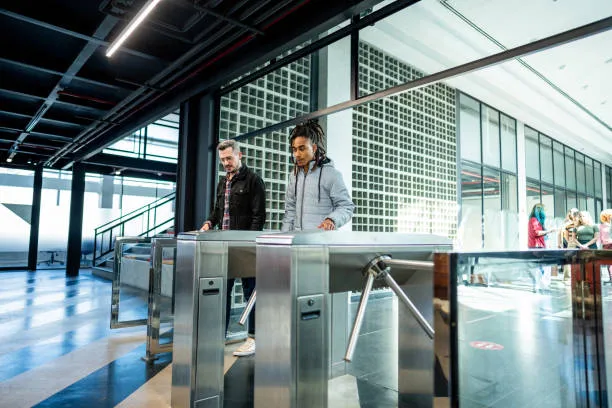
Keeping our mates safe at work is a bit of a tall order some days. We all understand that a few hiccups are part and parcel of any gig, but here’s the good oil: high-density barriers are top-notch when it comes to keeping workplace mishaps down to a bare minimum. Our blog is chokers with handy hints and savvy strategies for beefing up safety and making sure everyone on the floor gets home in one piece. So stick around – we’re about to take the hard yakka out of safety!
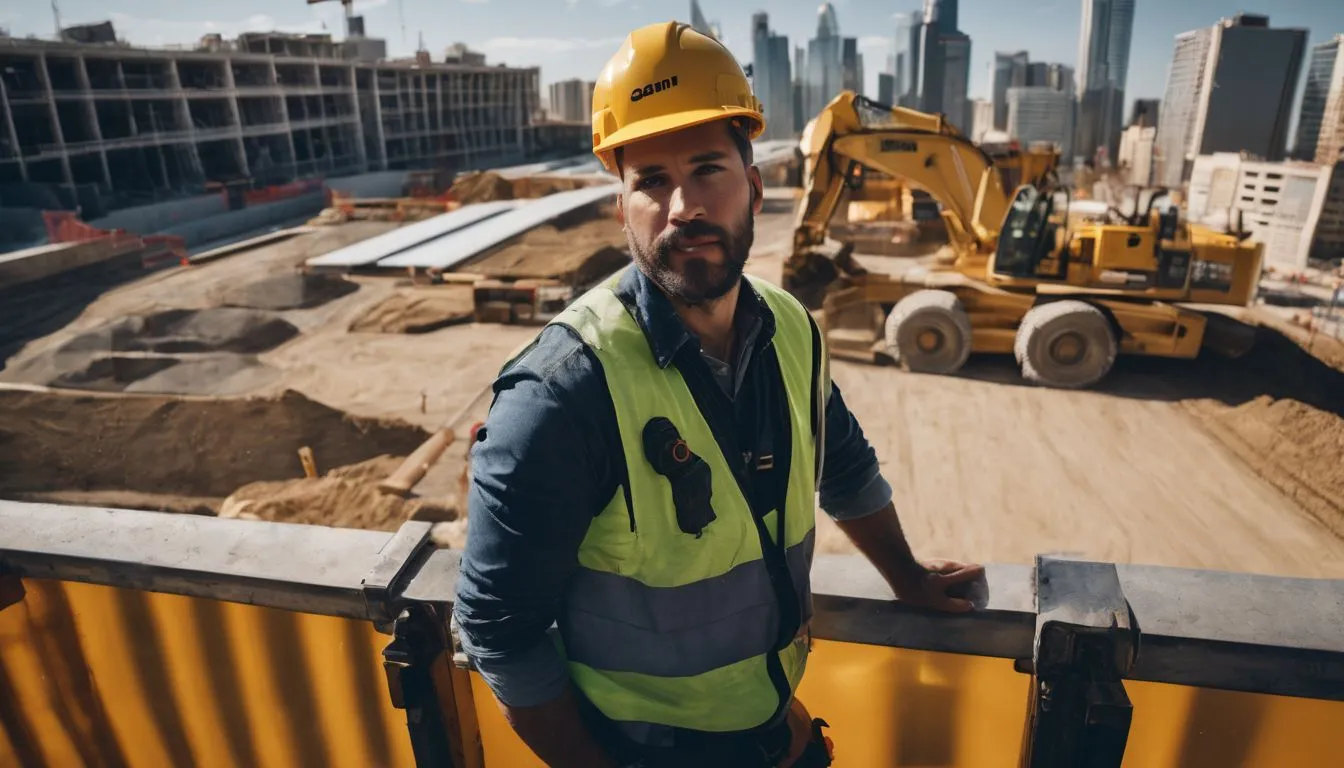
The Importance of Safety Barriers in the Workplace
Workplace safety barriers are crucial in reducing accidents and injuries, protecting pedestrians and workers, as well as ensuring compliance with regulations. They play a vital role in creating a secure work environment for everyone involved.
Reducing accidents and injuries
We prioritise the wellbeing of our team, understanding that a secure work environment is foundational for any successful business. By installing high-density barriers, we actively diminish the risk of accidents and injuries.
These robust barricades serve as a physical shield between heavy machinery like forklifts and our valued staff members. They create a visible line that deters vehicles from entering pedestrian zones, markedly lowering the chances of collisions.
Our commitment to safety doesn’t stop at mere hazard prevention; it extends to fostering a culture where every individual feels responsible for maintaining security within their workspace.
Implementing these barrier systems transforms passive safety measures into active engagement with workplace protection standards. Through this approach, we not only safeguard lives but also enhance overall productivity by ensuring everyone operates in an environment free from preventable harm.
Protecting pedestrians and workers
Safety barriers play a critical role in protecting pedestrians and workers within the workplace. By strategically placing guardrails and caution tapes, we can effectively separate pedestrian walkways from areas with forklift traffic, preventing potential collisions.
Implementing dome mirrors and boom gates provide additional visual aids to enhance pedestrian safety around high-traffic zones. These measures not only comply with workplace safety standards but also demonstrate our commitment to prioritising pedestrian safety within the industrial environment.
In addition to physical barriers, instilling a culture of caution among employees through training on hazard identification and risk management further safeguards pedestrians and workers.
Compliance with regulations
Complying with workplace safety regulations is crucial for the smooth operation of your business. By implementing high-density barriers, you can ensure that your workplace meets all safety standards and regulations.
This not only helps in preventing accidents and injuries but also demonstrates your commitment to providing a safe working environment for your employees.
Installing high-density barriers shows that you are proactive in meeting industrial safety equipment guidelines, which can help mitigate potential risks and liabilities associated with non-compliance.
Case Studies
– Explore real-life examples of how companies like Brookfield, Alstom, and Admil Adhesives have successfully implemented high-density barriers to improve workplace safety and prevent accidents.
Discover the specific challenges they faced and the solutions they implemented for a safer work environment.
Brookfield
Brookfield implemented high-density barriers in their warehouse to improve workplace safety. These barriers effectively separated forklift traffic from pedestrian walkways, reducing the risk of collisions and ensuring the protection of workers and visitors.
The high-density barriers also facilitated the implementation of traffic management plans, creating clearly defined safe zones and improving overall compliance with workplace security regulations.
By choosing these solutions, Brookfield significantly reduced accidents and injuries related to forklift operations in their facility, promoting a safer working environment for both employees and guests.
Alstom
Following the successful implementation of high-density barriers at Brookfield, Alstom also experienced a significant improvement in workplace safety. By strategically placing safety barriers in their facility, Alstom effectively reduced forklift collisions and enhanced pedestrian protection.
The implementation of high-density barrier solutions enabled them to comply with work platform safety regulations while creating a safer environment for both workers and pedestrians.
Alstom’s case study showcases how integrating high-density barrier solutions can significantly reduce accidents and create a safer workplace environment. Their experience demonstrates that investing in these solutions not only ensures compliance with safety regulations but also fosters a culture of prioritising employee well-being and safety.
Admil Adhesives
Admil Adhesives has successfully implemented high-density safety barriers to enhance workplace safety. This initiative has drastically reduced the risk of accidents involving forklifts and pedestrians within their facility.
The use of high-density barriers has not only improved collision prevention but also created a safer and more organised work environment, in line with strict compliance regulations.
Business owners can learn from Admil Adhesives’ example, understanding that implementing these solutions is not just about preventing accidents, but also about fostering a culture of safety and responsibility.

Types of Safety Barriers
When it comes to workplace safety, there are various types of safety barriers that can be implemented to protect workers and prevent accidents. From expanding barriers to dome mirrors and boom gates, these high-density solutions play a crucial role in ensuring a safe work environment.
To learn more about how these safety barriers can improve workplace safety, read our full blog post!
Expanding barriers
Expand barriers are a flexible and versatile safety solution that can be easily adjusted to fit various spaces within your workplace. These barriers are designed to expand and contract as needed, providing a customisable method for creating secure zones and controlling traffic flow.
Whether you need to cordon off an area temporarily or create a safe path for pedestrians in a busy warehouse, expanding barriers offer a practical and adaptable way to enhance workplace safety.
By utilising expanding barriers strategically throughout your facility, you can effectively manage access points, designate work areas, and prevent unauthorised entry into hazardous zones.
Pedestrian rails
Pedestrian rails provide a physical barrier between forklift traffic and pedestrian walkways, reducing the risk of accidents in the workplace. When strategically placed, these rails guide pedestrians safely around high-traffic areas and protect them from potential hazards, promoting an overall safer work environment.
Pedestrian rails also serve as a visual cue for both forklift operators and pedestrians, reminding them to be mindful of their surroundings and adhere to designated pathways.
Installing pedestrian rails is an effective way to enhance workplace safety by clearly delineating pedestrian zones and preventing unauthorised access to potentially dangerous areas.
Dome mirrors
Dome mirrors provide an excellent solution for improving visibility in areas with blind spots, such as around corners or in narrow aisles. These convex mirrors enhance workplace safety by allowing workers and forklift operators to see around obstacles and have a clearer view of oncoming traffic.
By installing dome mirrors strategically throughout the facility, businesses can significantly reduce the risk of collisions and near-misses, thus creating a safer environment for both pedestrians and equipment operators.
Additionally, dome mirrors aid in preventing accidents by providing a better line of sight in areas where vision may be obstructed. This proactive approach not only minimises the potential for costly property damage but also lowers the likelihood of injury to employees.
It’s vital to consider installing dome mirrors at critical points within your workspace to maximise safety measures.
Boom gates and barriers
Transitioning from dome mirrors to boom gates and barriers, it’s crucial to highlight the significance of physical barriers such as boom gates and barriers. These structures provide a clear indication of restricted areas or hazards, effectively preventing unauthorised access or accidental collisions in high-traffic zones within the workplace.
Boom gates and barriers serve as a visible deterrent that guides pedestrian and vehicle traffic, ensuring that safety protocols are adhered to without compromising workflow efficiency.
In addition, installing boom gates and barriers can help mitigate potential dangers posed by forklifts operating in shared spaces with employees. It acts as a physical barrier separating pedestrians from forklift paths while facilitating smooth traffic flow.
Work Safe Gate™
Work Safe Gate™ provides a secure and efficient solution for controlling access to restricted areas in the workplace. This high-density barrier offers a reliable way to safeguard pedestrians from forklift traffic, reducing the risk of accidents and injuries.
With its durable construction and user-friendly design, Work Safe Gate™ ensures that your facility remains compliant with safety regulations while promoting a safe working environment.
Implementing Work Safe Gate™ can enhance your workplace safety measures by effectively separating pedestrian walkways from forklift operating zones. The gate’s visible indicators provide clear guidance to both pedestrians and forklift operators, minimising the potential for collisions.
How Safety Barriers Can Improve Workplace Safety
Separation of forklifts and pedestrians, involvement and implementation of traffic management plans, creating safe zones, scheduling and parking guidelines, and pre-operational checks for forklift operators are just a few ways safety barriers can improve workplace safety.
Read on to discover more about how high-density barriers can elevate your workplace safety.
Separation of forklifts and pedestrians
To ensure workplace safety, it is crucial to separate forklifts from pedestrians by creating designated pathways and clearly marked pedestrian zones. Implementing physical barriers or visual indicators such as floor markings can help prevent accidents and protect workers from potential collisions with forklifts.
By establishing clear separation between these two groups, the risk of injuries and near-misses can be significantly reduced, promoting a safer work environment for all employees.
Involving stakeholders in developing traffic management plans can further enhance safety measures by addressing specific areas where forklifts and pedestrian activities intersect. This collaborative approach ensures that practical solutions are implemented to minimise risks and improve overall workplace safety.
Involvement and implementation of traffic management plans
To ensure a smooth and safe workplace environment, involving employees in the implementation of traffic management plans is crucial. By seeking input from workers who are directly affected by traffic flow, businesses can develop more effective strategies for managing pedestrian and vehicle movements.
This involvement fosters a sense of ownership and responsibility among employees, leading to higher compliance with safety protocols and reduced risk of accidents. Additionally, providing training on traffic management plans equips staff with the knowledge and skills needed to identify potential hazards and take proactive measures to maintain a secure work environment.
Implementing comprehensive traffic management plans involves clearly defining routes for vehicles, pedestrians, and material handling equipment while establishing guidelines for speed limits, right-of-way rules, and designated crossing areas.
Creating safe zones
To create safe zones, implement clear signage and floor markings to delineate pedestrian walkways and forklift travel paths. This simple visual cue helps workers stay mindful of their surroundings and reduces the risk of accidents.
Additionally, consider installing physical barriers such as guardrails or bollards to physically separate pedestrians from forklift traffic in high-traffic areas. These measures provide a tangible boundary that reinforces safety protocols and minimises the potential for workplace incidents.
Ensure all employees are aware of designated safe zones through regular communication and training sessions. Empower them with the knowledge to recognise these areas and encourage active participation in maintaining a safe working environment.
Scheduling and parking guidelines
Implementing clear scheduling and parking guidelines is essential for maintaining a safe workplace environment. This involves establishing designated parking areas for vehicles and defining specific times for delivery trucks to operate.
By enforcing these guidelines, we can minimise the risk of accidents involving pedestrians and equipment movement, ultimately enhancing overall safety within the facility.
Moreover, incorporating predefined schedules for vehicle maintenance and inspections ensures that all equipment remains in optimal working condition, reducing the likelihood of malfunctions or breakdowns while in operation.
Pre-operational checks for forklift operators
- Checking fluid levels, including oil, water, and hydraulic fluid, to ensure they are at the recommended levels.
- Inspecting tyres for any signs of wear and tear, including cuts, bulges, or uneven wear patterns that could affect stability and traction.
- Examining the brakes to ensure they are functioning correctly and can bring the forklift to a complete stop when necessary.
- Testing all lights and signals to confirm they are operational and visible to enhance overall safety in low-light conditions.
- Verifying the functionality of safety features such as seat belts, horns, and backup alarms as essential components of safe operations.
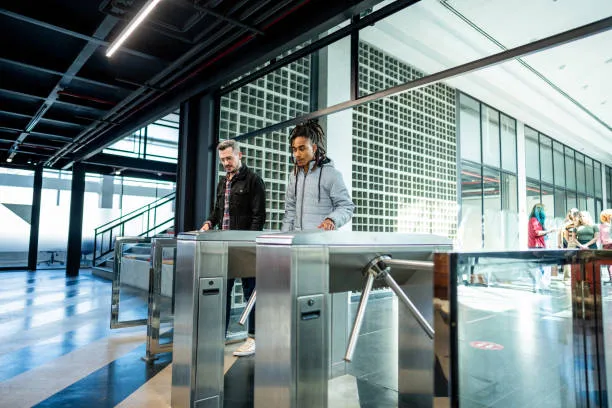
Conclusion
Workplace safety is essential for every business. Implementing high-density barriers can significantly reduce accidents and injuries in your workplace. These practical and efficient strategies can create a safer environment for both workers and pedestrians. How will you prioritise workplace safety in your business? Take action now to elevate your workplace safety with high-density barriers. Your commitment to safety will lead to a positive impact on the overall well-being of your employees and the success of your business.