
1 May 2024 · filed in Safety Barriers Sydney
Elevating Workplace Safety: The Importance of Heavy-Duty Forklift Barriers
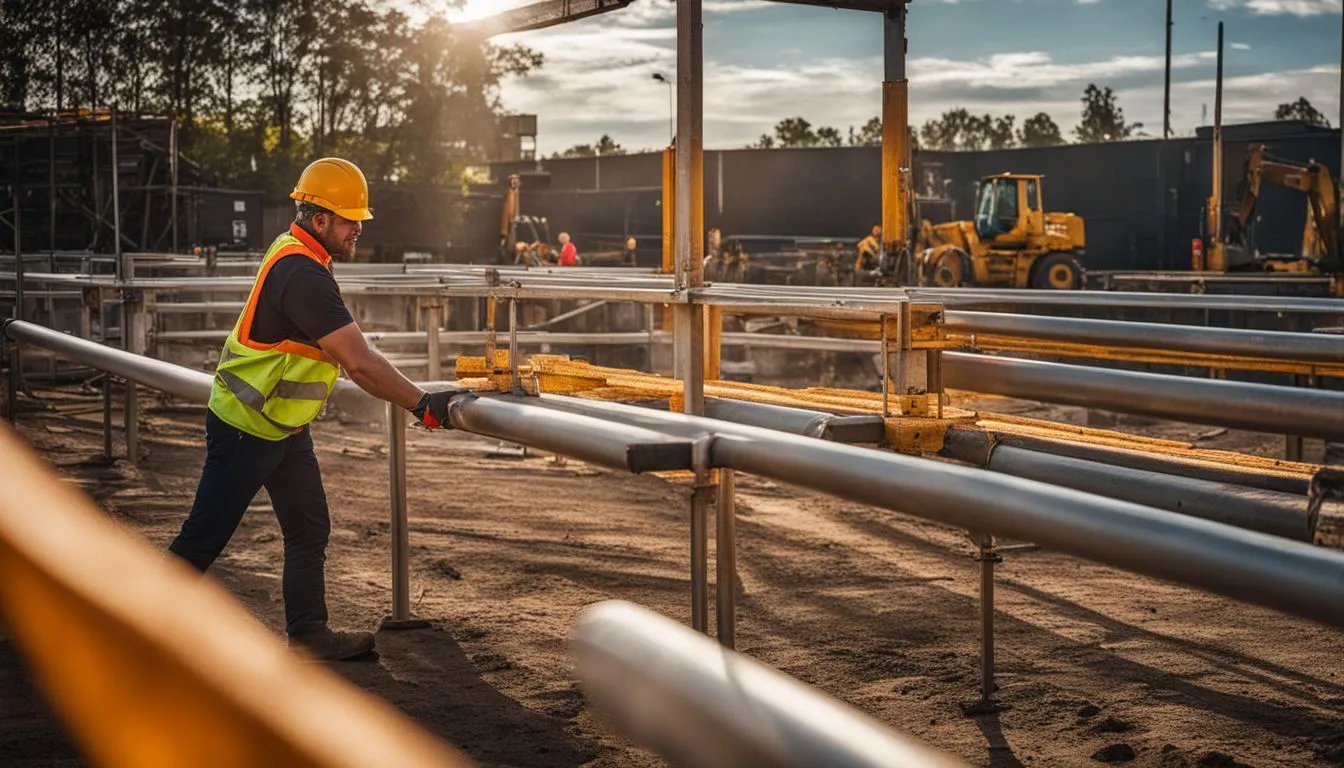
We get it, keeping the workplace safe, especially when you’re dealing with hefty machinery like forklifts, can be a real headache. Down here in Australia, we’ve seen our fair share of workplace mishaps involving these giants and it’s not pretty.
That’s why we took it upon ourselves to dig deep and round up all the essential info on heavy-duty forklift barriers that can make a world of difference. This guide is packed with insights on how proper safety measures not only keep accidents at bay but also ramp up productivity.
Stick around to find out more!
The Role of Safety Barriers in the Workplace
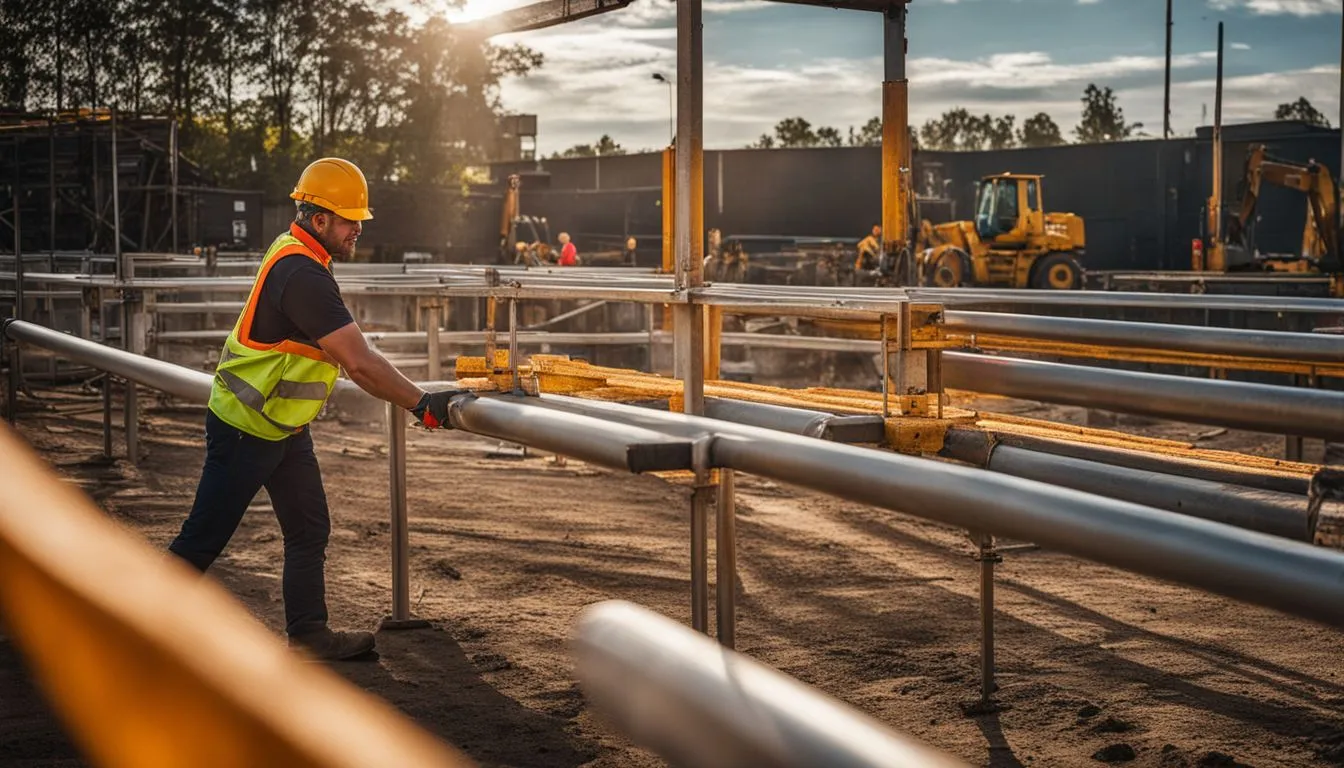
Safety barriers play a crucial role in preventing workplace accidents and enhancing productivity. They create a safer working environment for employees, reducing the risk of workplace injuries and ensuring smooth operations.
Preventing accidents
We prioritise setting up heavy-duty steel barriers around workplaces to significantly reduce the risk of forklift-related accidents. These sturdy guard rails act as a formidable line of defence between forklifts and pedestrians, ensuring that everyone goes home safely at the end of the day.
By implementing these safety measures, we create a safer environment that fosters confidence among workers and enhances overall productivity.
Our efforts in installing workplace safety barriers are not just about compliance with safety regulations; they reflect our commitment to elevating workplace safety standards. We focus on identifying potential hazards and mitigating risks through strategic placement of forklift protection barriers, making sure that areas with heavy machinery operations are well-guarded.
This proactive approach helps us prevent accidents before they happen, keeping our team members safe and secure while on the job.
Increasing productivity
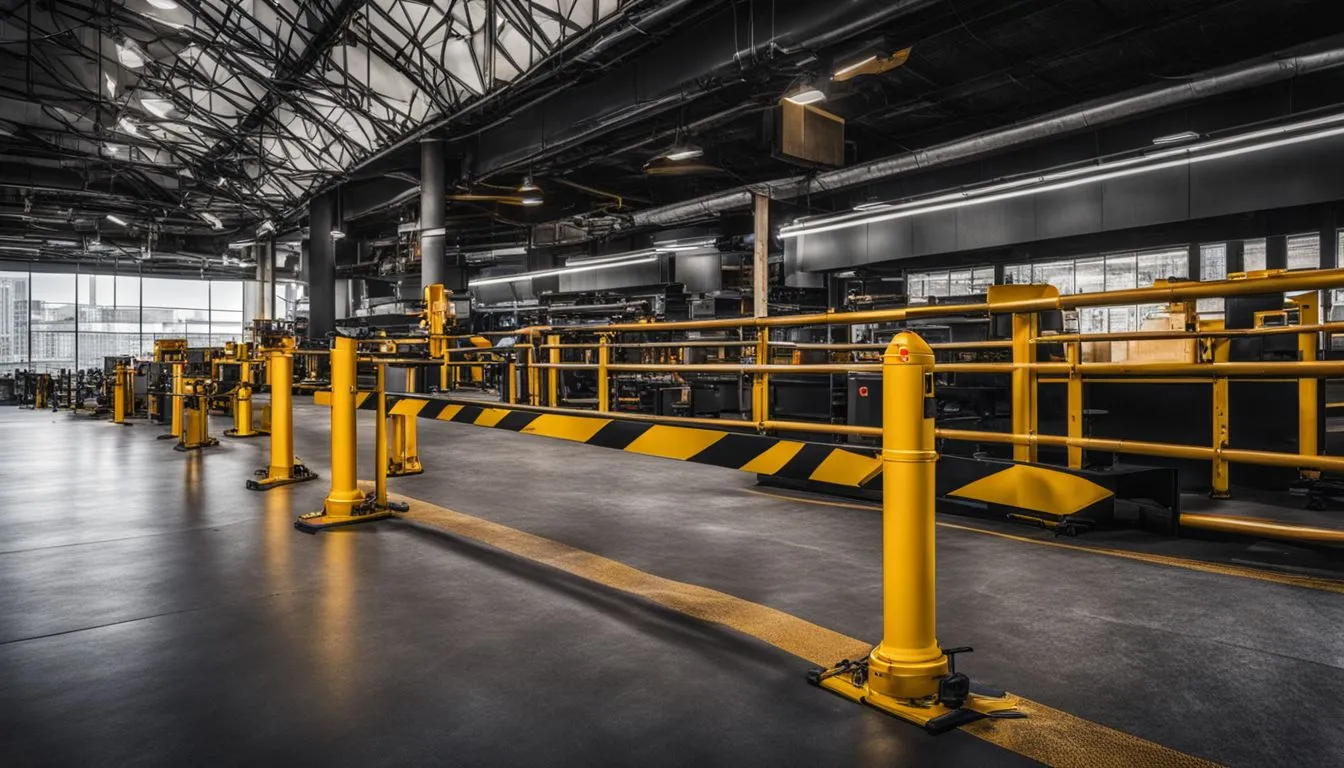
We understand that productivity directly impacts the bottom line for both business owners and homeowners who rely on heavy machinery like forklifts. Keeping operations smooth and efficient is our goal.
Installing heavy-duty steel barriers ensures safety in high-risk areas, which in turn minimises downtime caused by workplace accidents or equipment damage. With fewer interruptions, workflows are streamlined, allowing tasks to be completed faster and more safely.
Safety drives productivity – when we secure the workplace with heavy-duty forklift barriers, we’re not just preventing accidents; we’re also paving the way for a smoother operation.
Creating a safer work environment does more than just protect employees; it significantly boosts morale. High morale leads to increased engagement and efficiency among team members.
By incorporating rigorous safety measures through effective use of forklift protection barriers, we foster an atmosphere where everyone can focus fully on their tasks without undue stress over potential hazards.
This focus translates into better quality work done in less time, a win-win situation for all involved.
The Importance of Forklift Safety in the Workplace
Ensuring forklift operator adherence to safety rules is vital. Collaboration is key for pedestrian and operator well-being.
Forklift health and safety rules for operators
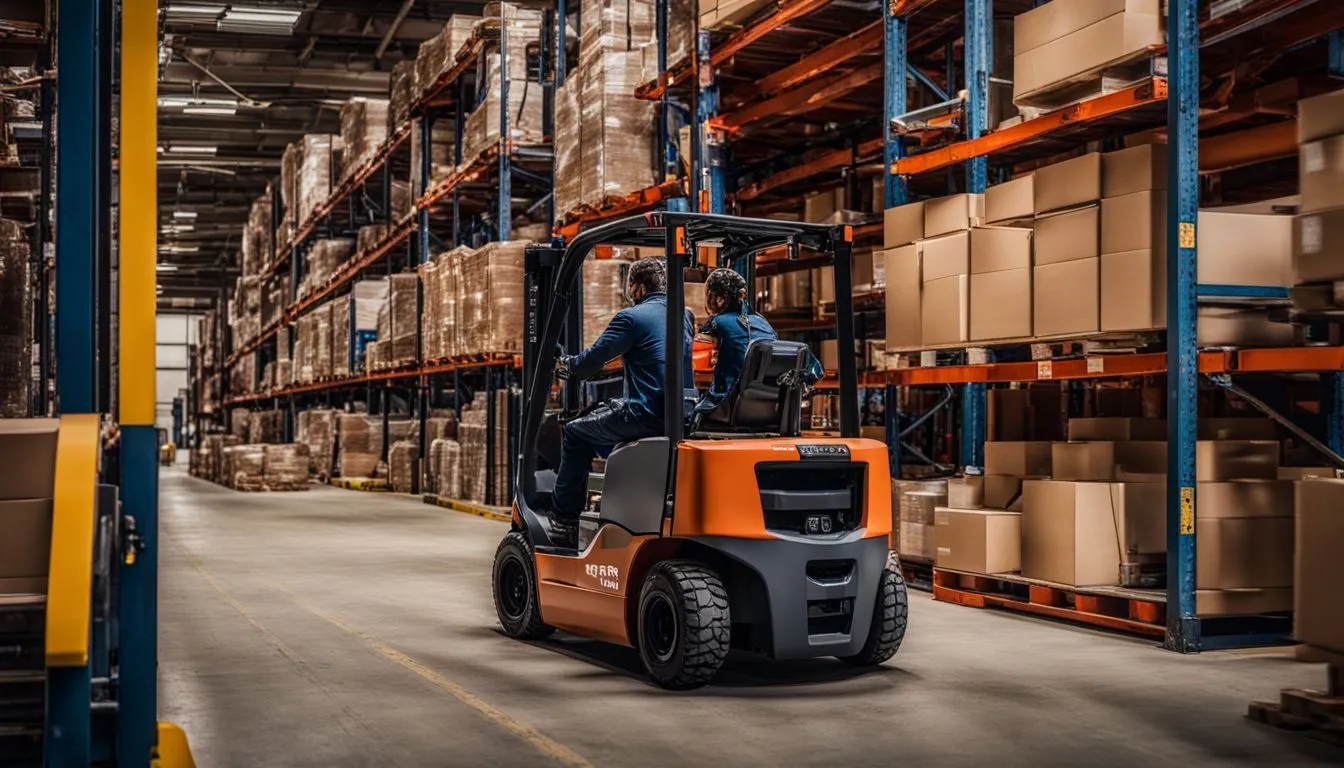
We always ensure our forklift operators are well-versed in health and safety rules to minimise workplace accidents. This includes wearing the correct safety gear, such as helmets and high-visibility jackets, and conducting regular checks on their equipment before use.
Operators must also adhere to speed limits within the workplace and never carry loads that exceed the forklift’s capacity. These practices are crucial in elevating workplace safety and reducing forklift-related injuries.
Training sessions form a significant part of our commitment to safety, teaching operators how to navigate tight spaces safely and handle sudden stops or starts without losing control.
We stress the importance of keeping a clear line of sight with pedestrians to avoid collisions, reinforcing forklift pedestrian safety as a team effort. Through these measures, we aim not only to protect our staff but also to maintain an efficient flow of operations within our workspace.
Next, we delve into how both operators and pedestrians can work together for safer work environments.
Forklift pedestrian safety: a team effort
Ensuring forklift pedestrian safety requires everyone in the workplace to work together. We encourage all team members, not just the forklift operators, to stay aware of their surroundings and follow established safety protocols.
This collective effort helps prevent accidents and creates a safer environment for everyone involved.
We make it our mission to promote safety awareness among our staff and visitors alike. By doing so, we significantly reduce the risks associated with forklift operations, making our workplaces safer and more productive.
The Role of Heavy-Duty Forklift Barriers
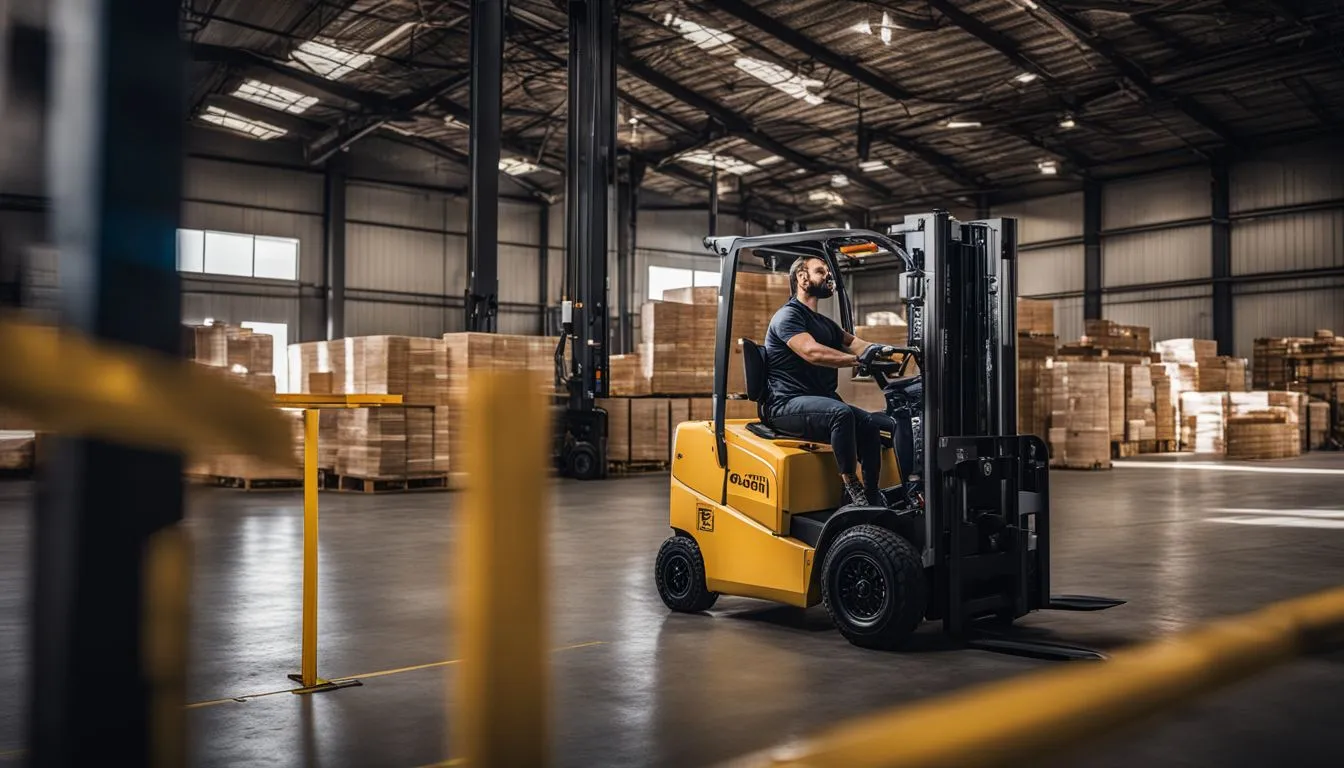
Preventing forklift accidents is crucial in the workplace. Increased safety measures are essential to protect personnel and property.
Types of forklift protection barriers
Ensuring workplace safety is a top priority for us, especially in environments where heavy machinery like forklifts operate. We understand the significance of implementing effective forklift protection barriers to safeguard employees, equipment, and infrastructure.
- Fixed Steel Barriers: These are permanent solutions positioned around areas of high traffic or where forklifts operate close to walkways. Their sturdy construction withstands significant impacts, protecting both pedestrians and operators from potential accidents.
- Adjustable Safety Rails: Ideal for areas requiring occasional access by forklifts, these rails can be easily moved or adjusted. They offer flexibility in creating safe zones while maintaining operational efficiency.
- Polymer Barriers: Constructed from high-density materials, these barriers absorb impacts effectively and return to their original shape. They suit environments with lighter machinery and lower risks.
- Guard Rails and Bollards: Positioned at strategic points like corners, doorways, or near equipment to prevent collisions. Guard rails direct traffic flow safely while bollards protect critical infrastructure from accidental hits.
- Safety Gates: These are vital for entry points into forklift zones, ensuring that pedestrian movement is controlled and only occurs when it is safe to do so. Gates can be manual or automated depending on the level of safety required.
- Netting and Soft Barriers: For areas where traditional barriers are not feasible, netting can catch falling objects while soft barriers warn operators of proximity to sensitive areas without causing damage upon contact.
- Heavy-Duty Steel Barriers: Specifically designed for intense operations, these barriers provide maximum protection against heavy forklifts and extreme conditions, minimising risks of workplace deaths or serious injuries from collisions.
- Electronic Safety Sensors: Incorporating technology into safety measures, these sensors alert operators when they’re too close to designated safe zones or other hazards, enhancing overall safety awareness in the workplace.
We actively invest in a variety of forklift protection barriers as part of our commitment to elevating workplace safety practices and reducing forklift-related risks. Our approach combines physical barriers with technological solutions to create an environment where productivity and safety go hand in hand.
Heavy-duty steel barriers as a solution
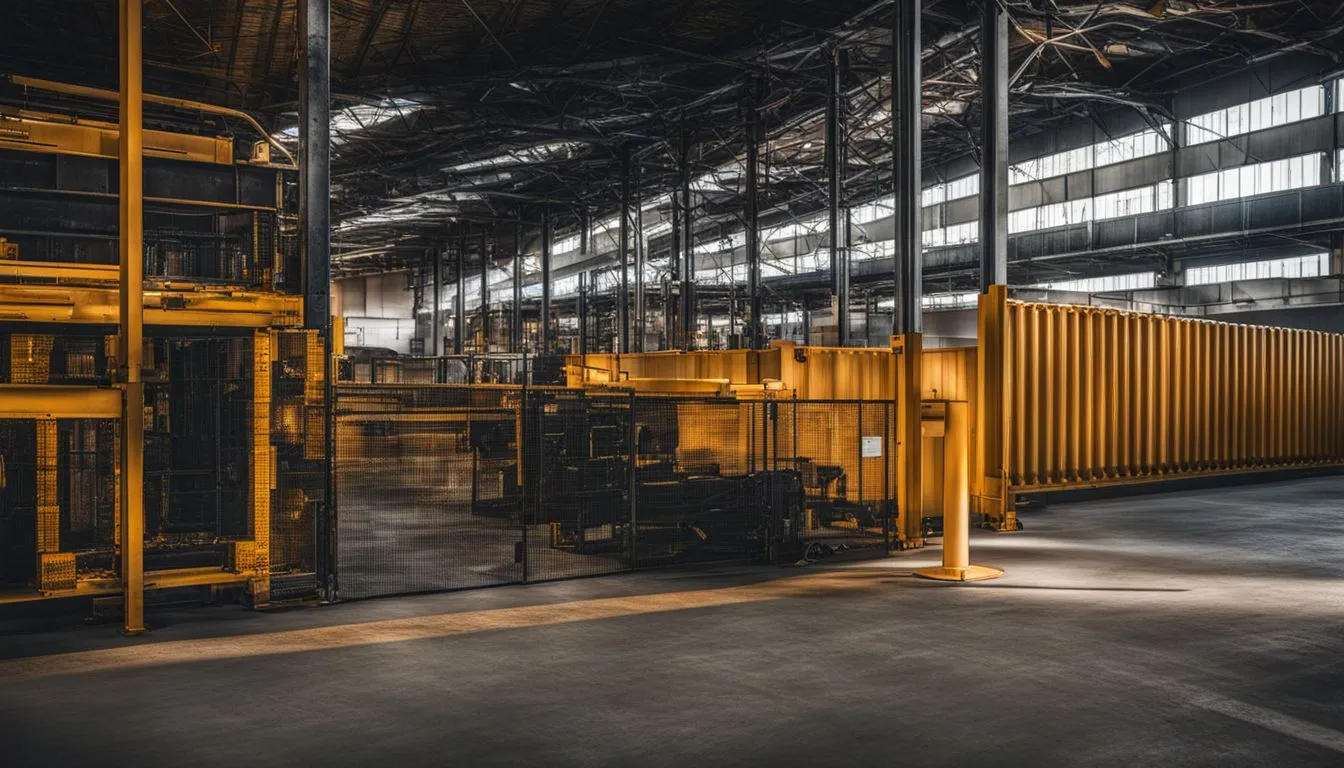
We understand the critical need for workplace safety and believe heavy-duty steel barriers offer a solid solution. These barriers serve as robust guard rails that prevent accidents by creating physical boundaries between forklift operations and pedestrian areas.
Their strength ensures they can withstand impacts from heavy machinery, effectively reducing risks associated with forklift operations.
Implementing these steel barriers in key areas around the workplace greatly enhances overall safety practices. They act not only as protective measures but also signal to both operators and pedestrians the importance of staying aware in potentially hazardous environments.
By integrating heavy-duty steel barriers, we elevate workplace safety standards, making it a safer place for everyone involved.
Implementing Forklift Safety Measures
Implementing forklift safety measures involves developing traffic management plans, creating safe zones and providing clear guidelines for forklift operators. These steps ensure a safer work environment and reduce the risk of accidents involving heavy-duty machinery.
Traffic management plans
Creating effective traffic management plans is crucial for ensuring the smooth flow of vehicles and pedestrians within the workplace. We focus on designing pathways that keep heavy machinery, like forklifts, away from pedestrian areas to reduce risks of accidents.
By identifying high-risk zones and implementing strict route guidelines, we enhance overall safety and efficiency in the operational environment.
We also prioritise clear signage and floor markings to guide both forklift operators and workers on foot. This clarity prevents confusion and ensures everyone knows exactly where it’s safe to walk or drive.
Our aim is always to minimise interaction between forklifts and pedestrians, lowering the chances of workplace incidents significantly.
With carefully planned out traffic management strategies, we pave the way towards a safer workplace.
Next, we explore how creating dedicated safe zones contributes further to elevating workplace safety.
Safe zones creation
To enhance workplace safety, we create designated safe zones for pedestrians to navigate around the site without the risk of forklift accidents. These safe zones are strategically marked and clearly defined, ensuring that both employees and visitors can move about safely.
By incorporating safe zones into our traffic management plans, we reduce the likelihood of potential hazards in high-traffic areas, contributing to a safer workplace environment.
Furthermore, implementing clear guidelines for creating safe zones ensures that there is a consistent approach across the site. This not only minimises confusion but also promotes awareness among all personnel regarding the importance of maintaining these designated safe areas.
Forklift operator guidelines
When operating forklifts, operators must adhere to strict guidelines to ensure safety and prevent accidents. Here are the key guidelines:
- Conduct regular training sessions for forklift operators to refresh their knowledge of safety protocols, equipment operation, and emergency procedures.
- Emphasise the importance of maintaining clear visibility while operating a forklift by ensuring that loads are carried at a safe height.
- Encourage operators to inspect the forklift before use to identify any faults or malfunctions, ensuring all safety features are functioning correctly.
- Stress the significance of adhering to speed limits and safe driving practices within the workplace premises.
- Communicate the necessity of wearing seat belts at all times while operating a forklift to minimise the risk of injury during sudden stops or collisions.
- Institute measures such as regular rest breaks to combat operator fatigue and ensure alertness throughout shifts.
These guidelines are pivotal in promoting a safe working environment and minimising potential hazards related to forklift operations.
- Implementing Forklift Safety Measures
Navigating Safety: The Ultimate Guide to V-Gate Safety Gates
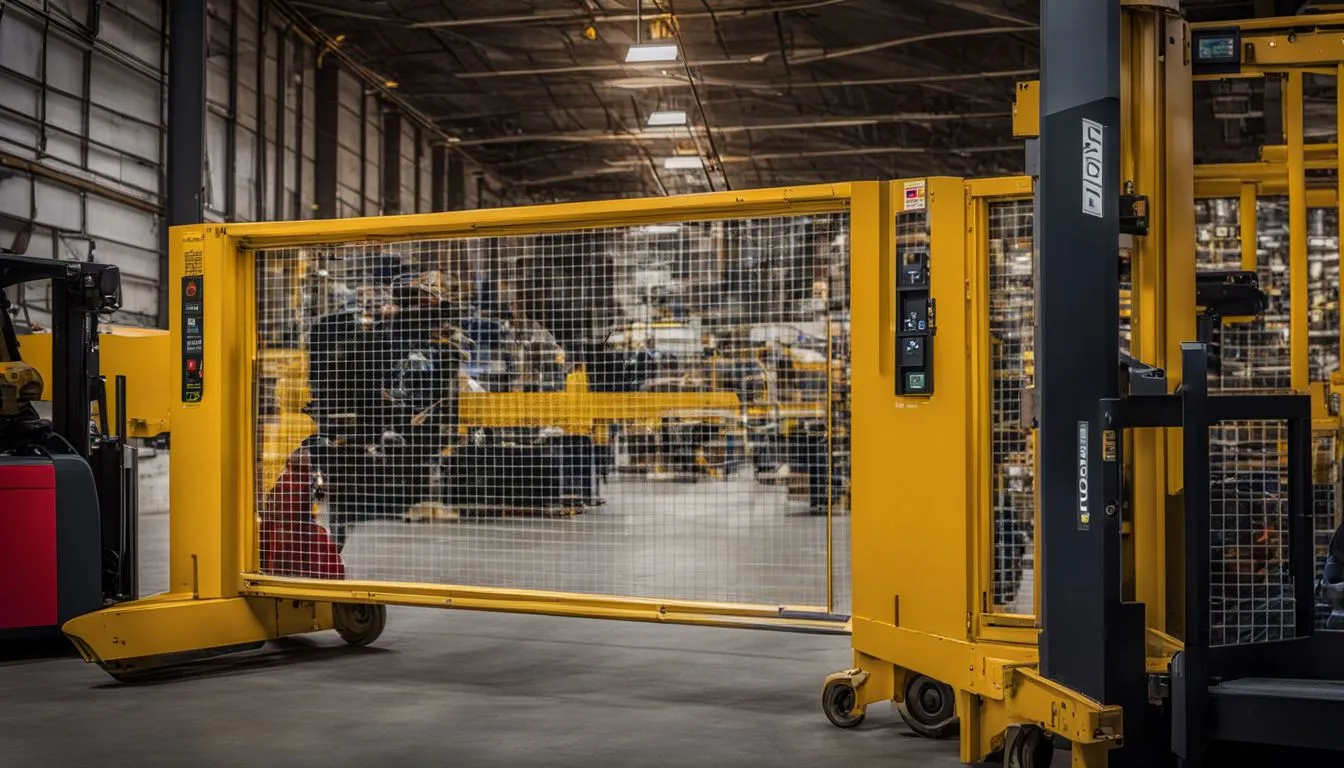
V-Gate safety gates are an essential part of any workplace or home safety plan. These gates provide a physical barrier that prevents access to hazardous areas, such as forklift traffic zones and loading docks.
They are designed to withstand high-impact forces, ensuring the protection of individuals and assets. V-Gate safety gates offer peace of mind by efficiently controlling access to potentially dangerous environments, ultimately reducing the risk of accidents and injuries in the vicinity.
The versatility of V-Gate safety gates makes them suitable for various applications, from industrial warehouses to residential properties. With their robust construction and easy installation process, these gates act as reliable safeguards against workplace hazards or potential accidents within a household setting.
Additionally, V-Gate safety gates contribute to maintaining a secure environment by promoting awareness of restricted zones and ensuring compliance with safety regulations.
Case Studies of Safety Barrier Implementation
Case Studies of Safety Barrier Implementation provide valuable insights into the practical application and success stories of heavy-duty forklift barriers in real workplace environments.
If you are interested, dive in to uncover the details.
Maersk Arndell Park
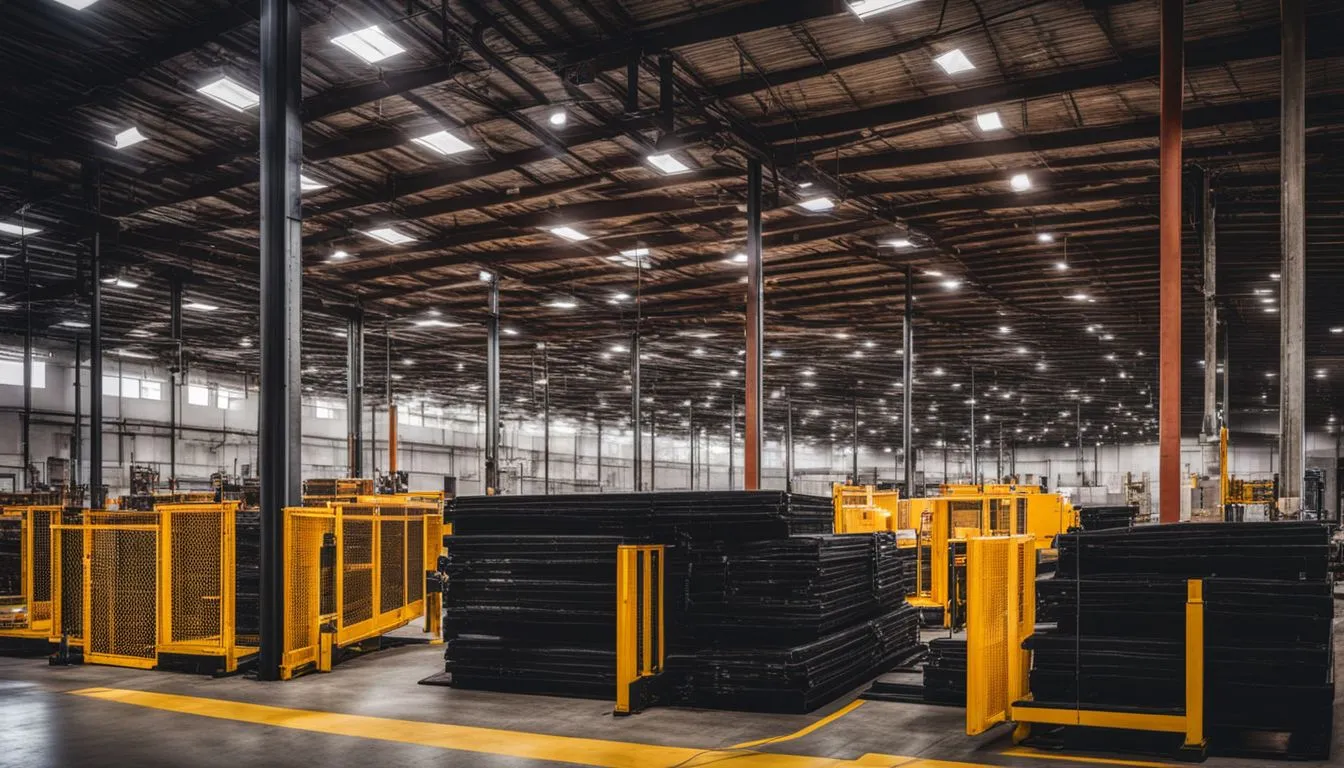
Maersk Arndell Park implemented heavy-duty steel barriers to enhance workplace safety. These robust barriers provide a physical barrier between pedestrians and forklifts, reducing the risk of accidents.
The implementation of these barriers has significantly improved safety measures at Maersk Arndell Park, underpinning their commitment to reducing workplace hazards and ensuring the well-being of their employees.
Furthermore, Maersk Arndell Park’s use of heavy-duty steel barriers serves as a case study demonstrating the effectiveness of this safety measure in industrial settings. It shows that implementing such measures not only protects workers but also contributes to increased productivity and reduced workplace risks associated with forklift operations.
Brookfield
Brookfield, a prime example of workplace safety excellence, implemented heavy-duty forklift barriers to protect their employees and equipment. By installing heavy-duty steel barriers in the high traffic areas of their warehouse, Brookfield significantly reduced the risk of accidents and injuries caused by forklift operations.
These robust barriers not only enhanced safety but also increased overall productivity by creating clearly defined safe zones for pedestrian workers, ensuring a smooth workflow without compromising on safety.
The success story at Brookfield demonstrates how investing in heavy-duty forklift barriers can make a substantial difference in workplace safety. With the implementation of these protective measures, business owners and homeowners alike can create safer work environments where accidents are minimised, and productivity is maximised.
Alstom
Alstom, a global leader in sustainable and innovative transport solutions, has successfully implemented heavy-duty forklift barriers in their facilities. The integration of these safety measures has significantly reduced workplace accidents and enhanced overall safety awareness among employees.
By utilising heavy-duty steel barriers, Alstom has effectively created safe zones within their premises to minimise the risks associated with forklift operations.
The success story of Alstom serves as a testament to the effectiveness of heavy-duty forklift barriers in ensuring workplace safety. Implementing similar safety measures can help businesses and homeowners reduce the occurrence of workplace accidents and create a secure environment for employees and visitors alike.
Conclusion
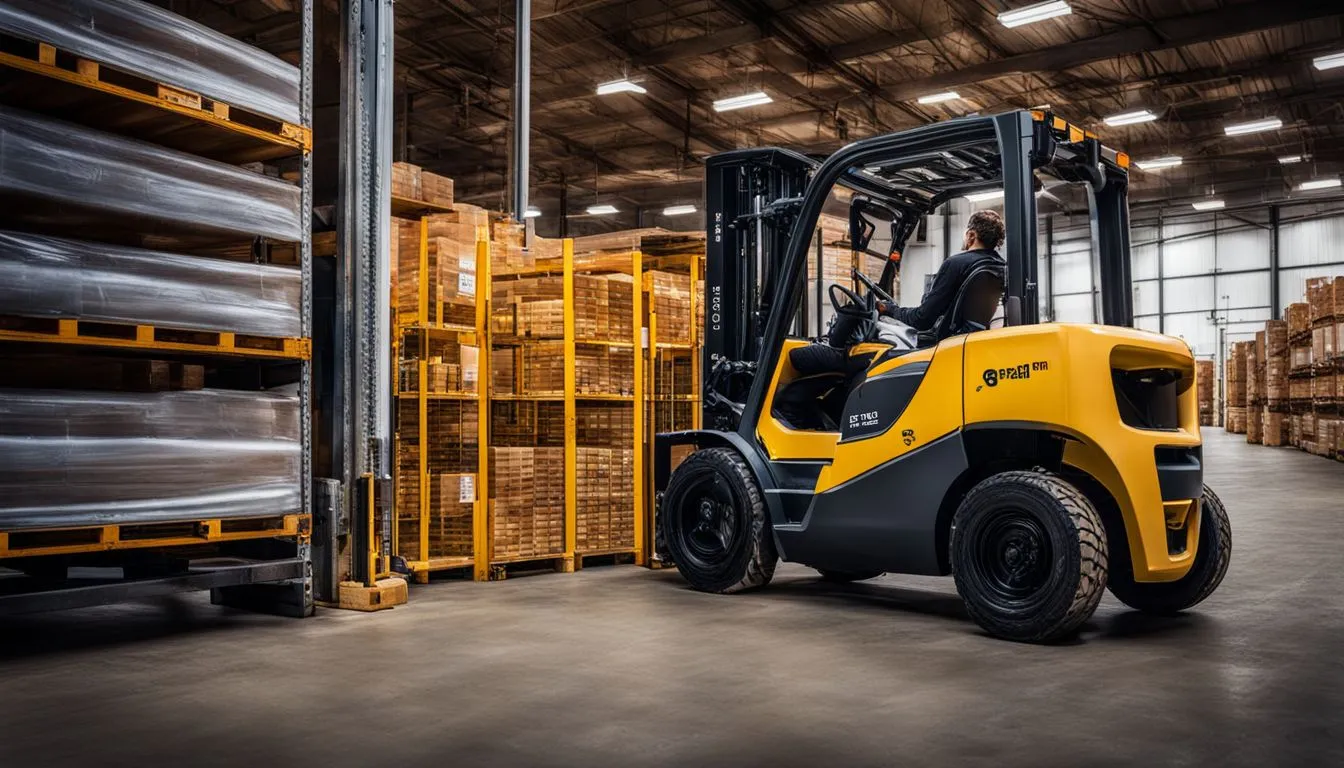
We’ve explored the vital role of heavy-duty forklift barriers in elevating workplace safety. The practicality and effectiveness of these strategies are evident, offering a simple yet efficient means to prevent accidents and increase productivity.
How can you apply these methods within your own workplace to improve safety measures? Implementing these techniques can lead to significant improvements in preventing forklift accidents and enhancing overall workplace safety.
If you’re seeking further resources or guidance on this topic, there’s plenty of additional reading available for continued learning and engagement beyond this article. Let’s consider how we can take action today to ensure a safer working environment for all.