
20 March 2024 · filed in Safety Update
Enhancing Food Industry Safety: Transforming Workspaces with Safety Barriers
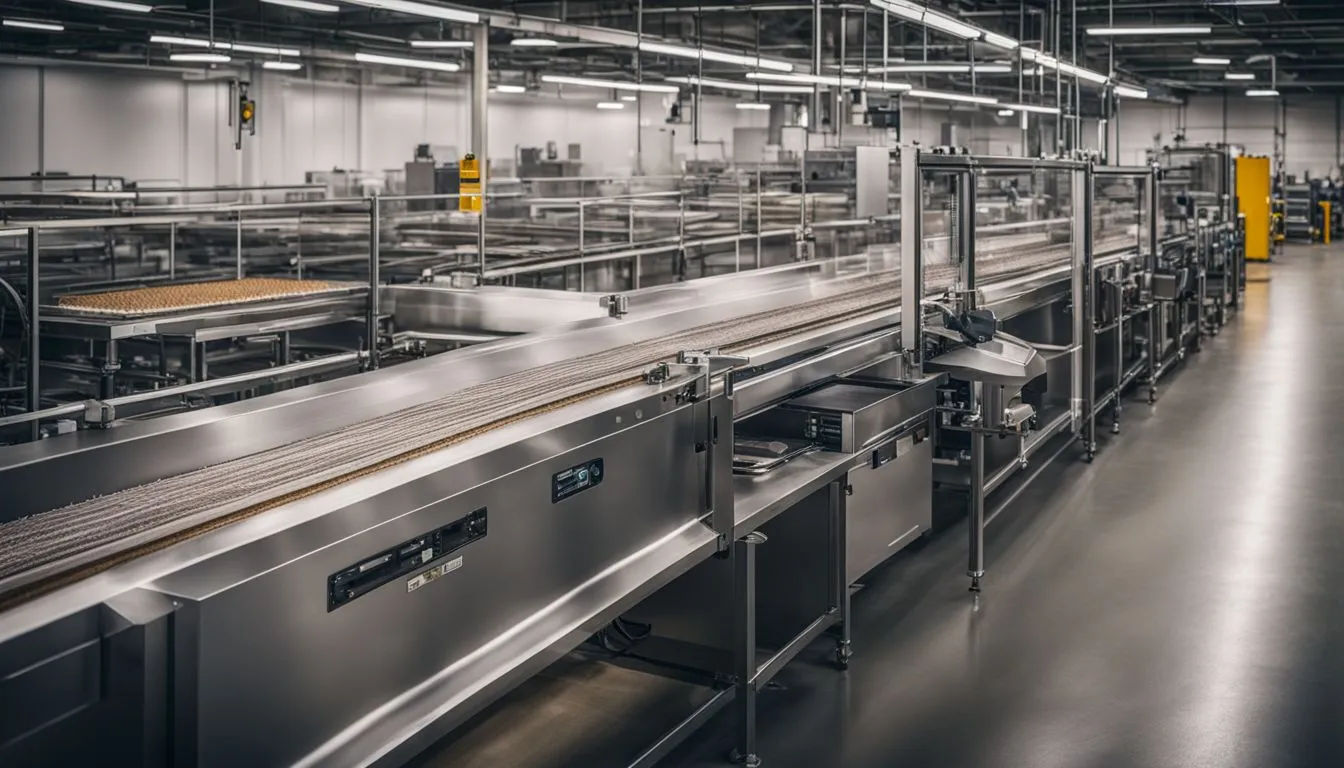
Ensuring our tucker is safe to scoff takes a fair dinkum commitment. We’ve trodden the same path and fully get how tough it can be, especially when one little stuff-up could lead to major dramas.
Our diggings have shown that safety barriers are deadset champions in not only looking out for our mates on the floor but also in keeping the high standards we’re all about in the food game.
Keep reading to find out how these clever bits of kit are shaking up safety measures. Keeping everyone safe starts right here, mate.
The Importance of Safety in the Food Industry
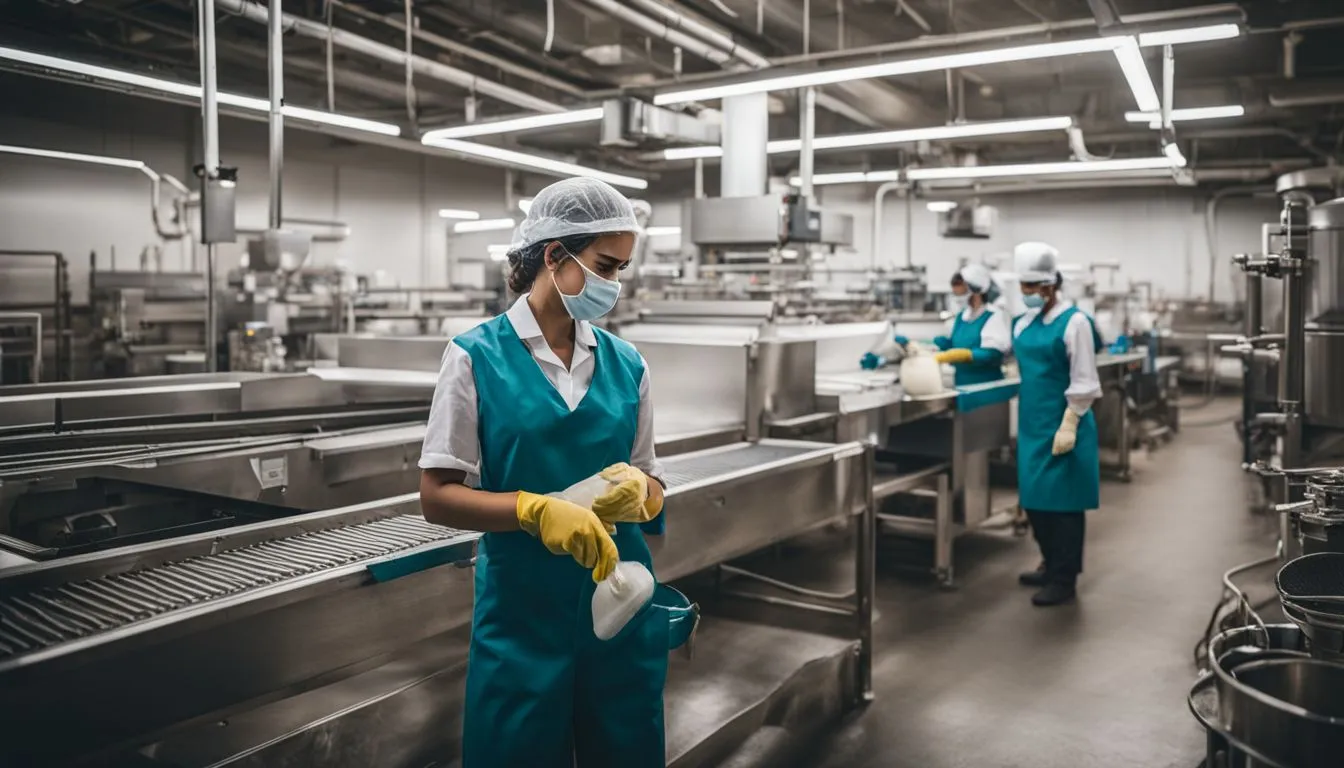
Maintaining high safety standards in the food industry is crucial. We understand that it involves more than just following hygiene standards; it’s about ensuring every member of our team returns home safely at the end of each day.
Workplace safety, hazard prevention, and adherence to food processing safety protocols play a significant role in protecting our workers from accidents and health risks. This commitment also safeguards our consumers, guaranteeing that the products they trust are handled in environments where occupational health and safety are priorities.
We focus on creating a culture that prioritises food safety culture above all else. Risk management in the food industry goes hand-in-hand with promoting a safe working environment for everyone involved, from those on the production floor to those overseeing operations.
By integrating effective barrier systems and adopting clear communication barriers, we enhance workplace safety while meeting stringent manufacturing industry regulations. Next, let’s explore how implementing these practices impacts daily operations through the introduction of safety barriers.
The Role of Safety Barriers in Food Manufacturing
Safety barriers play a crucial role in protecting workers, streamlining production processes, and enhancing communication within food manufacturing facilities. They are essential for maintaining a safe and efficient workspace.
Protection of Workers
We prioritise our workers’ safety above all within the food industry. Our commitment drives us to implement effective barrier systems that serve as a shield against workplace hazards.
These measures not only uphold occupational health and safety standards but also foster a culture of well-being amongst our employees. By putting these protocols in place, we ensure that everyone can perform their tasks in an environment that minimises risks and protects them from potential harm.
Our approach involves continuous risk management in the food industry by identifying areas where workers are most vulnerable and deploying targeted solutions to address those needs.
This proactive stance on safety empowers our workforce, giving them confidence in their protective surroundings while they focus on producing high-quality products. Through this dedication to enhancing workplace safety, we build a stronger foundation for operational excellence and employee satisfaction.
Streamlining Production Processes
Implementing safety barriers in our food manufacturing workspaces does more than protect workers; it also streamlines production processes. By clearly marking hazardous areas and directing traffic flow, we prevent bottlenecks and ensure a smoother operation.
This leads to increased efficiency and productivity, making our workplace safer and more effective.
Safety barriers help us maintain high hygiene standards required in the food industry. They act as physical reminders for employees to follow safety protocols, reducing the risk of contamination.
This systematic approach supports our commitment to providing safe, quality products whilst optimising our day-to-day operations.
Improving Communication
We understand the critical role clear communication plays in enhancing workplace safety, especially in the food industry. By integrating safety barriers into collaborative workspaces, we enable more effective communication among team members.
These barriers are not just physical dividers; they act as visual cues that guide workers and improve flow within production areas.
Creating an environment where information is easily accessible to all employees is essential for a strong food safety culture. We focus on designing workspaces that encourage open dialogue and quick dissemination of important safety protocols.
This approach ensures everyone stays informed about potential hazards and changes in manufacturing processes, fostering a culture of continuous improvement and engagement in occupational health and safety practices.
Customising Safety Barrier Solutions
When it comes to safety, customising barrier solutions is vital in the food industry. To find out more, let’s delve into how tailored safety barriers are designed to enhance workplace safety and productivity.
Verge Safety Barriers
We, at our company, offer Verge Safety Barriers as a crucial solution for enhancing workplace safety in the food industry. These barriers serve multiple purposes: they protect workers by clearly defining walkways and machinery zones, prevent accidents involving pedestrians and mobile equipment, and help maintain hygiene standards by reducing cross-contamination risks.
Our safety barriers are made from durable materials designed to withstand the harsh conditions often found in food processing environments.
Our commitment extends beyond just providing barrier systems; we work closely with business owners to understand their specific needs. This approach allows us to suggest the most effective layout of Verge Safety Barriers that not only ensures worker safety but also streamlines production processes.
With these barriers in place, employees can navigate the workspace more safely and efficiently, leading to improved productivity and a stronger food safety culture within the organisation.
Through this targeted intervention, we aid businesses in meeting both occupational health and safety regulations and their operational goals.
The Evolution of Safety Barriers: From Physical to Intelligent Integration
Safety barriers have evolved from traditional industrial robots to include collaborative robots (Cobots) in food manufacturing. This evolution demonstrates the industry’s commitment to integrating advanced technologies for enhanced workplace safety and efficiency.
Traditional Industrial Robots
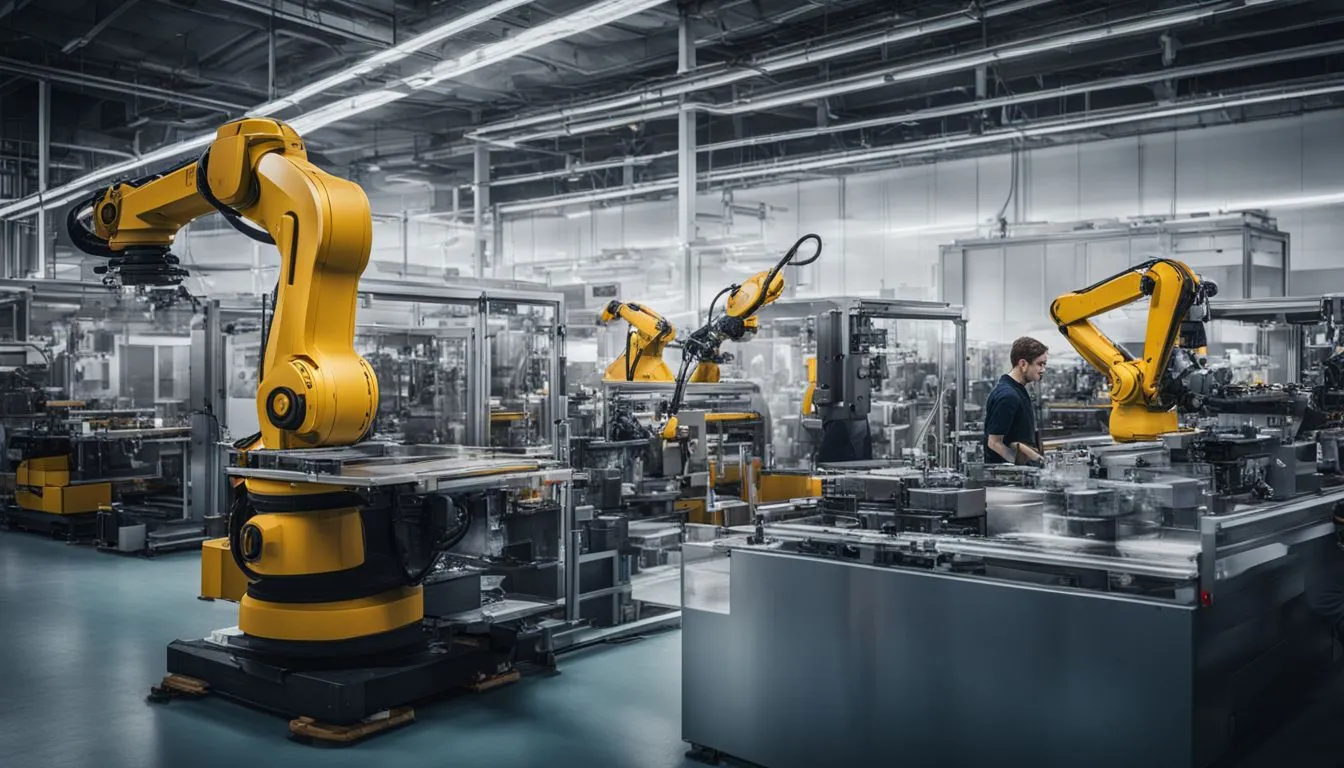
Traditional industrial robots have long been the backbone of manufacturing, including in the food industry. They perform tasks with precision and work tirelessly, increasing production efficiency.
These machines handle everything from packaging to palletising, operating behind safety barriers to protect workers from potential hazards.
We integrate these powerful tools into our processes to boost productivity while adhering strictly to hygiene standards and safety protocols. Their reliability and speed transform how we manage large-scale production lines, making them indispensable in achieving our goals for enhancing workplace safety and occupational health.
Collaborative Robots (Cobots)
We understand the importance of integrating collaborative robots, or cobots, into food industry manufacturing settings. These advanced machines work alongside human workers, enhancing workplace safety and efficiency without compromising food safety culture.
Cobots are programmed to perform tasks that reduce human exposure to potential hazards in production processes. Their design emphasises safe interaction with people, making them a vital component of modern production lines.
Harnessing cobots simplifies complex tasks and supports our employees in their roles. This adoption leads to improved operational productivity and helps maintain high hygiene standards crucial in the food industry.
We focus on ensuring these intelligent systems complement our workforce’s efforts, embodying collaboration between technology and traditional practices. Now, let’s explore how human-robot interaction is shaping safer collaborative workspaces.
Case Study: Human-Robot Interaction and Safety in Collaborative Workspaces
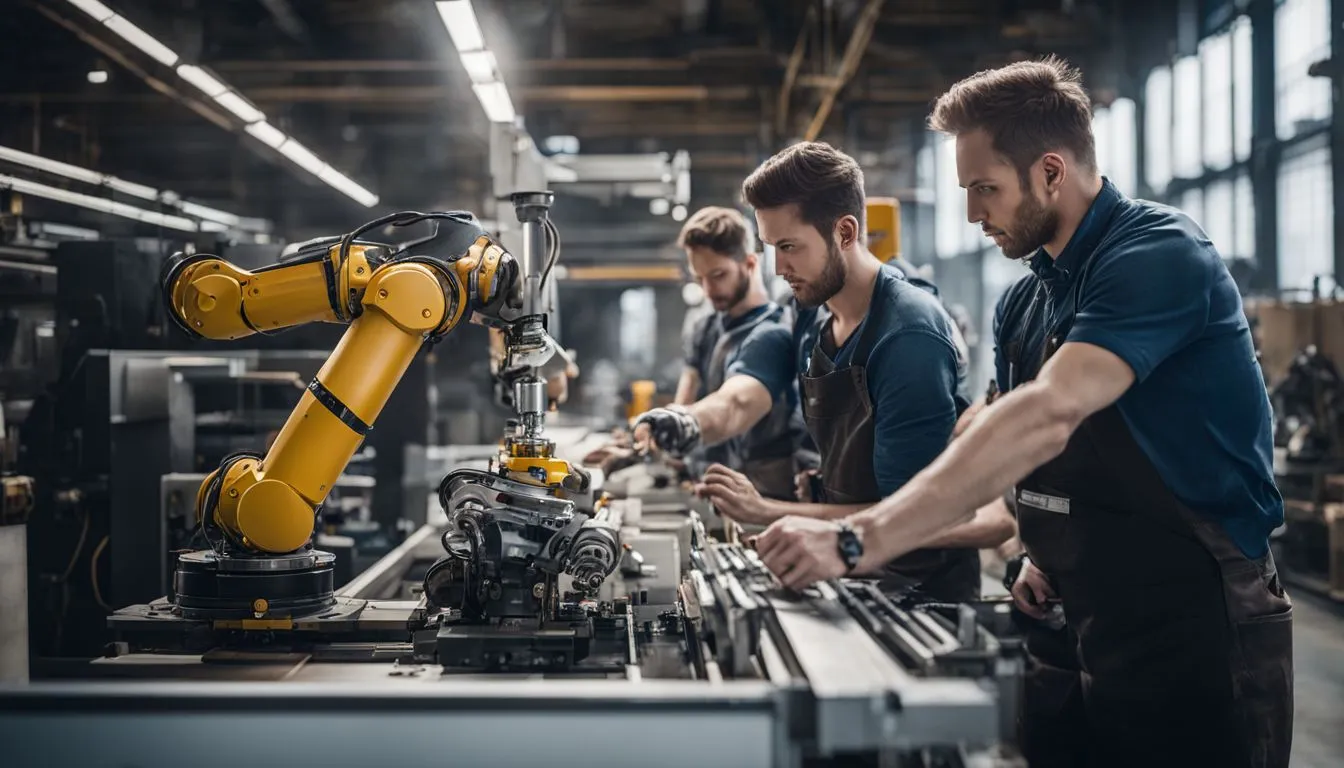
In collaborative workspaces, human-robot interaction plays a vital role in ensuring safety. The seamless integration of robots within the working environment is pivotal for enhancing operational efficiency and mitigating potential hazards.
Empowering Food and Beverage Manufacturing with Intelligent Integration
Intelligent integration empowers food and beverage manufacturing by enhancing efficiency and safety. Cutting-edge technologies such as collaborative robots (Cobots) streamline production processes, protect workers from potential hazards, and improve overall communication within the workspace.
These advanced systems are designed to enhance workplace safety in a dynamic and ever-evolving industry like food manufacturing.
By embracing intelligent integration, business owners can unlock the secrets of improved productivity while prioritising both employee safety and operational excellence. The seamless interaction between humans and intelligent machines underpins a new era of innovation, setting the pace for tomorrow’s food industry standards.
Organisational Interventions for Worker Safety
Ensuring worker safety involves implementing organisational interventions that focus on communication, culture, and employee engagement. Promoting a strong safety culture within your organisation is crucial to sustaining long-term improvements in workplace safety.
The Workplace Organisational Health Study
In our Workplace Organisational Health Study, we investigate the critical factors that underpin a safe and healthy work environment. Assessing employee well-being, safety protocols, and communication channels forms the cornerstone of this study.
By delving into these aspects, we aim to tailor organisational interventions towards enhancing workplace safety culture and mitigating occupational health risks in the ever-changing industrial realm.
Our meticulous analysis is designed to uncover insights into not only physical hazards but also psychological stressors that may impact the overall well-being of employees.
This study enables us to unlock secrets in navigating complexities within collaborative work environments, empowering businesses with robust strategies for change management and employee engagement.
Transforming Workspaces for Safety: A Guide

Transform your workspaces with a comprehensive guide to enhancing safety. For more insights, delve deeper into the topic by reading the full article.
The Concept of a Visual Workplace
Visual workplace is about creating an environment where information is easily accessible at a glance, empowering employees to quickly understand the status of operations and identify potential safety hazards.
Clear and concise visual cues like colour-coded floor markings, signage, and visual diagrams enhance communication, streamline processes, and reinforce safety protocols. Implementing a visual workplace fosters a culture of transparency, efficiency, and continuous improvement within the manufacturing setting.
Business Owners need to recognise that establishing a visual workplace is not just about aesthetics but also plays a pivotal role in enhancing operational safety and productivity while promoting employee engagement.
Benefits of a Visual Workplace
- Visual workplaces enhance efficiency by providing clear, visual cues for employees to navigate the workspace.
- Implementing a visual workplace helps streamline processes and reduce human error, leading to improved productivity and quality control.
- Visual tools such as floor markings, labels, and signage promote safety awareness and compliance with hygiene standards.
- Clear visual communication facilitates effective training and onboarding of new employees, ensuring seamless integration into the workflow.
- Visual workplace practices foster a culture of continuous improvement, encouraging employee engagement and proactive hazard prevention.
- The use of visual management boards enables real – time tracking of key performance indicators, enhancing transparency and accountability within the organisation.
- Creating a visually organised environment sets the foundation for efficient change management by facilitating clear communication about process updates or modifications.
Key Principles and Tools for a Visual Workplace
Transforming workspaces into visual workplaces involves integrating key principles and tools that enhance safety and efficiency. Here are the essential elements for creating a visual workplace:
- Clear and Intuitive Signage: Use visual cues, symbols, and colour coding to communicate information quickly and effectively.
- Standardised Workstations: Organise work areas with designated placements for tools, materials, and equipment to streamline processes.
- Visual Controls: Implement visual indicators such as charts, graphs, and displays to monitor performance and identify deviations.
- Error-Proofing Devices: Integrate mechanisms that prevent errors by design, reducing the likelihood of mistakes in operations.
- Visual Display Boards: Utilise boards to share production targets, quality metrics, and safety information in a prominent and accessible manner.
- Workplace Organisation Tools: Employ shadow boards, floor markings, and storage systems to maintain cleanliness and orderliness.
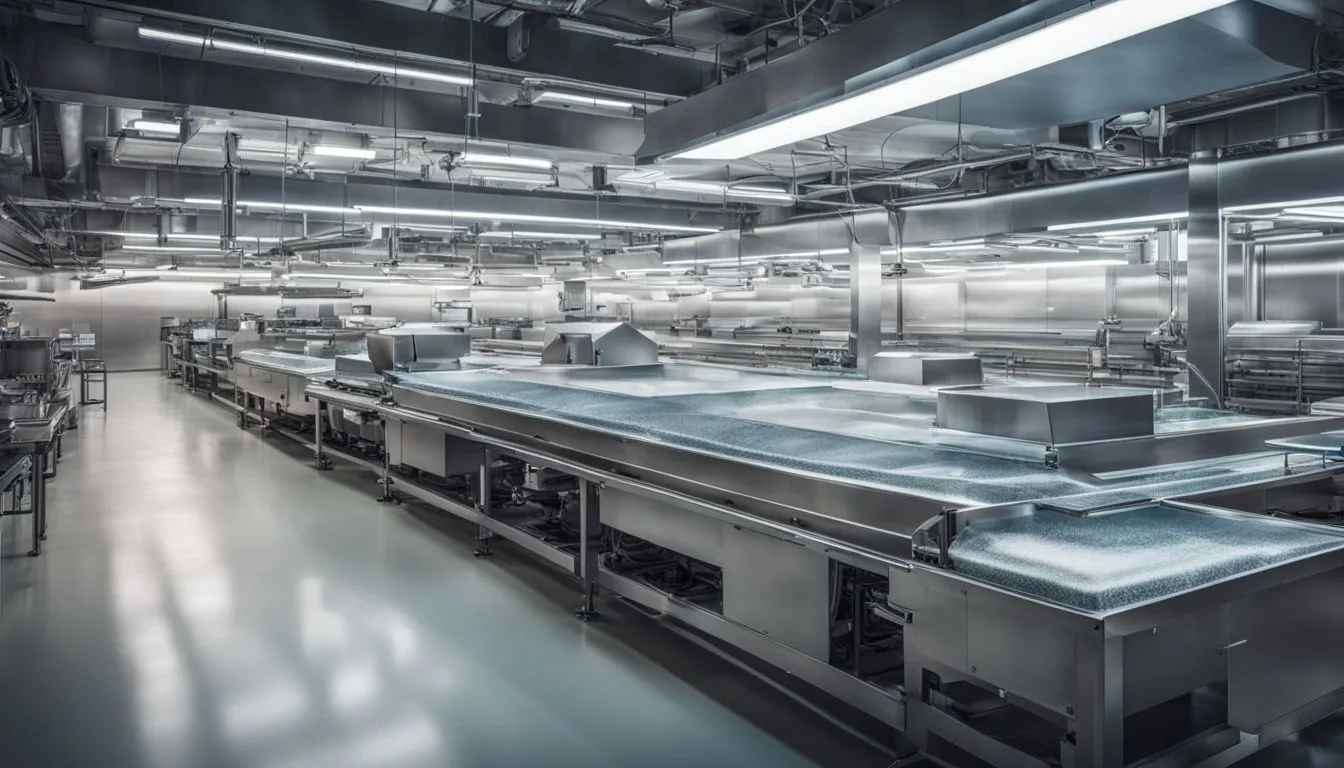
These principles and tools establish a visually driven environment that promotes workplace safety while fostering productivity within the food manufacturing setting.
Challenges in Implementing Safety Measures in the Food Industry
Implementing safety measures in the food industry presents unique challenges that require careful consideration. Adhering to stringent regulations while maintaining production efficiency can be a delicate balance.
Resistance to change, especially when introducing new safety protocols or technologies, can also be a challenge. Additionally, ensuring consistent compliance across all levels of the organisation and managing employee engagement in safety initiatives are critical aspects.
Overcoming communication barriers regarding safety procedures and fostering a strong food safety culture amongst employees is vital for success. Lastly, addressing the complexities of risk management in food processing environments requires meticulous planning and execution.
The ever-changing landscape of the food industry necessitates a proactive approach towards implementing safety measures. Navigating through these challenges demands tailored strategies and continuous adaptation to evolving regulatory standards and technological advancements.
The Future of Food Industry Safety: Trends and Predictions
The future of food industry safety is shaped by emerging trends and predictions. As business owners, staying abreast of these developments is essential for maintaining a safe work environment and complying with evolving regulations.
The use of advanced technologies such as artificial intelligence, IoT sensors, and predictive analytics will become more prevalent in ensuring workplace safety. Implementing these innovations will not only mitigate risks but also improve operational efficiency.
Additionally, there’s a growing emphasis on sustainability practices within the food industry, indicating that future safety measures will align with environmental and social responsibilities.
Moving forward from this discussion about the future trends and predictions in food industry safety, let’s explore actionable strategies to stay ahead of these advancements.
Conclusion
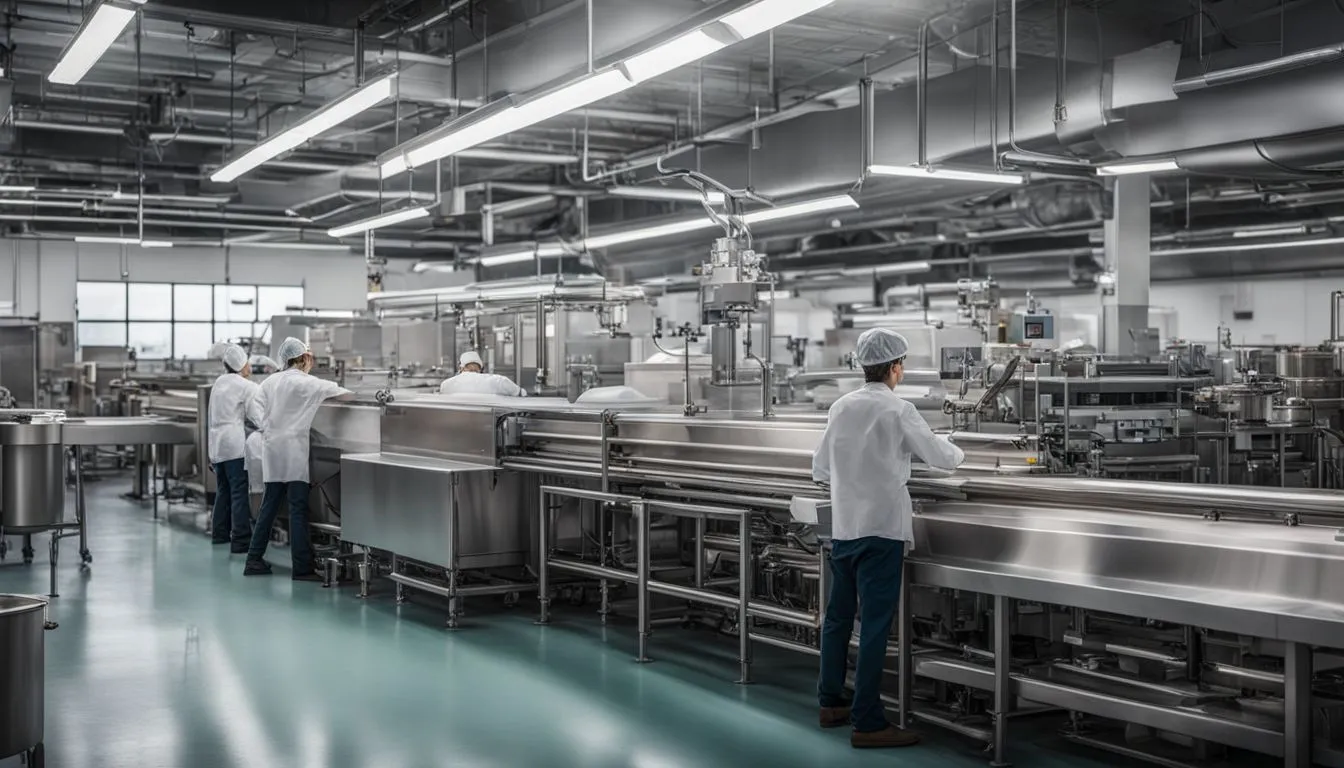
Enhance food industry safety with innovative safety barriers. Streamline production processes, improve communication, and protect workers with customised barrier solutions. The integration of intelligent technologies in collaborative workspaces empowers the manufacturing sector.
Additionally, organisational interventions bolster worker safety and foster a culture of occupational health. These strategies are practical and efficient, ensuring ease of implementation for significant impact.
Have you considered how these approaches can revolutionise your workplace? Embrace these methods to transform workspaces and unlock their full potential. Let’s embark on this journey towards enhanced food industry safety!
Discover more about how safety barriers are revolutionising healthcare environments by visiting Verge Safety Barriers.