
1 March 2024 · filed in Case Study
Eradicating Safety Barriers in Hospitals with Effective Solutions
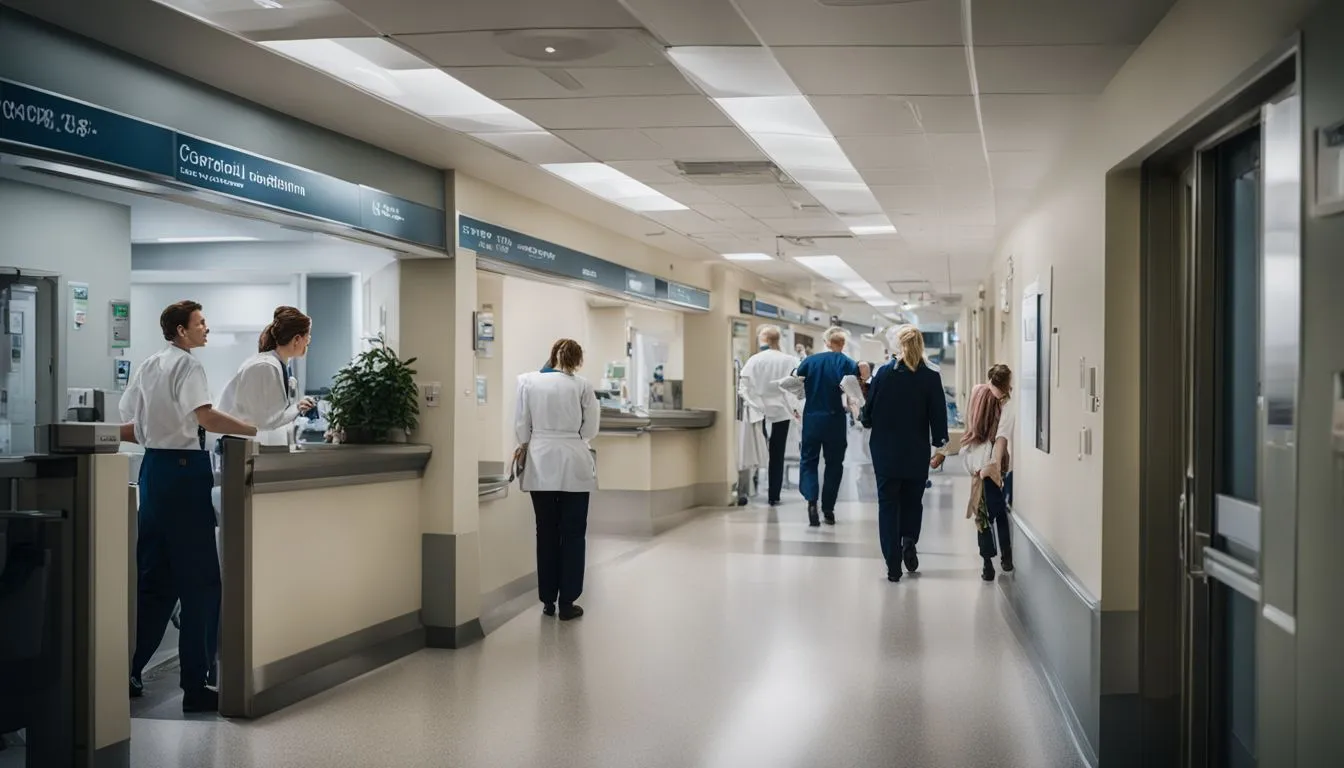
Hospitals encounter some tough hurdles when it comes to ensuring patient safety. We completely understand because we’ve walked that path alongside many, and it’s a stark reality that more than 250,000 deaths annually in the U.S. are attributed to medical blunders.
This piece is about rolling up our sleeves and tackling those challenges head-on with effective solutions. So stick around for some insights that could really make a difference, mate.
Understanding Safety Barriers in Hospitals

Understanding safety barriers in hospitals involves identifying hazards and risks, recognising the impact of duty hour regulations on patient care continuity, and understanding the consequences of transfers and communication failures.
It also includes examining strategies to enhance safety culture, promote shared responsibility, provide handover interventions and training, as well as utilise health information technology for clinical decision support.
Hazards and Risks in Health Care
In health care, the safety of both patients and staff is crucial. Managing hazards and risks efficiently can lead to enhanced patient safety and quality of care. We acknowledge various threats in this environment, including medical errors, biological hazards, slips, trips and falls, alongside work-related violence.
Each poses a significant challenge that demands continuous attention and innovative solutions.
Our focus on eradicating safety barriers in hospitals hinges on identifying these risks early. Through comprehensive risk management strategies and fostering a strong safety culture, we aim to minimise instances of harm.
Employing tools such as Health Information Technology for Clinical Decision Support plays a pivotal role in error prevention. Striving towards healthcare sustainability requires concerted efforts in hazard management to ensure healthcare accessibility remains uncompromised.
Impact of Duty Hour Regulations on Continuity of Care
Duty hour regulations for healthcare professionals aim to reduce fatigue and enhance patient safety. We enforce these rules to make sure doctors and nurses are well-rested, thus preventing medical errors.
However, these limitations can disrupt the continuity of care. Patients often see different faces during their hospital stay, which might confuse them or slow down their recovery process.
To maintain high-quality care and patient safety standards within the confines of duty hour regulations, hospitals must find innovative solutions. Coordination between teams becomes crucial here; it ensures that every professional understands the patient’s history and current needs despite shifts changing.
This approach helps in minimising risks associated with handovers and supports seamless care transitions for patients, aligning with our commitment to eradicating safety barriers in hospitals.
Consequences of Transfers and Communication Failure
Transfers and communication failure in hospitals significantly impact patient care and safety. Poor communication during patient transfers between departments or healthcare facilities can lead to critical information loss.
Vital health records, medication details, and specific care instructions might not reach the next team, risking patient wellbeing. This disruption in continuity of care often results in medical errors, increased hospital stays, or even severe health complications for patients.
We understand that enhancing patient safety demands a focus on improving handover protocols and fostering a culture where effective communication is prioritised. Our approach involves identifying gaps in current processes and implementing robust strategies to bridge these divides.
Moving forward, we will explore how promoting a culture of safety can further mitigate risks associated with transfers and breakdowns in communication.
Strategies for Enhancing Safety Culture in Hospitals
To enhance safety culture in hospitals, fostering a team environment is crucial. This approach can lead to shared responsibility and accountability among staff, resulting in an increased focus on patient safety.
Additionally, promoting a culture of high reliability within the healthcare system can also have a significant impact on quality improvement.

Promoting a Culture of Safety and High Reliability
We understand the importance of enhancing patient safety and quality of care in our hospitals. Ensuring a culture of safety and high reliability is crucial to achieve this goal.
- We make it a priority to educate all staff members about the principles of a safety culture, integrating it into daily operations. This includes holding regular training sessions that cover error prevention, risk management, and the significance of reporting incidents.
- We implement feedback systems that are anonymous and non – punitive. Staff feel secure in reporting errors or near misses without fear of retribution, fostering an environment where learning from mistakes becomes a valuable tool for improvement.
- We encourage open communication among team members across all levels. Regular meetings provide opportunities for staff to discuss challenges, share experiences related to patient handover, and propose solutions to improve healthcare accessibility and sustainability.
- We celebrate achievements in patient safety and quality improvement as a team. Recognising individual or group contributions reinforces the value placed on maintaining high standards of care and motivates others to strive for excellence.
- Implementing health information technology for clinical decision support is another strategy we use. These tools assist healthcare professionals in making informed decisions, minimising medication errors, and ensuring efficient patient care delivery.
- We adopt evidence – based approaches throughout the hospital. This ensures that policies, procedures, and practices are based on the latest research and proven methods to enhance patient safety in hospitals.
- Continuous education on hazard management is provided to all staff members. From managing biological and chemical hazards to preventing slips, trips, and falls, we ensure everyone knows how to keep themselves and their patients safe under various circumstances.
- Adopting shared responsibility for patient safety fosters a team culture where everyone feels accountable for maintaining high safety standards. Whether it’s lifting support for patients or addressing work-related violence, we tackle these issues together as one cohesive unit.
- Finally, we utilise quality improvement strategies like Plan-Do-Study-Act (PDSA) cycles to continuously monitor improvements made towards eradicating safety barriers in hospitals effectively.
By embracing these practices, we collectively work towards eradicating safety barriers in hospitals while promoting an enduring culture of safety that benefits both patients and healthcare workers alike.
Shared Responsibility and Team Culture
We strive to build a strong team culture and shared responsibility within our hospital settings. Encouraging every team member, from doctors to administrative staff, reinforces the importance of patient safety and quality of care.
Each person plays a vital role in identifying and addressing safety barriers, contributing to a healthier hospital environment.
Our collective efforts focus on enhancing patient care by fostering open communication and collaboration across all levels. This united approach ensures that everyone feels empowered to speak up about risks or errors without fear of blame.
Together, we tackle challenges head-on, making strides towards eradicating safety barriers in hospitals with effective solutions.
Handover Interventions and Training
Building on the foundation of shared responsibility and team culture, we shift our focus to Handover Interventions and Training. Effective communication during patient handovers is vital for enhancing patient safety and quality of care in hospitals. Let us explore how we can make this aspect of healthcare delivery more efficient.
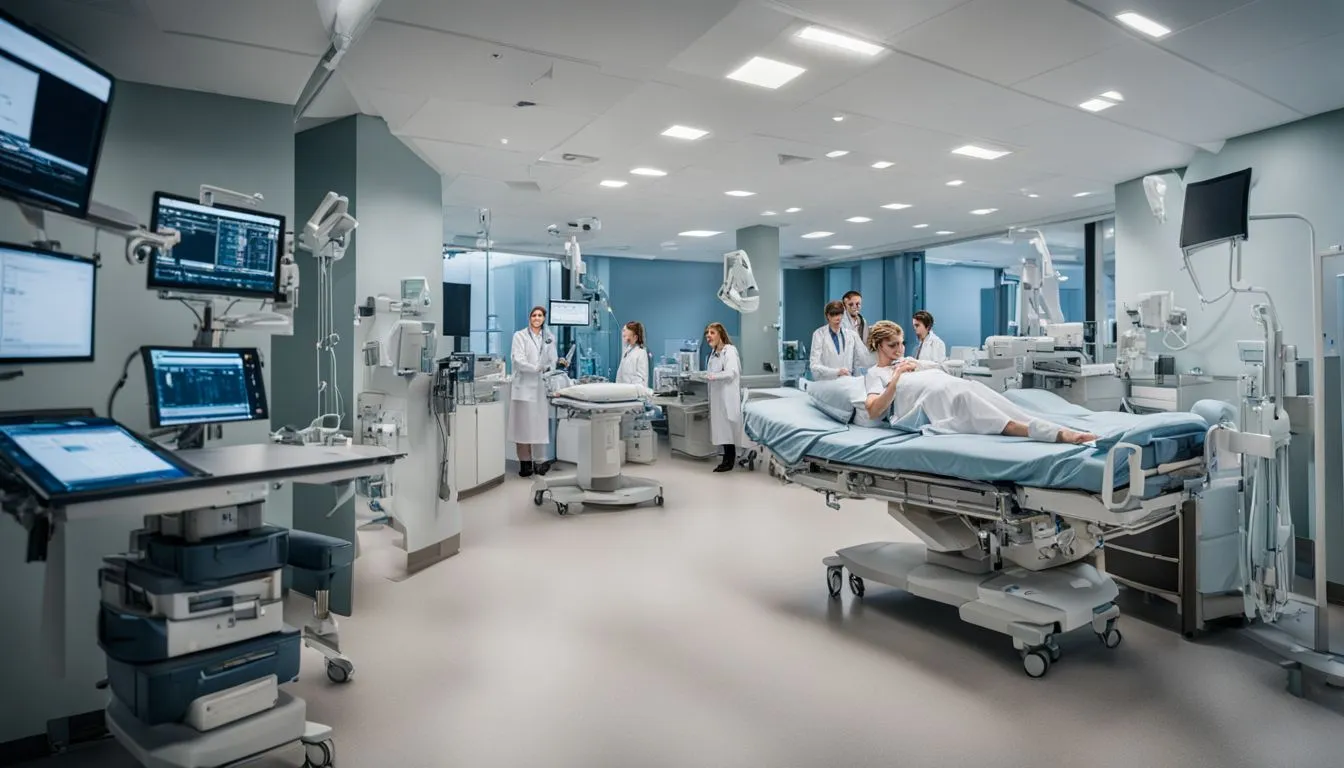
- Develop comprehensive handover protocols: Our first step involves creating standardised procedures that outline how information should be transferred between staff members. This ensures everyone is on the same page, reducing the chance of errors.
- Invest in training programmes: We commit to regular training sessions for all healthcare staff, focusing on the importance of effective communication during handovers. These programmes use real-life scenarios to highlight common pitfalls and how to avoid them.
- Implement digital tools: Utilising health information technology plays a significant role here. Electronic Medical Records (EMR) and other digital systems ensure that crucial patient information is readily available to all relevant parties, making handovers smoother.
- Establish multidisciplinary handover teams: We encourage collaboration across different specialties within the hospital setting. This approach promotes a more holistic view of patient care and fosters learning among different departments.
- Create feedback loops: Regular audits and feedback mechanisms help us identify areas for improvement in our handover processes. Staff can share their experiences and suggest changes, promoting continuous improvement.
- Focus on patient involvement: Educating patients about their care plans enables them to participate actively in their own care transitions, adding an extra layer of safety during handovers.
- Prioritise safety culture in training: Emphasising a culture where patient safety is paramount during all training sessions reinforces its importance in everyday practice, especially during critical times like handovers.
- Utilise visual aids and checklists: Simple tools such as checklists can significantly reduce omissions during information exchange. Visual aids help retain complex information, making transmissions clearer and more concise.
Through these steps, we aim to foster an environment where every team member understands their role in ensuring seamless transitions in patient care, because every detail matters in providing top-notch healthcare services.
Utilisation of Health Information Technology for Clinical Decision Support
Health information technology significantly improves patient care and risk management in hospitals. We use this technology for clinical decision support to make healthcare more accessible and to enhance the safety and quality of care.
Here’s how we implement health information technology for clinical decision support:
- We integrate electronic health records (EHRs) with clinical decision support systems (CDSS) to provide real-time, evidence-based recommendations to healthcare providers. This ensures that the most current guidelines are followed, reducing the likelihood of errors.
- Custom alerts and reminders are created for healthcare providers within their workflow. These alerts can signal drug interactions, allergies, or other potential patient risks, facilitating immediate action to prevent harm.
- We set up data analytics tools that analyse patterns in patient data to identify potential risk factors. This proactive approach helps in addressing issues before they escalate into serious problems.
- Patient data is made accessible across different departments through secure platforms. This enhances communication among caregivers and ensures that everyone involved has access to the same information, leading to better-coordinated care.
- Training programs for staff on how to effectively use these technologies are a key part of our strategy. Understanding how to interpret alerts and recommendations from CDSS empowers our team to deliver higher quality care.
- Health Information Technology also supports telehealth services which expand healthcare accessibility, allowing patients in remote areas to receive timely medical advice without the need for physical travel.
- We continuously monitor and update our systems based on feedback from healthcare professionals and advancements in medical research. This iterative process ensures that our clinical decision support remains relevant and effective in enhancing patient safety protocols.
Through these strategies, we take full advantage of health information technology not just as a tool for managing patient data but as an active participant in clinical decision-making processes that safeguard patient health while streamlining operational efficiency.
Tools and Strategies for Quality Improvement and Patient Safety
Incorporating quality improvement tools and strategies fosters a culture of continuous enhancement, allowing for the identification and mitigation of potential patient safety risks.
Deploying evidence-based methodologies enables hospitals to proactively enhance patient care and ensure sustainable healthcare practices.

Plan-Do-Study-Act (PDSA)
Plan-Do-Study-Act (PDSA) is a quality improvement methodology that facilitates systematic changes to enhance patient safety and quality of care in hospitals. Utilising PDSA involves the following steps:
- Plan: Identify areas for improvement based on hazard management and safety culture.
- Do: Implement the planned changes on a small scale to test their impact on healthcare sustainability and risk management.
- Study: Evaluate the outcomes of the implemented changes, analysing their effectiveness in reducing medical mistakes and enhancing patient care.
- Act: If the changes are effective, integrate them into hospital safety measures across various areas to promote error prevention and quality healthcare practices.
This structured approach ensures evidence-based strategies for eradicating safety barriers in hospitals and improving healthcare accessibility while underpinning a culture of continuous improvement.
Six Sigma
Six Sigma is a data-driven methodology, designed to enhance processes by reducing defects and errors. It entails a structured approach that not only identifies the root causes of problems but also implements effective solutions.
This method aids in improving quality, minimising waste, enhancing patient safety, and boosting overall efficiency within healthcare settings. By applying Six Sigma principles, business owners can uncover hidden opportunities for improvement and make informed decisions based on evidence-based approaches to minimise medical errors and improve patient care.
The implementation of Six Sigma tools such as DMAIC (Define, Measure, Analyse, Improve, Control) empowers healthcare facilities to identify areas for improvement and establish robust strategies for quality enhancement.
Toyota Production System/Lean Production System
The Toyota Production System/Lean Production System is a streamlined approach to production, focused on eliminating waste and increasing efficiency. This method emphasises continuous improvement, empowering employees to identify and resolve issues as they arise.
By implementing this system in our operations, we can optimise processes, reduce costs, and enhance overall productivity. The emphasis on quality improvement aligns with our goal of providing exceptional patient care while also ensuring sustainability and risk management.
This approach not only fosters a culture of safety but also encourages creativity and innovation within the healthcare environment. Through the application of Lean principles, we can minimise errors, improve workflow, and deliver high-quality care for our patients.
Root Cause Analysis
Transitioning from the Toyota Production System/Lean Production System to Root Cause Analysis, we use this method to identify the underlying causes of safety incidents or quality issues in hospitals.
It involves looking beyond the immediate problem and delving deep into the contributing factors. By using tools such as fishbone diagrams and 5 Whys, we can determine not only what went wrong but also why it happened, ultimately enabling us to implement effective solutions that prevent recurrence.
Employing Root Cause Analysis empowers hospital leaders to proactively address systemic issues rather than just treating symptoms. This approach fosters a culture of continuous improvement by engaging staff in identifying potential improvements at every level within the organisation.
Failure Modes and Effects Analysis
Transitioning from Root Cause Analysis to Failure Modes and Effects Analysis, we tackle yet another essential tool for hospital safety: the Failure Modes and Effects Analysis (FMEA).
FMEA is a proactive approach that identifies potential failure modes within a system, determines their effects on processes or outcomes, and prioritises actions to mitigate these risks.
This method allows us to address vulnerabilities before they cause harm to patients or healthcare workers. By actively involving staff in the process, FMEA fosters a culture of continuous improvement and patient safety.
Using FMEA empowers hospitals to identify weaknesses in their systems and proactively implement changes. It provides a structured framework for enhancing patient care, reducing errors, and improving overall quality within healthcare facilities.
Managing Common Hazards and Risks
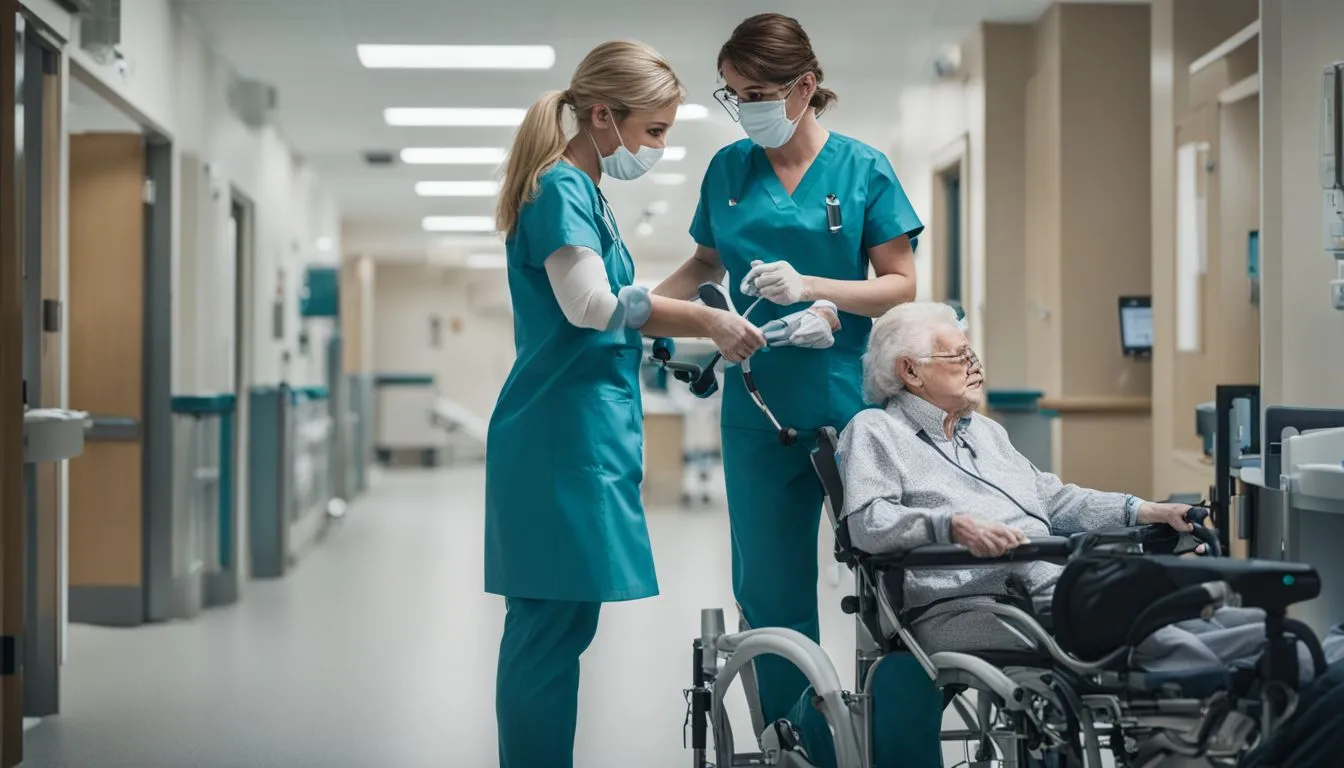
Hospitals encounter various hazards and risks that demand meticulous attention. Nursing staff handle lifting, supporting, and moving patients while also managing biological and chemical hazards in the healthcare environment.
Lifting, Supporting and Moving Patients
To ensure patient safety and prevent injuries, it is crucial for healthcare facilities to use proper techniques and equipment when lifting, supporting, and moving patients. Here are some important considerations to keep in mind:
- Utilise mechanical lifting devices to reduce the risk of musculoskeletal injuries among healthcare workers while transferring or repositioning patients.
- Train staff on proper body mechanics and safe patient handling techniques to minimise the risk of patient falls and staff injuries during transfers.
- Implement protocols for assessing the patient’s mobility status and developing individualised care plans for safe mobilisation.
- Ensure that assistive devices such as gait belts, slide sheets, and transfer boards are readily available and used appropriately to facilitate safe patient movement.
- Educate staff on the importance of teamwork and clear communication during patient transfers to prevent accidents or errors.
By prioritising safe patient handling practices, healthcare facilities can significantly reduce the incidence of workplace injuries and enhance the overall quality of care provided to patients.
Next: Biological and Chemical Hazards
Biological and Chemical Hazards
Biological and chemical hazards in hospitals pose significant risks to both patients and healthcare workers. These hazards include exposure to infectious diseases, handling of hazardous chemicals, and potential contamination of medical equipment.
Implementing strict protocols for waste disposal, using personal protective equipment, and regular training on safe handling procedures are vital in mitigating these risks. Regular monitoring programmes also play a crucial role in ensuring a safe environment free from biological and chemical hazards.
To prevent the spread of infections or exposure to harmful chemicals within healthcare facilities, frequent audits should be conducted to identify potential hazards promptly. Proper ventilation systems and clear labelling of hazardous substances are essential measures that contribute to a safer hospital environment.
Medical Equipment Risks
Ensuring the safety of medical equipment is crucial to prevent potential risks and ensure quality patient care in hospitals. Regular maintenance, proper training for staff on usage, and adherence to safety protocols are essential to minimise the risk of malfunction or misuse of medical equipment.
Investing in reliable suppliers and conducting periodic checks for calibration and functionality also contribute significantly to mitigating medical equipment risks. It’s vital for business owners to stay proactive in monitoring and addressing any potential issues with medical devices, as this not only enhances patient safety but also contributes to maintaining a high standard of healthcare delivery.
Efficiently managing medical equipment risks requires continuous attention from leadership teams within healthcare facilities. This involves fostering a culture that prioritises rigorous inspection procedures, ongoing employee training on safe handling practices, and swift action when identifying any potential hazards related to medical equipment.
Work-Related Violence, Aggression, Harassment and Bullying
To ensure a safe work environment, it is crucial to address the issue of work-related violence, aggression, harassment, and bullying in healthcare settings. Implementing comprehensive training programmes on conflict resolution and de-escalation techniques can empower staff to effectively manage challenging situations.
Additionally, promoting a zero-tolerance policy for any form of workplace aggression and providing support systems for employees who have faced such incidents are essential in creating a culture of respect and safety.
Moving forward to “Psychosocial Risks (Mental Health)”..
Psychosocial Risks (Mental Health)
Psychosocial risks, particularly mental health challenges, can significantly impact employees in healthcare settings. These hazards encompass stress, burnout, and workplace violence.
Implementing measures to address these issues is crucial for promoting a healthy work environment and sustaining a high-quality standard of care. Employee support programmes and proactive management strategies are vital in mitigating the effects of psychosocial risks on staff well-being.
To ensure a resilient working environment, it’s essential to acknowledge and tackle psychosocial risks effectively. By implementing robust policies that support the mental health of healthcare workers, we can create an atmosphere that fosters optimal patient care while maintaining employee satisfaction and retention.
Slips, Trips and Falls
Slips, trips, and falls pose a significant risk within healthcare facilities. Implementing clear pathways, adequate lighting, and non-slip flooring can mitigate these risks. Regular maintenance of walkways and keeping them clutter-free also plays an essential role in preventing slips and falls.
Conducting regular staff training on identifying potential hazards associated with such incidents is crucial to maintaining a safe hospital environment.
To further reduce the risks of slips, trips, and falls in hospitals, it’s important to encourage prompt reporting of any potential hazards or incidents by both staff and patients. Incorporating safety measures into daily routines across all hospital departments can help establish a culture where everyone shares the responsibility for creating a safe environment.
Fatigue and Shift Work
Shift work and fatigue can impact patient safety and staff well-being within healthcare facilities. Managing the risks associated with irregular hours, night shifts, and extended working periods is crucial for maintaining a safe environment.
Implementing fatigue management strategies such as regular breaks, scheduled rest periods, and promoting healthy lifestyle choices among shift workers can significantly reduce the likelihood of errors and accidents.
Additionally, leveraging technological solutions to monitor and mitigate fatigue-related risks ensures a proactive approach to safeguarding both patients and employees.
To address the challenges of managing shift work-related fatigue in hospitals effectively, it’s essential to explore evidence-based approaches that align with our commitment to continuous improvement.
Let us delve into how integrating tailored fatigue management programs can enhance safety measures while promoting employee well-being.
Implementing and Evaluating Quality Improvement Strategies

When it comes to implementing and evaluating quality improvement strategies, it’s essential to navigate the complexities of healthcare. For more insights, let’s delve into this crucial aspect of hospital safety and patient care.
What Is Needed To Implement Quality Improvement Strategies?
To implement quality improvement strategies in healthcare, we need:
- Strong Leadership: Cultivate a culture of continuous improvement and patient safety from the top down, ensuring that all staff are engaged and committed.
- Clear Communication: Establish transparent communication channels to ensure that all team members are informed, aligned, and empowered to contribute to improvement efforts.
- Data Analytics: Leverage data-driven insights to identify areas for improvement and track progress over time, allowing for evidence-based decision-making.
- Engaged Workforce: Encourage active participation and involvement of frontline staff in identifying problems, generating solutions, and implementing change.
- Resources Allocation: Provide adequate resources and support for staff training, technological upgrades, and process enhancements to drive sustainable improvements.
- Outcome Measurement: Implement robust mechanisms to measure the impact of quality improvement initiatives on patient outcomes and organisational performance.
- Collaboration: Foster collaboration among different departments and interdisciplinary teams to address complex challenges comprehensively with a shared sense of accountability.
Evaluating the Impact of Change Interventions
Enhancing patient safety and quality of care through change interventions is crucial for the sustainability of healthcare practices. By evaluating the impact of change interventions, business owners can ensure effective implementation and continuous improvement. Here are key steps to evaluate the impact of change interventions:
- Determine clear objectives for the change intervention, ensuring alignment with patient safety and quality improvement goals.
- Gather data before and after implementing the change intervention to measure its impact on safety culture, error prevention, and risk management.
- Use evidence – based approaches to analyse the effectiveness of the intervention in minimising medication errors, enhancing patient handover processes, and improving healthcare accessibility.
- Assess the overall impact on healthcare sustainability, considering patient outcomes, staff satisfaction, and operational efficiency.
- Engage frontline staff in evaluating the intervention’s effectiveness, seeking feedback on its practical implications and identifying areas for further improvement.
Evaluating the impact of change interventions provides valuable insights into their effectiveness in eradicating safety barriers in hospitals and enhancing patient care. This assessment ensures that business owners can adapt strategies for sustained improvements in hospital safety standards and quality healthcare practices.
Next Heading: “Using Quality Improvement Tools in Health Care”
Using Quality Improvement Tools in Health Care
In health care, we employ various quality improvement tools to enhance patient safety and the overall quality of care. Utilising these tools can be crucial in addressing potential risks and improving healthcare practices. Here are some essential quality improvement tools used in health care:
- Plan-Do-Study-Act (PDSA) cycle: A systematic approach for testing changes to determine if they result in improvements.
- Six Sigma: A data-driven methodology aimed at eliminating defects and variations in processes.
- Toyota Production System/Lean Production System: Techniques for streamlining operations and reducing waste.
- Root Cause Analysis: An investigative method used to identify the underlying causes of adverse events or near misses.
- Failure Modes and Effects Analysis: A proactive approach to identifying potential failures in a process or system.
These tools provide structured approaches to analysing, evaluating, and improving healthcare practices, contributing significantly to enhanced safety and quality of care for patients.
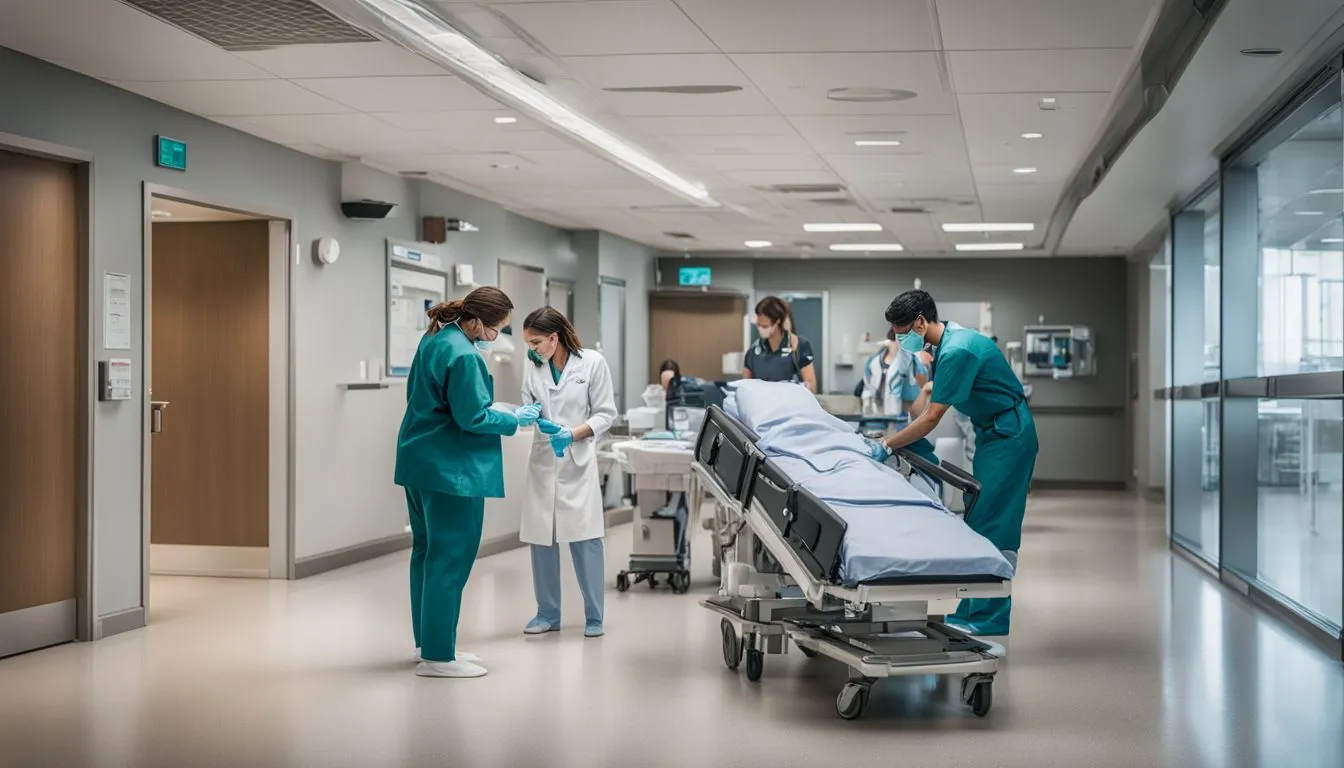
Eradicating Safety Barriers with Systemic Falls Investigative Method (SFIM)
Eradicating safety barriers with Systemic Falls Investigative Method (SFIM) involves implementing a structured and proactive approach to identifying vulnerabilities, assessing risk levels, and developing targeted interventions.
Evaluating and adapting safety measures in various areas according to the SFIM framework allows for a comprehensive analysis of factors contributing to patient falls and supports the implementation of preventive strategies.
Introduction to SFIM
SFIM provides a comprehensive approach to investigating falls within hospital systems. This method includes identifying contributing factors and implementing effective interventions to mitigate future occurrences.
By adopting SFIM, hospitals can improve patient safety and reduce the impact of fall-related incidents on healthcare sustainability and quality improvement initiatives.
SFIM offers a structured framework that delves into the root causes of falls in hospitals, allowing for evidence-based strategies designed to enhance safety barriers and minimise risks associated with patient care.
Implementation of SFIM
After understanding the concepts and processes of Systemic Falls Investigative Method (SFIM), we move on to the critical aspect of its implementation. It is crucial to understand the practical application of SFIM in hospital settings. Here’s a detailed explanation:
- Establishing a Multidisciplinary Team: Engage a diverse team including healthcare professionals, risk managers, patient safety experts, and administrators.
- Training and Education: Conduct comprehensive training programs for staff members involved in SFIM implementation.
- Protocol Development: Create clear protocols and guidelines for conducting investigations using SFIM.
- Process Integration: Integrate SFIM seamlessly into existing incident reporting and analysis systems.
- Data Collection: Implement effective mechanisms for data collection needed for thorough investigation.
- Continuous Improvement: Develop a framework for ongoing monitoring, evaluation, and refinement of SFIM processes.
- Communication Plan: Establish clear communication channels for reporting findings and implementing corrective actions based on SFIM investigations.
- Technology Integration: Leverage health information technology to support the efficient execution of SFIM investigations.
Adoption and Outcomes of SFIM
Adopting SFIM involves integrating the investigative methodology into existing safety protocols and procedures. Implementing SFIM requires a comprehensive understanding of its principles and practical applications within healthcare settings.
The outcomes of adopting SFIM are evident in improved patient care, enhanced risk management, and increased quality improvement initiatives throughout the hospital. Business owners can witness a significant reduction in medical errors, improved safety culture, and more efficient hazard management by incorporating SFIM into their hospital facilities.
The adoption of SFIM not only enriches the organisation’s safety culture but also contributes to healthcare sustainability. As business owners embrace this method, they align their operations with evidence-based approaches to minimise errors and enhance patient safety.
Adapting Safety Barrier Measures in Various Areas
To enhance hospital safety and quality of care, we adapt safety barrier measures in various areas. Implementing tailored risk management strategies is crucial for promoting a culture of safety and preventing hazards across all hospital departments.
By utilising evidence-based practices, we can effectively manage common risks such as patient handling, biological hazards, medical equipment risks, work-related violence, and psychosocial risks.
Additionally, it’s imperative to adopt robust quality improvement tools like the Plan-Do-Study-Act (PDSA) cycle and Six Sigma methodology to continuously evaluate and improve safety measures.
Incorporating these active approaches within our suite of healthcare practices enables us to maintain a high standard of patient care while adhering to stringent hospital safety standards.
By developing proactive systems that address the ever-changing complexities in the realm of patient safety, we not only prevent medical errors but also promote a sustainable culture of excellence throughout the healthcare facility.
Conclusion
In conclusion, by incorporating these practical strategies and tools, hospitals can enhance safety culture and effectively manage common hazards and risks. How might you adapt these measures in your hospital to ensure efficient patient care? Emphasising the impact of eradicating safety barriers is crucial for sustaining quality healthcare practices.
What steps will you take to implement robust safety barrier measures in your healthcare facility? As we embark on this journey towards better patient safety, remember that even small changes can unlock significant improvements.