
14 December 2023 · filed in Safety Update
Facilitating Safe Food Operations with Navigation Barriers
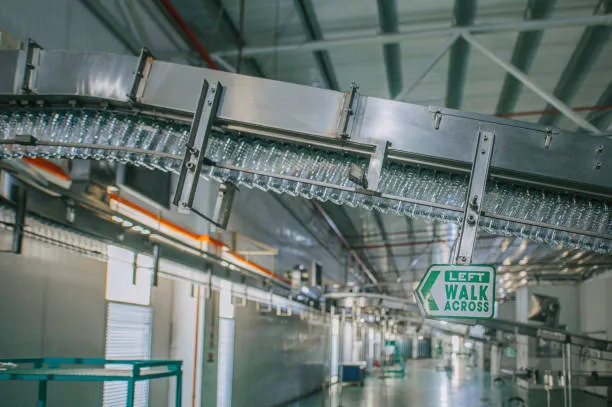
Keeping food safe means preventing burns, cuts, and other kitchen dangers. We know that most times when someone gets sick from food, it’s because it wasn’t handled correctly. To stop this from happening, we use special rules like HACCP principles which help us tackle dangers before they can cause harm. What’s more, with things always changing in the world of food safety – like new tech helping us be more careful and a push for greener ways of working – we’re now seeing even closer checks on how well companies keep their food safe.
We’ve seen some big challenges recently too; COVID-19 has made it hard to move fresh and valuable products around without risking them going bad. That’s why keeping kitchens safe by using things like guards is so vital. And let’s not forget, following health and safety laws isn’t just good practice, it’s something businesses have to do by law! Plus, knowing about common problems in the kitchen means we can train people properly to avoid messy spills or injuries.
Now that you know what makes this topic so important and current trends pushing changes within the industry, let’s explore together how barriers in the industry work as protectors for both workers and customers alike, ensuring everyone goes home healthy every day. Let’s get started!

Common Barriers and Risks in the Food Industry
Hazards and managing health and safety are top priority in the food industry. From industry regulations and compliance to food safety concerns, there are various risks that need to be carefully managed.
Hazards and managing health and safety
In our kitchens and food production facilities, we face a barrage of hazards that demand vigilant management to ensure the health and safety of everyone involved. Hot surfaces and liquids, sharp tools, and repetitive movements pose risks like burns, cuts, and ergonomic strain.
We prioritise hazard identification through rigorous training programmes and safety audits. Communication with staff is key in pinpointing risks so we can deploy measures like guards on equipment for safe operation.
Our legal duty to manage work health and safety (WHS) issues extends to every corner of our workplace. Implementing Hazard Analysis Critical Control Point (HACCP) systems helps us anticipate food safety hazards before they occur by identifying where things could go wrong during food handling.
This proactive approach is critical for preventing injuries or contamination incidents that could impact both our team’s well-being and our business reputation.
Industry regulations and compliance
Employers in the food industry must adhere to strict regulations and compliance standards to ensure a safe workplace for their employees. This includes implementing occupational health and safety measures, providing adequate personal protective equipment (PPE), conducting regular risk assessments, and following regulatory guidelines for food handling practices.
By staying up-to-date with industry regulations and compliance requirements, businesses can mitigate hazards, prevent workplace injuries, and maintain a safe environment for all staff members.
Furthermore, it is crucial for business owners to acknowledge the impact of COVID-19 on the food supply chain and take necessary steps to address any disruptions. Supply chain disruptions can lead to weakened high-value goods due to their short shelf life, making it imperative for businesses to adapt their processes according to the changing landscape.
Food safety concerns
Food safety concerns are paramount in the food industry, particularly when it comes to preventing foodborne illnesses and ensuring safe handling practices. It is essential for business owners to prioritise hazard prevention through measures such as proper training, hazard identification processes, safety audits, and communication with staff.
With the substantial health and economic burden of foodborne illnesses on society, implementing strategies like HACCP to identify potential hazards before they occur is crucial for protecting consumers and maintaining a positive brand reputation.
Managing workplace hazards effectively not only ensures compliance with regulations but also safeguards employees from risks such as slips, trips, falls, burns from hot surfaces or liquids, cuts from sharp tools, and ergonomic strain.
Work-related violence and psychosocial harm
Transitioning from the importance of addressing food safety concerns, it is crucial for business owners to also prioritise preventing work-related violence and psychosocial harm in their establishments.
According to recent data, workplace violence has become a significant concern in the food industry, with incidents ranging from verbal abuse to physical assault affecting employees.
Furthermore, psychosocial factors like stress, job dissatisfaction, and burnout can have detrimental effects on employee well-being and productivity. Implementing measures to address these issues not only ensures a safer work environment but also contributes to a positive organisational culture and employee morale.
To mitigate work-related violence and psychosocial harm, proactive steps must be taken within the workplace. This includes providing conflict resolution training for employees to effectively manage interpersonal conflicts and de-escalate potential confrontations.
Strategies for Overcoming Barriers in the Food Industry
Implementing the hierarchy of controls is essential in managing hazards and risks, addressing manual handling and slips, trips, and falls risks, educating on safe food handling practices, and cultivating a culture of safety.
To learn more about effective strategies for navigating barriers in the food industry, keep reading our blog!
Implementing the hierarchy of controls
- Engineering Controls: Install machine guards on food processing equipment to prevent contact with moving parts and ensure safe operation.
- Administrative Controls: Develop clear and concise safety protocols for food handling procedures, including proper storage and sanitation practices based on HACCP guidelines.
- Personal Protective Equipment (PPE): Provide employees with appropriate PPE such as cut-resistant gloves, non-slip footwear, and eye protection to minimise the risk of workplace injuries.
- Hazard Identification: Conduct regular hazard assessments to identify potential risks associated with slips, trips, falls, burns, and ergonomic strains in kitchen environments.
- Training Programmes: Offer comprehensive training programmes for employees to educate them on safe operating procedures, emergency protocols, and proper use of equipment.
Addressing manual handling and slips, trips, and falls risks
We understand the importance of addressing manual handling and slips, trips, and falls risks in the food industry to ensure workplace safety. Utilising proper lifting techniques, providing ergonomic workstations, and implementing slip-resistant flooring can significantly reduce the risk of manual handling injuries. Moreover, maintaining clear walkways, using non-slip mats, and promptly cleaning up spills are crucial in preventing slips, trips, and falls. Additionally, providing adequate training on safe movement and handling procedures for employees can further mitigate these risks.
- Implementing ergonomic workstations with adjustable heights and comfortable seating to reduce strain on employees’ bodies.
- Ensuring proper storage and positioning of items to minimise reaching, bending, or twisting movements that could lead to musculoskeletal injuries.
- Installing slip-resistant flooring in high-traffic areas such as kitchens and storage rooms to prevent accidental falls.
- Regularly inspecting workspaces for any potential hazards such as loose wires or uneven surfaces that could contribute to trips or falls.
- Conducting thorough training sessions on proper lifting techniques and safe movement practices for all employees involved in manual handling tasks.
- Providing clear guidelines for spill clean – up procedures and ensuring all staff are trained in these protocols to promptly address any potential slip hazards.
- Implementing a reporting system for near – miss incidents related to manual handling or slipping hazards to proactively identify areas for improvement.
- Encouraging open communication between management and staff regarding any concerns or observations related to manual handling or floor safety.
Educating on safe food handling practices
- Introduce comprehensive training programmes covering proper food storage, handling, and hygiene practices.
- Conduct regular workshops and demonstrations to reinforce the importance of using personal protective equipment (PPE) and following safety protocols.
- Implement visual aids such as posters and infographics highlighting critical food safety practices in prominent areas of the workplace.
- Utilise digital platforms to provide accessible resources like videos, interactive modules, and quizzes to reinforce learning.
- Encourage open communication channels for reporting any concerns or incidents related to food safety.
Cultivating a culture of safety
Implementing a culture of safety within your food business is crucial to mitigating workplace hazards and ensuring the well-being of your employees. By fostering an environment where safety is prioritised, management can encourage staff to proactively identify and address potential risks.
This not only helps prevent accidents but also promotes a sense of security and confidence among workers, ultimately contributing to a more productive and successful operation. Providing regular training on hazard identification, promoting open communication about safety concerns, and incentivising safe work practices are effective ways to cultivate this culture.
Moreover, integrating safety measures into everyday routines through clear policies and procedures can significantly reduce the likelihood of workplace incidents. Emphasising the importance of personal protective equipment (PPE) use, maintaining clean work areas, and regularly inspecting equipment for potential risks are essential steps in establishing a robust safety culture that safeguards both employees and customers from harm.
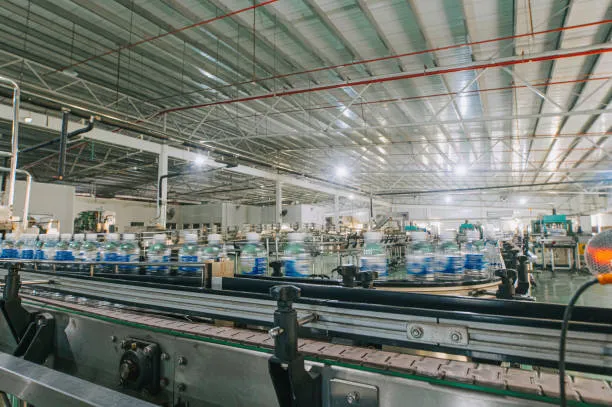
The Role of Government and Policy
The role of government and policy in the food industry is crucial for ensuring the safety and well-being of workers. From implementing Model WHS Laws to providing Workers’ Compensation, national policies and regulations play a vital role in promoting a safe work environment.
Model WHS Laws
Model WHS laws, or Work Health and Safety laws, are crucial for maintaining a safe workplace in the food industry. These laws outline the legal obligations of businesses when it comes to managing health and safety risks within their operations.
By adhering to these regulations, business owners can ensure that their employees are protected from hazards such as slips, trips, falls, burns, cuts, and ergonomic strains commonly found in kitchen environments.
With proper training on hazard identification processes and regular safety audits, businesses can effectively comply with these laws while creating a secure work environment.
WHS laws also emphasise the importance of communication with staff regarding workplace hazards. This ensures that all workers understand their roles in maintaining a safe workplace and actively contribute to identifying potential risks.
Data and research on safety in the food industry
Recent data and research on safety in the food industry have highlighted the significant impact of workplace hazards on employee well-being. Studies show that common kitchen hazards, such as slips, trips, falls, burns, cuts, and ergonomic strain from repetitive motions, can lead to serious injuries if proper safety measures are not in place.
Research has also emphasised the importance of implementing hazard identification processes and conducting safety audits to create a safe work environment for employees. The use of personal protective equipment (PPE) has been identified as crucial in mitigating occupational hazards in food service settings.
Furthermore, emerging trends indicate an increased focus on automation of processes to enhance workplace safety and reduce manual handling risks. Addressing these challenges is essential for business owners to ensure a safe working environment compliant with industry regulations and WHS laws while promoting employee well-being.
Workers’ Compensation
Following data and research on safety in the food industry, it’s crucial for business owners to prioritise workers’ compensation as a fundamental aspect of ensuring a safe workplace.
By understanding and complying with the Model WHS Laws, businesses can effectively manage risks and protect their employees from work-related injuries. Implementing appropriate personal protective equipment (PPE) and fostering a culture of safety through continuous training are essential steps to mitigate workplace hazards.
By addressing manual handling risks and emphasising ergonomic measures, employers can proactively reduce the likelihood of injuries, ultimately contributing to a safer working environment.
The impact of COVID-19 on the food supply chain has reinforced the significance of maintaining comprehensive workers’ compensation policies. As businesses navigate through challenges posed by the pandemic, it is imperative to adapt policies to ensure that employees are protected from potential work-related illnesses or accidents.
National policies and regulations
National policies and regulations play a crucial role in ensuring workplace health and safety in the food industry. Model WHS Laws provide a framework for managing risks associated with hazards such as hot liquids, substances, surfaces, and food preparation.
Data and research on safety in the food industry inform these policies to address common kitchen hazards including slips, trips, falls, burns from hot surfaces or liquids, cuts from sharp tools, and ergonomic strain from repetitive motions.
Workers’ Compensation further supports employees by providing financial assistance if they suffer an illness or injury due to their work. Compliance with national policies not only fosters a safe work environment but also contributes to sustained productivity within the food services sector.
The Importance of Safe Food Handling for Consumers
Consumers play a crucial role in food safety, and it is important to address the barriers they face in handling food safely. From understanding common problems in food service to ensuring a safe work environment for employees and customers, prioritising safe food handling helps protect everyone involved.
Barriers and facilitators to safe food handling among consumers
Consumers play a crucial role in ensuring safe food handling practices. However, varying knowledge levels and attitudes towards food safety can pose barriers. Encouraging consumer education on proper food storage, handling, and cooking techniques can be a facilitator to enhance safe food practices at home and reduce the risk of foodborne illness.
By promoting awareness of the importance of personal hygiene and the potential risks associated with cross-contamination, consumers can better understand how their actions impact food safety.
Moreover, implementing clear and accessible labeling on packaging that provides instructions for safe handling and storage empowers consumers to make informed choices when purchasing food products.
Additionally, leveraging digital platforms to disseminate easy-to-understand guidelines for safe food preparation further facilitates improved consumer behavior toward safer handling practices.
Educating consumers not only contributes to individual health but also plays a significant role in reducing the economic burden of preventable cases of foodborne illness on society.
Common problems in foodservice and how to overcome them
Barriers and facilitators to safe food handling among consumers shed light on various challenges faced in foodservice, along with effective solutions. Here are some common problems encountered in foodservice and practical approaches to overcome them:
- Inadequate staff training and education: Implement comprehensive training programmes that cover personal hygiene, proper food storage, handwashing techniques, and safe cooking temperatures.
- Cross-contamination risks: Designate separate cutting boards and utensils for raw meats and ready-to-eat foods. Establish strict cleaning protocols for kitchen surfaces and equipment to prevent cross-contamination.
- Poor temperature control: Regularly calibrate thermometers, refrigerators, and freezers to ensure accurate temperature monitoring. Implement a system for tracking food expiration dates to minimise the risk of serving spoiled or unsafe food.
- Inconsistent cleaning practices: Develop detailed cleaning schedules for different areas of the kitchen, including deep-cleaning procedures for equipment such as grills, ovens, and fryers.
- Ineffective pest control: Engage professional pest control services to regularly inspect and treat the premises. Seal all entry points to prevent pests from entering the establishment.
- Non-compliance with health regulations: Stay informed about local health codes and maintain a proactive approach to compliance by conducting regular self-audits and inspections.
- Staff turnover and lack of consistency: Foster a positive work culture that promotes employee retention through fair wages, ongoing training opportunities, and recognition programmes.
- Communication breakdowns between front-of-house and back-of-house staff: Implement clear communication protocols that facilitate seamless coordination between these two operational areas.
Ensuring a safe work environment for employees and customers
To ensure a safe work environment for employees and customers, it is essential to implement robust safety measures in the food industry. Providing comprehensive training on hazard identification, proper tool handling, and safe food preparation practices can significantly reduce workplace risks.
Regular safety audits and open communication with staff are also crucial in identifying and addressing potential hazards. By adhering to HSE regulations and promoting a culture of safety, businesses can create an environment that prioritises the well-being of both employees and customers.
It’s important to proactively manage workplace hazards by regularly updating risk assessments and implementing appropriate control measures. These actions not only foster a safer work environment but also contribute to building trust with customers who prioritise food safety standards.
Moving forward, it is imperative for business owners to continuously monitor, assess, innovate, and adapt their safety protocols to meet evolving industry demands while sustaining customer confidence.
Moving Towards Sustainable Food Systems
As we move towards sustainable food systems, it’s important to consider the impact of policy navigation and learn from past experiences. Governance challenges for sustainable food systems and the impact of agroforestry policy on food safety are also crucial aspects to explore in this evolving industry.
A Sustainability Compass for policy navigation
Creating sustainable food systems requires a strategic approach to policy navigation. By considering the impact of our decisions on the environment, economy, and society, we can steer towards more sustainable practices in the food industry.
This involves integrating ecological principles into policies, promoting circular economy models, prioritising efficient resource use, and advocating for ethical treatment of workers across the supply chain.
Embracing sustainability as a core principle for policy-making will not only benefit our businesses but also contribute to a healthier planet and community.
Learning from the past to make improvements
A Sustainability Compass for policy navigation speaks to the importance of reflecting on historical practices to drive progress. By examining past challenges and successes in food safety and handling, business owners can identify areas needing improvement.
For instance, reviewing data on workplace hazards in the kitchen, such as slips, trips, falls, burns, and ergonomic strain from repetitive motions – all issues that can be mitigated with proper safety measures – informs future strategies for a safer work environment.
Similarly, understanding the impact of COVID-19 on the food supply chain presents an opportunity to implement resilient systems that address logistical barriers and disruptions. This proactive approach leverages lessons learned to create a safer and more sustainable food industry moving forward.
Governance challenges for sustainable food systems
Effective governance is essential for the development of sustainable food systems. This involves aligning policies, regulations, and practices to ensure that our food production and distribution methods are environmentally friendly, economically viable, and socially just.
Implementing robust frameworks that encourage responsible agricultural practices, minimise food waste, and prioritise fair trade can help address these challenges head-on. By leveraging data-driven insights from research on safety in the food industry and collaborating with stakeholders across the supply chain, we can work towards creating a more sustainable future for the food industry.
Furthermore, adapting agroforestry policy can play a pivotal role in promoting sustainable farming practices while also contributing to food safety. This approach not only helps conserve natural resources but also supports biodiversity conservation and contributes positively to climate change mitigation.
Agroforestry policy and its impact on food safety.
Governance challenges for sustainable food systems necessitate holistic solutions that integrate agroforestry policies. Agroforestry, as a sustainable land use system, has a direct impact on food safety.
By incorporating trees and shrubs into agricultural landscapes, agroforestry enhances biodiversity and soil health while mitigating the risk of pests and diseases. This approach also promotes climate resilience, providing long-term benefits to the food supply chain by improving the quality and safety of food products.
Furthermore, agroforestry policy implementation contributes to environmental sustainability by reducing chemical usage in farming practices, ultimately enhancing the safety and nutritional value of the produce.
Agroforestry’s positive impact on food safety aligns with business owners’ interest in ensuring high-quality products for consumers. The integration of trees in agricultural settings not only enriches soil fertility but also provides diverse sources of nutritious foods throughout the year.
Conclusion
Implementing the hierarchy of controls, addressing manual handling and slips, trips, and falls risks in the food industry is crucial for workplace safety. Educating on safe food handling practices and cultivating a culture of safety are practical strategies that can yield significant improvements. How will you integrate these strategies into your business operations to ensure a safe work environment? The importance of these approaches cannot be overstated; they have the potential to make a profound impact on health and safety in the food industry.
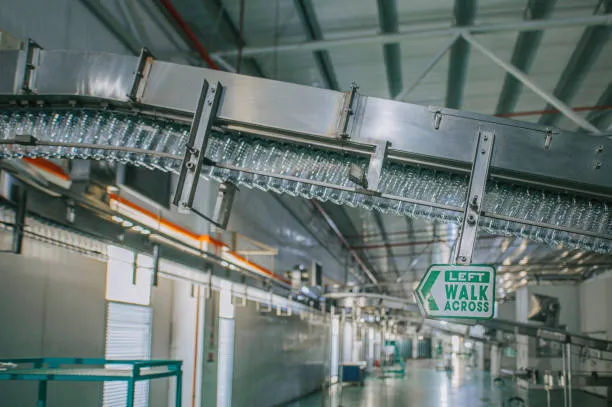
Improvement in food operations safety is achievable with navigation barriers. Verge Safety Barriers is here to ensure your business operations are safe. Get in touch with us now! Explore additional resources to further enhance your knowledge and application of these proven strategies for ensuring workplace safety in the food industry.