
26 December 2025 · filed in Barriers
What Is the Difference Between HD Barriers and ECO Barriers?
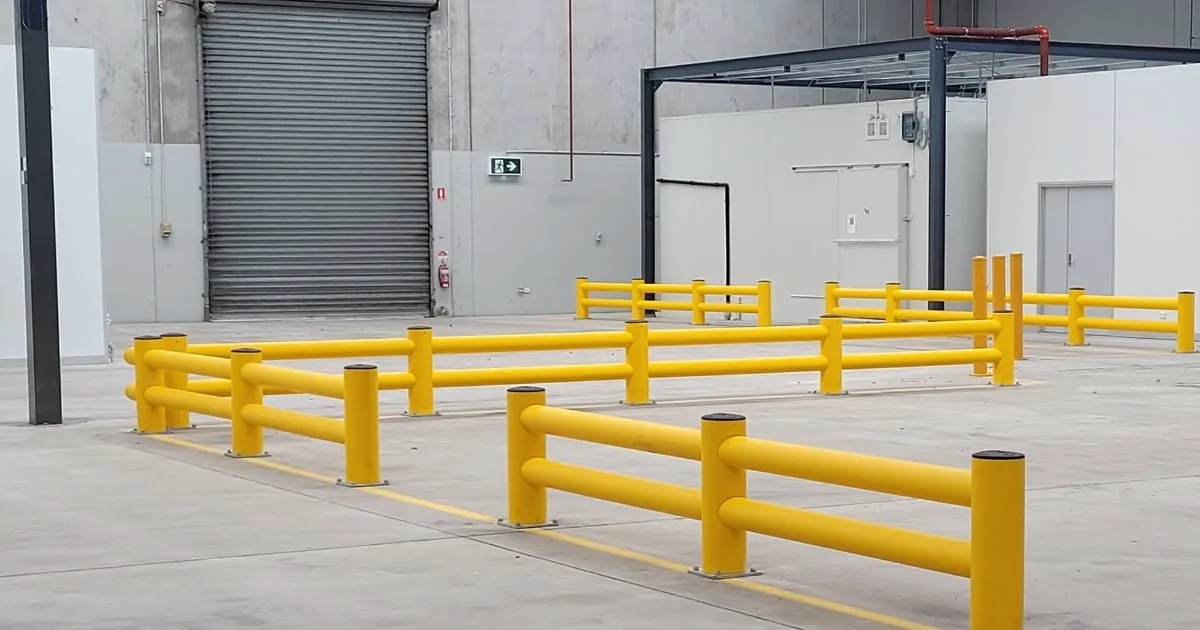
HD barriers and ECO barriers differ in strength, durability and how they are used. HD barriers offer high-impact resistance and suit areas with heavy equipment or frequent vehicle movement. ECO barriers are lighter and easier to position, making them suitable for pedestrian zones, temporary spaces and low-impact areas.
Workplaces face different safety risks, so choosing the wrong barrier can affect overall protection. High-traffic zones need stronger materials, while flexible or short-term setups benefit from lighter options.
Understanding where each barrier performs well helps ensure the chosen system supports safer movement and matches the conditions of the site.
Understanding HD Barriers
HD barriers are designed for sites that require stronger protection and higher impact resistance. These barriers are often made from dense materials such as HDPE, which helps absorb force and reduce damage during collisions. Their structure supports heavier loads and repeated contact, making them suitable for demanding environments.
These barriers are commonly used in industrial warehouses, logistics hubs and manufacturing facilities. They help separate people from machinery, reduce the risk of vehicle collisions and protect important equipment. HD barriers also perform well in locations that experience frequent forklift movement or areas with tight traffic routes.
Because they are engineered for strength and durability, they provide long-term performance in environments where safety standards are essential.
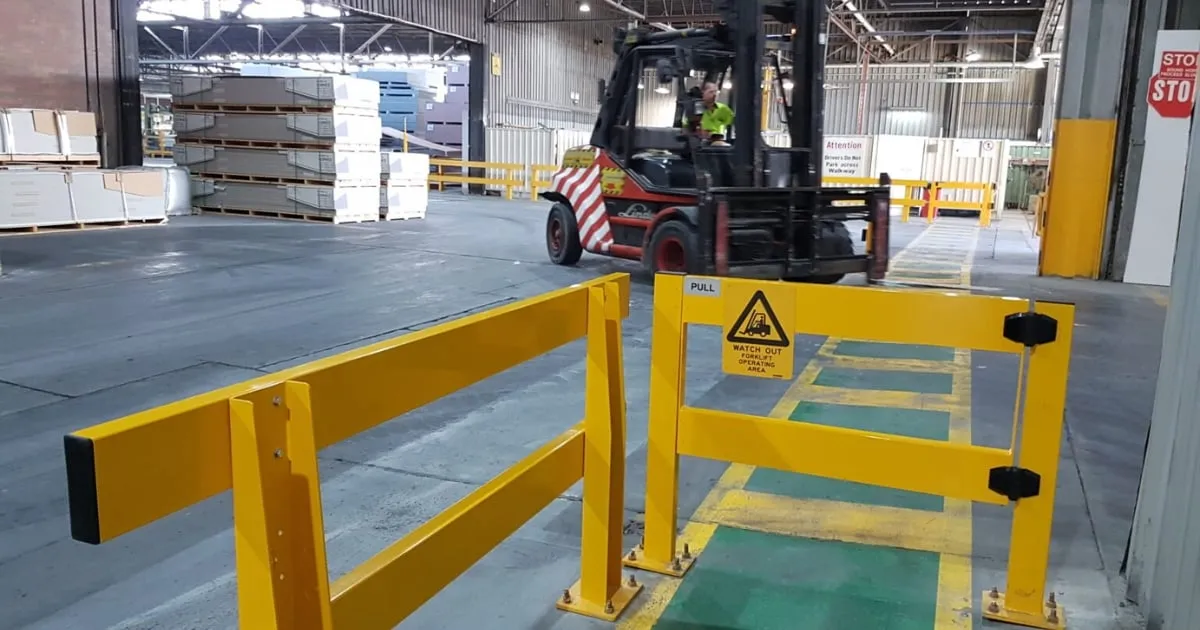
Key Features of HD Barriers
HD barriers offer strong protection in areas where heavy equipment or frequent vehicle movement increases the risk of impact. Their construction supports higher force absorption, which helps reduce damage during collisions and keeps work zones safer. These barriers also remain stable under pressure, which makes them a reliable choice for demanding sites.
Key features include:
- Strong material designed to absorb force
- Suitable for both indoor and outdoor use
- Stable structure supported by solid base design
- Minimal maintenance requirements
- Effective separation of people and vehicles
HD barriers support safety in locations where the chance of impact is higher. Their strong build helps maintain protection even when exposed to repeated contact or movement.
When HD Barriers Are the Better Choice
HD barriers are suited to environments where the chance of impact is higher or where heavy equipment operates frequently. Warehouses, manufacturing facilities and logistics areas often rely on these barriers to manage vehicle movement and reduce risks around machinery.
Their stronger build helps protect people and assets when collisions are more likely to occur. These barriers are also helpful in sites with narrow pathways or busy intersections, where forklifts and other vehicles move throughout the day.
HD barriers hold their shape under pressure, which makes them suitable for long-term use in demanding conditions. They are also effective in areas where weather exposure or constant vibration can affect other barrier types. When a site needs stronger and more durable protection, HD barriers offer a safer option.
Understanding ECO Barriers
ECO barriers are suited to areas that need lighter protection or frequent layout changes. These barriers are made from materials that support stability while remaining easier to move, which helps when adjusting pathways or creating temporary zones. Their design makes them practical for environments that do not require heavy-duty impact resistance.
These barriers are often used in pedestrian walkways, parking areas and locations with low vehicle activity. They help guide movement, restrict access and highlight hazards without the weight or installation demands of heavier systems.
Because ECO barriers are easier to transport, they work well for short-term setups or sites that need flexible options. They support safety in spaces where the risk level is lower and strong impact protection is not required.
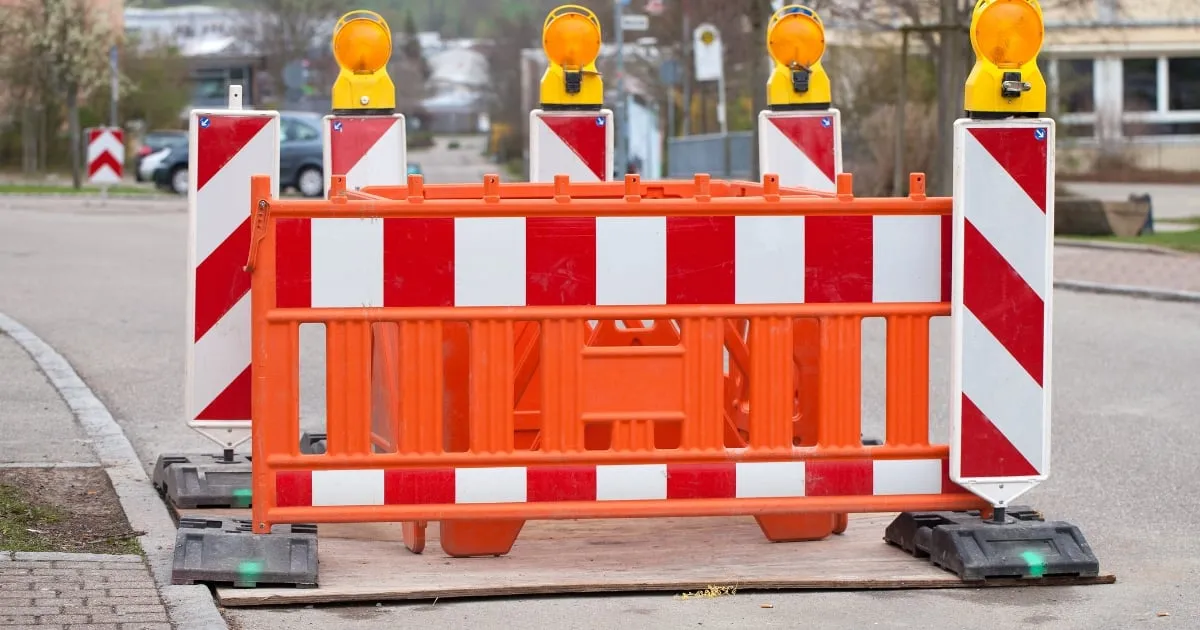
Key Features of ECO Barriers
ECO barriers offer practical benefits for sites that need lighter protection or temporary setups. Their construction supports general safety needs without the weight or installation requirements of heavy-duty systems. This makes them suitable for areas where movement, flexibility or quick placement is important.
Key features include:
- Lightweight design that is easy to position
- Suitable for guiding pedestrians or marking walkways
- Made from materials that support low-impact environments
- Cost-effective option for broad use
- Helpful in temporary or frequently changing layouts
These features make ECO barriers a useful choice for spaces that need structure and visibility without the strength needed in higher-risk areas. They support safer movement and help outline zones where access needs to be controlled.
When ECO Barriers Are Suitable
ECO barriers are suitable for areas where the safety risks are lower and heavy equipment is not present. They are often used in outdoor events, walkways and public spaces where guiding movement is more important than absorbing strong impacts. Their lightweight structure helps support activities that require frequent setup changes or clear pedestrian direction.
These barriers are also helpful for short-term work zones such as small construction areas, maintenance sites or temporary parking adjustments. Because they are easier to move, teams can reposition them quickly when layouts change.
ECO barriers offer enough strength for low-impact situations while remaining simple to handle and install. They are a practical choice when the main goal is to control access, highlight hazards or support safe movement in lighter environments.
Comparing HD Barriers and ECO Barriers
HD barriers and ECO barriers perform differently because they are built for different safety needs. HD barriers offer stronger protection and handle higher impact levels, while ECO barriers support lightweight control in spaces with lower risks. Understanding these differences helps match each barrier type to the conditions of a site.
HD barriers are suited to areas with frequent vehicle movement or heavy machinery. ECO barriers work better in pedestrian spaces, temporary layouts or locations that need quick adjustments. Both options support safer movement but deliver different levels of strength, durability and flexibility.
Choosing between the two depends on how much force the barrier may need to handle and whether the site layout changes often. Each type offers its own benefits when placed in the right environment.
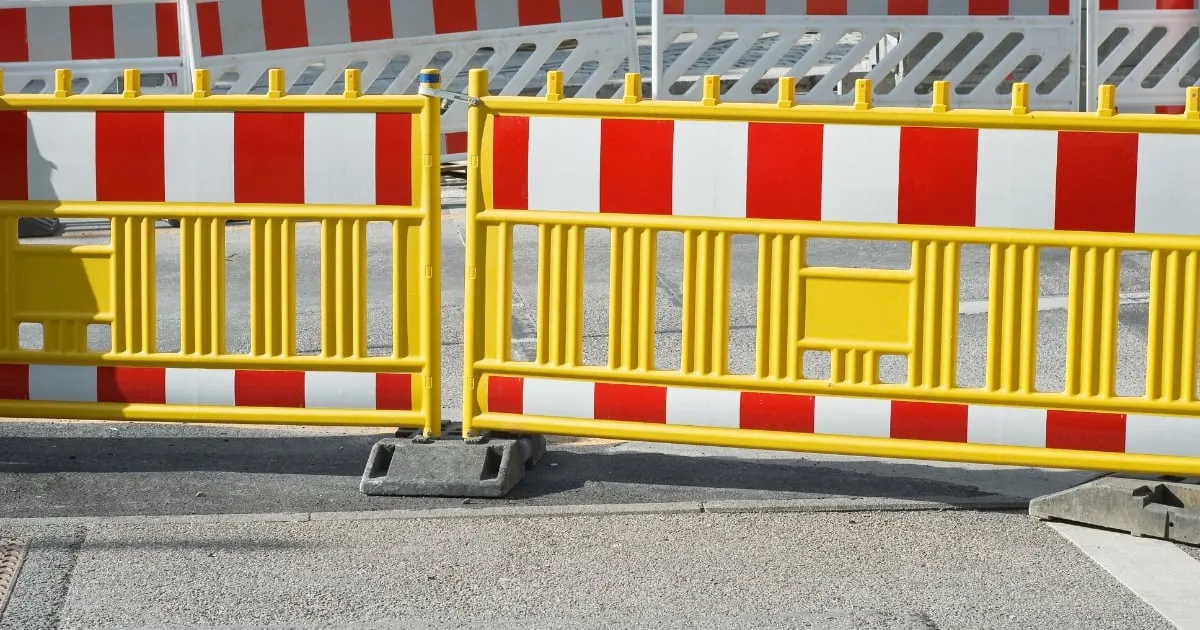
Material Strength
HD barriers provide stronger material strength because they are designed to handle higher impact forces. Their structure supports heavy machinery, forklifts and frequent vehicle activity, which makes them suitable for demanding environments. These barriers maintain stability even when exposed to repeated contact and movement.
ECO barriers offer lighter material strength and are suited to areas where the risk of strong impact is low. They provide enough stability for guiding pedestrians or managing access but are not designed for heavy loads or direct machinery contact.
Understanding the difference in material strength helps determine where each barrier should be used. Sites that need stronger physical protection benefit from HD barriers, while lighter environments can use ECO barriers effectively without over-engineering the space.
Weight and Ease of Handling
HD barriers are heavier because they are built to manage stronger impacts and provide long-term stability. Their weight helps reduce movement during collisions, which is important in areas with heavy machinery or frequent vehicle operation. Moving these barriers often requires more effort or equipment, which suits sites with set layouts that do not change regularly.
ECO barriers are lighter and easier to position, making them suitable for areas that require frequent adjustments. Their design allows teams to set them up quickly without specialised equipment. This flexibility supports environments that need temporary control, such as events, walkways or low-impact work zones.
Considering weight and handling helps determine how easily barriers can be installed or repositioned. Sites with consistent layouts benefit from HD barriers, while dynamic spaces are better suited to ECO barriers.
Impact Resistance
HD barriers offer stronger impact resistance because they are engineered to manage collisions from forklifts, pallet trucks and other heavy equipment. Their structure absorbs force and reduces the chance of damage to nearby assets or infrastructure. This level of strength supports areas where vehicles move frequently or where impact is more likely to occur.
ECO barriers provide lower impact resistance and suit environments where heavy machinery is not present. They guide pedestrian movement and outline walkways but are not designed to withstand strong collisions. Their purpose is to provide structure and visibility in areas with lower safety risks.
Understanding impact resistance helps match each barrier type to the conditions of a site. High-risk areas benefit from HD barriers, while lighter zones can rely on ECO barriers without compromising safety needs.
Cost Considerations
HD barriers generally cost more because they are built from stronger materials and designed for high-impact protection. Their durability and ability to handle heavy machinery make them a long-term investment for sites where safety demands are higher. While the upfront cost is greater, the lifespan of HD barriers often supports value in environments with frequent activity.
ECO barriers are more cost-effective and suited to locations with lower safety risks. Their lighter design, simpler installation and flexible use help reduce project expenses. These barriers work well for temporary setups, pedestrian areas and spaces where the layout may change often.
Considering cost helps match each barrier type to the needs of a site. High-risk zones may justify the cost of HD barriers, while ECO barriers offer a practical option for lighter environments.
Durability and Maintenance
HD barriers are built to withstand demanding conditions and remain stable under frequent use. Their stronger materials help prevent cracking or surface wear, which supports long-term performance in areas with heavy machinery or busy traffic routes. These barriers also hold up well in outdoor environments where exposure to sun and moisture can affect lighter systems.
ECO barriers offer suitable durability for pedestrian areas and low-impact zones. They work well where the safety risks are lower, but they may not handle repeated contact from forklifts or other equipment. Their lighter structure suits locations that need flexible layouts rather than constant high-force protection.
For deeper insight into manufactured barrier systems, suppliers such as Verge Safety Barriers offer product ranges that show how different materials support varying levels of durability.
Choosing the Right Barrier for Different Areas
Selecting the right barrier depends on how much impact a site may experience and how often the layout changes. HD barriers support areas with heavy machinery, fast-moving vehicles or tight pathways where strong protection is needed. ECO barriers provide guidance and structure in places with lower risks, such as walkways, public spaces or temporary work zones.
Some sites use a mix of both barrier types. High-risk zones may rely on HD barriers, while surrounding pedestrian areas can use ECO barriers to maintain clear separation. Understanding the demands of each part of a facility helps create a layout that supports safe movement and efficient operation.
Each environment has different needs, so matching barrier strength and flexibility to the activity in the area helps provide a more effective setup.

High-Risk Industrial Areas
High-risk industrial areas often involve heavy machinery, moving vehicles and frequent interaction between people and equipment. These environments need barriers that can manage stronger impacts and provide steady protection throughout the day.
HD barriers suit these areas because they are built to handle repeated contact from forklifts, pallet trucks and other equipment used in warehouses and production sites. Workplaces with narrow pathways, busy loading zones or tight turning points also benefit from stronger systems.
HD barriers help guide movement and reduce the risk of collisions in zones where vehicle activity is constant. Their structure supports long-term performance even when exposed to vibration, pressure and regular traffic. In high-risk areas, HD barriers offer the level of stability needed to keep people and assets safe.
Low-Risk or Temporary Areas
Low-risk or temporary areas often require barriers that are easier to move and position. These zones usually involve pedestrian movement, light vehicle activity or short-term work that does not need heavy-duty impact protection. ECO barriers suit these environments because they are lightweight and simple to install without specialised equipment.
These barriers help guide foot traffic, mark walkways and create clear boundaries in areas where hazards are present but the risk level remains low. Their flexibility also supports events, public gatherings and small construction tasks that change location or layout frequently.
Because ECO barriers are easier to transport, teams can adjust site setups quickly when conditions shift. This makes them a practical choice for areas that need structure and visibility without the strength required in high-impact zones.
Mixed-Use Workspaces
Mixed-use workspaces often combine pedestrian areas, vehicle routes and locations with varying levels of activity. These environments benefit from using both HD barriers and ECO barriers to support different safety needs within the same site. Stronger protection is needed in zones that handle forklifts or heavy equipment, while lighter barriers suit walkways and areas with lower impact risks.
ECO barriers can help direct people through busy sections, while HD barriers protect assets and reduce the chance of collisions in high-traffic zones. This combination helps maintain clear separation without over-engineering parts of the site that do not require high-strength systems.
Using both barrier types in a mixed-use workspace helps match the safety approach to the conditions present in each part of the facility. This supports safer movement and clear traffic flow throughout the area.
How Safety Barriers Sydney Can Support You
At Safety Barriers Sydney, we help assess work areas and recommend barrier systems that match the level of protection each space needs. Our team looks at how people and vehicles move through a site, the type of equipment used and the level of impact a barrier may need to manage.
We provide guidance on choosing between HD barriers and ECO barriers, especially when a workplace includes both high-impact and low-impact zones. This helps create a layout that supports safer movement and clearer boundaries. If you need advice or would like help planning a barrier setup, you can contact us for guidance and support. Our goal is to help you select a system that fits the conditions of your site and keeps people and assets safe.
Frequently Asked Questions
What is the main difference between HD barriers and ECO barriers?
HD barriers provide stronger impact protection for high-risk areas, while ECO barriers support lighter control in spaces with lower safety demands.
Are ECO barriers suitable for areas with vehicle movement?
ECO barriers suit pedestrian zones and low-impact areas. They are not designed to handle strong collisions from forklifts or heavy equipment.
Where are HD barriers most effective?
HD barriers perform well in warehouses, production areas and sites with frequent vehicle movement. Their structure supports higher impact loads.
Do ECO barriers work for temporary layouts?
Yes. ECO barriers are lightweight and easy to move, which makes them suitable for short-term work zones, events and changing site conditions.
Can both barrier types be used in the same workspace?
Yes. Many mixed-use areas combine HD barriers in high-risk zones with ECO barriers in surrounding pedestrian or low-impact sections.