
20 January 2024 · filed in Safety Update
Healthcare Hurdles: Enhancing Hospital Safety with Barriers

Ensuring hospital safety can often seem like a real slog, with challenges popping up left, right and centre. We know the drill all too well, after all, patient falls are the top mishap to happen on the hospital floor, impacting not only recovery times but also hitting healthcare budgets hard. Our article’s about to give you the lowdown on practical tactics for beefing up hospital security and smoothing out the road to safer healthcare settings. So come along for the ride and learn how we can make a difference together.
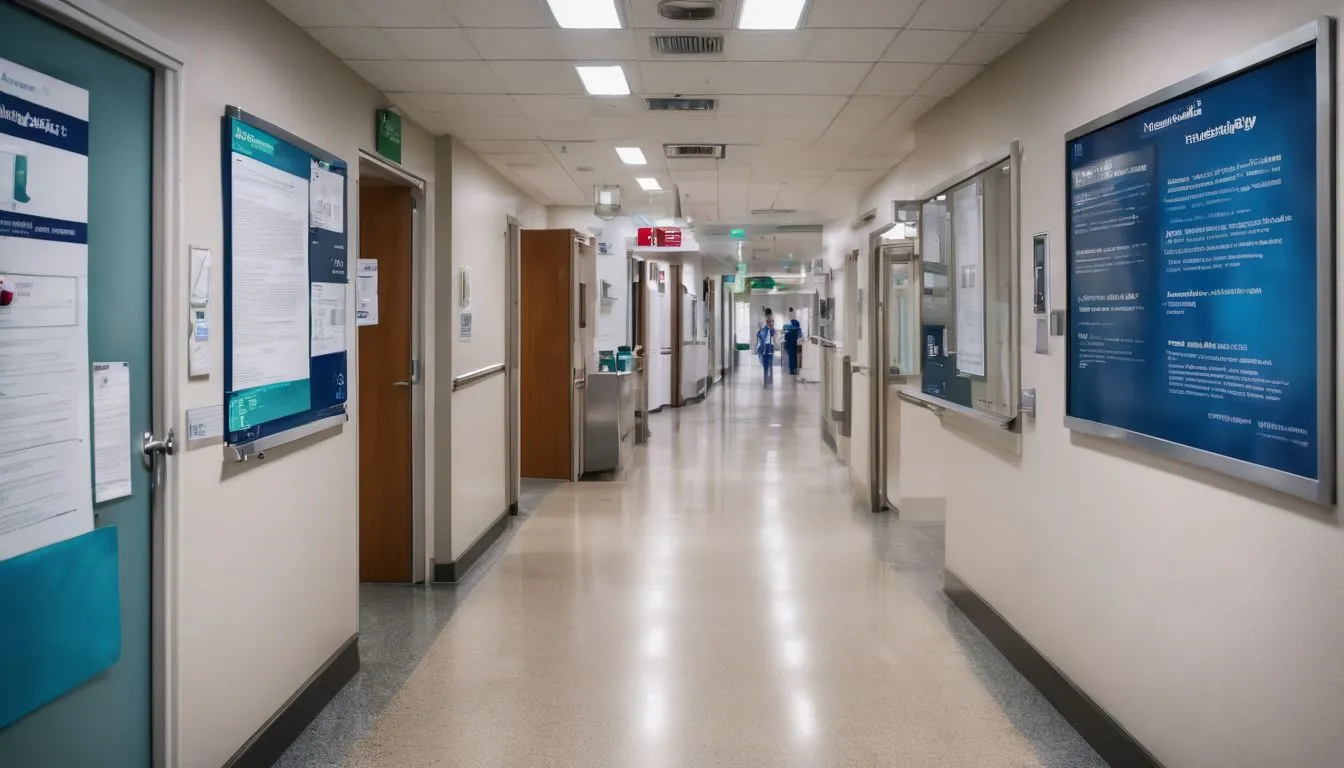
Barriers to Patient Safety in Hospitals
The challenges in adopting Human Factors and Systems Engineering (HF/SE) in healthcare, the lack of focus on patient safety in the healthcare culture, and limited resources for HF/SE implementation have hindered hospital safety improvements.
Communication breakdowns between healthcare professionals and falls prevention education for patients also pose threats to hospital safety.
Challenges in adopting Human Factors and Systems Engineering (HF/SE)
Incorporating Human Factors and Systems Engineering (HF/SE) into our healthcare systems is no simple task. We often run into resistance because HF/SE thinking requires a shift from traditional practices, which can be deeply ingrained in the hospital culture.
Not only do we need to convince stakeholders of its importance, but there’s also the hurdle of changing mindsets to prioritise patient safety at all levels.
Financial constraints pose another significant barrier. Investing in HF/SE means redirecting funds towards training and system redesign, expenses that may not show immediate return on investment.
Beyond money, it takes time and dedication to train our healthcare workforce in these new methodologies while maintaining quality care amidst these transitions. Finding this balance remains one of our greatest challenges as business owners committed to enhancing hospital safety with barriers.
Lack of focus on patient safety in healthcare culture
To improve patient safety in hospitals, it’s vital to address the lack of focus on healthcare culture. Incorporating a strong emphasis on patient safety within the broader healthcare culture enables staff to prioritise safety at every level of care provision.
Emphasising safety fosters a collective responsibility among healthcare professionals and promotes an environment where adherence to best practices becomes second nature. By making patient safety an integral part of the organisational culture, medical facilities can enhance quality healthcare and service improvement while mitigating obstacles to overall healthcare security.
Furthermore, incorporating patient safety into the healthcare culture paves the way for proactive measures in addressing inadequacies, ensuring sustainable improvements in hospital barriers and other medical facility obstacles.
Limited resources and support for HF/SE implementation
Healthcare organisations often face challenges due to limited resources and insufficient support for implementing Human Factors and Systems Engineering (HF/SE). This can hinder the integration of patient safety measures, leading to obstacles in improving healthcare security.
The lack of financial backing and infrastructure limitations further exacerbate the difficulties faced by healthcare professionals in enhancing hospital safety through HF/SE principles.
Medical care obstacles are compounded by workforce shortages, compounding patient safety concerns. Overcoming barriers requires collaborative efforts between healthcare professionals to address these challenges effectively.
Threats to Hospital Safety
Falls prevention education for patients is crucial in hospital safety, as well as addressing communication breakdowns between healthcare professionals. These threats can compromise patient care and lead to adverse events if not properly managed.
Falls prevention education for patients
Hospital safety can be enhanced by providing thorough education to patients on preventing falls. This includes:
- Teaching patients about the importance of using handrails and grab bars in bathrooms to prevent falls.
- Ensuring patients understand the need to call for assistance when getting out of bed or moving around the hospital.
- Educating patients about the risks of wearing non – slip footwear and how it can help prevent falls.
- Providing information on how medications can affect balance and lead to an increased risk of falling.
- Offering guidance on maintaining a clutter – free environment in patient rooms to reduce tripping hazards.
Communication breakdowns between healthcare professionals
- Clear protocols for exchanging patient information
- Utilisation of digital communication tools for efficient information sharing
- Regular interdisciplinary team meetings to discuss patient care plans and updates
- Training programmes to enhance communication skills among healthcare staff
- Encouraging open dialogue and feedback channels for constructive communication
- Standardising communication processes to minimise ambiguity and misunderstanding

Enhancing Hospital Safety with Barriers
Advanced decision-making and standardised care are crucial in enhancing hospital safety with barriers. Alerts for patient safety and additional expertise in improving safety also play a significant role in overcoming healthcare hurdles.
Advanced decision-making
We make informed decisions by integrating data analysis and expert input.
- We conduct thorough risk assessments to identify potential hazards and implement proactive measures to mitigate them.
- We leverage technology to enhance data gathering and analysis, facilitating evidence-based decision-making.
- We establish clear protocols and guidelines for clinical decision – making to ensure consistency and best practices across all departments.
- We continuously review and adapt our decision – making processes based on feedback, industry best practices, and evolving healthcare standards.
Standardised care
To ensure hospital safety, standardised care plays a crucial role. This involves implementing consistent procedures and protocols across all departments to guarantee uniformity in patient care. This includes:
- Establishing standard operating procedures for common medical interventions to reduce variations in care and enhance patient outcomes.
- Developing standardised checklists for healthcare professionals to follow during critical procedures to minimise errors and improve safety.
- Implementing standardised handover processes between shifts and departments to ensure clear communication and continuity of care for patients.
- Utilising standardised electronic health records systems to streamline information sharing and improve coordination among healthcare teams.
- Integrating standardised training programmes for staff to ensure consistent skill levels and adherence to best practices in patient care.
Alerts for patient safety
We implement automated alerts for patient safety to promptly notify healthcare providers of potential risks. These alerts help us in the following ways:
- Reducing medication errors by alerting healthcare professionals about potential drug interactions or allergies for individual patients.
- Notifying staff of abnormal vital signs or patient deterioration, prompting immediate action to prevent adverse events.
- Alerting caregivers about fall risks and providing timely interventions to minimise the likelihood of patient falls.
- Monitoring patient repositioning intervals to prevent pressure ulcers, with alerts reminding staff when repositioning is due.
- Flagging safety protocol deviations and ensuring prompt corrective actions are taken to maintain patient safety standards.
Additional expertise in improving safety
- Employing specialists in HF/SE to offer targeted solutions for patient safety concerns
- Providing advanced training and resources to healthcare teams for improved decision – making and risk assessment
- Collaborating with external experts and organisations to access the latest advancements in patient safety techniques.
Solutions to Overcome Barriers
– Implementing HF/SE principles in hospital operations and procedures is crucial for addressing patient safety challenges.
– Introducing HF/SE principles in healthcare education can provide future professionals with the necessary knowledge and skills to improve hospital safety practices.
Implementing HF/SE principles
- Incorporating technology to streamline processes and minimise errors.
- Ensuring clear communication channels among healthcare professionals and patients.
- Conducting regular safety audits to identify potential hazards and improve protocols.
- Providing specialised training for staff to address patient safety concerns effectively.
- Developing a culture of continuous improvement and accountability within the healthcare environment.
Introducing HF/SE in healthcare education
After implementing HF/SE principles, another critical aspect in enhancing hospital safety is introducing HF/SE in healthcare education. This step aims to equip future healthcare professionals with the knowledge and skills needed to identify and address patient safety issues effectively. Additionally, it fosters a culture of continuous improvement and an unwavering commitment to patient safety.
- Curriculum Integration: Incorporating HF/SE principles into medical, nursing, and allied health education curricula allows students to understand the human factors and system engineering concepts essential for delivering safe, high-quality care.
- Practical Training: Providing hands-on training opportunities in simulated environments enables students to apply HF/SE principles to real-life clinical scenarios, preparing them for the challenges they may encounter in their future careers.
- Interdisciplinary Collaboration: Encouraging collaboration between different healthcare disciplines in educational settings helps students appreciate the role of each profession in improving patient safety and fosters teamwork and communication skills necessary for effective patient care.
- Research Opportunities: Promoting research projects related to HF/SE within healthcare education institutions enhances students’ understanding of patient safety issues, equipping them with the ability to contribute to evidence-based improvements in hospital safety practices.
- Continuous Professional Development: Emphasising the importance of ongoing learning and professional development ensures that healthcare professionals remain updated with the latest advancements in HF/SE and continue applying best practices throughout their careers.
- Advocacy for Change: Educating future healthcare professionals about the impact of HF/SE on patient outcomes empowers them to advocate for change within healthcare systems, driving a culture shift towards prioritising patient safety.
- Networking Opportunities: Facilitating networking events with industry experts allows students to gain insights into successful implementation strategies and learn from practical experiences, enriching their understanding of how HF/SE can enhance hospital safety.
- Ethical Considerations: Integrating discussions on ethical considerations associated with HF/SE implementation ensures that future healthcare professionals approach patient safety initiatives with a strong ethical framework, prioritising patients’ well-being above all else.
Collaborative efforts between healthcare professionals
Collaborative efforts between healthcare professionals involve:
- Sharing best practices and lessons learned to improve patient safety.
- Conducting regular interdisciplinary team meetings to discuss safety challenges and develop coordinated solutions.
- Engaging in continuous training and education to enhance communication and teamwork skills.
- Implementing cross – functional initiatives for proactive risk identification and mitigation.
- Leveraging technology to facilitate seamless information sharing and decision – making across departments.

Conclusion
We have explored the barriers to patient safety in hospitals and identified threats to hospital safety. We have also discussed strategies for enhancing hospital safety with barriers, emphasising their practicality and efficiency. Have you considered how these approaches can be implemented in your healthcare facility? It is crucial to recognise the importance of addressing these challenges head-on. Implementing human factors and systems engineering principles enhances patient safety significantly, leading to improved outcomes and a safer environment for all. Keep exploring ways to overcome obstacles in healthcare improvement, it’s an ongoing journey towards creating a safer environment for patients and healthcare professionals alike.