
30 April 2024 · filed in Safety Barriers Sydney
How Innovative Safety Solutions Are Redefining Industry Standards
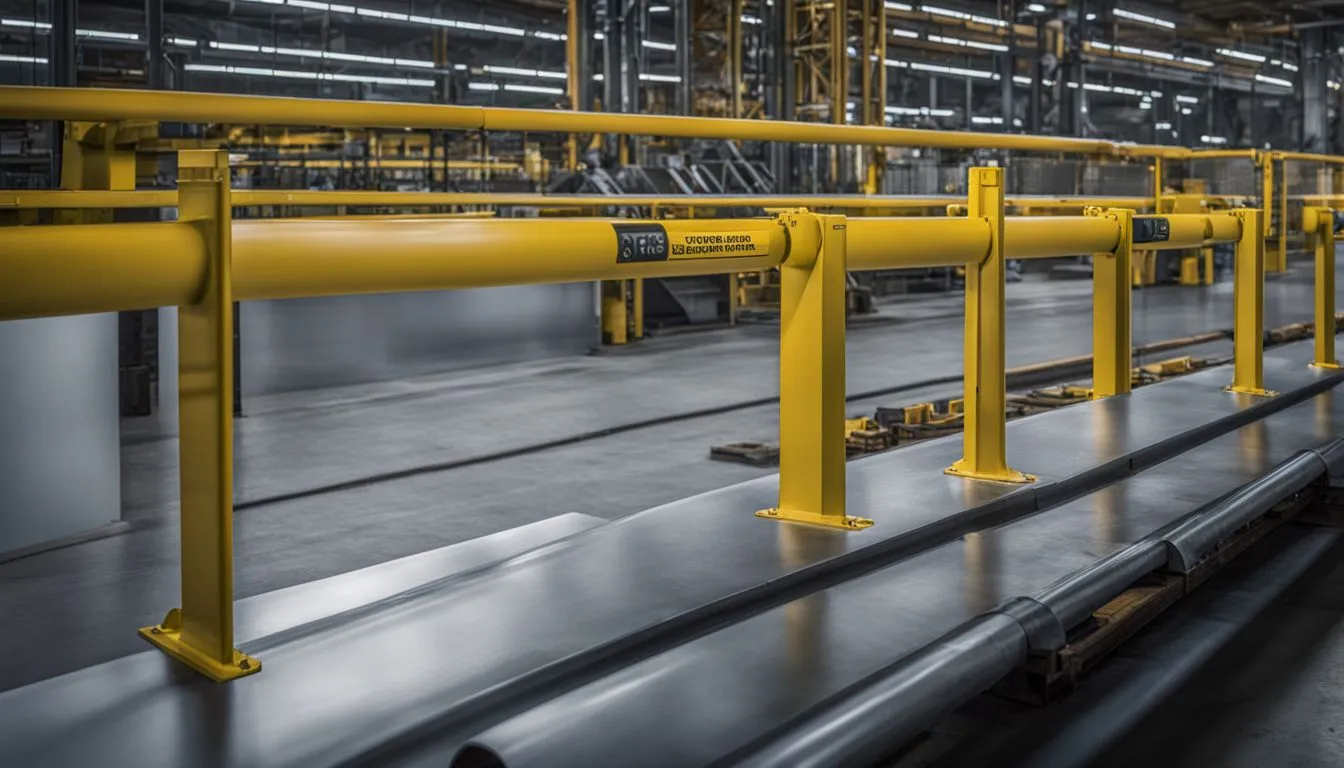
Keeping our mates safe on the job is a fair dinkum challenge that we’ve all copped a bit of. It’s something that’s tripped us up as well, but it turns out there’s a silver lining. Every year, clever as safety solutions are cutting down the number of workplace accidents something fierce.
This yarn will walk you through these game-changers, showing how they’re redefining the go at keeping things safe in heaps of different industries. You’re going to find it bloody interesting, trust me.
Evolution of Occupational Safety Standards

Occupational safety standards have marched forward, transforming from basic guidelines to comprehensive systems that shield workers from hazards. We’ve seen a shift from reactive measures, think posting a “mind your head” sign after someone bumps their noggin, to proactive strategies integrating predictive analytics for safety.
This evolution mirrors our growing understanding of workplace risks and how to mitigate them effectively with innovative safety technology.
In the early days, it was all about hard hats and caution signs; now, we’re in an era where digital safety inspections and AI in workplace safety lead the charge. Our approach has evolved dramatically, driven by technological advancements and a deeper commitment to protecting lives.
Every step forward in this journey reflects our dedication to creating safer work environments through cutting-edge solutions like hazard terrain navigation technology and manufacturing safety innovations.
The Relationship between Safety and Innovation
We often find ourselves walking a tightrope between maintaining rigorous safety standards and pushing the envelope with innovation. It’s like trying to bake a cake while juggling the eggs; both elements demand our full attention, yet they must seamlessly blend for real progress.
In this dance, technological advancements stretch our capabilities, offering safer work environments through solutions such as AI-driven hazard detection and predictive analytics for safety.
These innovations don’t just add a layer of protection; they redefine what we consider safe.
Our journey in weaving safety into the fabric of workplace practices shows that high industrial safety products and occupational health standards ignite creativity rather than dampen it.
Think about digital safety inspections, once a cumbersome task involving mountains of paperwork now streamlined with tablets and smart software. This leap didn’t happen by chance.
It sprouted from necessity, marrying practicality with forward-thinking to tackle old problems in new ways. Embracing these changes leads us not only towards compliance but sets new benchmarks that others aspire to reach, a testament to the power hidden at the crossroads of safety and innovation.
Impact of High Safety Standards on Startups
High safety standards play a significant role for startups, setting the stage for fostering a culture of innovation and care. Adhering to occupational safety standards from the get-go sets a clear benchmark, showing that we value our team’s well-being as much as our bottom line.
It’s like saying, “We’ve got your back,” in every meeting and strategy session.
This commitment doesn’t just build trust within teams; it also paints startups in a positive light amongst customers and investors. They see that we’re not cutting corners, especially on matters as crucial as workplace safety training and fire safety regulations.
In essence, embracing high safety standards propels us towards achieving our business goals while ensuring everyone involved is safe and sound, proving that doing things right pays off in more ways than one.
Challenges and Solutions for Implementing Safety Standards
Facing new technological advancements can be daunting for businesses seeking to enhance safety standards. Legal and ethical considerations also pose challenges when attempting to adapt to the ever-changing realm of safety compliance.
Adapting to technological advancements
We’re living in a fast-paced era where technological advancements shape every aspect of our businesses. For us, keeping up isn’t just about staying relevant; it’s about leading the pack in workplace safety innovations.
- Embrace digital safety inspections: The days of paper checklists are long gone. We’ve switched to digital inspections that not only save time but improve accuracy. This change means we can spot potential hazards in real-time, ensuring nothing slips through the cracks.
- Invest in AI for workplace safety: Artificial intelligence isn’t just for sci-fi films. We use AI to predict and prevent workplace accidents before they happen. This technology helps us analyse data faster than ever, making our workplaces safer than we dared imagine.
- Upgrade to innovative safety technology: From smart helmets to exoskeletons for heavy lifting, integrating cutting-edge safety solutions has revolutionally changed how we protect our team. These gadgets are not just cool; they’re lifesavers, reducing accidents dramatically.
- Provide continuous safety training advancements: Gone are the days of yearly training sessions that everyone dreads. We now offer ongoing, interactive training programmes using virtual reality. This approach keeps our team engaged and up-to-date with the latest safety protocols.
- Implement predictive analytics for safety: We tap into predictive analytics to foresee potential risks and mitigate them promptly. This forward-thinking strategy turns data into actionable insights, keeping everyone a step ahead of danger.
- Utilise hazardous terrain navigation technology: In industries where landscapes are ever-changing, such as mining or construction, this technology is a game-changer. It helps us map out safe paths through potentially dangerous areas, safeguarding our employees where traditional methods fall short.
Each step we take towards embracing these technological marvels brings us closer to a future where workplace accidents become rarities rather than expectations. As business owners, we’ve found that investing in these technologies not only saves lives but also boosts morale and productivity across the board. Our commitment to innovation is what sets us apart and defines our journey towards redefining industry standards in occupational health and safety.
Legal and ethical considerations
Diving into the landscape of innovative safety solutions requires us to stay on top of legal and ethical considerations. Laws change, as do expectations around workplace safety and employee well-being.
Staying compliant isn’t just about ticking boxes; it’s about creating a safer environment for everyone involved.
We understand that keeping up with occupational health and safety regulations can feel like juggling firesticks while riding a unicycle. It’s tricky, but absolutely necessary. Ethically, it’s our job to ensure our workplaces meet not only the current standards but prepare for future shifts in regulations.
This commitment protects not just our businesses from legal pitfalls but also safeguards our teams’ health, fostering trust and integrity within our operations. Compliance innovations are part of this journey, helping us adhere to industry safety advancements without breaking a sweat.
Role of Innovative Safety Solutions in Redefining Industry Standards
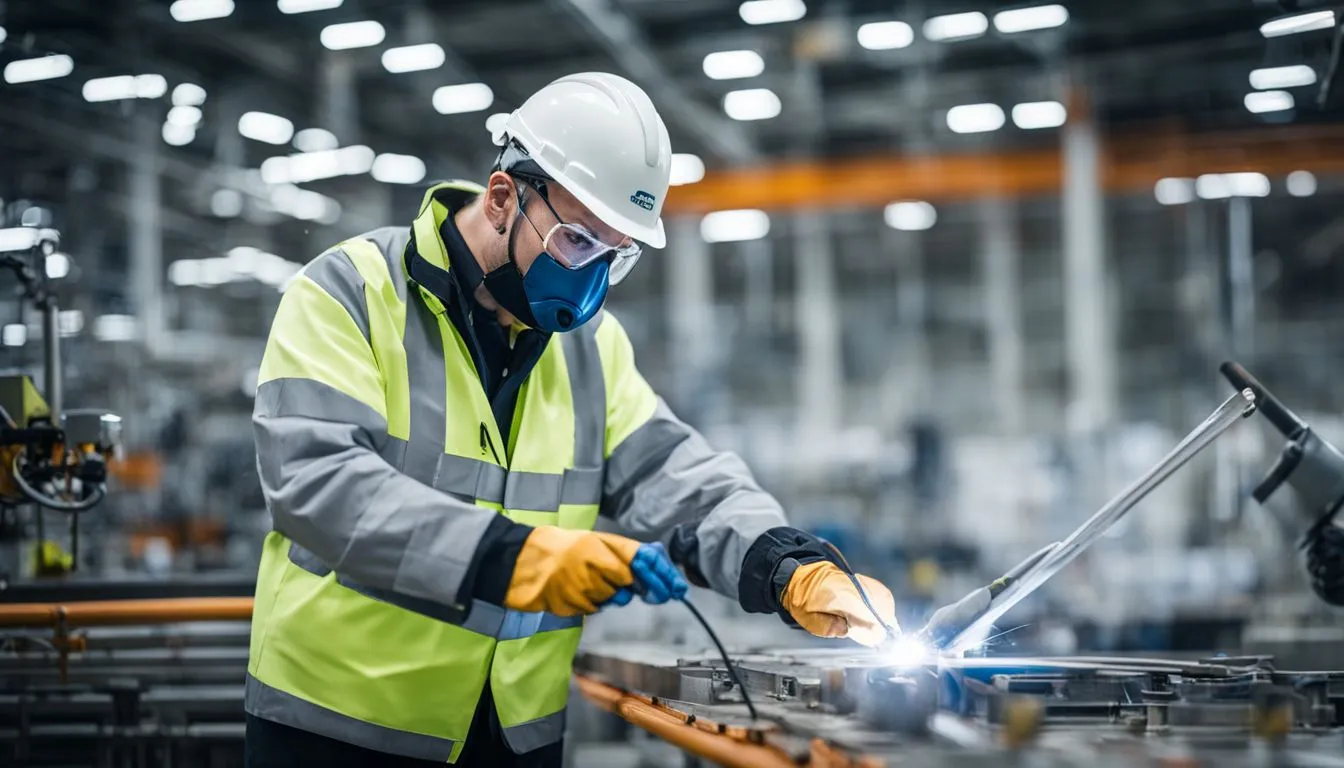
Innovative safety solutions are reshaping industry standards by integrating cutting-edge technologies and enhancing traceability with new advancements. The role of these solutions in redefining industry standards is significant, driving progress and ensuring that workplace safety remains a top priority across various sectors.
Integration of cutting-edge technologies
We’re living in a fast-paced era where technology evolves quicker than a blink. As business owners, staying ahead means embracing these changes, especially in safety standards. Let’s delve into how we can harness cutting-edge technologies to not just meet but exceed industry standards.
- AI in workplace safety has been a game – changer. We use artificial intelligence to predict potential hazards before they even occur. Imagine your system alerting you about a possible machine malfunction weeks in advance. It’s like having a crystal ball, but for safety.
- Digital safety inspections have revolutionised the way we conduct checkups. Gone are the days of clipboards and endless paperwork. Now, we tap away on our tablets, with every piece of data stored securely in the cloud. This tech not only saves time but also ensures nothing slips through the cracks.
- Industrial safety products have become smarter, thanks to IoT (Internet of Things). From smart helmets that monitor workers’ health to wearables that alert them about hazardous areas, these gadgets keep our teams safer than ever.
- Predictive analytics for safety takes data analysis to new heights. We crunch numbers from past incidents and near-misses to forecast future risks. This approach allows us to be proactive rather than reactive; fixing issues before they pose real threats.
- Hazardous terrain navigation technology has been a boon for industries operating in risky environments. Sophisticated mapping tools and drones provide detailed insights into areas previously considered too dangerous for manual surveys, significantly reducing risk exposure.
- Safety software solutions now offer incredible integration capabilities, allowing us to connect different systems seamlessly for comprehensive oversight. Picture an orchestra where every instrument plays in perfect harmony, that’s what these solutions do for our safety protocols.
- Safety training advancements leverage virtual reality (VR) and augmented reality (AR), offering immersive learning experiences without the real-world risks. Employees can practice emergency response drills or learn how to operate new machinery safely within a controlled, virtual environment.
- Manufacturing safety innovations often focus on robotic automation to handle tasks deemed too perilous or strenuous for humans. These robots work tirelessly, removing workers from harm’s way while boosting efficiency and productivity.
- Lastly, innovative risk management strategies employing cutting-edge software help us identify vulnerabilities across operations quickly and accurately guide decision-making processes towards safer practices.
By weaving these technological threads into our daily operations, we don’t just follow industry standards, we set them higher, ensuring our workplaces are safe havens brimming with innovation.
Enhanced traceability with new technologies
New technologies are flipping the script on traditional traceability methods in our industry. They’re making it easier to keep tabs on everything from the production floor to the end-user.
- GPS and RFID tags have revolutionised how we track our products. Now, we can pinpoint an item’s location in real-time, reducing the risk of loss and theft. This means no more sleepless nights worrying if that shipment made it to its destination.
- Digital safety inspections using mobile apps allow us to record data on-the-go. Gone are the days of paperwork piling up on desks. This shift not only saves trees but also ensures that our records are always up-to-date and easily accessible.
- AI – driven analytics help us predict potential safety risks before they happen. Imagine having a crystal ball that tells you where to focus your safety efforts, well, now we do! This proactive approach is changing the game in workplace safety training.
- Cloud-based platforms offer a one-stop-shop for managing all our safety data. Accessing information has never been more straightforward, whether you’re in the office or halfway around the world on a beach (with Wi-Fi, of course).
- Wearable tech monitors workers’ health indicators in hazardous environments, like heart rate and temperature. It’s like having a personal guardian angel for each employee, ensuring they’re safe while tackling dangerous tasks.
- Smart sensors detect toxic gases and send immediate alerts if levels become unsafe. This isn’t just innovative; it’s potentially life-saving, allowing for quick evacuations and preventing tragic accidents before they occur.
- Blockchain technology secures our digital safety records against tampering or loss, giving us peace of mind that our data integrity is rock solid.
Each of these advancements represents a step forward in how we manage occupational health and safety within our businesses. They empower us to protect our teams better, streamline operations, and even save costs, all while setting new benchmarks for industry standards in safety compliance innovations.
Anatomy of High-Quality Equipment: A Deeper Look at Barrier Standards
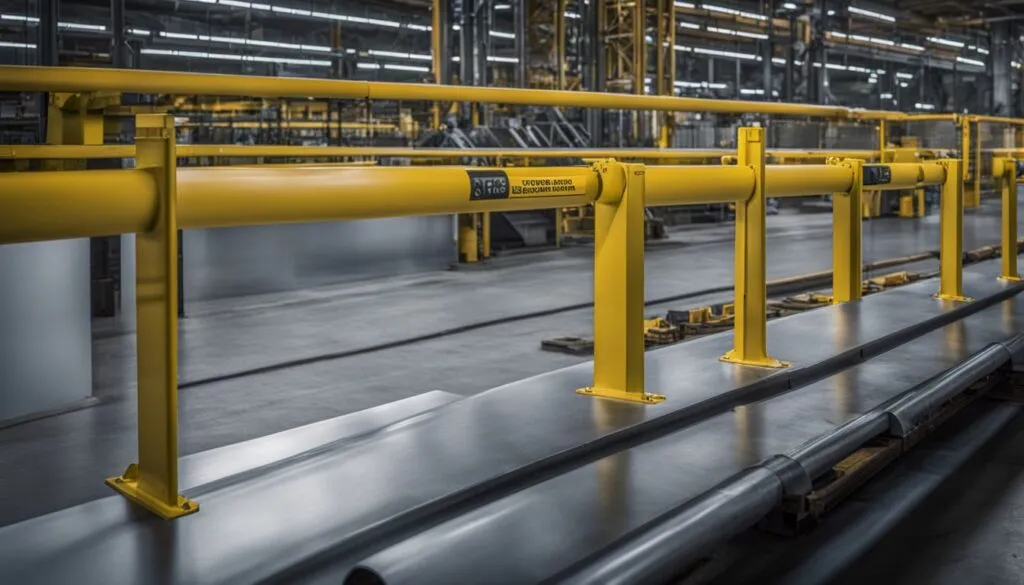
High-quality equipment is at the core of upholding safety standards. These barriers, which are designed to enhance workplace safety, play a pivotal role in safeguarding employees and preventing accidents.
Cutting-edge technologies have enabled the integration of innovative safety solutions into these barriers, ensuring advanced traceability and enhanced protection. As we delve deeper into barrier standards, it’s apparent that these high-quality equipment pieces not only comply with industry safety regulations but also go beyond by incorporating predictive analytics for safety and hazardous terrain navigation technology.
With this deeper look at barrier standards, we uncover the secrets behind their robust design and their ability to evolve alongside ever-changing occupational safety standards. The integration of AI within workplace safety training has unlocked new levels of efficiency while providing tailored solutions for various industries including manufacturing and SLED sectors.
This deep dive reveals how high-quality equipment is not just meeting regulatory requirements but exceeding them through innovative risk management strategies and predictive maintenance features.
Measuring the Return on Investment in Safety Standards
Investing in safety standards might look like a hefty upfront cost, but let’s not beat around the bush – it pays off, and handsomely so. We’re in the thick of it, rolling up our sleeves to break down the brass tacks of how safety isn’t just a compliance checkbox but a savvy business move.
| Aspect | Investment Cost | ROI Benefits |
|---|---|---|
| Training Programs | Varies, but substantial | Reduced accidents, Enhanced staff morale |
| High-Quality Equipment | Higher initial outlay | Longevity, Less downtime |
| Technology for Safety | Depends on scale | Better oversight, Real-time issue spotting |
| Regular Maintenance | Consistent investment | Prevents costly repairs, Ensures operational efficiency |
| Insurance Premiums | Varies with risk levels | Lower premiums for safer workplaces, Peace of mind |
Let’s face it, skimping on safety could lead to a penny-wise, pound-foolish scenario. It’s like locking the stable after the horse has bolted, ineffective and, frankly, a bit silly. Folding safety into the fabric of our operations isn’t just about avoiding fines or ticking boxes; it’s about building a resilient, thriving business. Cutting corners on safety is akin to slicing the branch we’re sitting on, sooner or later, it’ll catch up with us.
So, we roll with the punches, adapt, and invest in safety, knowing well that this is a race won by the steady, not just the swift. Sure, the initial outlay might make us gulp, but the peace of mind, reduced downtime, and bustling workforce morale? Priceless. And when we talk numbers, it’s all in the black, proving that safety standards are not just a good deed but good business, too.
Future Trends in Occupational Safety
Transitioning from measuring the return on investment in safety standards to exploring future trends, it’s clear that the landscape of occupational safety is continually evolving. The integration of artificial intelligence (AI) and predictive analytics into workplace safety protocols is a game-changer, enabling businesses to proactively identify potential hazards and prevent accidents before they occur.
Moreover, the emergence of innovative risk management strategies supported by cutting-edge technologies like hazardous terrain navigation technology is revolutionising how industries safeguard their workforce.
These advancements are not only enhancing safety protocols but also driving efficiency across various sectors.
Conclusion
In wrapping up, we’ve delved into the evolution of safety standards and the compelling relationship between safety and innovation. We explored how startups are impacted by high safety standards and discussed challenges associated with implementing these standards.
Additionally, we highlighted the pivotal role of innovative safety solutions in reshaping industry standards through integrating cutting-edge technologies and enhancing traceability.
These strategies offer practicality, efficiency, impactful developments that can lead to significant improvements in workplace safety. Moreover, they underscore the importance of prioritising occupational health and safety across industries.
For further exploration on this topic, consider seeking out resources on predictive analytics for safety or hazardous terrain navigation technology. Let’s remember that promoting a safe work environment not only protects employees but also contributes to increased productivity and overall success.
Let’s close with an inspiring thought: “A safe workplace is a cornerstone for sustainable business growth.”