
13 May 2024 · filed in Safety Update
How Safety Barriers Are Pioneering Industrial Safety
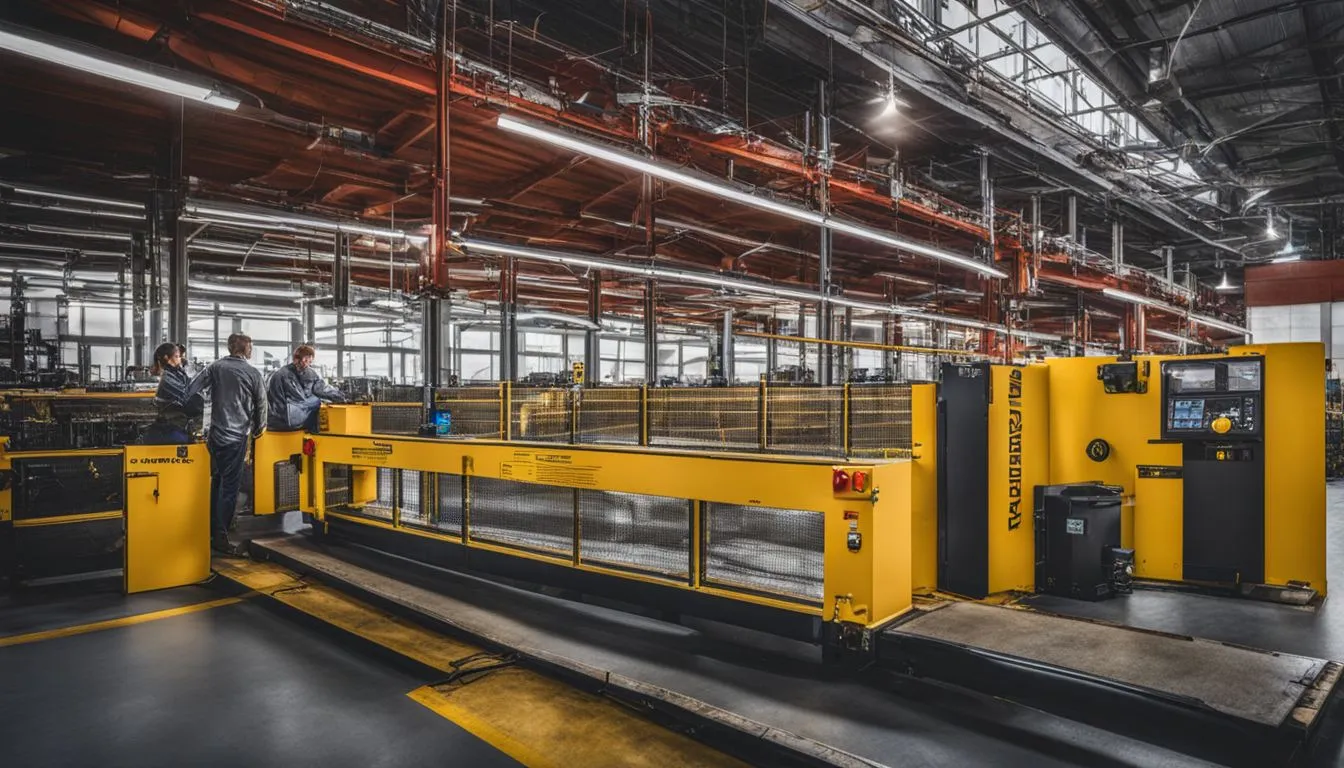
Keeping everyone safe at work is something that weighs heavily on our minds. We get it, mate – finding out there are over 2 million work-related injuries reported each year is a real eye-opener.
Our deep dive into safety barriers has turned up some promising solutions to this issue. So, have a squiz at how these barriers are revolutionising industrial safety. It’s time to get a bit excited!
The Advent of Safety Barriers in Industrial Safety
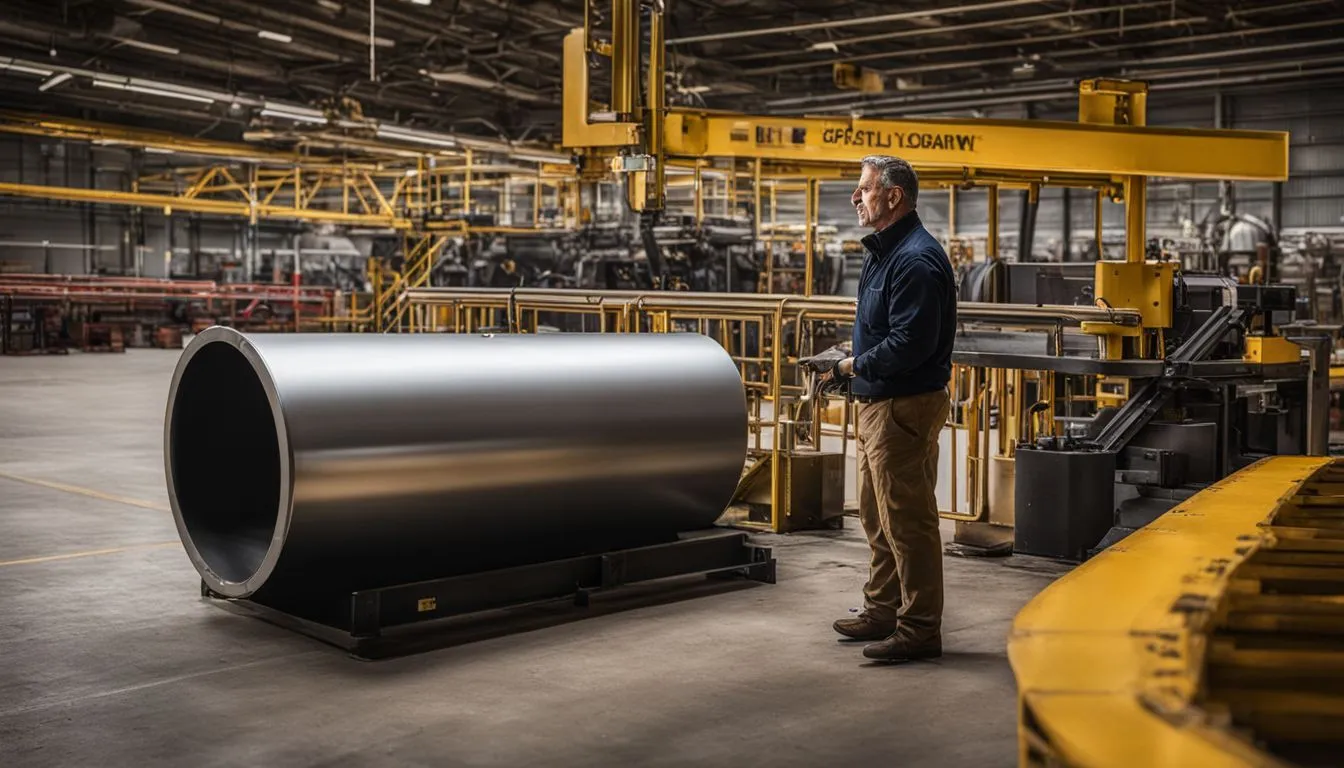
Safety barriers have transformed the landscape of industrial safety, providing a critical layer of protection for workers and assets. Their evolution continues to pioneer new advancements in workplace safety.
The role of safety barriers in industry
We understand the critical role that safety barriers play in industry. They serve as the first line of defence against workplace accidents, effectively managing risks and preventing hazards.
These barriers ensure a safer environment for employees by isolating dangerous areas, machinery, and potential impact zones. By implementing industrial strength barriers, bollards, and gates, we create a physical shield that protects workers from harm while enhancing overall workplace safety measures.
Our approach involves integrating barrier systems into comprehensive safety management practices to maximise their effectiveness. We select materials and designs that withstand industrial conditions, offering durable solutions to occupational safety challenges.
This strategic use of workplace safety equipment not only mitigates accidents but also supports a culture of safety awareness among staff members. Moving forward, let’s explore how technology has evolved to improve the performance of these crucial systems.
The evolution of safety barrier technology
Safety barriers have come a long way since their initial use in industrial settings. Initially, these barriers were simple physical structures designed to separate humans from hazards.
They relied heavily on steel and concrete to keep workers safe from machinery, vehicles, and other risks found in workplaces. Over time, the importance of workplace safety grew, driving innovation in barrier technology.
Today’s safety barriers are not just about separation; they incorporate advanced materials and designs that absorb impacts more effectively than ever before. Manufacturers now use high-strength polymers that can withstand severe collisions without compromising the barrier’s structural integrity.
This evolution reflects our commitment to reducing workplace accidents and enhancing safety measures across various industries.
Innovation in safety barrier technology represents our dedication towards creating safer work environments.
Understanding Safety Barriers
Understanding safety barriers involves recognising their purpose and categorisation, as well as evaluating their performance. Safety barriers play a crucial role in preventing workplace accidents and are classified based on their specific functions and effectiveness.
Their performance is assessed against rigorous criteria to ensure optimal hazard prevention.
Definition and function of safety barriers
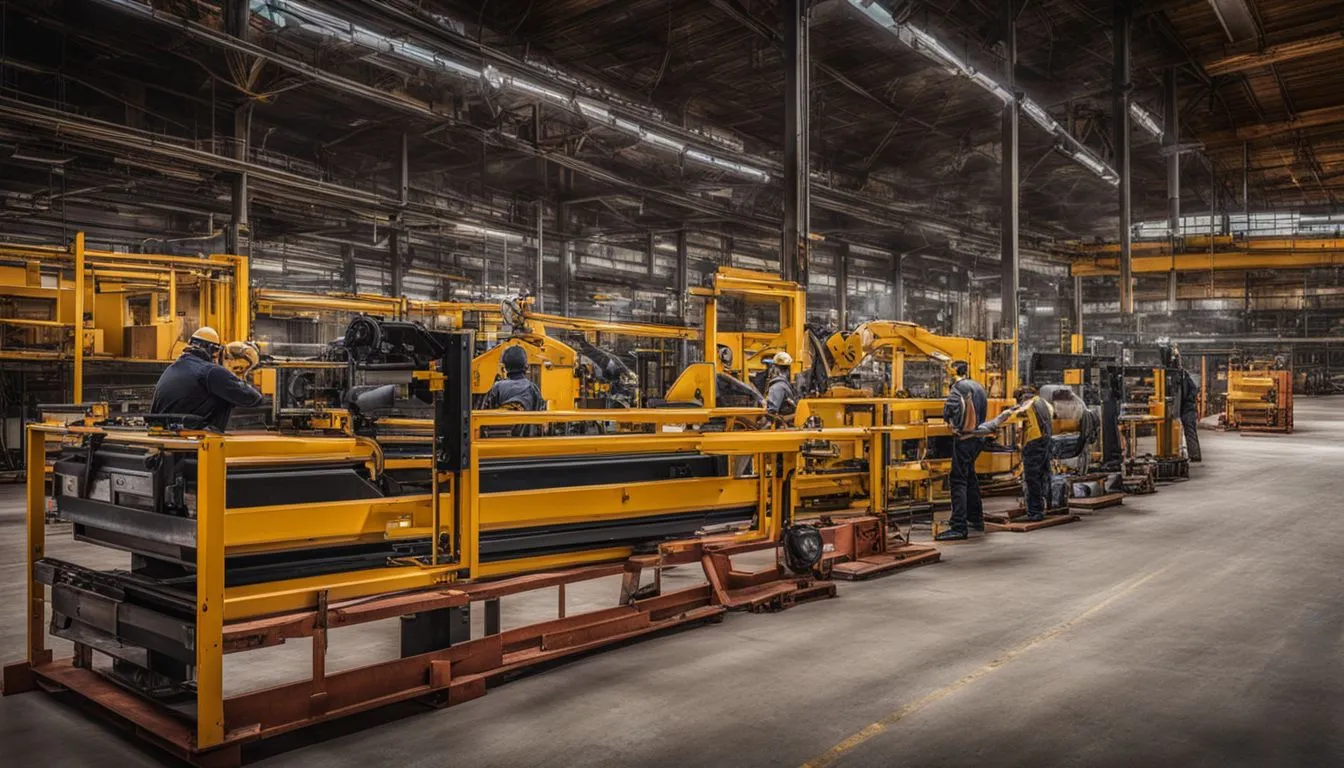
Safety barriers are essential tools in industrial safety, serving as critical components for hazard prevention and workplace accident mitigation. They function by providing physical separation between people and potential dangers, effectively reducing the risk of injuries or accidents within a facility.
We place these barriers strategically around hazardous areas, machinery, and high-traffic zones to not only protect personnel but also to safeguard equipment from damage.
We use various types of safety barriers including isolators, safety bollards, and gates tailored to meet specific needs within an industrial setting. Their primary role is to enhance occupational safety by enforcing safe distances between operations and workers or visitors.
By integrating these barrier systems into our overall safety management practices, we ensure a safer work environment that adheres to established safety protocols and regulations. This commitment helps us manage risks more effectively while promoting a culture of safety awareness throughout our operations.
Classification of safety barriers
We understand the critical role that safety barriers play in maintaining industrial safety and preventing workplace accidents. They serve as vital components within our safety management systems, designed to offer protection against hazards and ensure a secure environment for both businessowners and homeowners. Here’s how we classify these essential barriers:
- Physical Barriers: These include fences, walls, bollards, and guardrails. They physically prevent access to dangerous areas or equipment, acting as a solid line of defence against potential intrusions or accidents.
- Psychological Barriers: Markings on the floor or signage that warn people of potential dangers fall into this category. Although they don’t physically stop someone from entering a hazardous area, they play a crucial role in hazard prevention by making individuals aware of risks.
- Energy Absorbing Barriers: Designed to absorb the energy from impacts, these barriers are essential in areas where machinery or vehicles operate. They can significantly mitigate the effects of an accident by reducing the force transferred to workers or equipment.
- Flexible Barriers: Made from materials that can withstand impacts without breaking, flexible barriers bounce back into shape after absorbing shocks. Ideal for high-traffic areas where rigid barriers might pose additional risks upon collision.
- Noise Barriers: In environments where noise is a hazard, these barriers help protect employees’ hearing by absorbing or blocking harmful sound levels. This classification not only contributes to safer work conditions but also improves overall workplace quality.
- Isolation Barriers: These are used to isolate hazardous energies including electrical, mechanical, and chemical hazards before maintenance or repair work begins, ensuring worker safety during potentially dangerous operations.
- Decorative Barriers: While primarily serving an aesthetic function, decorative barriers also demarcate safe zones from potentially unsafe ones without compromising on design aspects important for some businesses and homes.
Our approach incorporates these diverse types of safety barriers into comprehensive barrier systems tailored to meet specific industrial and residential needs while complying with safety standards and regulations. This methodical classification helps us address various forms of risk management effectively.
Performance criteria for safety barriers
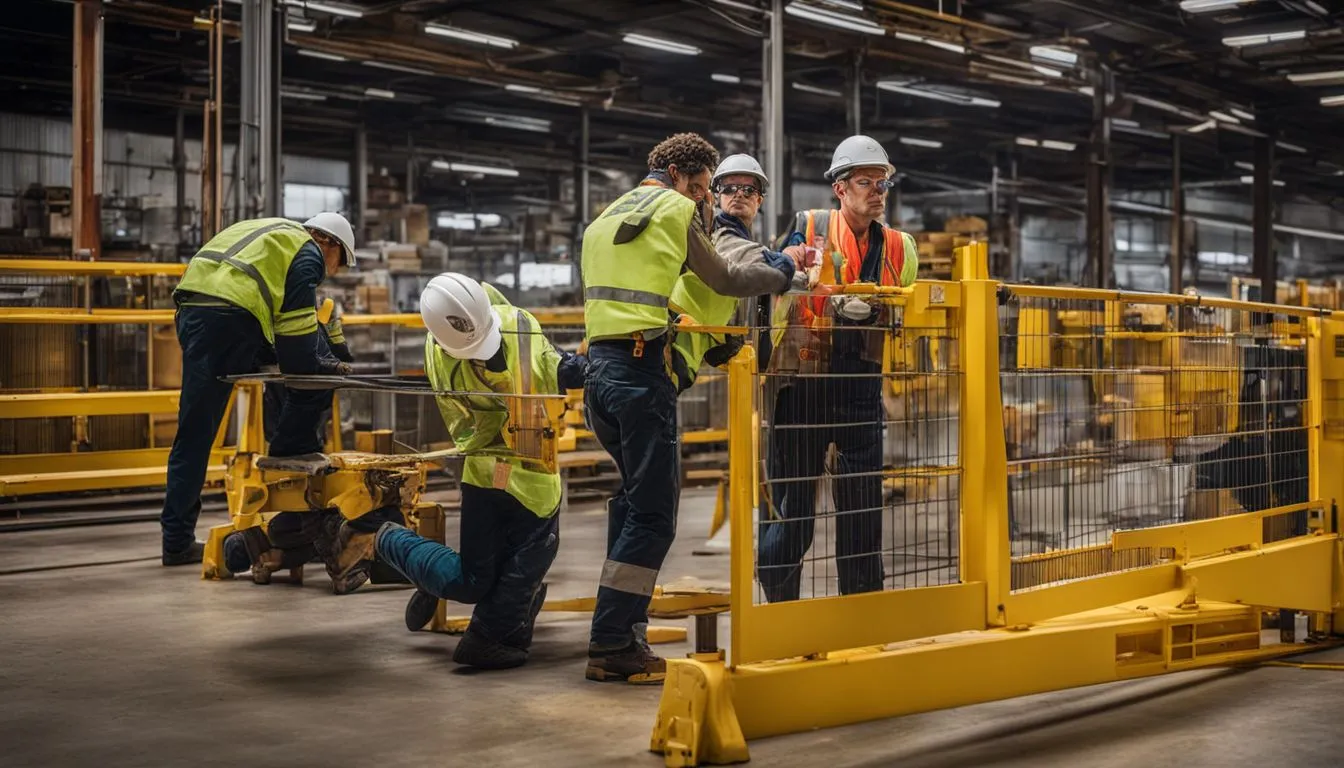
We always prioritise setting the highest standards for our safety barriers. This ensures not just compliance with safety protocols but also fosters a safer environment for both businessowners and homeowners. Here’s how we define the performance criteria for our safety barriers:
- Strength and Durability
Our barriers boast industrial strength, capable of withstanding high impacts. This means they remain intact and functional even under extreme conditions, safeguarding your facility against accidents.
- Compatibility with Safety Systems
Integration is key; our barriers work seamlessly with existing safety management systems. This compatibility enhances overall risk management strategies within your premises.
- Flexibility in Application
Versatility matters. Our products fit various settings, from manufacturing floors to residential spaces, providing reliable hazard prevention across the board.
- Ease of Installation
Setting up our barricades is straightforward. We ensure that installing them does not require extensive modifications to your space, making it easier to uphold safety measures.
- Visibility and Signage Compatibility
High visibility is essential for effective hazard prevention. Our barriers are designed to be noticeable and support clear signage, guiding occupants safely around potential dangers.
- Maintenance Requirements
Low upkeep is a promise we keep. Our safety bollards and gates are built to last without needing constant maintenance, ensuring long-term reliability without additional costs.
- Compliance with Safety Standards
Adhering to internationally respected safety standards is at the core of what we do. Our products meet rigorous criteria for workplace safety equipment, ensuring legal compliance and peace of mind.
- Customisation Options
Every space has unique needs, which is why we offer customisable solutions tailored to specific requirements of industrial and residential environments for optimal accident mitigation.
- Environmental Resistance
Durability extends beyond physical impacts; our barriers are resistant to environmental factors like corrosion, extreme temperatures, and UV exposure, ensuring they perform well over time.
- Cost – effectiveness
Investing in high-quality barriers pays off by reducing workplace accidents and enhancing occupational safety efficiently, making them a cost-effective choice for risk management tools.
Innovations in Safety Barrier Technology
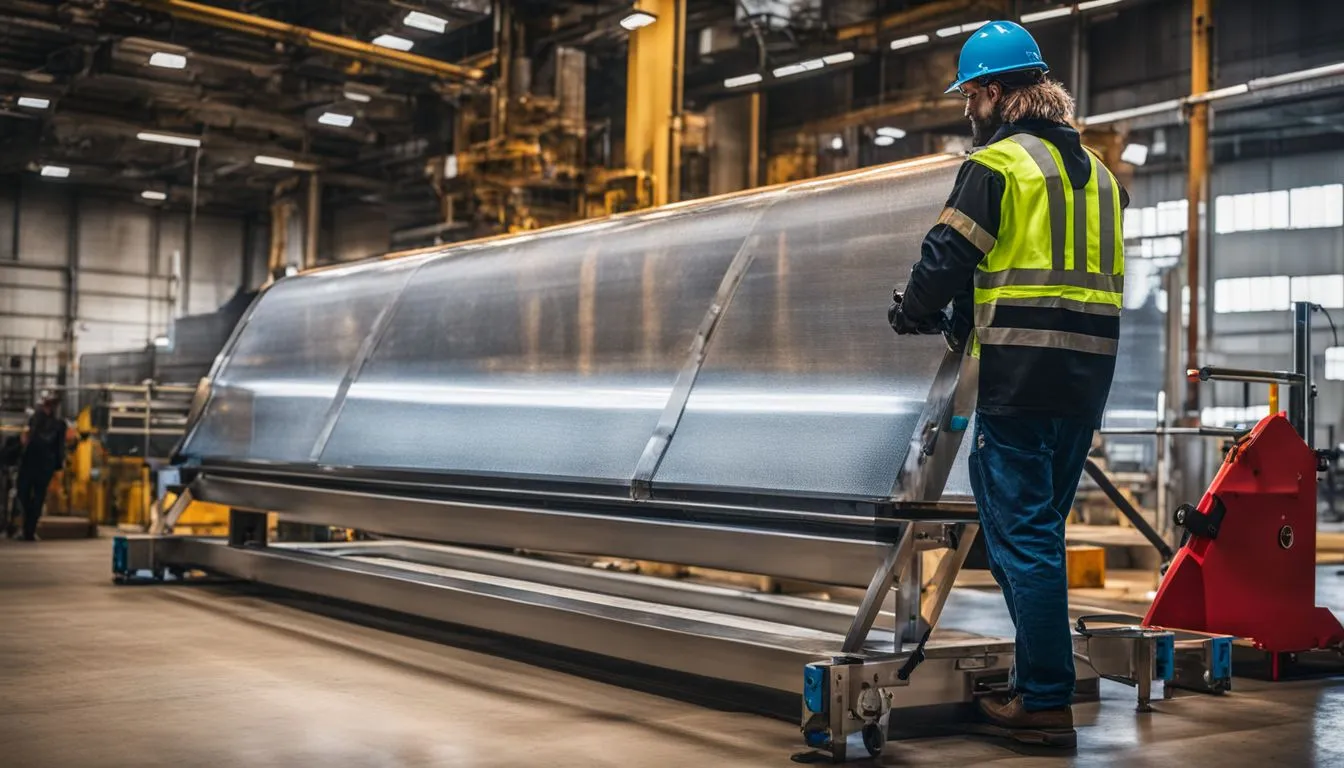
Innovations in safety barrier technology drive progress and reliability in industrial safety. Cutting-edge materials and designs improve performance, integrate with safety management systems, and leverage technology for enhanced effectiveness.
Advanced materials and design
We use advanced materials and innovative designs to push the boundaries of industrial safety. Our focus is on creating barriers that are not only tough but also lightweight, ensuring they can withstand extreme conditions without compromising on ease of installation or maintenance.
These advancements allow for improved workplace safety measures, reducing the risk of accidents and enhancing overall safety protocols.
Our team constantly explores new ways to improve the durability and effectiveness of our barrier systems. By integrating cutting-edge material science with practical design principles, we develop solutions that meet the highest safety standards and cater to the specific needs of both businessowners and homeowners.
Innovation in materials and design drives us towards creating safer, more efficient workplaces.
Moving on, integration with safety management systems plays a crucial role in elevating industrial safety to new heights.
Integration with safety management systems
Safety barriers play a crucial role in our overall safety management systems. They serve as the first line of defence against workplace accidents by physically preventing unauthorised access to hazardous areas.
Our integration strategies ensure that these barriers work seamlessly with existing safety protocols, enhancing our ability to manage risks effectively.
We prioritise the compatibility of safety barriers with other risk management tools within our system. This synergy improves hazard prevention and strengthens occupational safety across various industrial settings.
By incorporating advanced barrier systems, we boost the efficacy of our safety measures and contribute significantly to workplace accident reduction.
Use of technology for improved performance
Technology plays a crucial role in enhancing the performance of safety barriers. By incorporating advanced materials and smart designs, we ensure that our barrier systems provide optimal protection for your facility.
Integrating technology into safety management systems allows for real-time monitoring and faster response to potential hazards, ultimately leading to improved risk management.
Moreover, the use of technology enables us to tailor solutions that meet specific industry standards and compliance requirements. This ensures that our barrier systems not only prevent workplace accidents but also contribute towards creating a safer work environment overall.
The Importance of Testing and Standards in Safety Barriers
Testing and standards play a crucial role in ensuring the reliability and effectiveness of safety barriers. Compliance with internationally respected standards is an essential aspect of developing robust safety barrier systems that offer optimal protection.
For further details on the importance of testing and standards in safety barriers, continue reading.
The role of testing in safety barrier development
Testing plays a crucial role in the development of safety barriers, ensuring that they meet stringent performance criteria and provide reliable protection. Through rigorous testing, we can verify the strength, durability, and impact resistance of safety barriers to mitigate workplace accidents and enhance risk management.
International standards compliance further reinforces the quality and reliability of these barrier systems, providing peace of mind for business owners and homeowners alike.
Thorough testing not only validates the effectiveness of safety barriers but also instils confidence in their ability to prevent hazards effectively. By adhering to established testing protocols, we uphold our commitment to delivering top-notch industrial safety solutions that prioritise occupational safety while meeting regulatory requirements.
The importance of internationally respected standards and compliance
Transitioning from the role of testing in safety barrier development, we understand the importance of internationally respected standards and compliance. Ensuring that safety barriers adhere to globally recognised standards is imperative for both business owners and homeowners.
Complying with these standards guarantees that the barrier systems are designed and constructed to meet high-quality benchmarks, providing peace of mind and assurance in their effectiveness.
In today’s ever-changing industrial landscape, adherence to international safety standards not only ensures workplace safety but also supports risk management efforts. With a focus on safety protocols and regulations, internationally respected standards set a benchmark for occupational safety across industries.
Case Study: A-SAFE’s Contribution to Industrial Safety
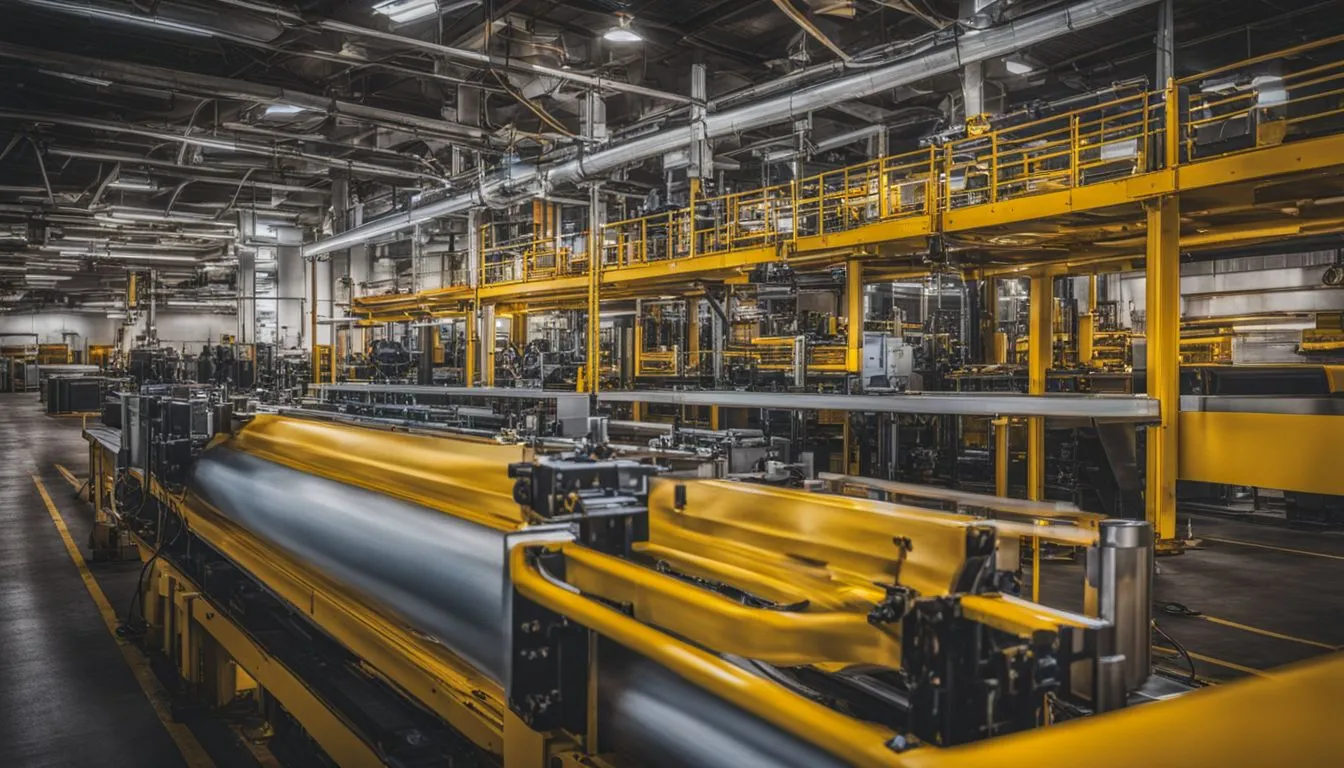
A-SAFE has significantly impacted industrial safety through its innovative barrier solutions. Their products have enhanced workplace safety and reduced workplace accidents, making them a leader in the industry.
To read more about A-SAFE’s contribution to industrial safety, delve into our article.
Overview of A-SAFE
A-SAFE offers innovative safety barrier solutions that have revolutionised industrial safety. Our cutting-edge products are designed to withstand the demands of industrial environments, providing robust protection against workplace hazards and accidents.
A-SAFE’s barriers are engineered using advanced materials and state-of-the-art designs, ensuring superior performance and durability. We consistently strive to enhance safety standards through our technologically advanced barrier systems, making a significant impact on global industrial safety.
A-SAFE’s safety barrier innovations
A-SAFE has revolutionised safety barriers with the following innovations:
- Integration of advanced materials such as Memaplex, a highly durable material designed for maximum impact resistance and longevity.
- Incorporation of cutting-edge technology, including intelligent sensors and LED lighting, to enhance visibility and provide real-time insights into safety barrier performance.
- Development of bespoke designs tailored to specific industry needs, ensuring optimal protection against workplace hazards.
- Deployment of advanced manufacturing techniques to create robust and adaptable barrier systems that meet the ever-evolving demands of industrial safety.
- Implementation of a comprehensive suite of safety solutions, not only offering physical protection but also enhancing overall risk management within the facility.
- Introduction of safety barriers that comply with international standards and regulations, providing business owners and homeowners with peace of mind regarding safety protocols in their respective environments.
The impact of A-SAFE’s products on global industrial safety
A-SAFE’s innovative safety barriers have revolutionised industrial safety worldwide. Their cutting-edge products have significantly enhanced workplace safety, reducing accidents and enhancing risk management for industries around the globe.
A-SAFE’s impact on global industrial safety is undeniable as their robust barrier systems provide reliable hazard prevention solutions. The use of A-SAFE’s industrial strength barriers not only mitigates workplace accidents but also ensures compliance with international safety standards and protocols, making them a crucial choice for business owners and homeowners alike seeking effective safety measures.
Moving forward to the “Future Trends in Safety Barriers”, let’s explore how the industry is responding to challenges from Industry 4.0 and intelligence.
Future Trends in Safety Barriers
The future trends in safety barriers respond to challenges from Industry 4.0 and intelligence, enhance barrier management through resilience theory, and integrate safety barriers within the framework of “Risk Capacity.” The potential of resilience theory to enhance barrier management is an exciting development that underpins the ever-evolving realm of industrial safety.
Response to challenges from Industry 4.0 and intelligence
In response to challenges from Industry 4.0 and intelligence, businesses are adapting their safety barriers to integrate with advanced technologies. We acknowledge the need for barrier systems that can operate autonomously and respond in real-time to dynamic industrial environments, which ensures a proactive approach to hazard prevention and risk management.
As industry demands intelligent solutions, safety barriers are being tailored to seamlessly interface with smart factory ecosystems. The integration of safety barriers with Industry 4.0 technology not only strengthens workplace safety measures but also demonstrates a commitment towards embracing innovative approaches in industrial strength barriers.
The potential of resilience theory to enhance barrier management
Resilience theory has the potential to strengthen our barrier management systems by allowing us to better anticipate and adapt to unforeseen challenges. By incorporating resilience theory into our safety strategies, we can improve our ability to withstand unexpected events and recover quickly from any disruptions.
This approach offers a proactive way to enhance the overall effectiveness of our barrier systems, ensuring that they remain robust in the face of evolving risks and hazards.
As we consider how resilience theory can elevate our barrier management, it becomes clear that this forward-thinking approach aligns with industry best practices for ensuring sustainable safety solutions.
Embracing resilience theory will empower us to fortify our barrier systems against a wide range of threats, thus safeguarding both people and assets within our operational environments.
The role of safety barriers within the framework of “Risk Capacity”
Safety barriers play a critical role in enhancing “Risk Capacity” within industrial and commercial settings. By providing a physical separation between potential hazards and people or assets, safety barriers effectively reduce the risk of accidents and injuries.
This serves to bolster the overall risk management strategy of a facility, contributing directly to improved workplace safety conditions. With their ability to mitigate workplace accidents, safety barriers are instrumental in fortifying risk capacity by offering an additional layer of protection for individuals and equipment.
Furthermore, safety barriers act as proactive hazard prevention measures by creating clear demarcation lines within work environments. Their presence not only helps deter unauthorised access but also guides the safe movement of personnel and vehicular traffic, thereby minimising the likelihood of workplace incidents.
The Impact of Safety Barriers on Industrial Safety
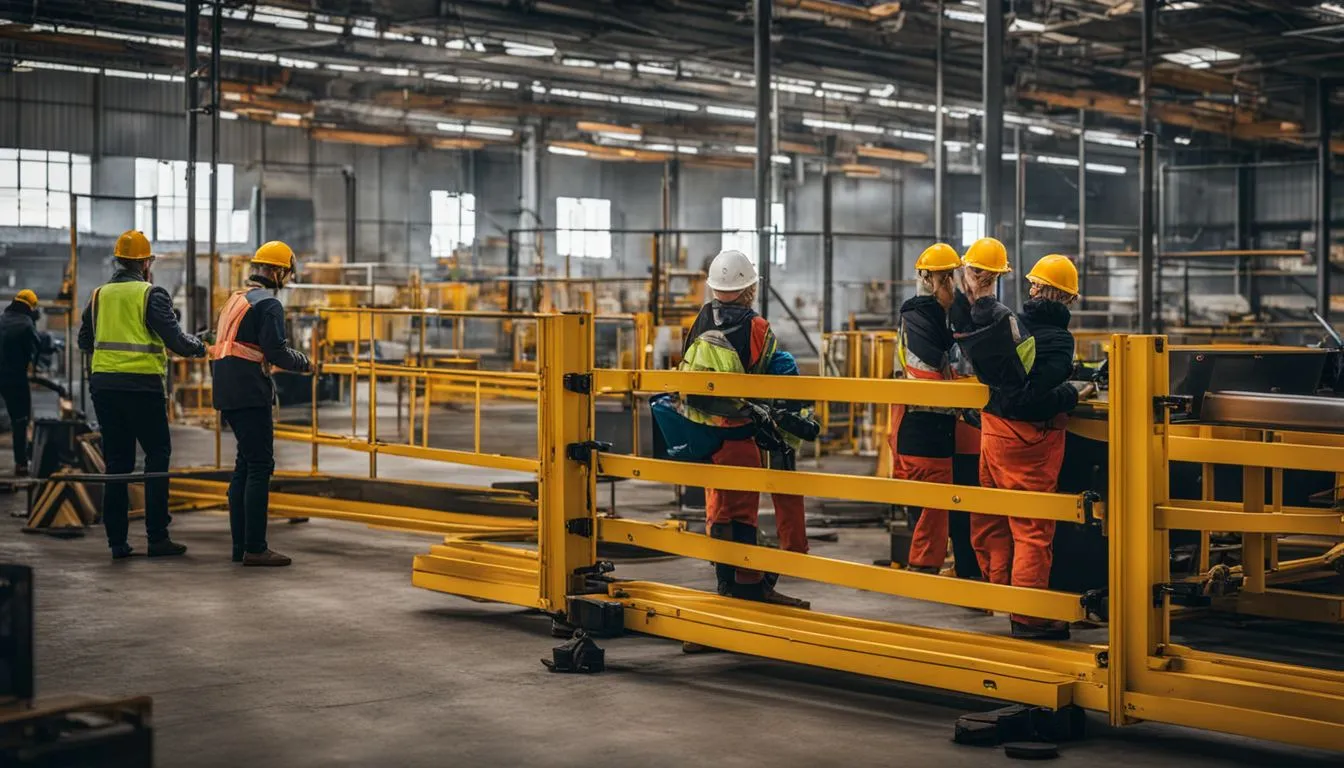
Safety barriers have significantly improved industrial safety conditions, reducing workplace accidents and enhancing risk management. They have proven to be essential in creating a safer environment for workers and preventing hazards within industrial settings.
Improved safety conditions
– To ensure improved safety conditions, it is crucial to invest in robust safety barriers and systems. These measures help mitigate workplace accidents and enhance risk management within your facility.
Prioritising workplace safety not only protects employees but also aligns with occupational safety regulations and protocols.
– Investing in advanced safety barriers ensures enhanced risk management for business owners and homeowners alike. The use of barrier systems contributes to overall workplace accident prevention by providing effective hazard prevention measures.
Ensuring a safe work environment not only reduces the likelihood of accidents but also underpins a commitment towards employee well-being. It’s essential to recognise the impact of these measures on industrial safety as we continue exploring innovative solutions within this realm.
Reduction in workplace accidents
Improved safety conditions directly contribute to the reduction in workplace accidents, ensuring a safer environment for all. Enhanced risk management tools such as industrial barriers and safety systems play a crucial role in preventing workplace accidents.
Employing resilient barrier systems and safety protocols can mitigate potential hazards, effectively reducing the occurrence of workplace accidents and promoting overall occupational safety.
The implementation of robust safety measures not only safeguards employees but also enhances the resilience of workplaces, fostering a secure and productive work environment. By prioritising workplace safety through advanced barrier systems and hazard prevention strategies, business owners can significantly minimise the risk of workplace accidents, demonstrating their commitment to occupational safety standards and regulations.
Enhanced risk management
Enhanced risk management is crucial for optimal workplace safety. Implementing robust safety barriers at your facility can significantly reduce the risk of workplace accidents and improve hazard prevention.
By integrating advanced barrier systems, businesses and homeowners can effectively mitigate risks, ensuring a safer environment for all stakeholders involved.
Investing in industrial strength barriers not only reinforces safety protocols but also demonstrates a proactive approach towards risk management. By incorporating these innovative solutions into your safety systems, you are actively enhancing your overall risk management tools, thereby fortifying your facility against potential hazards and accidents.
Why Choose HD Barriers for Your Facility
When it comes to ensuring workplace safety and hazard prevention, HD Barriers are an excellent choice for your facility. Our industrial strength barriers not only enhance risk management but also provide robust protection against workplace accidents.
With our tailored barrier systems, you can rest assured that your facility is equipped with the highest standard of safety measures and protocols.
Our suite of HD Barriers is meticulously designed to enhance safety in ever-evolving workplaces. By choosing HD Barriers, you are embarking on a journey towards enhanced industrial safety, navigating complexities with ease.
Whether you’re a business owner or homeowner seeking more than just standard safety equipment, look no further than HD Barriers to unlock the secrets of top-tier occupational safety.
Conclusion
In conclusion, the evolution of safety barrier technology has significantly enhanced industrial safety. Our focus on advanced materials and design, integration with safety management systems, and use of technology for improved performance illustrates the practicality and efficiency of these strategies.
Implementing innovative safety barriers can lead to substantial improvements in workplace safety, risk management, and hazard prevention. As you seek more than just traditional solutions for your facility’s safety needs, consider exploring A-SAFE’s groundbreaking products.
The impact of safety barriers extends beyond accident mitigation; it underpins a culture of enhanced risk management that is tailored towards ever-evolving workplace safety protocols.
Diving into this realm holds the potential to unlock secrets that can revolutionise how we approach industrial strength barriers in the heart of our facilities. Let’s delve deeper into this topic and harness its potential to create safer work environments for businesses and homeowners alike!