
22 December 2025 · filed in Safety Solution
How to Choose the Right Safety Solution for Different Warehouse Zones
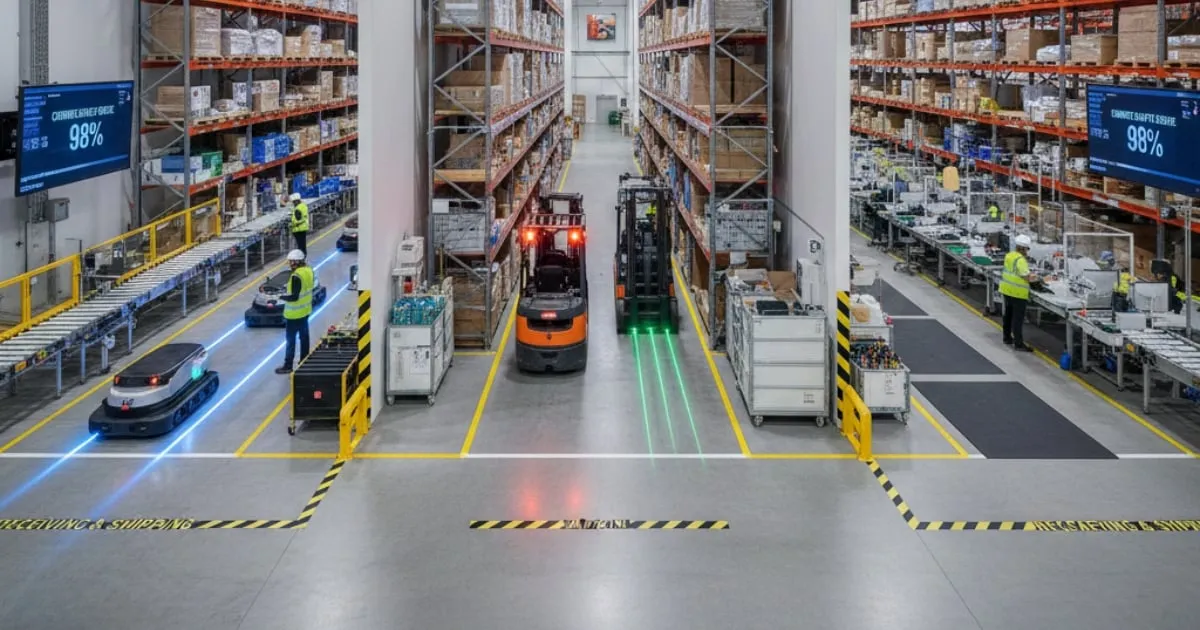
Creating a safe warehouse isn’t just about ticking compliance boxes, it’s about protecting people, equipment and the flow of everyday operations. Every warehouse has its own mix of traffic, machinery and activity, which means each zone comes with different risks. Choosing the right safety solution for every area is essential to keeping your workplace productive, efficient and injury-free. By understanding how each zone works and what type of protection it needs, you can build a safer environment that supports both your team and your workflow.
Understanding Your Warehouse Landscape
Every warehouse operates like a fast-moving ecosystem where people, vehicles and equipment interact constantly. To keep this environment safe, it’s essential to identify the different zones within your facility, such as loading docks, forklift aisles, pedestrian walkways, elevated platforms and storage areas. Each space comes with its own risks, and recognising these differences is the first step toward choosing the right safety solution.
Warehouses vary widely in layout, product flow and hazards. What works for a quiet foot-traffic lane won’t necessarily work for a busy forklift route. When you clearly define these areas, it becomes easier to create a tailor-made safety approach that prevents accidents and supports productivity.
Selecting a zone-specific solution ensures your protection measures are neither over-engineered nor under-powered. The goal is to use solutions that fit the level of risk, strong protection where machinery operates and lighter options where pedestrian movement is the norm.
Matching Solutions to Zone Requirements
Loading dock areas are some of the most dangerous places inside a warehouse. Vehicles back in, forklifts reverse, and heavy pallets move quickly. These zones benefit from heavy-duty barriers, gates that prevent roll-offs and clear separation between workers and vehicles. Heavy impacts are more likely here, so durable, reinforced systems are essential.
Forklift aisles and vehicle routes demand high-strength protection. Guardrails, impact-absorbing bollards and well-defined lanes help reduce collisions with racks, equipment and people. The right barrier can guide traffic and absorb force without breaking, protecting both operators and warehouse assets.
Pedestrian walkways require a different approach. Rather than heavy barriers, these zones call for clear visibility, distinct pathways and lighter pedestrian-rated rails. Bright colours and reflective elements help people remain aware of their surroundings, especially around blind corners and mixed-traffic areas.
Elevated platforms and mezzanines introduce height-related risks. Here, solutions like secure handrails, roll-over gates and toe boards are critical to prevent falls and dropped loads. These areas rely on a combination of visibility, structural protection and controlled access to maintain a safe working environment.
Storage and racking zones face risks from falling goods and forklift strikes. Low-profile barriers, rack end protectors and post guards help shield structural elements from damage while ensuring smooth vehicle flow. These measures prevent costly damage and extend the life of warehouse infrastructure.
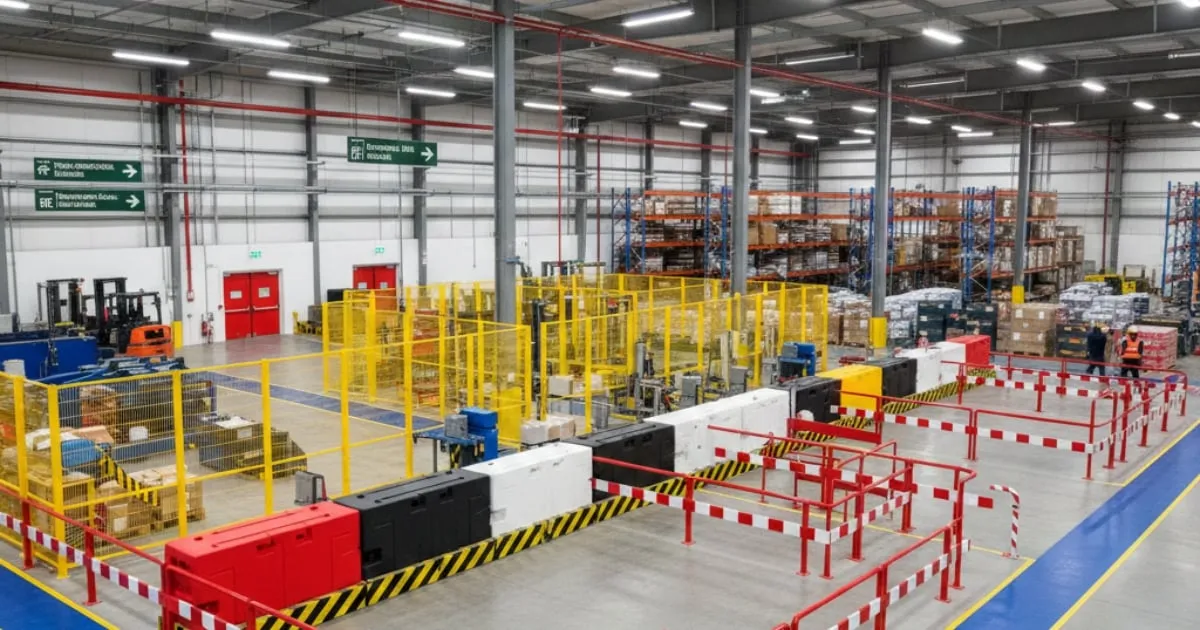
Design, Durability and Workflow Considerations
A safety solution should not only protect it should also integrate smoothly into everyday operations. Modular systems are especially useful in warehouses because they adapt as layouts and workflows evolve. This flexibility keeps safety strong even when operational demands shift.
Visibility also matters. Brightly coloured barriers, signage and mirrors improve awareness and reduce blind-spot incidents. In busy environments, the ability to see hazards early can prevent accidents before they occur.
Durability is another essential factor. Safety barriers endure constant wear from impacts, vibrations and environmental exposure. Choosing long-lasting, low-maintenance materials ensures your investment stays effective for years, even in demanding warehouse conditions.
Proper installation plays a major role in performance. A well-planned layout ensures barriers are placed where they’re most needed without interrupting movement or workflow. When barriers work with, rather than against, your operations, your warehouse becomes both safer and more efficient.
Ongoing monitoring keeps your safety measures effective. Reviewing incident reports, inspecting barriers and updating areas that show increased risk can reduce future accidents. Safety is an evolving process, not a one-time effort.
Planning for Long-Term Safety Success
Choosing the right safety solutions involves more than picking equipment, it requires understanding how your warehouse functions today and how it will grow tomorrow. As new equipment, staff, or processes are introduced, your safety systems must evolve alongside them.
Prioritising high-risk areas helps when time or budgets are limited. Start with zones where vehicle and pedestrian interactions are most frequent, then expand protection from there. Effective staging ensures you make meaningful improvements without disrupting operations.
Training is a crucial part of the process. Even the strongest barriers can only do so much if workers aren’t aware of the rules within each zone. Clear communication about traffic flow, pedestrian responsibilities and emergency procedures supports a stronger safety culture.
Success can be measured through reduced incidents, better traffic flow and higher worker confidence. The right solutions don’t just protect; they also improve warehouse morale and efficiency.
Choosing the Right Solution
The path to a safer warehouse starts with understanding your zones and choosing protective solutions designed for their specific risks. By taking a planned, thoughtful approach, you can create a workplace where people and machinery move safely together.
For businesses seeking reliable, long-lasting protection, Verge Safety Barriers offers a wide range of durable and adaptable solutions built for real-world warehouse demands. Their commitment to safety, innovation and quality makes them a trusted partner in creating safer, more efficient warehouse environments.
FAQs
Why is zone-specific safety important in a warehouse?
Different warehouse areas have different risks, so using zone-specific safety solutions ensures each space gets the right level of protection.
What safety features work best for pedestrian areas?
Clear walkways, lighter pedestrian-rated barriers, visibility mirrors and strong signage help keep foot traffic safe.
How can I improve forklift safety in busy aisles?
Use impact-resistant barriers, bollards and marked traffic lanes to guide vehicles and protect both workers and equipment.
What protection should I use for mezzanines or elevated platforms?
Secure handrails, roll-over gates and toe boards prevent falls and keep elevated work areas safe.
How often should warehouse safety barriers be reviewed?
Regular inspections and reviews, especially after layout changes or near-miss incidents, help ensure barriers stay effective.