
4 March 2026 · filed in Column Guards
How to Install Column Guards Safely in Tight Warehouse Spaces
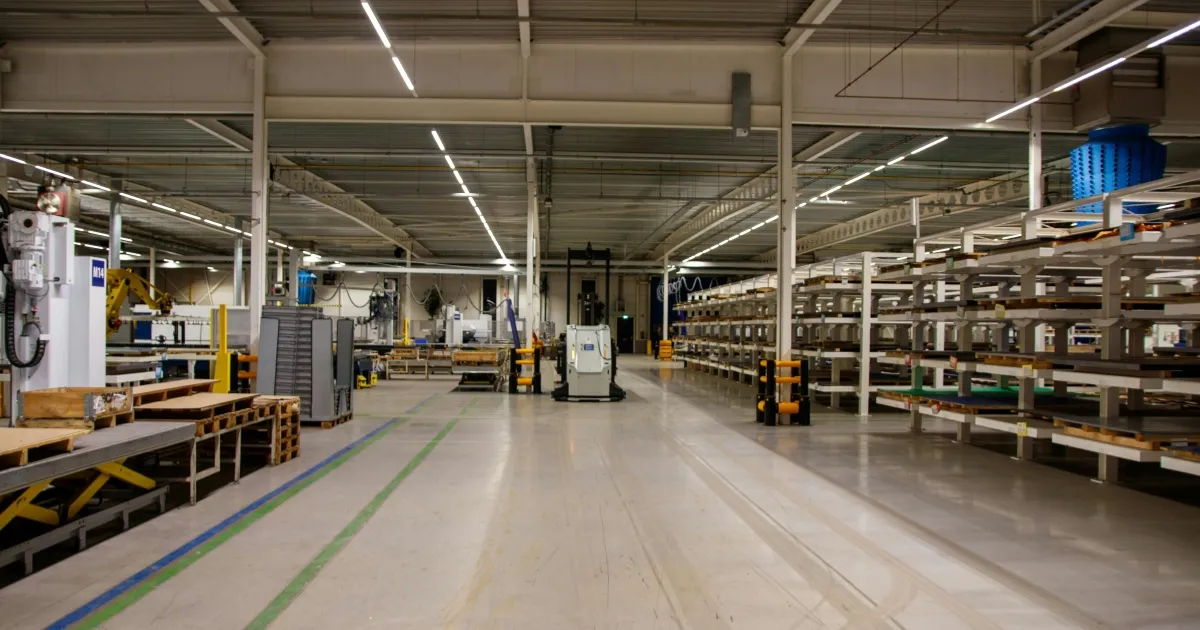
Warehouse safety is not just about ticking boxes. It is about protecting your people, your property, and your productivity. In busy industrial environments where forklifts and pallet jacks are constantly on the move, structural columns are surprisingly vulnerable.
Installing column guards correctly ensures your space stays functional and compliant without getting in the way. Here is how to handle installation when space is at a premium.
Why Column Protection Matters
Collisions with structural columns do more than just dent the steel. They threaten the building’s infrastructure and create massive safety risks for your team. Without protection, a single impact can undermine the stability of support posts and compromise entire sections of the roof.
Column guards are designed to cushion the impact from vehicles like forklifts. Whether they are made from heavy-duty steel or high-impact polymers, they absorb and redirect force, preventing expensive repairs and unplanned downtime.
Planning for Tight Spaces
When space is limited, you cannot afford to guess. Tight warehouse layouts demand a bit of extra thought before you start drilling into the slab.
- Traffic Mapping: Start with a site assessment. Where do vehicle paths intersect with structural columns? Identify these high-risk zones to prioritise where guards are needed most.
- Modular is Better: Look for modular and adaptable guards. These systems can be adjusted to fit various column shapes and sizes without needing to cut or weld on-site. This is a lifesaver when clearance is tight and you need precision placement.
Selecting the Right Solution
Choosing a guard is about more than just finding the right size. It is about performance under pressure.
- Energy Absorption: Look for guards designed to shield the column by absorbing the force, rather than just passing the shock directly into the steel.
- Visibility: High-visibility colours (like safety yellow) help drivers spot the columns in dimly lit aisles, reducing the chance of a “love tap” in the first place.
- Mounting Styles: Floor-mounted options transfer impact forces into the ground. This preserves the structural integrity of the column itself and is often the best choice for confined layouts.
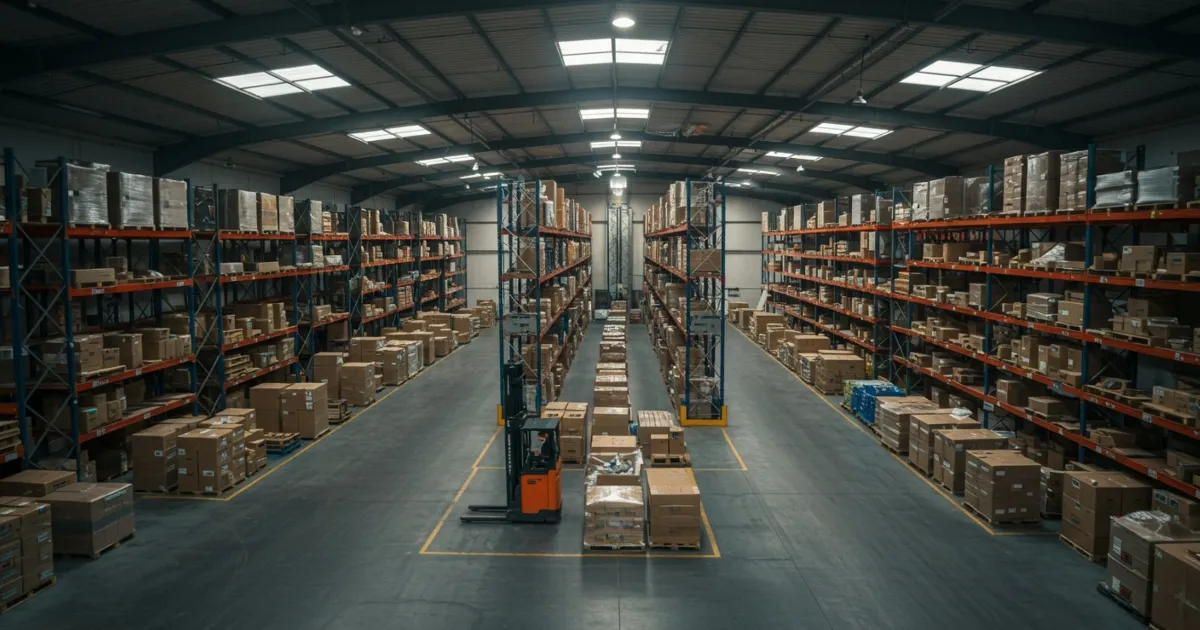
Installation Best Practices for Constrained Areas
When you are ready to install in a tight zone, follow these steps to keep things smooth:
- Clear the Area: Move all equipment and inventory. This gives you clear access and removes trip hazards.
- Mark Your Territory: Use high-visibility tape or cones as visual guides while you position the guards.
- Precision Drilling: Place your drill anchors exactly as the guide suggests.
- Torque it Right: Follow the manufacturer’s torque settings. If fixings are too loose, the guard won’t absorb impact properly. If they are too tight, you risk damaging the concrete.
Compliance and Staff Training
Installing the guards is only half the battle. Once they are in, you need to brief your team on any changes to traffic flow. Even a few extra centimetres of guard can change how a forklift driver needs to swing a corner.
Regular walkthroughs and refresher training help your team work safely around these new installations. Plus, having effective guards in place shows due diligence in risk management, which is vital if you ever face a safety audit.
Maintenance for Long-Term Performance
In a high-traffic warehouse, guards will eventually take a hit. That is what they are there for. However, you need to check them periodically for:
- Loosening anchor bolts
- Cracks or deformities in the material
- Signs of excessive wear or rust
If a guard is badly damaged, replace it immediately. A compromised guard won’t offer the same protection the next time a forklift clips it.
The Right Partner for Warehouse Safety
In tight spaces, the correct installation of column guards can significantly reduce accidents and structural damage. It is the foundation of a well-managed traffic plan.
For warehouses looking for reliable, Australian-standard protection, Verge Safety Barriers provides robust solutions designed for real-world demands. Their products focus on quality and ease of installation, helping you safeguard your assets and your people.
FAQs
What exactly is a column guard?
It is a protective barrier placed around structural columns to absorb impact and prevent damage from forklifts or other warehouse equipment.
Can guards fit irregularly sized columns?
Yes. Modular systems are very flexible and can be adapted to fit different dimensions without needing complex modifications on-site.
Do guards affect warehouse traffic flow?
If you plan your layout correctly, they should protect your columns without getting in the way of your daily operations.
Are they mandatory in Australia?
While not always a specific legal requirement for every building, they are highly recommended to meet general OHS/WHS “duty of care” obligations and reduce business risk.