
2 February 2024 · filed in Safety Update
Increasing Hospital Safety with Reliable Barrier Solutions

Keeping our hospitals safe is a concern that hits close to home for so many Australians, whether we’re walking through their doors for care or clocking in for work. It’s a bit of a shocker, but did you know around 1 in 10 patients cop some form of harm while they’re getting treated? That’s why it’s vital we put our heads together to beef up safety measures. On our blog, we’ll have a yarn about top-notch strategies and sturdy barrier solutions that can really help knock down the risks in these essential hubs. Interested in learning how to turn hospitals into strongholds of safety? Stick with us, there’s plenty more good stuff where this came from.
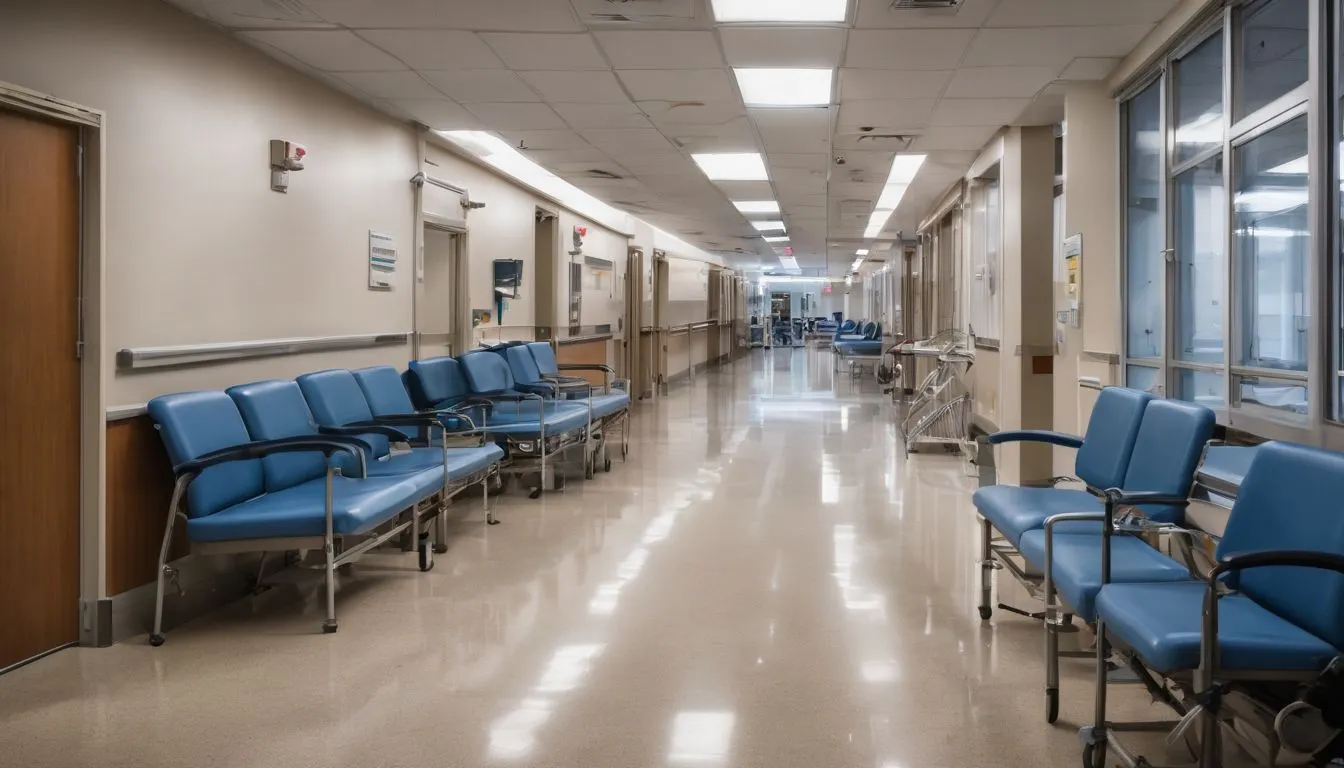
Understanding the Barriers to Patient Safety in Hospitals
In order to improve hospital safety, it’s crucial to understand the various barriers that impact patient care. From lack of awareness of errors to professional and behavioural barriers, identifying these issues is the first step towards implementing reliable barrier solutions.
Lack of awareness of errors
We often overlook the critical role that recognising mistakes plays in increasing hospital safety. Without a clear understanding of where and why errors occur, we miss valuable opportunities for improvement.
Nurses, doctors, and support staff need effective tools to identify slip-ups in real-time. This approach helps us tackle problems before they escalate into serious incidents affecting patient care.
Enhancing error awareness isn’t just about spotting what goes wrong; it’s also about developing solutions that prevent these issues from repeating. For example, implementing reliable barrier solutions can significantly reduce the risk of infection control mishaps and medication errors.
By raising our game in identifying errors early on, we set the stage for building a stronger safety culture throughout our healthcare facility, crucial for sustainable quality improvement in patient wellbeing.
Moving forward requires us to address another critical aspect: improving poor safety culture, which encompasses an array of challenges within hospital environments.
Poor safety culture
Poor safety culture within a hospital directly impacts patient care standards and healthcare facility safety. Inadequate attention to error prevention, along with insufficient staff training and development, may contribute to medical error prevention measures not being effectively implemented.
As business owners, understanding the influence of poor safety culture on healthcare risk management is crucial for ensuring sustainable barrier protection solutions that align with high-reliability theory and healthcare quality improvement.
Creating a learning environment within healthcare infrastructure can help overcome poor safety culture challenges while establishing reliable barrier solutions. By involving additional expertise and emphasising the importance of hospital security protocols, we can proactively address these issues.
Implementing such strategies supports our commitment to increasing hospital safety through effective barrier solutions that prioritise both patient well-being and organisational sustainability.
Organisational barriers
Transitioning from poor safety culture within hospitals, we now turn our attention to tackling organisational barriers. These impediments can arise from inadequate communication channels, hierarchical structures, and varying priorities among different departments.
This often leads to disconnected efforts in implementing patient safety initiatives and can hinder the seamless integration of reliable barrier solutions within healthcare facilities.
It’s crucial for hospital leaders to recognise these obstacles and work towards aligning the entire organisation towards a unified approach in prioritising patient safety.
Implementing effective medical barrier solutions requires a coordinated effort across all levels of the healthcare facility, including administrative staff, medical professionals, and support teams.
Professional and behavioural barriers
Healthcare professionals face professional and behavioural barriers that can hinder patient safety. Resistance to change, lack of teamwork, hierarchical structures, and communication issues are common challenges.
These barriers may lead to medical errors and compromise patient care. It’s essential for hospital leadership to address these obstacles by fostering a culture of open communication, collaboration, and continuous learning.
Emphasising the importance of teamwork and providing regular training on effective communication strategies can help overcome these barriers.
Furthermore, improving behavioural compliance with safety protocols is crucial for sustaining a safe healthcare environment. Encouraging adherence to infection control measures, medication safety guidelines, and incident reporting procedures is vital in mitigating risks within hospitals.
The Need for Reliable Barrier Solutions in Hospitals
High-risk industries have successfully implemented reliable safety systems, and healthcare needs to adopt similar principles to improve patient safety. To learn more about the key strategies for improving hospital safety, read on in this blog.
High-risk industries and successful safety systems
High-risk industries, such as healthcare, have successfully implemented safety systems to mitigate potential hazards. By identifying areas of high risk and implementing proactive measures, they create a safer environment for all stakeholders involved.
These successful safety systems in high-risk industries serve as valuable models for hospitals to adapt and implement their own reliable barrier solutions. Embracing the principles of these proven systems can aid hospitals in enhancing patient safety and minimising adverse events.
Incorporating best practices from successful safety systems in high-risk industries allows hospitals to learn from experienced approaches that have already been tested and refined.
Principles for designing safety systems in healthcare
Transitioning from high-risk industries to healthcare, designing safety systems involves several key principles. These include ensuring clear communication channels between staff, implementing standardised protocols across all departments, and maintaining a constant focus on patient safety.
Providing ongoing training and education for all employees in the hospital setting is also crucial to ensure that everyone understands their role in maintaining a safe environment.
Additionally, incorporating advanced technologies and regularly updating systems in response to new developments are integral parts of designing reliable safety solutions in healthcare.
To achieve sustainable safety within hospitals, it’s essential to establish a culture of continuous improvement where feedback is actively sought from all levels of staff. Identifying potential hazards proactively rather than reactively allows for timely intervention and mitigation measures.

Key Strategies for Improving Safety in Hospitals
Implementing medication safety protocols, standardising care processes, using advanced decision-making tools, and leveraging technology can significantly improve hospital safety. To learn more about these key strategies and how they can benefit your healthcare facility, read the full blog post.
Medication safety
- Utilising technology such as barcode scanning systems to verify medications and prevent errors.
- Standardising medication administration processes to minimise variations and enhance safety protocols.
- Implementing rigorous training programmes for healthcare professionals to promote understanding of medication safety protocols and best practices.
- Conducting regular audits and reviews of medication usage to identify potential areas for improvement and prevent errors.
- Engaging in interdisciplinary collaboration among healthcare teams to ensure comprehensive oversight of medication protocols and patient care.
Standardised care
Standardised care in hospitals ensures consistent and uniform treatment protocols for patients across different departments and healthcare professionals. It involves:
- Implementing evidence – based guidelines for diagnosis and treatment to ensure consistency in patient care.
- Utilising standardised care pathways to streamline patient management, reduce variation, and enhance clinical outcomes.
- Training healthcare staff on standard protocols and procedures to ensure adherence and alignment with best practices.
- Monitoring the implementation of standardised care through regular audits and quality assurance measures.
- Incorporating patient engagement and feedback to tailor standardised care pathways to individual needs and preferences.
- Collaborating with interdisciplinary teams to develop comprehensive, patient – centred standardised care plans that address diverse medical needs.
Advanced decision-making
Improving hospital safety requires advanced decision-making. This involves:
- Implementing evidence – based practices to ensure the best decisions are made for patient care and safety.
- Empowering healthcare professionals with the training and tools needed to make complex clinical decisions confidently and accurately.
- Utilising data analytics to inform and guide decision – making processes, identifying potential risks and areas for improvement.
- Establishing clear protocols and guidelines for handling critical situations, ensuring consistent and effective decision-making across all departments.
- Encouraging a collaborative approach to decision – making, involving multidisciplinary teams to benefit from diverse perspectives and expertise.
Utilising technology
To increase hospital safety, we can use technology such as:
- Integrating electronic health records to streamline patient information management and reduce errors.
- Implementing barcode technology to ensure accurate medication administration and tracking.
- Using telemedicine solutions to provide remote consultations and monitoring for patients.
- Employing IoT devices for real – time tracking of equipment, supplies, and even patients within the facility.
- Leveraging AI – driven predictive analytics to identify potential safety risks and take proactive measures.
Utilising High-Reliability Theory and Normal Accident Theory
Applying HRT and NAT to patient safety practices can help in understanding the underlying complexities of hospital incidents and developing effective preventive measures. Examples of how these theories have been successfully implemented will be discussed to highlight their practical applications in healthcare settings.
Applying HRT and NAT to patient safety practices
By using High-Reliability Theory (HRT) and Normal Accident Theory (NAT) in patient safety practices, we enhance the proactive identification of potential risks. HRT emphasises constant mindfulness, preoccupation with failure, reluctance to simplify interpretations, sensitivity to operations, and commitment to resilience – all crucial aspects for reducing errors in healthcare settings.
Furthermore, NAT helps us comprehend how accidents occur and enables us to develop robust systems that can prevent catastrophic incidents from escalating within a hospital environment.
Implementing HRT involves establishing a culture of continuous vigilance among staff members towards potential hazards and fostering an organisational commitment to resilience. On the other hand, applying NAT allows hospitals to recognise complexities in their systems by acknowledging that accidents are inevitable but providing measures to contain their effects.
Examples of HRT and NAT in action
Healthcare facilities have successfully implemented High-Reliability Theory (HRT) and Normal Accident Theory (NAT) to enhance patient safety practices. For instance, utilising HRT involves creating a culture of mindfulness and identifying potential risks proactively.
In action, this may manifest as staff engaging in regular safety briefings and conducting thorough risk assessments.
On the other hand, NAT is applied by understanding that human errors are inevitable in complex healthcare systems. An example would be the implementation of fail-safe mechanisms such as double-checking medication doses or employing automated alerts for potential adverse events.
These practical applications of HRT and NAT actively contribute to ensuring higher levels of reliability in hospital operations.
Overcoming Barriers and Implementing Reliable Barrier Solutions
When it comes to overcoming barriers and implementing reliable barrier solutions in hospitals, hospital accreditation plays a crucial role in ensuring that safety standards are met.
Additionally, the involvement of hospital leadership and creating a learning environment for staff are key factors in successfully implementing these solutions.
Importance of hospital accreditation
Hospital accreditation is crucial for ensuring the safety and quality of patient care. Accreditation programs assess healthcare facilities to ensure they meet specific standards and best practices, covering areas such as infection control, medication management, and patient safety protocols.
This process helps hospitals identify any potential risks or gaps in their operations and provides a framework for continuous improvement, ultimately leading to better outcomes for patients.
Accreditation also instils confidence in stakeholders, including patients, staff, and regulatory bodies. It demonstrates a commitment to high-quality care and compliance with industry best practices.
Moreover, accredited hospitals may be better positioned to attract partnerships with other healthcare providers or secure funding opportunities. Embracing hospital accreditation is not just about meeting regulatory requirements; it’s about prioritising patient safety while fostering trust within the broader healthcare community.
The role of hospital leadership
Hospital leadership plays a crucial role in ensuring patient safety and implementing reliable barrier solutions. Leaders set the tone for the entire organisation, establishing a culture of safety and promoting open communication.
They are responsible for creating and enforcing policies and procedures that prioritise patient well-being. Additionally, hospital leaders provide the necessary resources, support, and training to empower staff in delivering safe and high-quality care.
By championing transparency, accountability, and continuous improvement, leaders can drive sustainable changes that enhance hospital safety.
Effective hospital leadership fosters an environment where every team member feels empowered to identify potential hazards and proactively address them. Leaders encourage collaboration across different departments to ensure that all aspects of patient care are consistently safe.
A strong commitment to patient safety from hospital leadership sets the foundation for successful implementation of reliable barrier solutions throughout the healthcare facility.
Creating a learning environment
To create a learning environment, we implement ongoing training and education programs for all hospital staff. This includes regular workshops on new safety protocols and technologies to keep everyone updated.
We also encourage open communication, where staff can freely discuss near-misses or errors without fear of repercussions. Additionally, we utilise simulation training to help healthcare professionals practise handling high-risk situations in a safe setting.
Another critical aspect of creating a learning environment is the establishment of mentorship programs. Seasoned healthcare leaders can provide valuable guidance and support to newer staff members, fostering a culture of continuous improvement and knowledge sharing throughout the organisation.
Involving additional expertise
Transitioning from creating a learning environment to involving additional expertise, it becomes vital for hospitals to seek out specialised knowledge and skills in areas that may not be readily available within their current staff.
Engaging additional expertise can include collaborating with external consultants, bringing in specialists for training, or forming partnerships with other healthcare organisations to share best practices.
This step ensures that the hospital has access to the latest advancements and insights in patient safety and risk management, contributing to sustainable improvements and effective barrier solutions.
Moreover, involving additional expertise also opens up opportunities for continuous learning and development within the hospital’s workforce. By engaging experts from various fields such as high-reliability theory practitioners or healthcare facility management professionals, hospitals can foster a culture of ongoing improvement and innovation.

Conclusion
Implementing reliable barrier solutions in hospitals is crucial for ensuring patient safety. The strategies discussed, such as medication safety and utilising technology, are practical and efficient to implement. These approaches have the potential to lead to significant improvements in hospital safety. Readers may find additional resources on high-reliability theory and normal accident theory beneficial for further exploration. It is essential to take action now and strive for excellence in hospital safety practices.