
8 February 2024 · filed in Product Highlight
Industrial Safety: A Comprehensive Guide to Choosing V-gates
Navigating the world of industrial safety barriers can feel like a bit of a head-scratcher, right? Trust us, we know what it’s like to trawl through all those options out there. It’s pretty eye-opening when you learn that work-related injuries are racking up serious costs for Aussie businesses every year! So we’ve put together this deadset comprehensive guide to help you choose the best V-gates that’ll bolster your site’s safety without mucking about. You’ll find handy tips and tricks within these pages, all aimed at keeping your team safe and sound and your assets in tip-top shape. Time to kick things off with confidence, mate!
Types of Industrial Safety Barriers
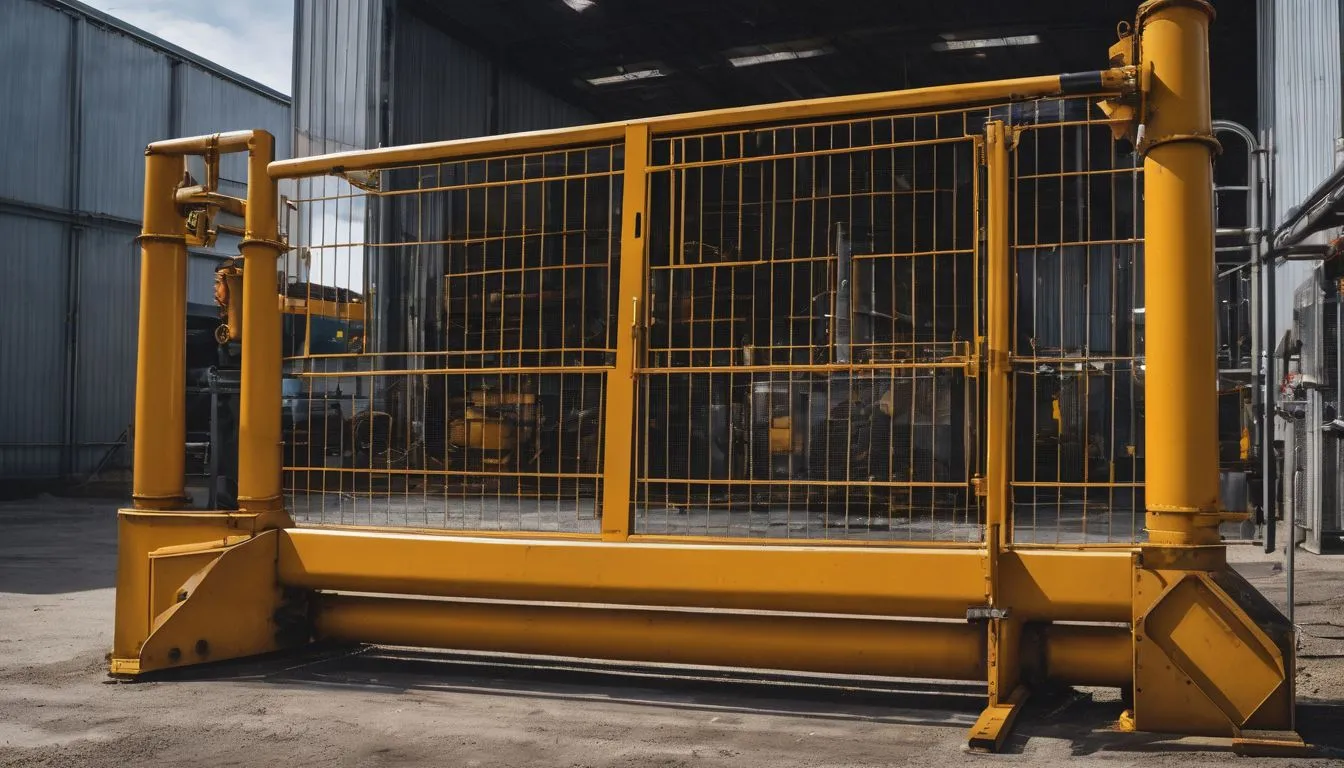
When it comes to industrial safety barriers, there are various types to choose from based on specific workplace needs. From guardrails and pipe shields to crash barriers and floor guide rails, each type serves a unique purpose in protecting personnel and equipment.
It’s important to consider the specific application of each type when choosing the right V-gate for your facility.
Industrial Guardrail
We understand that keeping our workers and equipment safe is a top priority in any industrial environment. Industrial guardrails serve as a sturdy line of defence against accidents, defining walkways, and protecting machinery from forklifts or other vehicles.
We choose high-quality materials capable of withstanding heavy impacts, ensuring they meet the necessary safety standards to prevent workplace injuries.
Our commitment extends to fitting these barriers precisely according to the layout of your factory or warehouse space. Not only does this reinforce worker safety, but it also helps maintain smooth operational flow.
As we move forward, consider how an industrial pipe shield could further enhance the security of your facility’s pipework and infrastructure.
Industrial Pipe Shield
Industrial Pipe Shield provides a crucial protective barrier around industrial pipes, safeguarding them from accidental impact and reducing the risk of potential damage. It is essential for maintaining workplace safety, preventing leaks, and protecting personnel and equipment from hazardous materials.
This sturdy shield is designed to withstand harsh environmental conditions, including exposure to chemicals and extreme weather, ensuring the longevity of the pipework.
Implementing Industrial Pipe Shields in your facility not only enhances safety but also contributes to increased productivity by minimising downtime due to pipe damage. The selection of appropriate shields should align with preventive maintenance practices for industrial equipment and comply with safety regulations.
These barriers are a vital component in creating a secure work environment for everyone in your facility.
Baseboard Barriers
Baseboard barriers are essential for protecting personnel and equipment from potential hazards. These barriers act as a shield, preventing accidental collisions with walls or machinery.
They are especially useful in high-traffic areas within a facility, such as near loading docks or around heavy machinery. By strategically placing baseboard barriers, businesses can significantly reduce the risk of workplace accidents and protect their valuable assets.
Choosing the right baseboard barrier involves considering factors such as material durability, impact resistance, and ease of installation. Additionally, it’s crucial to select barriers that complement the existing layout of the facility while providing optimal protection.
Crash Barrier
When choosing industrial safety barriers, selecting the right crash barrier is crucial for protecting personnel and equipment from collisions and accidents. A crash barrier acts as a physical restraint that prevents vehicles or heavy machinery from impacting walls, walkways, or other infrastructure within a facility.
It serves as a vital safety measure to mitigate the risk of potential hazards in high-traffic areas such as loading docks, storage facilities, or manufacturing floors. Selecting a robust and impact-resistant crash barrier can significantly enhance workplace safety while reducing the likelihood of costly damage to both property and equipment.
Moving on to “Industrial Shelf Barriers”, let’s explore how these essential components contribute to safe warehouse operations.
Industrial Shelf Barriers
When evaluating industrial safety barriers, consider the specific needs of your warehouse or facility. Industrial shelf barriers provide crucial protection for personnel and inventory by preventing accidental falls and damage from equipment or machinery.
Installing robust shelving guardrails can help maintain a safe working environment, protect valuable stock, and reduce the risk of costly accidents.
Regular inspections and maintenance procedures for industrial shelf barriers are essential to ensure their ongoing effectiveness in safeguarding your employees and assets. By prioritising these efforts, you can uphold safety standards while promoting an efficient and secure work environment within your facility.
Floor Guide Rail
The floor guide rail provides a sturdy and reliable barrier to guide traffic flow in your industrial facility. It ensures the safety of both personnel and equipment by establishing clear pathways and preventing collisions.
Installing floor guide rails can significantly reduce the risk of accidents, enhancing overall occupational safety within your warehouse or factory environment. When selecting floor guide rails, it’s important to consider factors such as durability, load-bearing capacity, and ease of installation to ensure they meet the specific needs of your operational space.
Focusing on proper maintenance and regular inspections will help ensure that your floor guide rails continue performing effectively over time. By integrating these safety features into your workplace, you demonstrate a commitment to creating a secure environment for employees while adhering to industrial safety regulations.
Environmental Factors to Consider When Choosing Industrial Safety Barriers
When choosing industrial safety barriers, it’s important to consider environmental factors such as the location of the barrier, weather conditions, and exposure to chemicals or other hazardous materials.
These factors can impact the effectiveness and durability of the safety barriers in keeping personnel and equipment protected.
Location
When choosing industrial safety barriers, the location of installation plays a crucial role. Whether it’s a warehouse, factory, logistics depot or construction site, the specific environment where the V-gates will be installed directly impacts their effectiveness.
Consider factors such as layout, traffic flow and potential hazards in each area. This ensures that the chosen V-gates are tailored to fit the specific requirements of each location to maximise safety.
Environmental factors such as exposure to chemicals and weather conditions should also be taken into account when selecting V-gates. Understanding how these elements can affect the performance and durability of industrial safety barriers is essential for ensuring optimal protection for both personnel and equipment within different work environments.
Weather conditions
Considering the location of your industrial facility, it’s imperative to assess the weather conditions in the area. Extreme temperatures, heavy rain, snowfall, and strong winds can significantly impact the performance and durability of safety barriers.
High-quality V-gates should be selected based on their ability to withstand varying weather conditions without compromising their effectiveness. It’s essential to choose robust materials that can resist corrosion from moisture or UV damage from prolonged sun exposure.
Exposure to harsh weather elements can accelerate wear and tear on safety barriers over time. Regular inspection and maintenance are crucial to ensure that V-gates remain reliable and structurally sound under all weather conditions.
Exposure to chemicals or other hazardous materials
Consider the potential exposure to chemicals or other hazardous materials when selecting industrial safety barriers. Evaluate the types of substances present in the environment and their potential impact on the barrier’s material and integrity.
It is imperative to choose safety barriers that can withstand exposure to chemicals, oils, or corrosive substances commonly found in industrial settings.
Evaluate the environmental conditions, such as temperature fluctuations and moisture levels, alongside the presence of hazardous materials. These factors play a crucial role in determining the durability and effectiveness of industrial safety barriers.
Advantages of Using Industrial Safety Barriers
Enjoy improved safety, protection for personnel and equipment, and increased productivity with the right industrial safety barriers. Read on to discover more benefits of using V-gates in your business.
Improved safety
Enhance safety protocols and prevent industrial accidents by installing V-gates in your workplace. Protect personnel, machinery, and equipment from potential hazards with these robust barriers.
Boost productivity and create a secure working environment, reducing the risk of occupational health issues. With V-gates in place, you can establish preventive maintenance for industrial equipment while adhering to safety guidelines.
Selecting the right V-gate type based on your specific requirements is crucial for maximising safety measures throughout your facility. Ensure that all entry points are safeguarded with durable safety gates to mitigate any potential risks.
Protects personnel and equipment
Industrial safety barriers protect personnel and equipment in industrial settings. Installing these barriers can prevent accidents by creating a physical barrier between workers and potentially hazardous machinery or materials.
They also safeguard equipment from damage caused by collisions or accidental impacts, thereby reducing the risk of costly repairs and downtime.
The use of industrial safety barriers is crucial for maintaining a safe work environment and protecting both employees and valuable assets. By implementing these protective measures, businesses demonstrate their commitment to prioritising safety while also mitigating the potential for workplace incidents.
Increased productivity
Protecting personnel and equipment through the use of proper industrial safety barriers not only ensures a secure working environment but also paves the way for increased productivity.
By preventing accidents and damage to machinery, businesses can maintain seamless operations without disruptions. This leads to enhanced efficiency in daily tasks, ultimately contributing to higher output and improved overall performance.
Implementing reliable V-gates and other safety measures not only safeguards workers and assets but also plays a crucial role in streamlining processes within the workplace. By creating a safe and well-organised environment, businesses can foster employee confidence, reduce downtime from incidents, and maximise their operational potential.
Installation Best Practices for Industrial Safety Barriers
When installing industrial safety barriers, it is crucial to follow the manufacturer’s guidelines to ensure proper installation. Properly aligning pipework, selecting appropriate gaskets and bolts, and thorough testing of the barrier are all essential best practices for ensuring the effectiveness of your industrial safety barriers.
Follow manufacturer’s guidelines
When installing industrial safety barriers, it is crucial to follow the manufacturer’s guidelines meticulously. This ensures that the barriers are installed correctly and will function as intended in the event of an accident or collision.
By adhering to the guidelines provided by the manufacturer, business owners can guarantee that their investment in safety equipment will provide maximum protection for their personnel and equipment.
Installing V-gates according to the manufacturer’s specifications also helps prevent potential liability issues and ensures compliance with industry regulations. Following these guidelines promotes a safe work environment and demonstrates a commitment to prioritising employee welfare.
Properly align pipework
To ensure the effectiveness and safety of industrial safety barriers, it is crucial to properly align pipework. This involves ensuring that the pipework is correctly positioned and securely fixed in place according to the manufacturer’s guidelines.
Proper alignment helps maintain structural integrity and stability, preventing potential accidents or damage to personnel and equipment. It also ensures that the barrier functions as intended, providing reliable protection in high-risk areas such as warehouses, construction sites, or distribution centres.
Correctly aligned pipework contributes to the overall robustness of safety barriers while optimising their performance over time. Additionally, it minimises maintenance requirements and prolongs the lifespan of the barriers.
Select gaskets and bolts appropriately
When selecting gaskets and bolts for industrial safety barriers, consider the material compatibility, resistance to corrosion, and the ability to withstand environmental conditions.
Ensure that the gaskets are made from durable materials such as rubber or silicone that can effectively seal potential leak points in the barrier system. Additionally, choose bolts made from stainless steel or other corrosion-resistant materials to maintain the structural integrity of the barriers over time.
Regularly inspect and replace worn-out gaskets and bolts to ensure optimal performance and longevity of the industrial safety barriers.
Test the barrier
To ensure the effectiveness of the industrial safety barrier, conduct a thorough test after installation. Perform a visual inspection to check for any visible damage or misalignment.
Use appropriate tools to verify the structural integrity and stability of the barrier. Apply pressure to different points along the barrier to assess its resistance and durability.
Finally, simulate potential impact scenarios to confirm that the barrier can withstand forceful contact.
Conclusion
We have explored a comprehensive guide to choosing V-gates for industrial safety. These strategies are practical and easy to implement, offering efficient ways of improving safety in various industrial settings. How do you plan to apply these tips within your own business operations? By prioritising industrial safety barriers, businesses can significantly improve workplace safety and prevent accidents. Consider exploring additional resources or seeking professional guidance to further enhance your understanding of industrial safety measures. Let’s take action together towards creating safer and more secure work environments for everyone involved.