
23 December 2023 · filed in Safety Barriers Sydney
Industrial Safety Barriers: Making The Investment Count
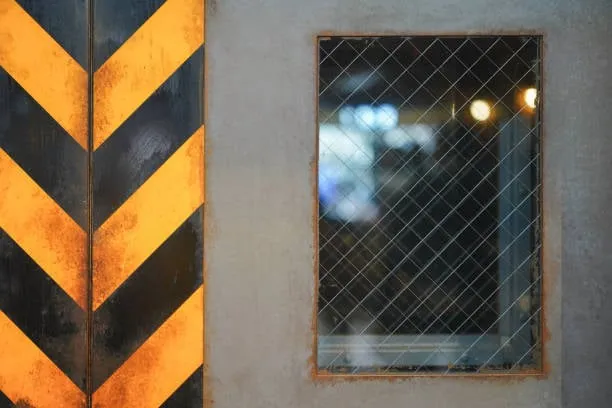
Industrial safety barriers are like invisible superheroes in the workplace. They jump into action to protect people, buildings, and all the stuff we keep in stores from harm. These barriers come in all shapes and sizes, some you can touch, like walls and railings, others guide us with rules or even use nature’s own tricks to keep us safe. We know that keeping our team members and equipment undamaged is top-notch important. It sure makes sense when you think about it; nobody wants accidents happening on their watch! And guess what? Folks sometimes get it wrong thinking these hero barriers cost too much, but they’re spot on for saving lives and stopping injuries before they happen.
Our world is changing fast, roads are busier than ever, factories buzz along day and night, and public places welcome huge crowds. That means we’ve got to have solid plans for our barrier buddies: making sure they stand out brightly so everyone sees them, building them tough enough to take a hit if needed, and smart enough to change as our workplaces grow. Now here’s something else – those concrete blocks you see lining motorways don’t just sit there looking pretty; mixed with old tyres they become super strong cushions that can soak up a crash impact pretty well.
This clever mix not only helps keep drivers safer but also takes care of the planet by recycling what might otherwise be waste. Talking techy now, imagine a future where barriers could chat with your car or lorry! Innovations like smart systems are set to shake things up further down the road while looking after Mother Earth using greener materials without sacrificing strength or style. Rolling out safety has its perks too; fleet vehicles roaming around won’t need as many plasters because they’re less likely hitting stuff, talk about cutting costs! Stay tuned because there’s a lot more ground-breaking info coming right up that’ll help every business owner understand why taking cover behind industrial safety barriers is one wise move, saving both pounds and distress! Let’s build a wall of knowledge together.
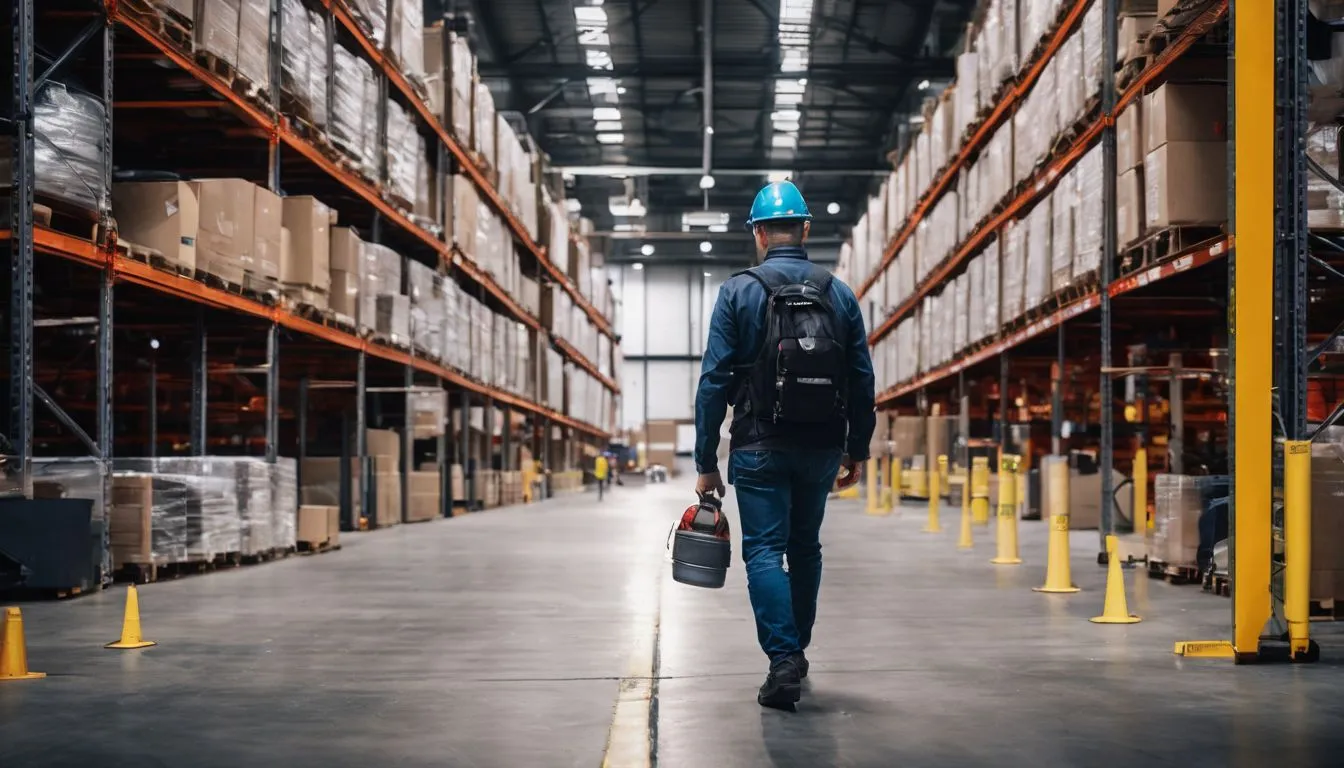
Importance of Industrial Safety Barriers
Industrial safety barriers are a crucial investment for businesses, providing protection for people, facilities, and the bottom line. With different types of barriers available – including columns, racking, walls and more – it’s essential to test products risk-free at your distribution centre before implementation.
Protection for people, facilities, and bottom line
We know that our workers are the backbone of our operations, and their safety transcends all else. By investing in industrial strength barriers, we’re taking a proactive stance against workplace accidents.
These protective measures not only safeguard our team from hazards but also shield vital infrastructure from damage. They act as a physical reminder to adhere to safety protocols, significantly minimising the risk of injury on-site.
Our facilities stand as testament to the value we place on durability and efficiency. When these premises remain intact, free from interruptions due to unforeseen accidents or damages, productivity soars.
Let’s talk numbers: robust safety barriers reduce costs associated with workplace injuries prevention and equipment repairs, this is non-negotiable for ensuring a healthy bottom line.
It’s clear that when we put health and protection first, financial benefits naturally follow suit.
Different types of barriers (columns, racking, walls, etc.)
Industrial safety barriers come in various forms to ensure the protection of people, facilities, and assets. Here are the different types of barriers commonly used in industrial settings:
- Columns: These are installed to safeguard structural columns, machinery, and equipment from accidental impacts, reducing the risk of damage and workplace hazards.
- Racking barriers: Designed to protect warehouse racking systems from forklift collisions or other potential impacts, preventing costly damage and ensuring smooth operations.
- Walls: Industrial safety walls provide a sturdy barrier between workers and potential risks, creating a secure environment and minimising the likelihood of accidents.
- Bollards: These vertical posts serve as physical barriers around work areas or traffic zones, providing protection against vehicular impact and enhancing workplace safety measures.
- Guardrails: Installed along walkways, machinery areas, or elevated platforms to prevent falls, guardrails offer essential protection for employees working at height.
- Flexible barriers: Constructed using materials that absorb impact energy, flexible barriers effectively reduce the force of impact in case of collisions and help mitigate potential injuries.
- Safety nets: Employed as non-physical barriers in construction environments to safeguard workers from falling objects or accidental falls from heights.
- Vehicle barriers: Installed in industrial yards or construction sites to create a safe environment by separating pedestrian walkways from vehicle traffic flow.
Test products risk-free at your distribution centre
When considering the different types of barriers, such as columns, racking, and walls for your distribution centre, it’s imperative to test products risk-free. This allows you to ensure that the safety barriers meet high standards in terms of durability and strength.
By conducting tests at your distribution centre, you can gauge the effectiveness of these safety measures in real-world scenarios and make informed decisions about their implementation.
Investing in industrial safety barriers is a life-saving decision that prioritises workplace safety and protects both employees and facilities. With the opportunity to test products risk-free at your distribution centre, you can confidently select the most suitable safety barriers that offer optimal protection for people and infrastructure within your business environment.
Types of Industrial Safety Barriers
From physical barriers like concrete walls and bollards to non-physical barriers such as warning signs and designated walkways, there are various types of safety barriers designed to protect people and property in different environments.
Each type serves a specific purpose and can be tailored to meet the unique needs of your business or facility. So, let’s delve into the specifics of each type for a better understanding.
Physical barriers
Physical barriers are crucial for creating a safe workplace environment. These barriers can be in the form of guardrails, fencing, or bollards to prevent access to hazardous areas and protect workers from potential injury.
Investing in robust physical barriers can help reduce workplace accidents and ensure compliance with safety regulations. For instance, concrete barriers have been proven effective in reducing the force of impact on roadways, ultimately lowering the risk of injury during accidents.
By implementing these physical barriers, business owners can prioritise the safety and well-being of their employees while also safeguarding valuable equipment and infrastructure.
Additionally, installing highly visible physical barriers can serve as a visual reminder for workers to stay alert and mindful of potential hazards within their working environment.
Non-physical barriers
When considering workplace safety, non-physical barriers play a crucial role in hazard prevention and risk management. These types of barriers are not tangible structures like walls or bollards but are equally important for maintaining a safe work environment.
Examples of non-physical barriers include warning signs, training programmes, regular safety inspections, and clear communication about potential hazards. By implementing these measures, businesses can effectively prevent workplace accidents and ensure the well-being of their employees.
In addition to physical barriers, non-physical barriers such as comprehensive safety training and clear communication about potential hazards are essential for maintaining workplace safety.
Natural barriers
After considering non-physical barriers, it is important to acknowledge the role of natural barriers in workplace safety. Natural barriers, such as trees and hedges, can serve as an effective means of protection by acting as a shield against potential hazards or dangers.
They can be strategically placed to help prevent unauthorised access to certain areas while also providing a visually appealing addition to the surroundings. Using natural features like bushes and shrubs helps create a more organic and aesthetically pleasing environment without compromising on safety.
Furthermore, incorporating natural barriers into the workplace landscape can contribute to creating a pleasant work environment for employees. Not only do they offer protection and security, but they also enhance the overall visual appeal of the space.
Design Principles for Effective Barriers
We prioritise visibility, durability and strength, and flexibility in our barrier designs to ensure the utmost safety for your people and facilities. Read on to discover how these principles can make a significant impact on workplace safety.
Visibility
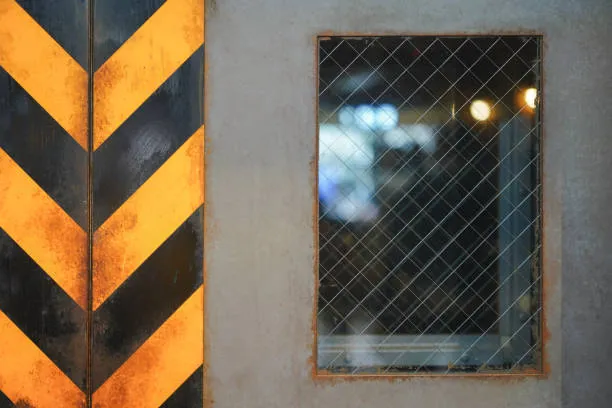
When designing industrial safety barriers, prioritising visibility is crucial. Bright colours and clear markings improve identification and awareness, reducing the risk of accidents.
Research shows that highly visible barriers effectively guide traffic flow and prevent collisions in busy warehouse environments. Implementing this simple measure significantly enhances workplace safety.
Clear signage also plays a vital role in ensuring the visibility of safety barriers. Identifying potential hazards and guiding vehicle movement through well-placed signs reduces the likelihood of accidents occurring.
Safety bollards and barriers complemented by prominent warning labels and reflective strips provide an extra layer of protection for workers, equipment, and facilities. Taking these factors into account ensures optimal workplace safety.
Durability and strength
Industrial safety barriers are designed with durability and strength in mind, ensuring long-lasting protection for both people and facilities. These barriers are built to withstand impact and wear, providing a reliable line of defence against workplace hazards.
Made from robust materials such as steel and impact-resistant polymers, these safety barriers offer exceptional resilience against potential collisions or mishaps, safeguarding workers and assets alike.
Their sturdy construction reinforces workplace safety regulations while offering peace of mind to business owners seeking to mitigate risks in their operational environments.
Investing in industrial safety barriers not only enhances the overall workplace protection but also signifies a commitment to prioritising employee well-being and facility preservation.
Moreover, the enduring strength of these protective systems can lead to significant cost savings over time by preventing accidents, injuries, and damage that could otherwise result from unforeseen incidents.
Flexibility and adaptability
Transitioning from the design principles of durability and strength, it is vital to recognise the significance of flexibility and adaptability in industrial safety barriers. Flexibility allows barriers to absorb impact, reducing damage and mitigating risk.
Meanwhile, adaptability ensures that these structures can accommodate various workplace layouts and configurations without compromising safety standards. This versatility enables businesses to implement effective safety measures tailored to their specific needs, ensuring improved protection for workers, facilities, and equipment while also enhancing overall operational efficiency.
Applications of Safety Barriers in Different Environments
From roadways and highways to industrial and construction sites, safety barriers play a crucial role in protecting people and infrastructure. Whether it’s for commercial or public spaces, these barriers are essential in preventing accidents and injuries.
Roadways and highways
Road safety barriers are essential for protecting drivers, passengers, and pedestrians on roadways and highways. These flexible barrier systems help reduce the force of impact during accidents, lowering the likelihood of injuries and fatalities.
Implementing highway safety upgrades through the installation of durable road safety barriers can significantly improve road infrastructure safety, making it a worthwhile investment in preventing traffic accidents and saving lives.
When considering roadway and highway safety barriers, it’s important to prioritise flexible barrier systems made from innovative materials like high-strength polymer instead of traditional concrete or old tyres.
Investing in these modern solutions can lead to fewer workplace injury prevention incidents caused by vehicular collisions on busy roads.
Industrial and construction sites
Industrial and construction sites are high-risk areas that demand utmost safety measures. Implementing safety barriers in these environments is crucial for protecting workers, equipment, and property from potential hazards.
Flexible safety barriers can effectively mitigate the impact of accidents involving vehicular fleets, ultimately reducing damage and preventing injury to personnel. Investing in industrial safety barriers not only safeguards the workforce but also contributes to maintaining a secure work environment.
Safety barriers significantly minimise workplace injuries within industrial and construction settings. These protective measures ensure that workers are shielded from dangerous equipment and machinery while preventing accidents caused by human or environmental factors.
Commercial and public spaces
Safety barriers are vital in commercial and public spaces to protect pedestrians, vehicles, and property from potential hazards. Implementing protective barriers can prevent accidents, reduce liability risks, and create a safer environment for customers and employees.
Investing in durable safety equipment such as traffic safety barriers or workplace safety barriers is crucial to maintaining the highest standards of safety within commercial and public environments.
Effective safety measures provide peace of mind for business owners while demonstrating a commitment to customer and employee wellbeing. As companies strive to create safe spaces for their patrons, the implementation of reliable industrial safety barriers becomes indispensable.
Future of Safety Barriers
As the need for safety barriers continues to grow, we can expect to see more innovations and trends in the industry. From smart barrier systems that use technology to improve safety to environmentally friendly materials that reduce environmental impact, the future of safety barriers looks promising.
Maintenance and inspection will also play a crucial role in ensuring these barriers remain effective, while upgrades and replacements will be necessary as technology advances.
Innovations and trends (smart barrier systems, environmentally friendly materials, incorporating aesthetics)
- Smart barrier systems: These cutting-edge barriers incorporate sensors and connectivity to detect impacts, trigger alerts, and provide real-time data on barrier performance, enhancing proactive maintenance and overall safety.
- Environmentally friendly materials: The use of sustainable and recyclable materials in safety barriers not only reduces environmental impact but also ensures durability and strength, contributing to a greener and safer work environment.
- Incorporating aesthetics: Safety barriers can now seamlessly integrate with the aesthetic elements of a facility or public space, combining functionality with visual appeal while maintaining high levels of protection.
- Modular design options: The flexibility and adaptability of modular barrier systems allow for quick adjustments or reconfigurations based on evolving safety needs without compromising on effectiveness.
- Automated maintenance alerts: Advanced safety barriers are equipped with automated monitoring features to signal when maintenance or inspection is required, ensuring continuous reliability.
- Impact-resistant coatings: Innovations in protective coatings enhance the durability of safety barriers, offering increased resistance against wear-and-tear, extreme weather conditions, and chemical exposure.
- Heightened visibility features: High-visibility colours, reflective strips, and lighting enhancements improve the visibility of safety barriers in various environments, reducing the risk of collisions or accidents.
- Integrated communication systems: Some modern safety barriers include communication capabilities such as emergency call points or intercoms to provide immediate assistance during critical incidents or emergencies.
Maintenance and inspection
Transitioning from innovations and trends in safety barriers, let’s discuss the crucial aspect of maintenance and inspection. Ensuring the continued effectiveness of safety barriers is vital for workplace safety and accident prevention.
- Regular inspections of safety barriers are essential to identify any signs of wear and tear, damage, or deterioration that may compromise their functionality.
- Maintenance schedules should be established to address repairs promptly, ensuring that barriers remain in optimal condition to provide the necessary protection.
- It is important to consider environmental factors such as exposure to harsh weather conditions or corrosive substances when conducting maintenance activities.
- Training employees on proper maintenance procedures can help in early detection of potential issues with safety barriers, contributing to a proactive approach to workplace safety.
- Utilising advanced materials and technologies for barrier construction can minimise maintenance requirements while maximising longevity and durability.
- Collaborating with experts in industrial safety equipment can provide valuable insights into best practices for maintaining and inspecting safety barriers within specific work environments.
- Compliance with industry standards and regulations for maintenance and inspection procedures is fundamental to ensuring the overall effectiveness of safety barriers.
- Implementing regular performance evaluations for safety barriers can help in identifying areas for improvement or the need for upgrades to align with evolving workplace safety standards.
- Engaging in ongoing communication with employees regarding the importance of routine maintenance and inspection contributes to a culture of accountability and proactive hazard mitigation.
- Experts recommend incorporating innovative technologies such as IoT sensors or predictive maintenance systems to enhance monitoring capabilities for safety barriers, ultimately optimising their performance.
Upgrades and replacements
Upgrading and replacing safety barriers is vital to maintaining optimal workplace safety.
- Regular Inspection: Conduct routine inspections of existing barriers to identify signs of wear or damage, ensuring they remain effective in protecting against workplace hazards.
- Technology Integration: Consider upgrading to smart barrier systems that provide real-time monitoring and alerts for any potential breaches or damages, enhancing overall safety measures.
- Sustainable Materials: Explore using environmentally friendly materials for replacements, contributing to a more sustainable and eco-conscious workplace environment.
- Improved Aesthetics: Upgrade older barriers with more visually appealing designs without compromising on strength and durability, creating a safer yet aesthetically pleasing workplace.
- Enhanced Durability: Implementing ultra-durable materials for replacements can prolong the lifespan of safety barriers, reducing the frequency of replacements and maintenance costs over time.
- Integrated Maintenance Plans: Incorporate regular maintenance schedules as part of the overall barrier upgrade strategy to ensure continued functionality and effectiveness.
- Upgraded Impact Resistance: Consider replacing older barriers with advanced materials designed to withstand higher impact forces, offering greater protection against vehicular accidents in the workplace.
- Customised Solutions: Opt for custom-designed barriers tailored to specific work environments for maximum efficiency and protection against potential risks.
Conclusion
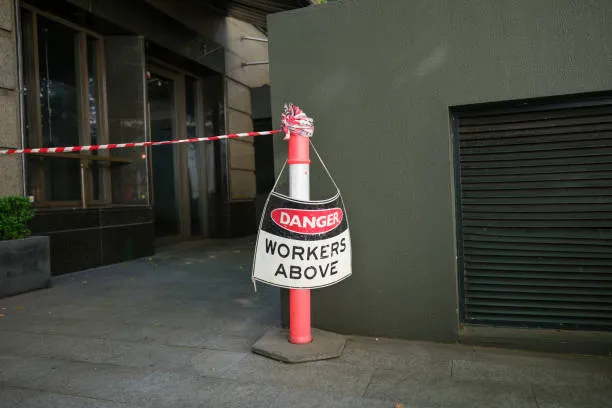
Safety barriers are essential for protecting workers and facilities in industrial environments. Implementing these strategies is practical, efficient, and can lead to significant improvements in workplace safety. Investing in industrial safety barriers is a life-saving decision that can ultimately save lives and prevent injuries. If you want to explore further information or support on security barriers, bollards, warehouse racking, or workplace health and safety, A-SAFE blog provides valuable resources.
Investing in industrial safety barriers is a move that pays off. Verge Safety Barriers is committed to making your investment count with state-of-the-art safety solutions. Remember: prioritising workplace safety through the use of industrial safety barriers is not just an investment; it’s a commitment to the well-being of your employees and the success of your business.