
7 December 2023 · filed in Product Highlight
Industrial V-Gates: The Key to Mitigating Workplace Risks

Safety on the job isn’t just a nice-to-have; it’s essential. That’s where industrial V-gates come into play, acting as guardians in the workplace. Think of them like reliable mates who’ve got your back, making sure everyone gets home without a scratch.
We install them easily without causing chaos, and they slash accident rates by up to 25%. Imagine a place where machinery mishaps are kept at bay and risks get cut down before they become real trouble. In our busy worlds, we often forget how important it is to give things a once-over now and then. Just like your car needs servicing to avoid breaking down, these V-gates need regular check-ups to keep protecting our teams effectively.
And while no one can predict every curveball that might be thrown our way, having robust contingency plans with these gates means dodging major headaches if things don’t go according to plan. We’re talking about much more than just putting up barriers; we’re building safer workplaces with solid backup plans ready to roll out at the first sign of danger. Stick around, there’s plenty more safety wisdom where that came from!
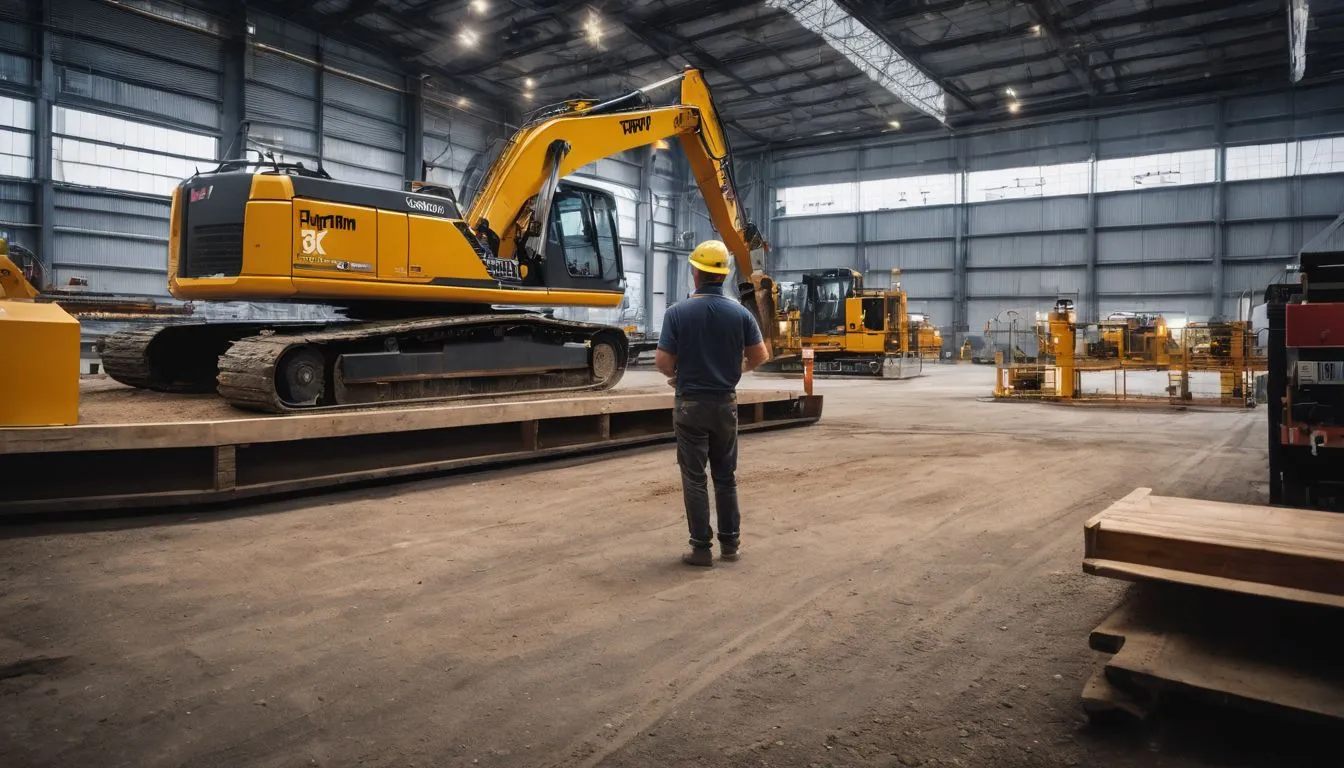
Managing Hazards and Risks in the Workplace
We understand the importance of managing hazards and risks in the workplace, as it is crucial for maintaining a safe working environment. Implementing effective control measures and minimisation strategies can significantly reduce potential risks.
Definition of hazards and risks
In our workplaces, “hazards” are anything that can cause harm or damage. Think of them as the unseen tripwires around machinery or a slick patch on the factory floor. These hazards have the potential to lead to accidents if we don’t manage them correctly.
On the other hand, “risks” refer to how likely it is for these hazards to actually cause harm and what kind of impact they would have. It’s about gauging probability and consequence: will that exposed wire just sit there unnoticed, or could it possibly spark an electrical fire?.
Every day, we aim to identify these workplace hazards and assess their risks with a clear-eyed view because knowing what we’re up against is half the battle in health and safety management.
Our job isn’t done after spotting a risk; taking action is crucial. We tackle this head-on by implementing effective control measures and using tools like industrial V-gates to mitigate these dangers before they become incidents.
Hierarchy of control measures
When managing workplace hazards and risks, it is crucial to understand the hierarchy of control measures. This helps in implementing effective strategies for risk reduction and prevention. The hierarchy of control measures includes:
- Elimination: Completely removing the hazard or risk from the workplace, such as replacing a hazardous substance with a safer alternative.
- Substitution: Replacing the hazard with a less hazardous alternative, for example, using safer chemicals instead of toxic ones.
- Engineering controls: Installing physical barriers or safety equipment, like industrial V-Gates, to isolate people from hazards and minimise exposure.
- Administrative controls: Implementing work practices or policies to reduce risk, such as proper training or signage for hazard awareness.
- Personal protective equipment (PPE): Providing workers with appropriate PPE to protect them from potential risks that cannot be eliminated through other control measures.
Elimination and minimisation strategies
To minimise workplace risks, we implement hazard elimination and minimisation strategies. Elimination involves removing the hazard entirely, while minimisation aims to reduce its impact.
Implementing these strategies is crucial for maintaining a safe working environment. By identifying potential hazards and taking proactive measures to eliminate or minimise them, we can significantly reduce the risk of accidents and injuries.
Regular assessment of workplace hazards allows us to identify areas for improvement in safety control measures. This ensures that our industrial V-Gates contribute to the ongoing effort to enhance workplace safety.
With effective hazard elimination and minimisation strategies in place, we can create a secure environment for our employees and visitors.
Benefits of Industrial V-Gates
Industrial V-Gates offer easy installation and removal, improved safety, and reduced risk of accidents in the workplace. These benefits make them a valuable addition to any industrial setting.
Easy installation and removal
Installing and removing industrial V-gates is straightforward, requiring minimal time and resources. The design allows for quick installation without the need for extensive modifications to existing structure or equipment.
Removal is just as simple, making it easy to reconfigure access points or perform maintenance tasks when necessary. These gates are designed with user-friendly features that enable smooth handling during installation and removal.
The intuitive design ensures that businesses can efficiently manage their safety needs without disruptions to daily operations. Businesses can easily adapt the V-gate systems based on changing requirements, enhancing workplace safety while maintaining productivity levels.
Improved safety
Enhancing workplace safety is vital for all business owners. Implementing Industrial V-Gates can significantly minimise the risk of accidents and ensure a secure environment for employees.
By reducing the potential hazards caused by debris or contaminant build-up, these gates contribute to a safer working environment, ultimately preventing costly injuries.
Installing Industrial V-Gates provides an effective barrier against workplace security risks and improves industrial machinery safety, making it an essential addition to any plant’s risk management strategy.
Reduced risk of accidents
Transitioning from improved safety to reducing the risk of accidents, industrial V-gates play a vital role in minimising workplace hazards. By providing a secure and reliable access control system, they effectively lower the chances of accidents occurring around industrial entrances and plant equipment.
This proactive approach not only enhances workplace safety but also instils confidence among employees and promotes a culture of vigilance towards potential risks. Implementing V-gates as part of your safety measures demonstrates a commitment to mitigating safety hazards associated with industrial access control, contributing to an overall reduction in workplace safety risks.

Importance of Preventive Maintenance
Regular maintenance is essential for optimal performance and to prevent potential hazards caused by debris or contaminant build-up. To learn more about the benefits of industrial V-gates in hazard management, read on!
Regular maintenance for optimal performance
Regular maintenance ensures that industrial V-gates operate at their best, reducing the risk of malfunctions and hazards. This involves:
- Checking for wear and tear on moving parts to prevent equipment failures.
- Lubricating components to maintain smooth operation, minimising the risk of jams and breakdowns.
- Inspecting electrical connections for signs of damage, preventing potential safety risks.
- Testing safety features such as emergency stop buttons to ensure they function properly in case of an emergency.
Potential hazards caused by debris or contaminant build-up
Debris or contaminant build-up can pose serious hazards in the workplace. Accumulated debris may obstruct equipment, leading to malfunctions or breakdowns, while contaminants such as dust and dirt can compromise machinery performance.
These hazards not only affect operational efficiency but also increase the risk of accidents and injuries. Regular maintenance is crucial in preventing these potential risks by ensuring that debris and contaminants are promptly removed.
For optimal safety, it’s imperative to implement proactive measures to mitigate the accumulation of debris and contaminants within industrial settings. Neglecting this aspect could result in costly downtime, repair expenses, and jeopardise workplace safety standards.
Contingency Planning and Risk Management
It is essential to identify potential risks and create contingency plans in the workplace to ensure the safety of employees and equipment. By implementing a benefits management plan, businesses can effectively manage risks and prevent accidents before they occur.
To learn more about the importance of managing risks and how industrial V-gates can help reduce and prevent them, continue reading our blog.
Identifying potential risks and creating contingency plans
Identify potential risks in the workplace using a thorough risk assessment. Consider hazards such as equipment malfunction, human error, and environmental factors. Utilise keywords from “workplace hazard management” and “plant risk assessment” to guide your evaluation process.
Create contingency plans by outlining specific steps to address identified risks. Incorporate keywords like “contingency planning” and “equipment risk assessment” into your plan development.
Implementing these strategies will help mitigate potential accidents and ensure a safe working environment for employees.
Benefits management plan
Business owners must prioritise the development of a benefits management plan to harness the full potential of industrial V-gates in risk reduction. This involves outlining the specific advantages and measurable outcomes, such as decreased accident rates and improved operational efficiency.
By establishing clear objectives, allocating responsibilities, and regularly reviewing progress, businesses can maximise the safety benefits associated with V-gate systems while enhancing overall workplace productivity.
Implementing a comprehensive benefits management plan also requires ongoing communication with all stakeholders to ensure alignment and commitment to safety goals. Through effective planning and diligent execution, businesses can instil a proactive risk management culture centred around utilising industrial V-gates for enhanced workplace safety.

Conclusion
In conclusion, it is crucial for business owners to prioritise workplace safety by implementing effective risk management strategies. Industrial V-Gates offer a range of benefits that can significantly reduce hazards and improve safety for workers.
To learn more about how V-Gates can benefit your workplace, read our blog now!
The importance of managing risks and implementing safety measures
Managing risks and implementing safety measures is crucial in the industrial workplace. By identifying potential hazards and putting preventative measures in place, we can create a safer environment for everyone involved.
This involves regular risk assessments, effective communication of safety protocols, and ensuring that all personnel are adequately trained to handle any situation that may arise.
Implementing safety measures not only reduces the likelihood of accidents but also boosts productivity. Employees feel more secure in their work environment, leading to improved morale and performance.
Benefits of using industrial V-gates for risk reduction and prevention.
Transitioning from the importance of managing risks and implementing safety measures, we can now explore the benefits of using industrial V-gates for risk reduction and prevention. Industrial V-gates offer easy installation and removal, allowing for flexibility in controlling access to hazardous areas within a workplace. Their design enables improved safety by providing a physical barrier to prevent unauthorised entry or accidental falls.
Industrial V-Gates aid in drastically reducing workplace accidents. Make your workspace safer with Verge Safety Barriers. Join hands with us for the best tailored gate solutions. This results in a reduced risk of accidents, ensuring that workplace hazards are effectively managed.