
22 July 2024 · filed in Safety Barriers Sydney
Industrial Workplace Safety Essentials
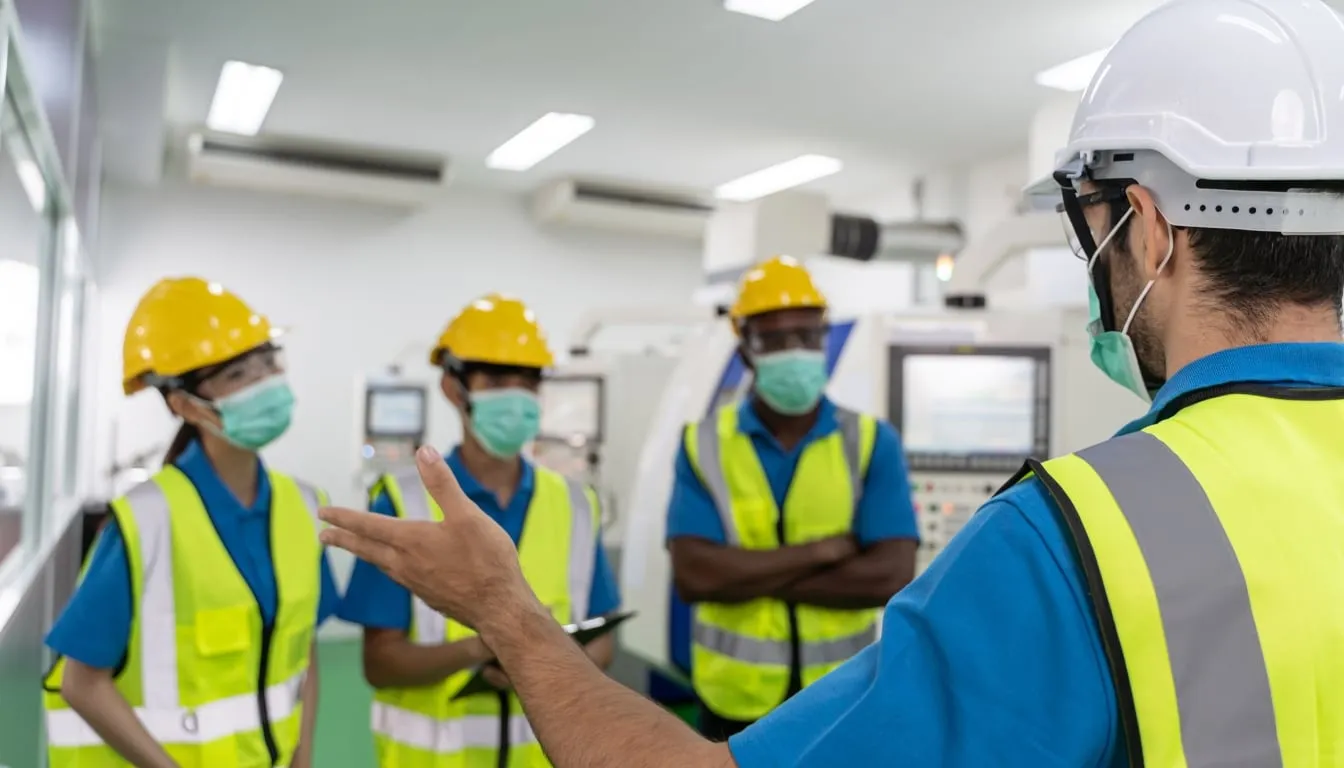
Safety in industrial workplaces is paramount to protect workers from hazards and ensure efficient operations. Implementing essential safety measures not only meets regulatory requirements but also fosters a culture of safety among employees.
Importance of Workplace Safety
Industrial workplaces, whether manufacturing plants or construction sites, are inherently risky environments. Prioritising safety reduces accidents, injuries, and potential liabilities. It also boosts employee morale and productivity, creating a conducive work environment.
Personal Protective Equipment (PPE)
Personal protective equipment is foundational in industrial safety. From hard hats and safety goggles to gloves and steel-toed boots, PPE shields workers from physical hazards. Proper training ensures correct usage and maintenance, enhancing its effectiveness.
Hazard Communication and Signage
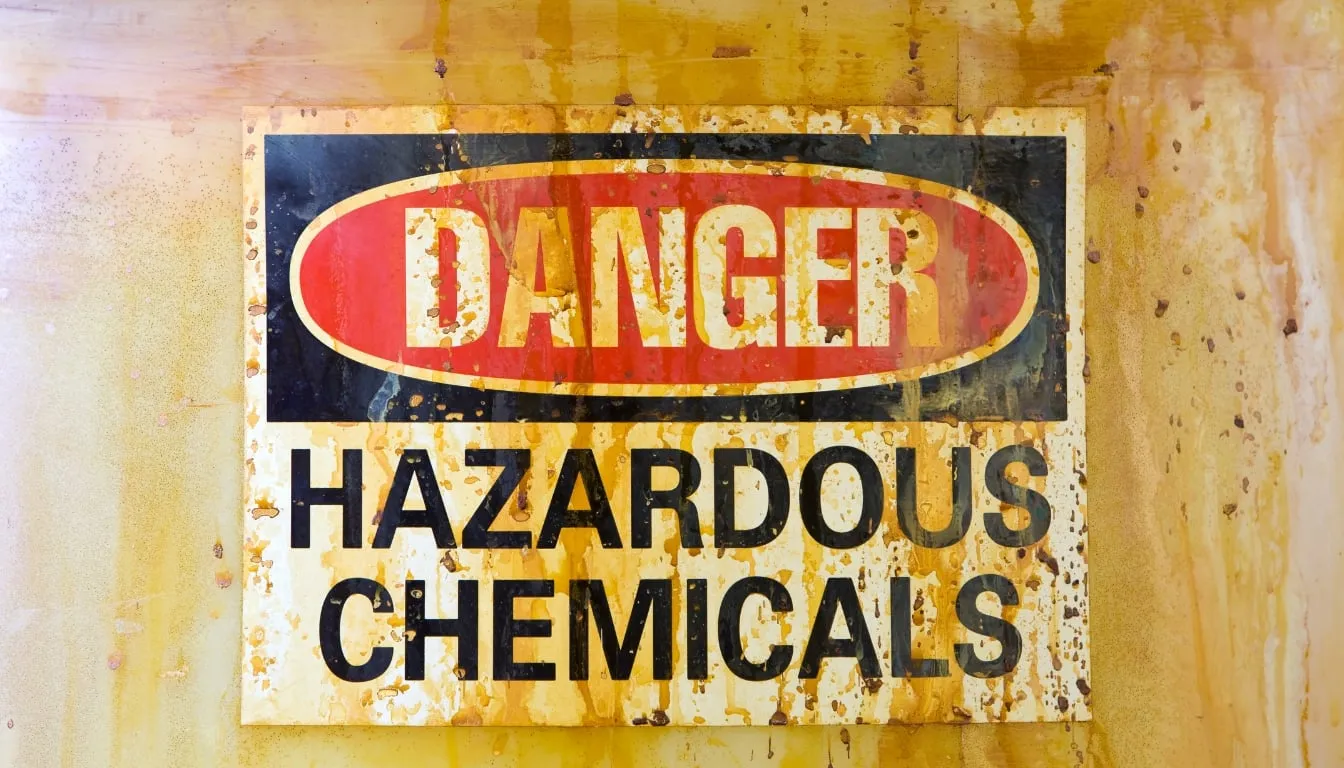
Clear communication of hazards through signage and labels is crucial. Hazardous areas, chemical storage, and restricted zones should be clearly marked to prevent accidental exposure or unauthorised access. Regular audits ensure signage remains accurate and visible.
Machine Guarding and Safety Protocols
Machine guarding prevents contact with moving parts, reducing the risk of injuries such as amputations or crush accidents. Lockout/tagout procedures safeguard against unexpected equipment startup during maintenance or repair, protecting workers from electrical and mechanical hazards.
Emergency Preparedness and Response
Industrial sites must have robust emergency plans and procedures. Fire drills, evacuation routes, and designated assembly points prepare workers for emergencies. First aid kits, defibrillators, and trained responders ensure swift medical assistance when needed.
Training and Education Programs
Continuous training equips workers with knowledge of safety protocols and procedures. Regular workshops on hazard awareness, PPE usage, and emergency response reinforce safe practices. Training sessions also cultivate a safety-conscious mindset among employees.
Environmental and Ergonomic Factors
Considering ergonomic principles minimises workplace strain and injury risks. Adjustable workstations, ergonomic tools, and proper lifting techniques promote employee well-being. Environmental factors such as ventilation and noise control further enhance workplace safety and comfort.
Regulatory Compliance and Audits
Adhering to occupational health and safety regulations is non-negotiable. Regular audits and inspections identify compliance gaps and corrective actions. Compliance ensures legal obligations are met while maintaining a safe work environment.

Technology and Safety Innovations
Advancements in safety technology improve workplace conditions. From automated safety alerts and wearable sensors to robotics in hazardous tasks, technology enhances monitoring and response capabilities. Integrating these innovations optimises safety without compromising productivity.
Safety Culture and Leadership
A strong safety culture begins with leadership commitment. Encouraging open communication, safety feedback loops, and employee involvement fosters a proactive safety culture. Recognition of safety achievements reinforces commitment to continuous improvement.
Safeguarding Lives, Ensuring Success
Investing in industrial workplace safety essentials is investing in people and productivity. By prioritising safety measures, businesses protect their most valuable asset, employees, while achieving operational excellence.