
8 August 2024 · filed in Safety Barriers Sydney
Innovations in Safety Barrier Technology

Safety barriers have come a long way from the traditional concrete and metal structures. With ongoing advancements in technology, modern safety barriers are now more effective, adaptable, and efficient than ever. This article delves into the latest innovations in safety barrier technology, highlighting their importance and how they are transforming safety practices across various industries.
The Evolution of Safety Barriers
Safety barriers have evolved significantly over the decades. Early barriers were primarily designed to contain vehicles or pedestrians, focusing on durability and strength. Today, the emphasis has shifted to incorporating advanced materials and technologies that offer better performance and adaptability. Innovations such as smart sensors and modular designs are now redefining what safety barriers can achieve.
Smart Barriers: The New Frontier
One of the most exciting developments in safety barrier technology is the integration of smart technology. Smart barriers are equipped with sensors that monitor their condition and the environment around them. These sensors can detect potential hazards, like approaching vehicles or pedestrians, and trigger warning signals or automatic adjustments. This real-time data collection helps in proactive safety management and reduces the risk of accidents.
Modular Barrier Systems: Flexibility and Efficiency
Modular barrier systems are another significant innovation. Unlike traditional barriers that are fixed in place, modular systems can be easily assembled, disassembled, and reconfigured to meet changing safety needs. This flexibility makes them ideal for temporary setups, such as during construction projects or events. Additionally, modular barriers can be customised with various components, like warning lights or signs, to enhance their functionality.
Advanced Materials for Enhanced Durability
The materials used in safety barriers have also advanced considerably. Modern barriers are made from high-performance materials such as composite plastics and advanced metals that offer superior strength and durability while being lighter and easier to handle. These materials are resistant to corrosion, impact, and extreme weather conditions, ensuring that safety barriers remain effective and reliable over time.
Barrier Systems with Energy Absorption
Another innovative feature in modern safety barriers is energy absorption technology. These barriers are designed to absorb and dissipate the energy from impacts, reducing the force transferred to the occupants or the vehicle. This is particularly important in road safety barriers, where energy-absorbing systems can significantly reduce the severity of injuries in accidents.
Solar-Powered Safety Barriers
With the push towards sustainability, solar-powered safety barriers are becoming more popular. These barriers are equipped with solar panels that power integrated lighting and sensor systems. Solar-powered barriers offer an eco-friendly solution and ensure that safety measures remain operational even in remote areas where traditional power sources are unavailable.
Automated and Adaptive Barriers
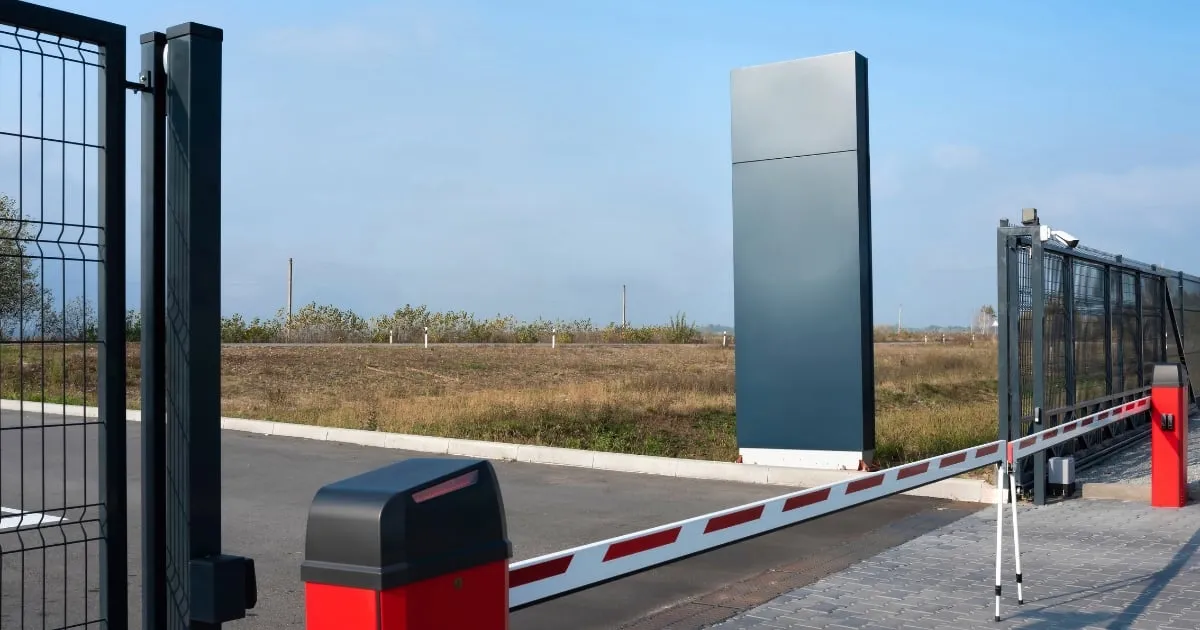
Automated and adaptive barriers represent a significant leap forward in barrier technology. These barriers can automatically adjust their position or configuration based on real-time data and conditions. For example, in a traffic management system, automated barriers can open or close lanes based on traffic flow, improving efficiency and safety.
Integration with Traffic Management Systems
Modern safety barriers are increasingly integrated with traffic management systems. This integration allows barriers to communicate with traffic signals, cameras, and control centres to provide a coordinated safety approach. For instance, barriers can automatically adjust to changing traffic conditions or alert drivers to upcoming hazards, enhancing overall safety.
Remote Monitoring and Control
Remote monitoring and control capabilities are becoming standard in advanced safety barriers. Through wireless technology and internet connectivity, safety barriers can be monitored and controlled from a distance. This feature allows for real-time adjustments and quick responses to emerging safety issues, making barrier management more efficient and effective.
The Role of AI in Safety Barrier Technology
Artificial Intelligence (AI) is playing an increasingly important role in safety barrier technology. AI algorithms can analyse data from sensors and cameras to predict potential safety issues and suggest preventative measures. This predictive capability helps in maintaining optimal safety conditions and mitigating risks before they escalate.
A Safer Future Ahead
As we look to the future, the innovations in safety barrier technology promise to make our environments safer and more adaptable. With smart systems, advanced materials, and AI integration, the next generation of safety barriers will not only protect but also enhance our ability to respond to safety challenges in real-time. The continuous evolution of these technologies signifies a commitment to improving safety standards and creating safer spaces for everyone.