
24 March 2024 · filed in Safety Update
Integrating Safety Barriers and Bollards in the Food Industry
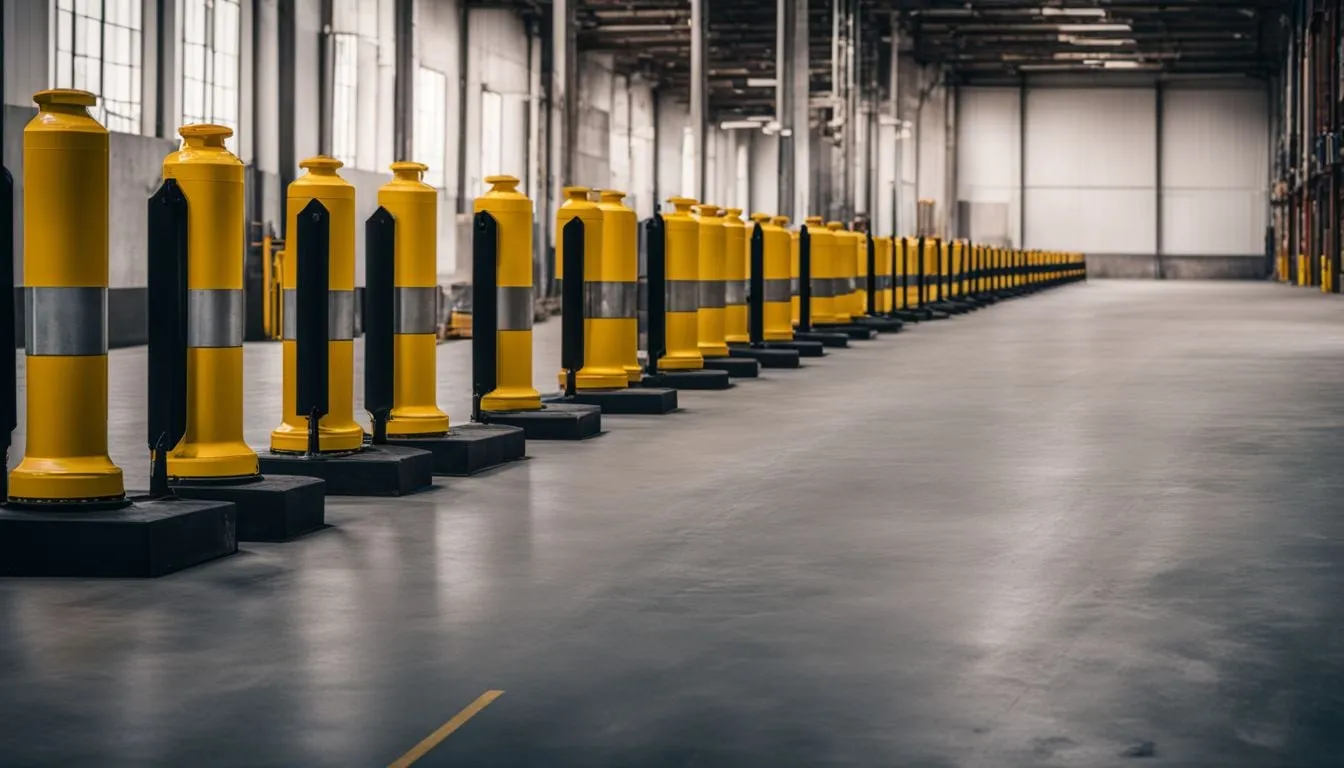
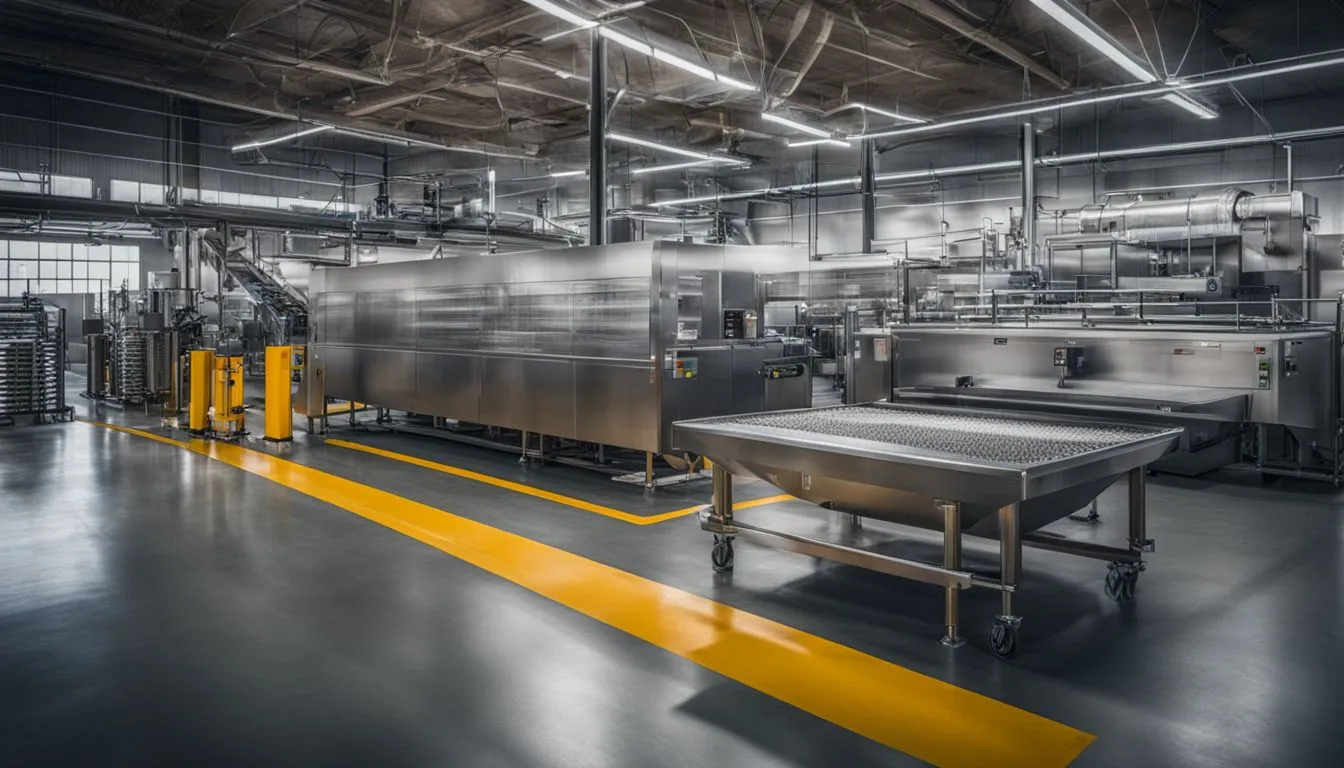
Maintaining the safety of our food industry spaces is something that’s close to our hearts. We’ve faced these very challenges and discovered that incorporating safety barriers and bollards is absolutely vital.
Our research will walk you through the perks and how-tos of putting these safety measures in place. Have a read for some valuable insights!
Understanding Safety Bollards in the Food Industry
Safety bollards in the food industry serve as protective barriers against various hazards and are essential for ensuring workplace safety. They come in different materials and types, each with specific features tailored towards safeguarding food processing areas, warehouse safety, and pedestrian well-being.
Definition and components of bollards
Bollards serve as essential safety barriers in the food industry, providing physical protection for pedestrians, buildings, and sensitive areas from vehicle intrusions. These short vertical posts can be installed both indoors and outdoors to manage traffic flow or to protect critical infrastructure.
Their role in workplace safety and traffic management cannot be overstated.
Comprising mainly of steel, concrete, or plastic, bollards come in various shapes and sizes tailored to specific needs within a factory layout or around warehouse safety zones. Some bollards are even designed with features such as lights for increased visibility or removable options for flexible access control.
Each component plays a crucial role in ensuring they meet the high standards required for occupational health and accident prevention within industrial settings.
Materials and types of bollards
In the food industry, ensuring safety while maintaining efficiency is key. We focus on using the right materials and types of bollards for superior protection and functionality.
| Material | Type | Common Uses |
|---|---|---|
| Steel | Fixed, Removable | Protection against vehicle impacts, machinery separation |
| Concrete | Fixed | Perimeter security, high-impact areas |
| Plastic (Polyethylene) | Flexible, Removable | Indoor pathways, temporary work zones |
| Stainless Steel | Retractable, Fixed | Aesthetic appeal, corrosion resistance |
| Cast Iron | Decorative | Enhancing décor, heritage sites within food industry premises |
Choosing the right material and type of bollard plays a significant role in its effectiveness. Steel offers robust protection, while plastic provides flexibility in less demanding situations. Next, we explore the protective role of industrial safety bollards.
The Protective Role of Industrial Safety Bollards
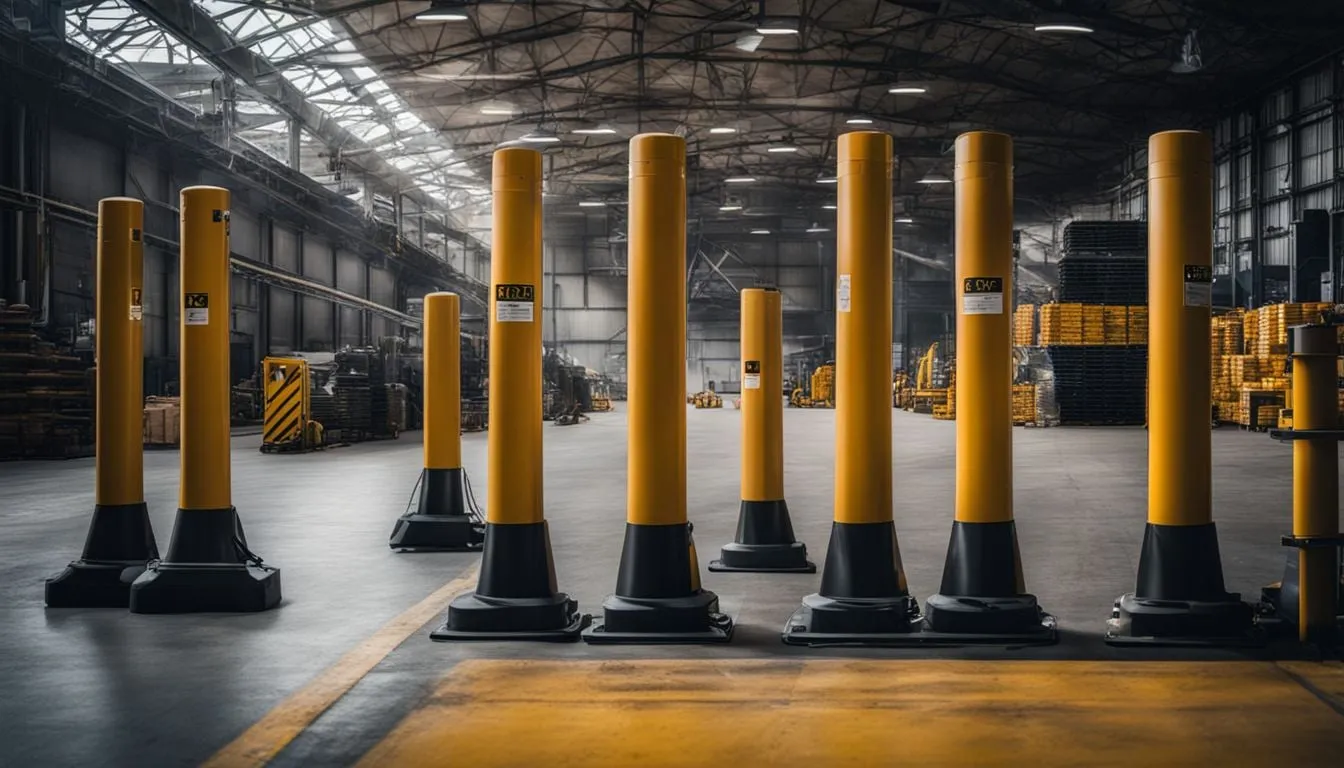
Industrial safety bollards protect against various hazards and are crucial in safeguarding personnel, equipment, and infrastructure. Their robust construction and strategic placement effectively mitigate the impact of potential collisions, ensuring a safer work environment.
Types of hazards bollards defend against
We understand the critical role that safety barriers and bollards play in maintaining a secure environment in the food industry. Their use helps in managing risks and enhancing workplace safety, important for both our employees and operations.
- Vehicle intrusions: Bollards serve as a physical barrier to stop unauthorised vehicles from entering restricted or sensitive areas within our facilities. This includes protection against accidental or intentional ramming of external walls or entrances by vehicles.
- Pedestrian safety: They help guide pedestrian traffic, separating people from potential hazards such as moving industrial vehicles or equipment within a warehouse setting. This division ensures pedestrians have clear pathways, reducing the risk of accidents.
- Equipment protection: Strategically placed bollards protect vital equipment from accidental impacts by forklifts, pallet jacks, and other material-handling devices. This safeguarding extends to machinery critical for production processes and storage units holding valuable inventory.
- Traffic management: In areas with mixed vehicle and pedestrian traffic, bollards effectively regulate movement patterns. By demarcating driveways and designated walking zones, they prevent confusion and potential collisions, promoting a smoother flow of operations.
- Access control: Bollards act as key elements in access control systems, particularly at entry and exit points. They allow us to manage who enters our premises, ensuring only authorised personnel gain access to specified zones, thereby maintaining operational security.
Our commitment to integrating safety barriers and bollards goes beyond hazard prevention; it’s about creating an environment where safety principles are visibly ingrained into every aspect of our operations.
Factors affecting bollard effectiveness
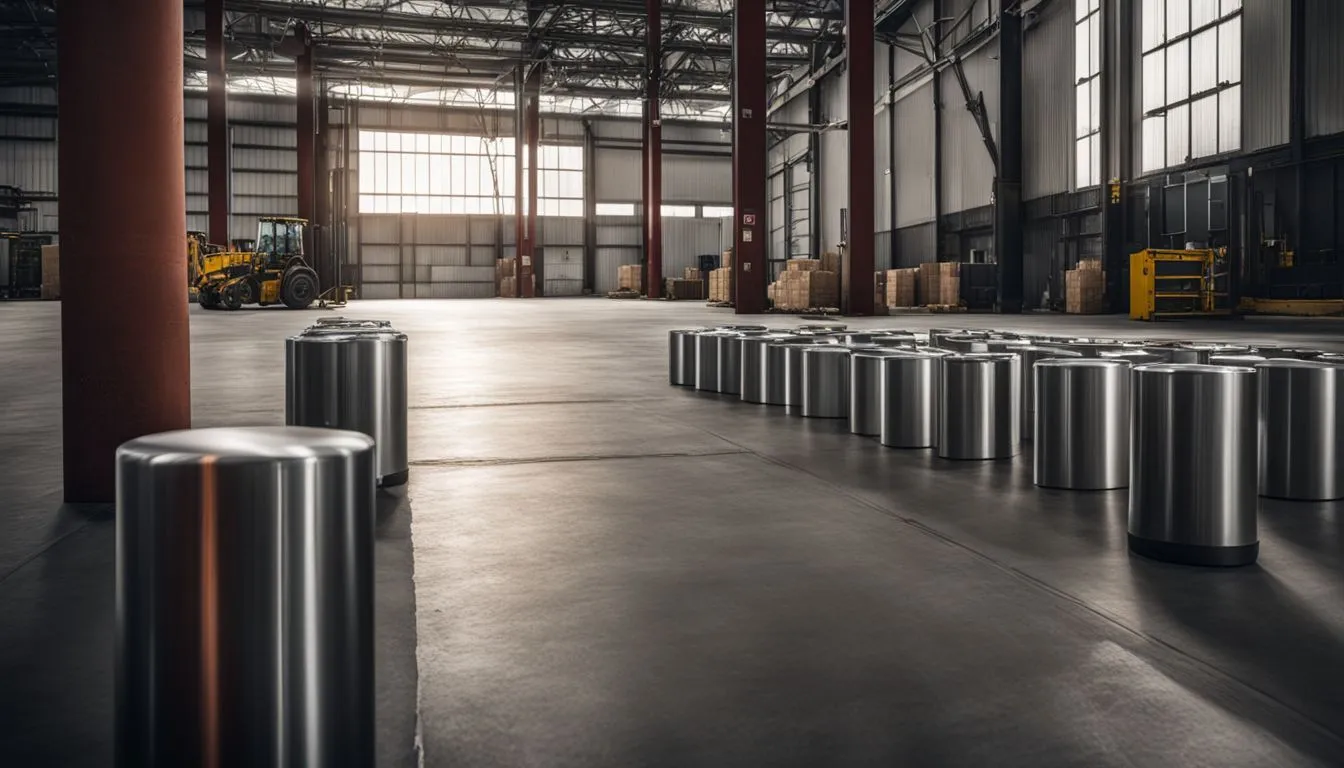
The location of bollards plays a crucial role in their effectiveness. Bollards need placement at strategic points where they can best protect pedestrian areas from vehicle intrusions or safeguard assets within the food industry premises.
This ensures that only authorised industrial vehicles gain access to certain sections, enhancing workplace safety and traffic management.
Material and design also impact how well bollards perform their protective function. Steel bollards offer high resistance against impacts, making them ideal for withstanding collisions from heavy-duty vehicles.
The design should cater to the specific needs of the food industry environment, whether it’s for directing traffic flow or preventing accidental damage to equipment and structures.
Properly selected materials coupled with thoughtful design guarantee that these safety barriers serve their purpose effectively, contributing to overall occupational health and hazard prevention in dynamic workspaces like warehouses and processing plants.
Safety Standards for Industrial Bollards in the Food Industry
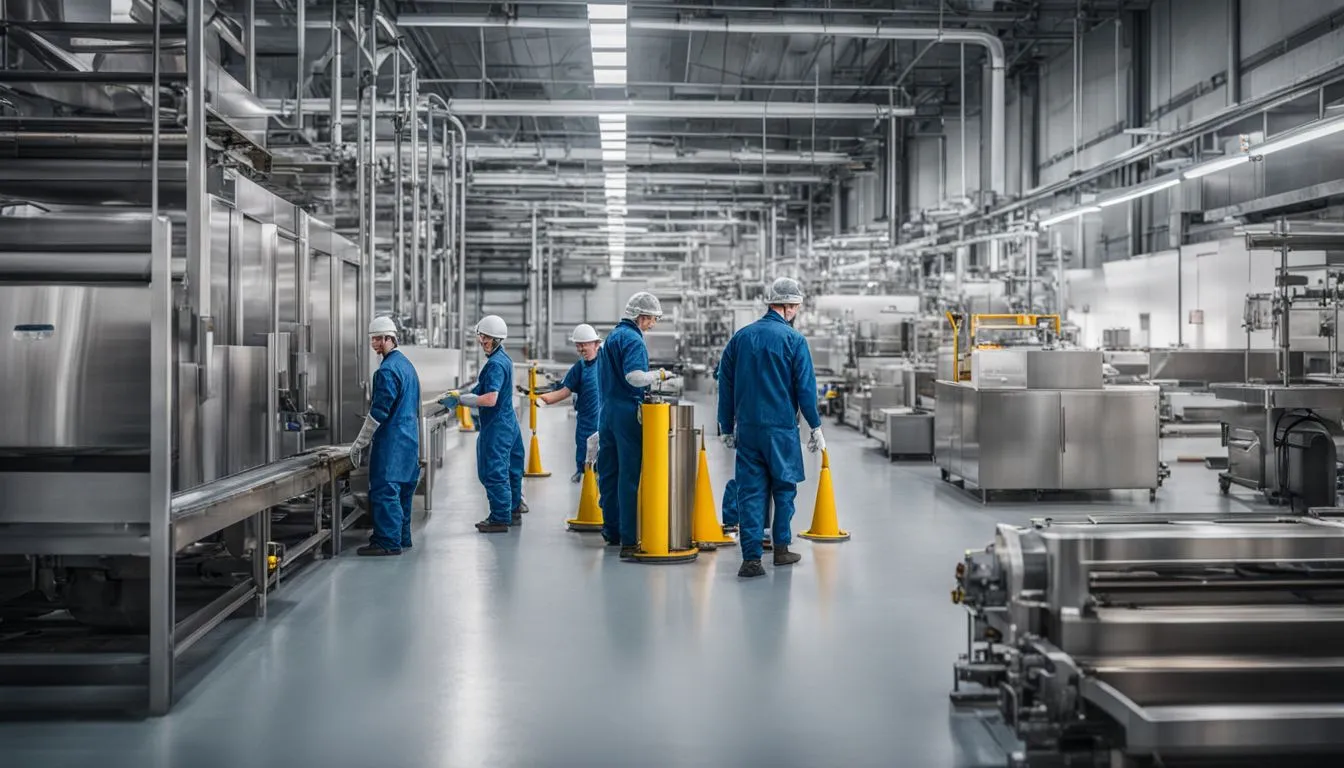
Safety standards for industrial bollards in the food industry ensure regulatory compliance and bolster workplace safety. Adhering to these standards guarantees protection against potential hazards and enhances overall operational safety.
Regulations and guidelines
We always make sure that our operations align with the latest safety regulations and guidelines to ensure workplace safety in the food industry. Government standards dictate how we install bollards and safety barriers, emphasising pedestrian safety, factory layout, and hazard prevention.
These rules help us manage traffic within our premises effectively while keeping both staff and visitors safe.
Adhering to Traffic Advisory Leaflet 02/13 and Publicly Available Specifications plays a vital role in our strategy for integrating security barriers efficiently. This approach not only helps us prevent accidents but also ensures that our practices meet occupational health requirements.
By following these guidelines, we maintain high levels of food safety, protecting both our employees and the products they work hard to produce.
Traffic Advisory Leaflet 02/13
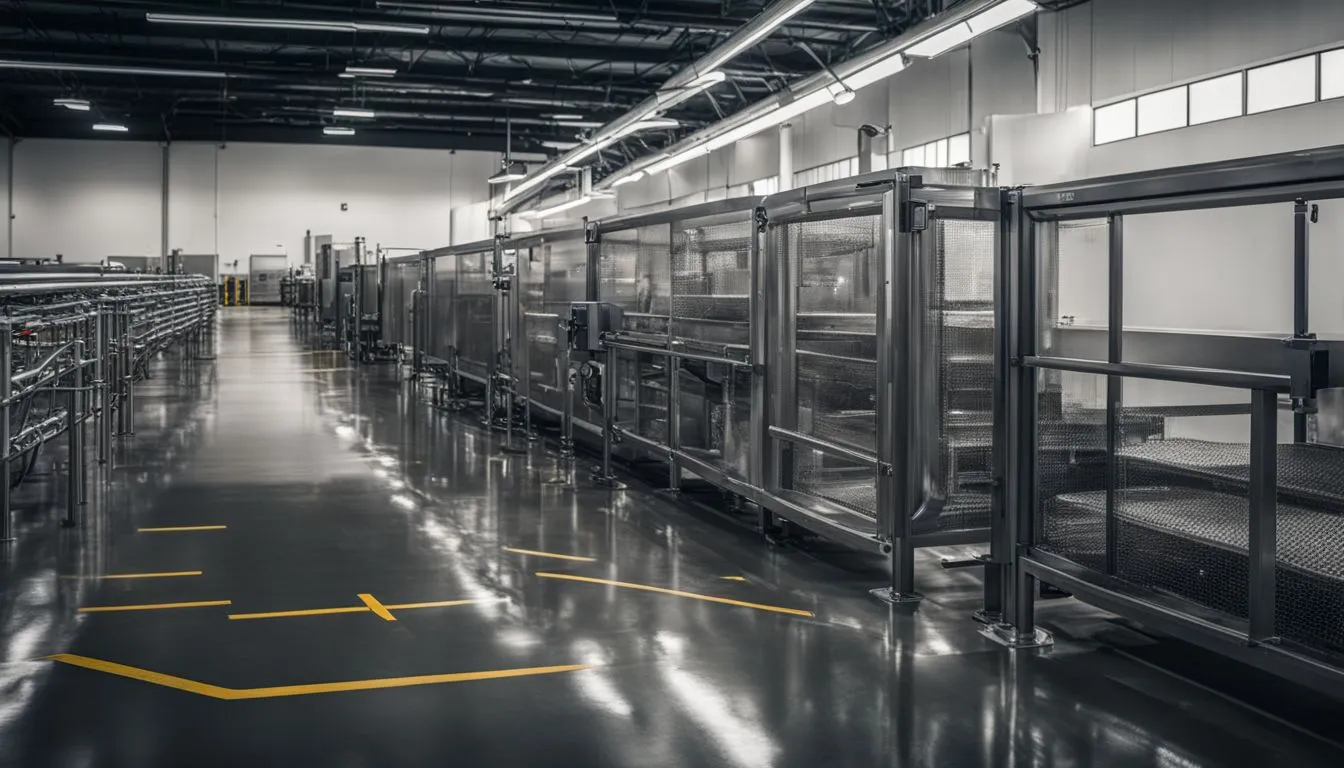
Traffic Advisory Leaflet 02/13 provides critical insights into the use and effectiveness of safety barriers and bollards in areas where food is produced, processed, or sold. This leaflet outlines essential guidelines that help us design safer workplace environments for employees and visitors alike.
It includes recommendations on the installation of security barriers and bollards to manage traffic efficiently within premises, enhancing occupational health and warehouse safety.
By following the advice laid out in Traffic Advisory Leaflet 02/13, we ensure our operations comply with current safety regulations while preventing accidents. This document assists business owners in identifying potential hazards related to vehicle movements and offers practical solutions to mitigate these risks, ensuring a secure environment for all involved parties.
Its guidance plays a pivotal role in shaping effective factory layouts that prioritise pedestrian safety and material handling efficiency.
Publicly Available Specifications
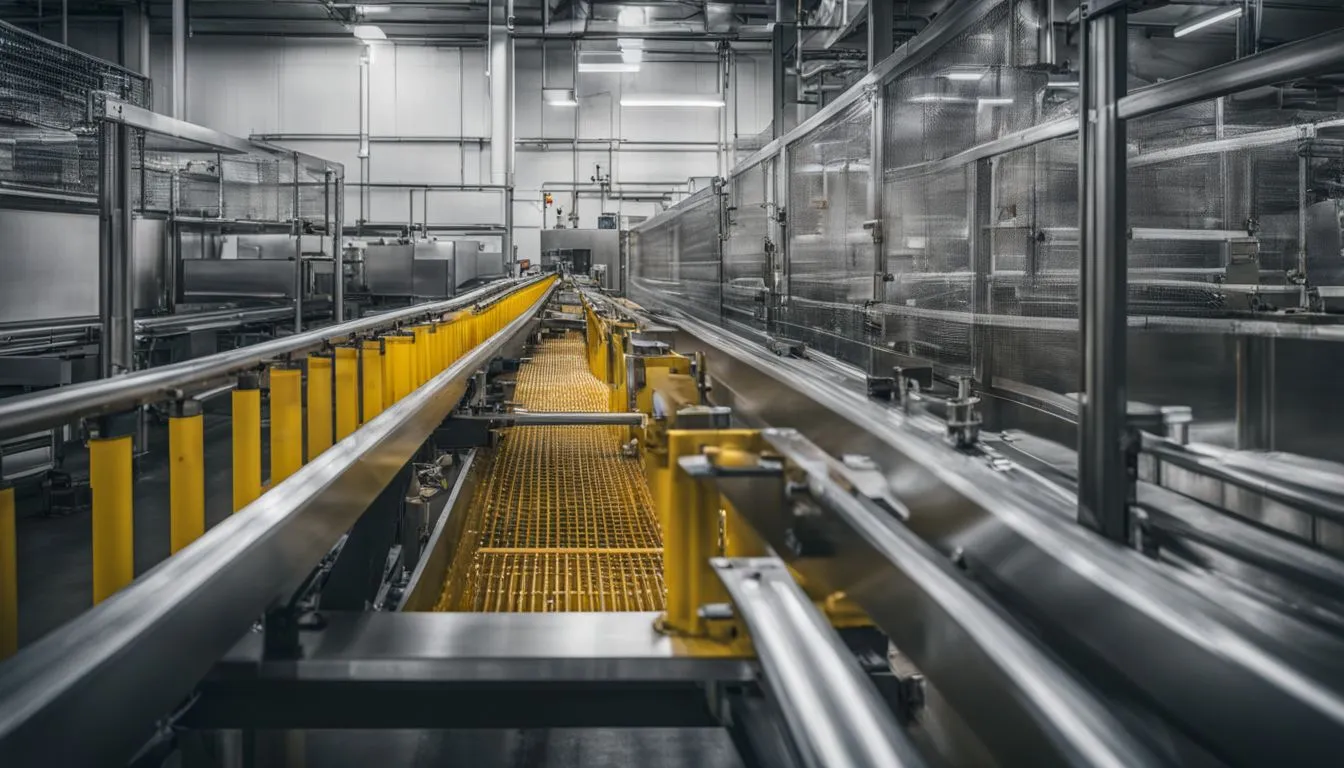
Publicly Available Specifications (PAS) play a crucial role in the safe integration of safety barriers and bollards within the food industry. These specifications provide clear guidelines on designing and implementing these protective measures effectively.
They ensure that both pedestrian safety and workplace safety meet high standards, preventing accidents and enhancing hazard prevention.
We adhere to PAS because they establish benchmarks for quality, durability, and reliability for industrial safety solutions. By following these standards, we help business owners create safer working environments in food processing facilities, warehouses, and production areas.
Ensuring compliance with PAS not only promotes occupational health but also supports effective traffic management around busy work zones.
Benefits of Security Bollards in the Food Industry

Enhancing the aesthetic appeal of outdoor spaces, security bollards also regulate traffic flow and offer durable protection. They are designed to withstand impact, ensuring a safer environment for employees and visitors alike.
Enhancing décor
When it comes to enhancing the décor of your food industry space, incorporating safety bollards can be a strategic and visually appealing choice. Safety bollards come in a variety of sleek designs that complement the aesthetic of your facility while providing essential protection.
Adding decorative covers or custom colours to safety bollards can seamlessly integrate them into your overall design scheme, elevating the look and feel of your workspace without compromising on safety.
Incorporating safety barriers and bollards not only enhances workplace safety but also contributes to an attractive and cohesive environment. By integrating these elements thoughtfully into your decor, you can create a visually pleasing atmosphere while prioritising the well-being of employees and visitors alike.
Durability
Moving on to the topic of durability, it’s essential for business owners to consider the long-lasting strength and resilience of safety barriers and bollards in the food industry. The durability of these protective structures is crucial in withstanding potential impacts from industrial vehicles, ensuring continuous protection against workplace hazards.
By investing in durable safety barriers and bollards, businesses can maintain a safe working environment while minimising the need for frequent repairs or replacements, ultimately saving time and costs associated with maintenance.
When it comes to ensuring workplace safety, prioritising durable safety barriers and bollards supports overall productivity and promotes a secure operational setting. Businesses must recognise the significance of opting for robust options that provide lasting protection, safeguarding both employees and equipment within the facility.
Enhancing outdoor seating
Enhancing outdoor seating in your establishment can be achieved through the strategic placement of safety bollards. These protective barriers not only contribute to the overall safety and security of your outdoor area but also enhance its visual appeal, providing a welcoming and pleasant atmosphere for your patrons.
By incorporating aesthetically pleasing bollards into your outdoor seating space, you create a safe and inviting environment while effectively managing pedestrian traffic flow.
Incorporating safety bollards into your outdoor seating area offers both practical and aesthetic benefits. From delineating seating boundaries to protecting diners from vehicular traffic, these barriers play an essential role in creating a secure and enjoyable dining experience for your customers.
Regulating traffic
Safety barriers and bollards play a crucial role in regulating traffic within the food industry. Implementing strategically placed bollards helps direct vehicular and pedestrian flow, preventing accidents in busy areas such as loading docks, storage spaces, and production facilities.
By utilising safety barriers to delineate walkways and vehicle pathways, businesses can effectively manage traffic while safeguarding employees and visitors from potential collisions.
Additionally, employing visible signage alongside safety barriers aids in guiding the movement of industrial vehicles, enhancing overall workplace safety.
Furthermore, integrating safety measures like bollards for traffic regulation also assists in maintaining efficient operations by minimising disruptions caused by vehicular congestion.
The Importance of Safety Barriers in the Food Industry

Safety barriers are essential in the food industry to ensure workplace safety and prevent accidents. Their role in creating safe environments cannot be overstated, with a direct impact on employee well-being and operational efficiency.
Role of safety barriers
Safety barriers are essential in the food industry as they play a vital role in protecting employees, visitors, and equipment from potential hazards. These barriers provide a physical separation between pedestrians and industrial vehicles, ensuring pedestrian safety and traffic management within the workplace.
They also help prevent accidents by guiding the movement of people and safeguarding against collisions with machinery or equipment. Moreover, safety barriers contribute to warehouse safety by delineating specific areas for material handling and equipment protection, ultimately enhancing overall workplace safety.
The importance of safety barriers is underscored by their significant impact on occupational health and safety regulations. By effectively implementing protective barriers, businesses can not only comply with safety standards but also create a safer working environment for their employees while preventing costly accidents and injuries.
Importance in the workplace
Safety barriers play a crucial role in maintaining workplace safety. They not only protect employees and visitors from hazardous areas but also prevent accidents caused by industrial vehicles.
The use of safety barriers like bollards and column guards helps to create a secure environment, safeguarding against potential risks such as collisions, falls, and impact-related injuries.
By integrating these protective measures into the workplace layout, businesses can enhance occupational health and minimise the chances of workplace accidents, promoting a safer work environment for everyone.
Understanding Column Safety Guards: Bridging Safety and Functionality
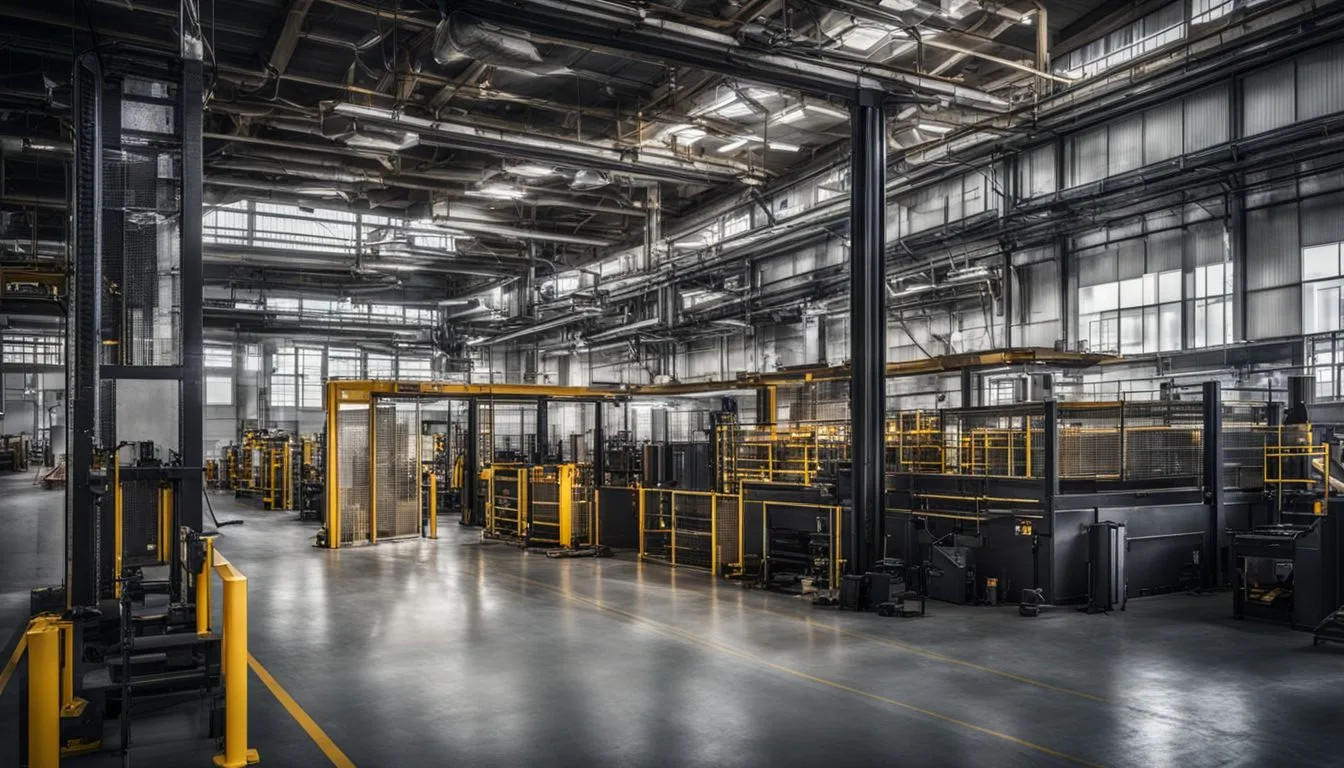
Column safety guards are crucial elements in ensuring workplace safety and functionality. These guards provide an effective barrier between potential hazards and sensitive equipment or work areas, preventing damage and mitigating risks.
By absorbing impact from industrial vehicles or machinery, column safety guards safeguard both the facility’s infrastructure and its employees from harm.
Furthermore, these safety guards contribute to the efficient flow of operations by protecting vital structural components within the workspace. Their robust design ensures that essential columns remain intact, averting disruptions in production processes.
Implementing column safety guards not only reinforces workplace safety but also enhances overall operational function, contributing to a secure and seamless working environment for all personnel involved in food industry operations.
Overcoming Barriers to Practising Food Safety
To overcome barriers to practicing food safety, we prioritise ongoing training and education for all staff. Implementation of food safety protocols is integral in maintaining a safe and hygienic work environment.
Training and education
- Establish a robust training programme focused on food safety and workplace safety.
- Educate employees on the importance of adhering to food safety protocols and best practices.
- Conduct regular training sessions to update employees on evolving safety regulations and hazard prevention techniques.
- Provide specialised training for handling industrial vehicles, material handling, and equipment protection.
- Implement interactive training modules to enhance employee engagement and retention of safety procedures.
- Foster a culture of continuous learning by encouraging employees to pursue further education in occupational health and warehouse safety.
- Utilise tailored workshops to address specific workplace safety concerns relevant to the food industry.
Implementation of food safety protocols
Implementing food safety protocols is crucial in ensuring the highest standards of hygiene and quality in the food industry. Here are some key steps to effectively implement food safety protocols:
- Training employees on proper food handling and safety procedures, including personal hygiene and sanitation practices
- Developing and implementing a Hazard Analysis Critical Control Points (HACCP) plan to identify and control potential hazards in food production
- Regularly conducting thorough cleaning and sanitisation of all equipment, utensils, and work surfaces
- Monitoring and maintaining appropriate temperature controls for storage, preparation, and serving of food products
- Establishing clear guidelines for receiving, storing, and handling raw materials to prevent contamination
- Conducting regular inspections and audits to ensure compliance with food safety standards
- Implementing traceability systems to track the source and handling of ingredients throughout the production process
Ensuring comprehensive implementation of these protocols will help mitigate the risk of foodborne illnesses and maintain a safe environment for both consumers and employees.
The Role of Heavy Duty Barriers in the Food Industry
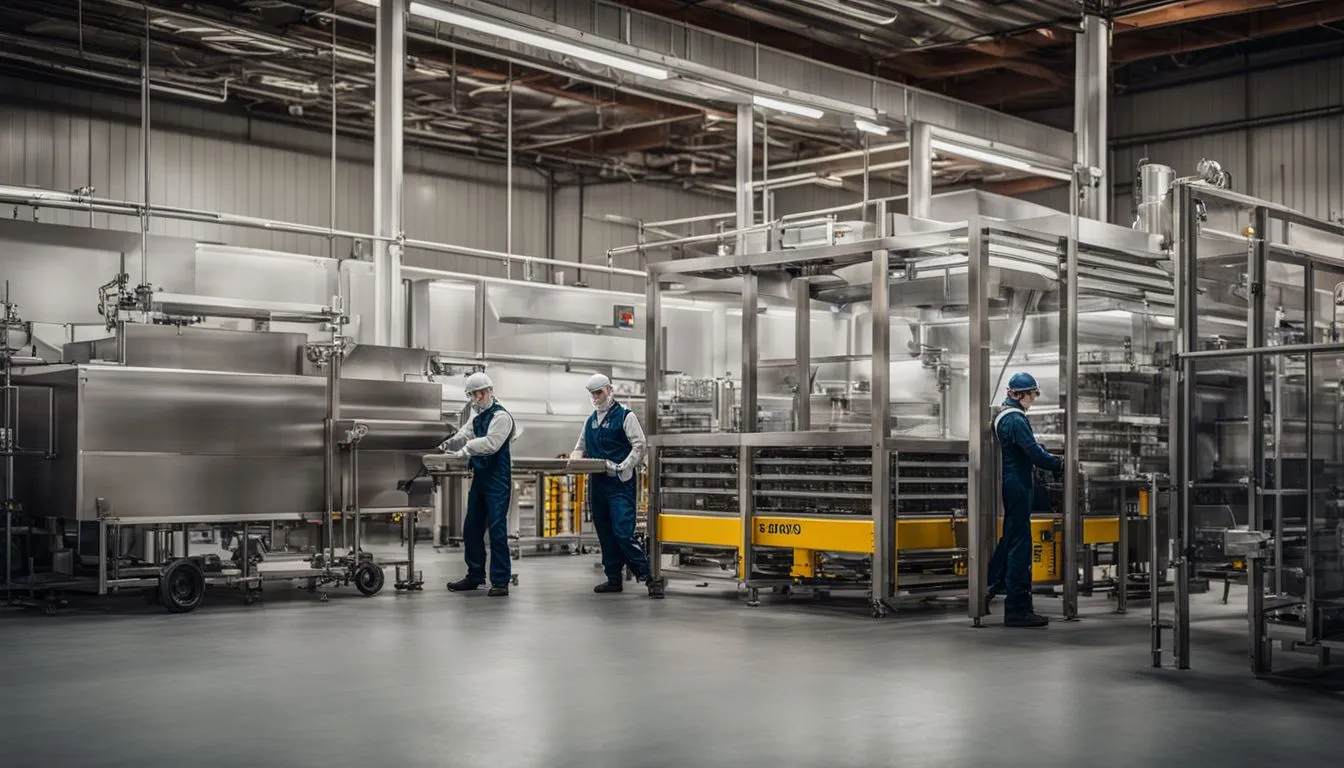
Heavy duty barriers play a crucial role in enhancing workplace safety and preventing accidents in the food industry. They improve overall workplace safety, increase productivity and profitability, and effectively protect equipment and employees from potential hazards.
Improved workplace safety
Improved workplace safety is crucial for ensuring the well-being of employees as well as the smooth operation of your food industry business. Implementing heavy-duty barriers can help prevent accidents and protect workers from industrial vehicles, material handling equipment, and other potential hazards in a warehouse or factory setting.
These measures not only enhance workplace safety but also contribute to increased productivity and profitability by minimising downtime due to injuries or damages caused by workplace accidents.
Increased productivity and profitability
To support increased productivity and profitability, integrating safety barriers and bollards in the food industry is crucial. By ensuring a safer workplace environment, where employees feel secure from potential hazards, businesses can experience reduced downtime due to accidents or injuries.
This ultimately leads to improved operational efficiency and higher output levels. Additionally, minimising the risk of damage to equipment and structures through the use of protective barriers and bollards contributes to cost savings by avoiding expensive repairs or replacements.
When workers feel safe and supported in their environment, they are more likely to be productive, resulting in enhanced profitability for the business.
The integration of safety barriers and bollards not only creates a safer working environment but also promotes a culture of accountability among employees. The visible presence of these safety measures can serve as a constant reminder for everyone within the facility to adhere to proper safety protocols at all times.
Conclusion
In summary, integrating safety barriers and bollards in the food industry involves understanding their protective role and adhering to safety standards. The benefits of security bollards extend from enhancing decor to regulating traffic, making them a practical addition.
Emphasising the importance of safety barriers and heavy-duty barriers can significantly improve workplace safety and productivity. By integrating these strategies, businesses can ensure efficient traffic management and equipment protection while prioritising food safety and hazard prevention.
Applying these strategies not only ensures workplace safety but also emphasises efficiency in operations by regulating traffic flow and protecting employees. Implementing robust security measures such as industrial safety bollards underscores the commitment to maintaining a safe working environment for all stakeholders involved.
Remember, taking proactive steps towards workplace safety is crucial for success in the ever-changing world of industrial operations. By embracing tailored solutions that emphasise practicality, businesses can unlock significant improvements while upholding strict adherence to regulatory requirements.
Explore further resources on our website to discover additional insights into implementing safety barriers effectively within your food industry setting.
For a more in-depth look at how column safety guards can enhance both safety and functionality in your workplace, click here to read our detailed guide.