
13 February 2024 · filed in Safety Barriers Sydney
Introducing Stringent Safety Measures in Warehousing
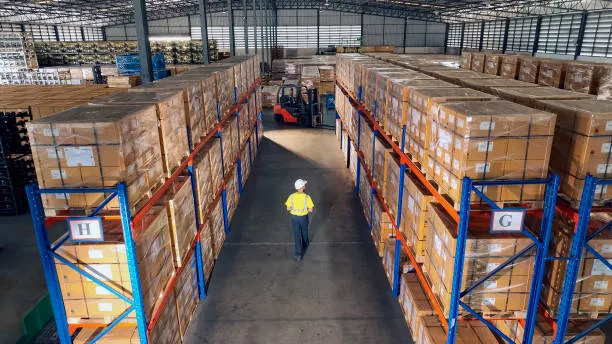
Warehouses, mates, are a bit like ticking time bombs when it comes to the odd accident, they don’t just knock people about; they give the profits a good hiding too. We know what this is all about because we’ve seen the fallout with our own eyes: one little slip-up in safety can land a business with heavy direct costs alone. Our yarn here spells out some top-notch steps you can follow to nip warehouse mishaps in the bud and keep your operations smoother than a well-oiled machine. Keen to look after your crew and protect your hard-earned dosh? Then have a squiz at our article!
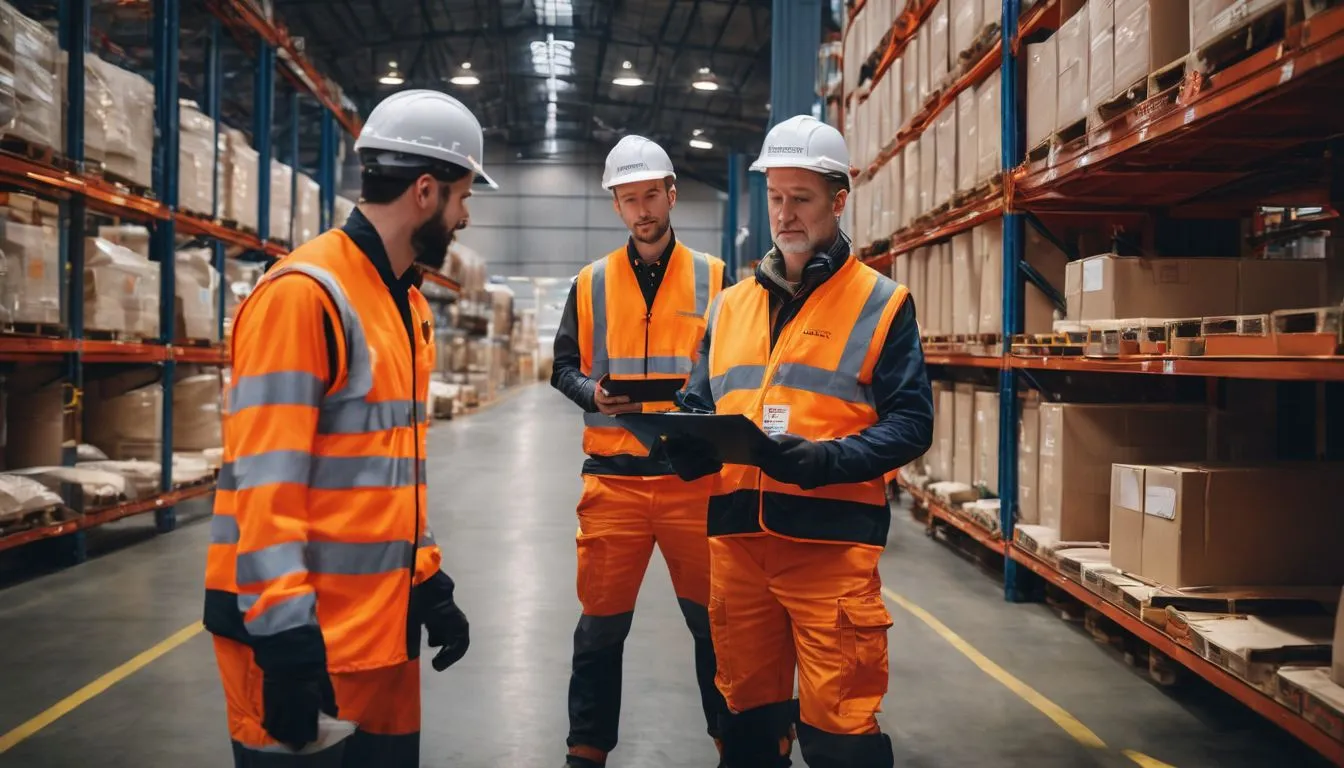
Why Warehouse Safety is Important
Ensuring warehouse safety is crucial for protecting our employees from workplace injuries and accidents. It also plays a key role in increasing productivity, reducing inventory damage, and extending the life of equipment.
Protecting employees
Our warehouse workers are the backbone of our operations, and their well-being is our top priority. We implement comprehensive safety measures to shield them from workplace injuries, from mandatory protective gear to ergonomic tools that prevent strain.
Our commitment extends beyond legal obligations; we believe a safe employee is an empowered one.
We carry out regular risk assessments and adjust protocols accordingly, ensuring every hazard is promptly identified and managed. Safety training sessions keep our team aware of best practices for handling hazardous materials and operating heavy machinery.
By prioritising occupational health and safety, we foster a culture where every individual feels valued and secure in their work environment.
Increasing productivity
To increase productivity, we optimise warehouse layouts and workflows. This involves streamlining processes and reducing unnecessary transportation of materials. Implementing efficient material handling equipment ensures timely movement of goods within the warehouse, enhancing overall operational efficiency.
By providing ongoing training to employees, we equip them with the necessary skills to handle tasks more effectively and minimise errors. Regular maintenance of equipment also plays a crucial role in maintaining high productivity levels by avoiding unexpected breakdowns that can disrupt operations.
Ultimately, these measures contribute to a smoother workflow and higher output levels in the warehouse.
Reducing inventory damage
Implementing proper storage and handling techniques minimises inventory damage. Regularly inspecting the warehouse for potential hazards prevents stock from getting damaged. Using appropriate packaging materials protects goods during transportation.
Ensuring that employees are trained in safe handling procedures reduces the risk of inventory damage. Labelling shelves clearly helps to prevent mishandling which can lead to product breakage or spoilage, resulting in financial loss and customer dissatisfaction.
Extending the life of equipment
To extend the life of equipment, regular maintenance and proper usage are crucial. Implementing a preventive maintenance schedule will help prevent costly breakdowns and reduce the need for frequent replacements.
Ensuring that employees are trained in correct operating procedures and safety guidelines can also contribute to prolonging the lifespan of warehouse equipment. Regular inspections and prompt repairs for wear and tear issues identified during routine checks can mitigate potential risks, thus enhancing the longevity of warehouse machinery.
Furthermore, adopting ergonomic handling practices and using appropriate tools when moving materials or operating equipment can minimise strain on machinery, thereby extending its operational life span.
Common Warehouse Safety Hazards & Injuries
Common warehouse safety hazards and injuries include manual handling, exposure to hazardous chemicals, operating heavy equipment, and machine entanglement. Read more to learn about how to address these common hazards in warehousing operations.
Manual handling
Manual handling involves the lifting, pushing, pulling, and carrying of goods in the warehouse. It is crucial to ensure that workers are properly trained in safe manual handling techniques to prevent musculoskeletal injuries.
By providing training on correct lifting techniques and implementing ergonomic solutions such as adjustable workstations and mechanical aids, we can significantly reduce the risk of workplace injuries.
Regularly reviewing and updating manual handling procedures will help to ensure that safety measures remain effective in preventing injury. Additionally, promoting a culture of open communication where employees feel comfortable reporting any issues or concerns related to manual handling will further contribute to a safer warehouse environment for all staff members.
Hazardous chemicals
Warehouse owners must ensure that hazardous chemicals are properly handled and stored to prevent any risks to employees and the surrounding environment. Regularly reviewing Safety Data Sheets (SDS) for all chemicals, providing appropriate Personal Protective Equipment (PPE), and conducting thorough training on safe handling procedures are critical steps in mitigating potential dangers.
Additionally, implementing proper ventilation systems, spill containment measures, and regular chemical inventory inspections can significantly reduce the likelihood of accidents or contamination within the warehouse space.
Moreover, it is essential to designate specific areas for storing different types of chemicals according to their compatibility and flammability levels. Adequate signage should be prominently displayed to indicate these zones clearly, along with emergency response protocols in case of a chemical-related incident.
Heavy equipment
When addressing safety in warehouses, it’s crucial to consider the potential hazards associated with heavy equipment. Ensuring that these machines are properly maintained, and employees are trained on how to use them safely is paramount for accident prevention and workplace injury management.
Implementing strict protocols for operating vehicles like forklifts, conveyor belts, and pallet jacks will help mitigate the risk of accidents caused by heavy equipment in the warehouse environment.
Moreover, conducting regular inspections and maintenance checks on heavy machinery can significantly reduce the chances of unexpected malfunctions leading to workplace injuries. By prioritising training on safe operation techniques and emphasising adherence to safety guidelines while using this equipment, businesses can create a secure working environment within their warehousing operations.
Machine entanglement
Machine entanglement poses a significant hazard in warehouses, potentially leading to serious injuries or fatalities. To mitigate this risk, it is crucial to implement stringent safety measures and provide thorough training on proper equipment usage and handling procedures.
Regular maintenance of machinery and clear protocols for working around moving parts are essential in preventing accidents related to machine entanglement. Additionally, ensuring that all employees are equipped with appropriate personal protective equipment (PPE) when working near machinery can further reduce the likelihood of incidents occurring.
Proper signage highlighting restricted areas and operational guidelines is fundamental in preventing machine entanglement accidents. By incorporating these proactive measures, warehouse operators can significantly improve workplace safety by addressing this specific hazard effectively.
Implementing Stringent Safety Measures in Warehousing
When it comes to warehouse safety, we set specific standards and conduct regular audits to ensure compliance. Ongoing training, proper signage, a clean environment, and good lighting are all essential for maintaining a safe warehouse.
Setting specific standards
When setting specific standards for warehouse safety, we outline clear guidelines and regulations to ensure a secure working environment. These standards encompass procedures for handling hazardous materials, operating heavy equipment, managing electrical hazards, and maintaining safety equipment.
By establishing and enforcing these protocols, we mitigate risks and prevent workplace injuries while promoting a culture of safety among all staff members.
Furthermore, the implementation of comprehensive warehouse safety regulations aligns with industry best practices, compliance requirements, and risk assessment guidelines. This proactive approach not only safeguards the well-being of our workforce but also contributes to operational efficiency and overall business success.
Conducting regular audits
We conduct regular audits in our warehouse to ensure that safety measures are being consistently followed. These audits help us identify any potential hazards, equipment malfunctions, or procedural non-compliance.
By regularly reviewing our safety protocols, we can make necessary adjustments and address any issues proactively.
Regular audits also demonstrate our commitment to maintaining a safe work environment for our employees and visitors. This proactive approach not only minimises the risk of accidents but also ensures compliance with safety standards and regulations.
Providing ongoing training
To maintain a safe warehouse environment, ongoing training is essential for all employees. Regular training sessions help to ensure that workers are up-to-date with the latest safety protocols and procedures.
By providing ongoing education on hazardous material handling, workplace injury prevention, and safety equipment usage, we empower our staff to identify potential risks and mitigate them effectively.
Employees benefit from continuous learning opportunities that equip them with the necessary skills and knowledge to navigate hazards in the warehouse. This commitment to ongoing training not only enhances employee safety but also contributes to a more efficient and productive work environment, aligning with our goal of prioritising warehouse safety.
Installing proper signage
To enhance safety in the warehouse, we ensure that clear and visible signage is installed throughout the facility. This includes marking designated walkways, indicating restricted areas, and highlighting emergency exits.
By using prominent labels for hazardous materials and equipment, as well as safety instructions for machinery operation, we effectively communicate important information to all personnel.
Additionally, we regularly inspect and maintain these signs to guarantee they remain legible and up-to-date.
Maintaining a clean warehouse environment
To ensure a safe warehouse environment, it is crucial to prioritise cleanliness. Regular cleaning and organisation prevent slips, trips, and falls that can lead to injury. Additionally, maintaining a clean warehouse reduces the risk of fires caused by flammable materials or debris accumulation.
Cleanliness also promotes better air quality for employees and helps prevent the spread of contaminants in storage areas where inventory is kept.
Proper waste management further contributes to a clean warehouse environment, reducing the risk of hazardous spills or exposures to harmful substances. Implementing designated disposal areas for different types of waste ensures compliance with safety guidelines and minimises potential health hazards for workers handling these materials.
Ensuring proper lighting
To ensure adequate visibility and reduce the risk of accidents, we install bright LED lighting throughout our warehouse. This helps maintain a safe environment for our employees to work efficiently and effectively.
Regular checks and maintenance of these lights are crucial for ensuring optimal brightness levels at all times.
By maintaining proper lighting in the warehouse, we create a safer working environment for everyone involved in our operations. Consistent attention to this aspect allows us to uphold high safety standards and prevent potential mishaps that could result from inadequate illumination within the warehouse facility.
Our commitment to ensuring proper lighting is just one part of our comprehensive approach to warehouse safety.
Examples of Successful Warehouse Safety Practices
Some successful warehouse safety practices include implementing COVID-19 safety measures and obtaining FDA certification. Read more to discover how these practices can benefit your business.
COVID-19 safety measures
To ensure the safety and well-being of our warehouse employees during the COVID-19 pandemic, we have implemented several stringent measures. All staff are required to wear masks and maintain a safe distance from each other while at work.
We have also set up sanitisation stations throughout the warehouse and increased the frequency of cleaning and disinfecting high-touch surfaces. In addition, we have provided comprehensive training on COVID-19 safety protocols and symptoms to all employees.
Furthermore, regular temperature checks are conducted for everyone entering the premises, and anyone exhibiting symptoms is immediately sent home to prevent potential spread within our facility.
FDA certification
Ensuring the highest standards of safety in warehousing includes obtaining FDA certification for specific products and processes. This certification demonstrates compliance with regulations set by the U.S. Food and Drug Administration, ensuring that warehouse operations meet strict safety and quality standards.
By prioritising FDA certification, businesses can enhance their credibility, gain customer trust, and safeguard the integrity of their products throughout the supply chain.
Maintaining FDA certification involves rigorous adherence to guidelines concerning product handling, storage conditions, sanitation practices, and record-keeping. With this certification in place, businesses can provide assurance that their warehousing processes align with industry best practices while also mitigating potential risks associated with non-compliance.
How 3PLs Prioritise Warehouse Safety
3PLs prioritise warehouse safety by choosing 3PLs based on safety standards, understanding the importance of a WMS in warehouse safety, and implementing safety precautions for different hazards.
To learn more about how 3PLs prioritise warehouse safety, continue reading our blog.
Choosing a 3PL based on safety standards
When choosing a 3PL for warehouse operations, it is essential to prioritise safety standards. Look for a 3PL that demonstrates a strong commitment to maintaining safety protocols and guidelines in their warehousing practices.
Ensure that the 3PL has clear warehouse safety procedures, risk assessment measures, and ongoing safety training for its workers. It’s crucial to consider the implementation of safety equipment usage and workplace hazard management within the 3PL’s facilities.
Opting for a 3PL with certified warehouse security protocols can significantly minimise potential risks and accidents in logistics operations. Assess if the 3PL has effective accident prevention strategies in place, including regular maintenance of equipment and electrical hazard control.
The importance of a WMS in warehouse safety
Warehouse Management Systems (WMS) play a crucial role in maintaining warehouse safety. WMS help us track inventory movement, ensuring that items are stored correctly and reducing the risk of accidents caused by disorganised storage.
By using WMS to monitor stock levels and locations, we can prevent overstocking or understocking situations that may lead to workplace hazards. With real-time visibility into inventory, we can also streamline operations, reduce congestion in the warehouse, and create safer working environments for our employees.
Moreover, WMS enables us to implement strict access controls within the warehouse, preventing unauthorised personnel from entering potentially hazardous areas. By leveraging technology such as RFID tags and barcode scanning through WMS, we can enforce security measures and ensure that only trained workers with appropriate authorisations handle specific equipment or materials.
This proactive approach significantly reduces the likelihood of accidents and strengthens our overall warehouse safety protocols.
Safety precautions to take with different hazards
- Providing proper training on manual handling techniques to prevent injuries related to lifting and carrying heavy items.
- Implementing strict protocols for the handling and storage of hazardous chemicals, including correct labelling and storage procedures.
- Enforcing safety guidelines for operating heavy machinery such as forklifts, including regular maintenance checks and operator training.
- Installing safety guards and implementing regular inspections to prevent machine entanglement accidents.
- Conducting frequent risk assessments to identify potential hazards and take proactive measures to mitigate risks.
- Establishing clear emergency procedures and ensuring that all workers are familiar with evacuation routes and protocols.
Conclusion
We have explored the importance of stringent safety measures in warehousing. These strategies are practical and easy to implement, ensuring a safe environment for all warehouse workers. By implementing these safety measures, businesses can expect significant improvements in productivity and employee well-being. For further guidance, consider consulting with professional services specialising in warehouse safety. Let’s commit to prioritising the well-being of our employees and ensure a safe working environment for everyone involved.