
27 April 2024 · filed in Case Study
Investing In High-Density Barriers: The Key To A Safe Workplace
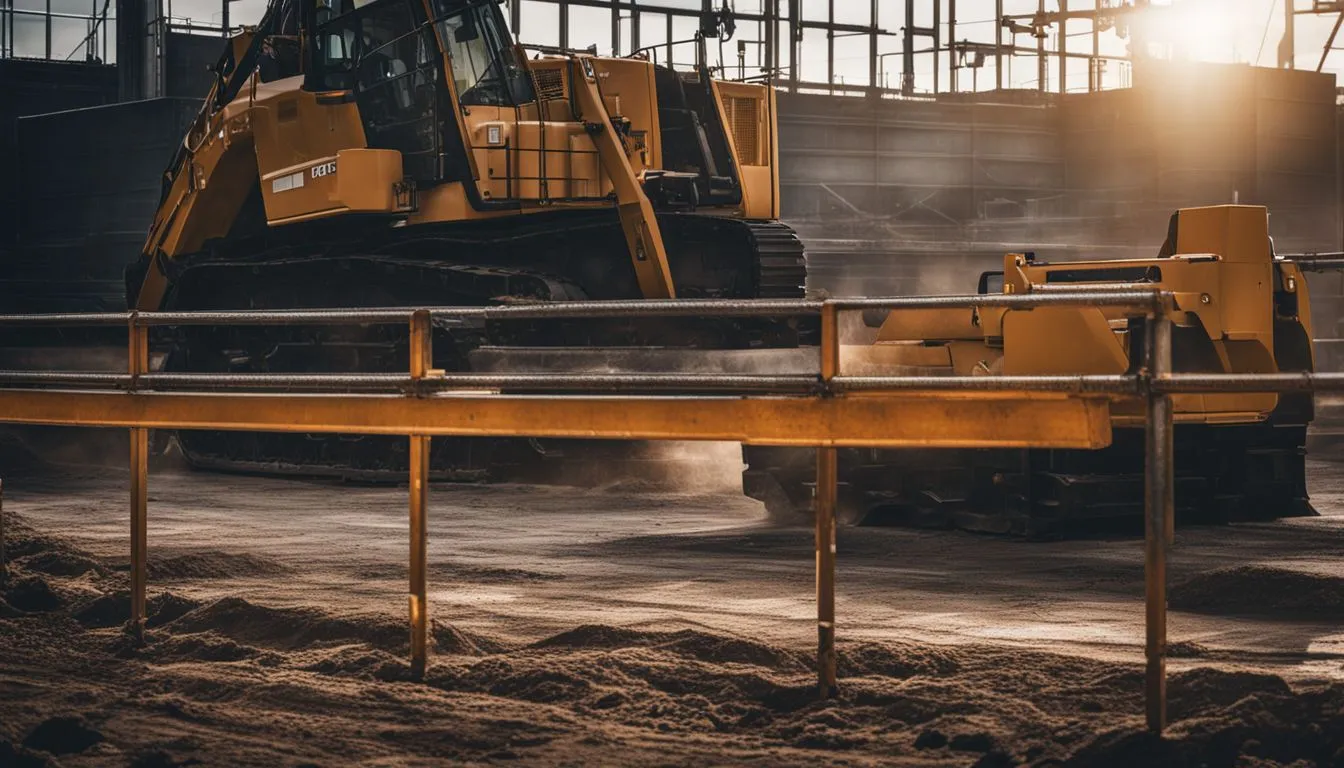
Keeping the workplace safe can sometimes feel like you’re trying to keep a bunch of rowdy kangaroos corralled. It’s a fair stress, mates. Let’s face it, with over 5% of Aussie workers copping an injury at work last year alone, it’s clear we’ve got our work cut out for us in turning these stats around.
We’ve done a deep dive into tackling this head-on and reckon investing in high-density barriers could be your next smart move. So, if you’re keen on beefing up safety and keeping those workplace mishaps down under control, stick around – this read’s going to show you how to turn your space into the safest spot to clock into each day.
Ready to take a crack at making your workplace safer? Keep on reading!
Understanding the Importance of Safety Barriers in the Workplace
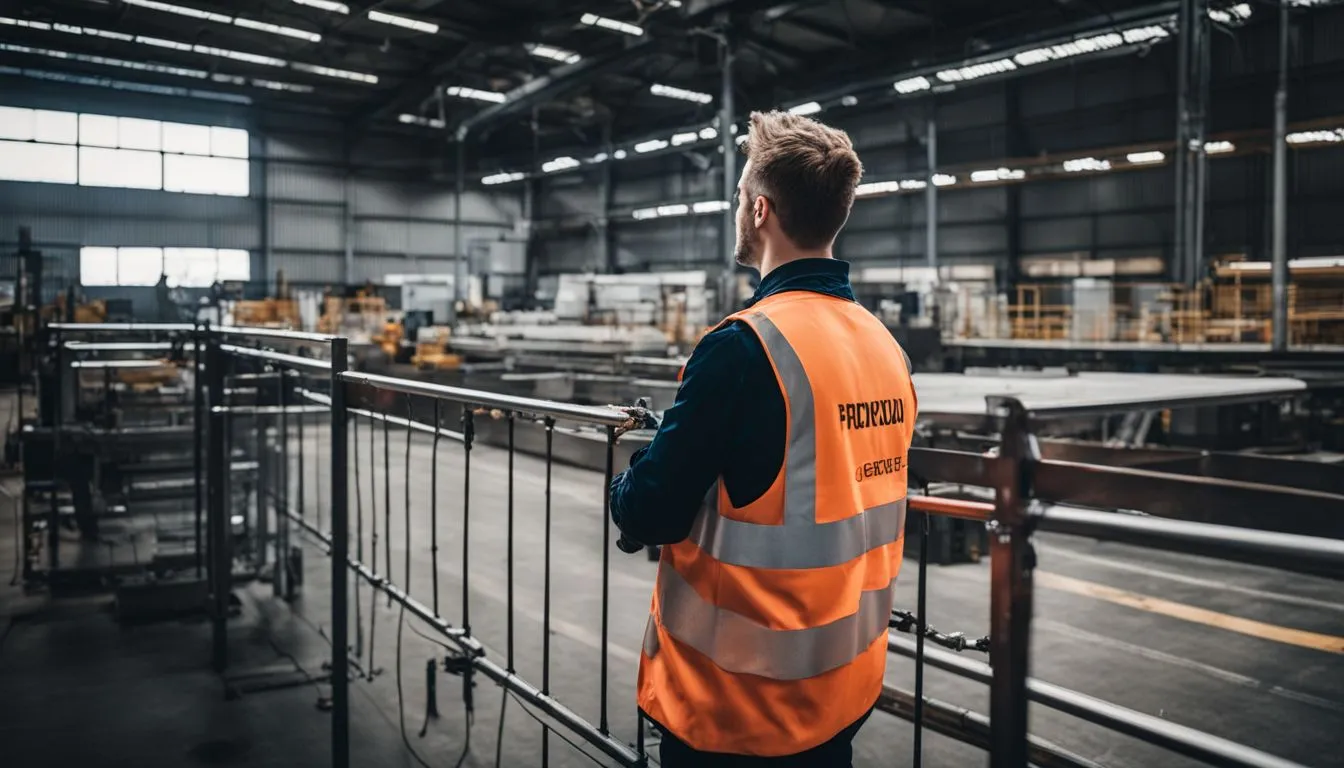
Safety barriers in the workplace act like silent heroes, warding off potential dangers before they even have a chance to say “hello”. We’re all about creating a safe environment where everyone can focus on their work without looking over their shoulder for any unwelcome surprises.
These barriers serve as the first line of defence against accidents, making sure that both people and property are protected from harm’s way. They guide traffic, keep machines at bay, and make it clear where safe zones end and potential hazards begin.
Next up, we’ll dive into how these safety guards not only shield us from immediate danger but also play a crucial role in reducing workplace accidents overall.
How Safety Barriers Enhance Workplace Safety
Safety barriers enhance workplace safety by preventing vehicular damage, protecting workers, and reducing workplace accidents. These barriers play a crucial role in ensuring a safe work environment for everyone.
Prevention of vehicular damage
Investing in high-density barriers offers a strong shield against vehicular damage. Trucks, forklifts, and even cars can cause havoc in the blink of an eye, turning your workplace into chaos.
But with these barriers standing guard like silent sentinels, we keep accidents at bay and protect our assets. It’s like having an invisible force field that keeps vehicles from wandering where they shouldn’t.
We’ve all heard horror stories of a stray vehicle knocking over expensive equipment or crashing through storage areas. By setting up safety barriers strategically around vulnerable zones, we drastically cut down those risks.
Think of it as drawing a line in the sand – but instead of sand, we’re using top-notch materials that stand up to anything on wheels trying to cross it. This move not only saves us headaches but also shields our bottom line from taking unnecessary hits due to repairs and downtimes.
Protection of workers
Safety barriers stand as guardians in the workplace. They shield our team from hazards, acting like silent superheroes. Their presence is a quiet testament to safety first and foremost.
We place them strategically, not only to direct traffic but also to ensure every person within our premises walks out the same way they walked in – safe and sound.
These barriers do more than just separate areas; they absorb shocks, reduce risks of accidents involving machinery, and create zones that keep pedestrians clear of harm’s way. Think of them as the invisible lines that say “Hey mate, better not cross here.” Our commitment to occupational health and safety shines through these practices, protecting what matters most: our workers’ well-being.
Reduction of workplace accidents
After we’ve got our workers protected, the next step naturally leads us to cut down on workplace accidents. Investing in high-density barriers doesn’t just add an extra layer of security for employees; it practically transforms the workspace into a safer environment where accidents are less likely to happen.
We’re all aiming for a spotless safety record that not only boosts morale but also instills a culture of vigilance and responsibility. High-density barriers serve as constant reminders that safety isn’t something we can afford to overlook, even during the busiest hours of operation.
This proactive approach towards workplace safety drastically reduces mishaps, ensuring everyone goes home in the same condition they arrived, safe and sound.
The Role of Safety Barriers in Boosting Productivity and Profitability
We’ve seen firsthand how investing in high-density barriers is not just about ticking a box for workplace safety; it’s about laying down the groundwork for a thriving, productive environment.
Safe workers are happy workers, and when they feel secure knowing their space is well-guarded against potential hazards, their focus sharpens on the task at hand. This heightened concentration leads to fewer mistakes, better quality work, and yes, speedier completion of tasks.
It’s like knocking over dominoes; one good turn leads to another.
Let’s talk pounds and pence for a moment. A safe workplace isn’t just beneficial for our team, it makes perfect financial sense too. Fewer accidents mean dipping into the company coffers less often for compensation claims or repairs on equipment damaged due to poor safety measures.
It’s clear as day; those savings translate directly into beefing up our bottom line. Plus, word gets around; businesses known for prioritising worker safety attract top talent who want in on that security blanket we’ve spread out, boosting our reputation alongside productivity and profitability.
Choosing the Right Industrial Pedestrian Barrier
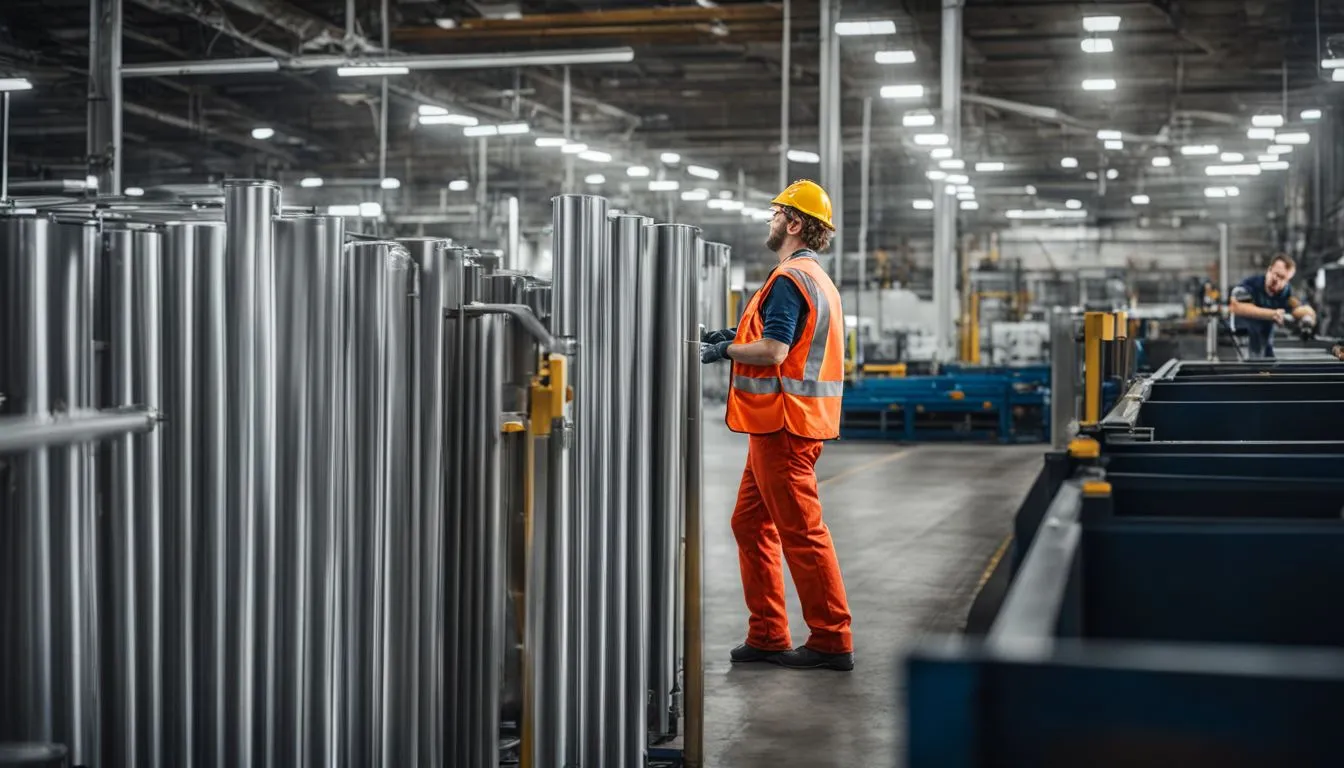
Choosing the right industrial pedestrian barrier involves understanding your environment, selecting the appropriate materials, ensuring compliance with regulations, easy installation and maintenance, as well as customisation for specific needs.
It’s a crucial decision that directly impacts workplace safety and productivity.
Understanding Your Environment
Kicking off with getting a good grasp on your environment is crucial. Our factories, warehouses, and worksites always buzz with activity. Trucks roll in and out, machinery hums all day long, and workers move about tirelessly.
Each place has its rhythm and flow. Recognising this helps us decide the best spots for high-density barriers to protect what’s precious: our people and equipment.
We also take into account the unique layouts of our spaces. Narrow aisles? Busy intersections within the premises? These are key points where installing safety barriers can really make a difference in preventing accidents before they happen.
It’s like setting up goalkeepers in just the right positions on a soccer field, they’re there to save the day by blocking potential threats from turning into real problems.
Importance of Material Selection
Once we’ve got a good grasp of the environment, picking the right materials for our safety barriers becomes crucial. Different settings call for different stuff. Imagine this: a warehouse bustling with heavy machinery won’t fare well with flimsy plastic barriers.
We need something sturdy, like high-density materials that can take a hit and keep on standing.
Choosing top-notch materials isn’t just about durability; it’s also about worker confidence. If our team sees that we invest in quality protection, they’ll feel valued and safe. This boosts morale and productivity, a win-win scenario for everyone involved.
So let’s not cut corners on material quality; it’s central to creating a secure workplace where everyone can thrive without worry.
Compliance with Regulations
When it comes to compliance with regulations, it’s vital for business owners to ensure that the chosen safety barriers meet all relevant occupational health and safety standards. It is advisable not only from a legal standpoint but also when seeking more than just peace of mind.
Our suite of high-density barriers is designed to enhance workplace safety by adhering to zoning systems, planning and zoning regulations, as well as work health and safety (WHS) protocols.
By investing in our compliant barriers, your business can navigate the ever-evolving realm of workplace security with confidence while protecting employees from potential hazards.
Ease of Installation and Maintenance
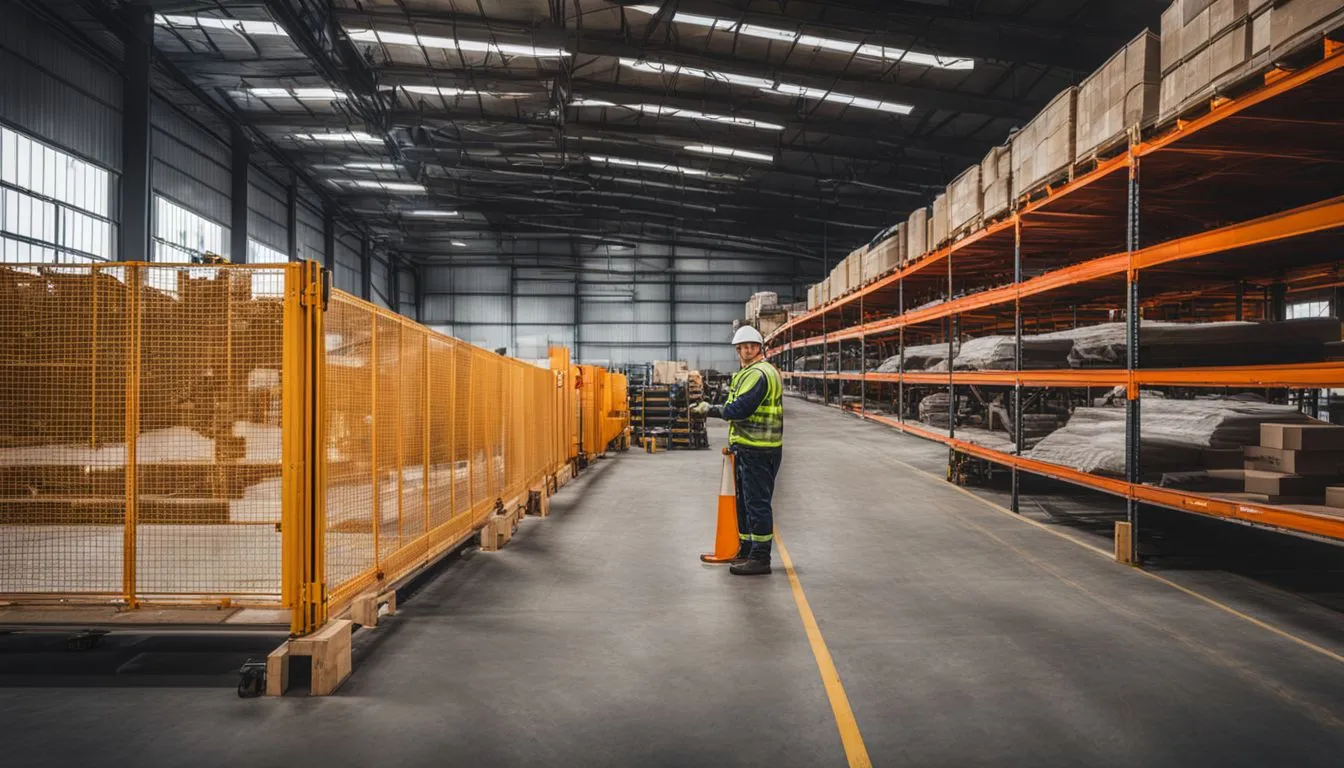
When it comes to installing and maintaining safety barriers, it’s crucial that the process is straightforward and efficient. Our heavy-duty safety barriers are designed for easy installation, helping you save time and resources.
With simple assembly procedures and clear instructions, our products ensure a hassle-free setup without the need for extensive expertise or specialised tools. Additionally, when it comes to maintenance, our high-density barriers require minimal upkeep, allowing you to focus on other aspects of your business operations.
Regular cleaning and periodic inspections are all that’s needed to keep these barriers in optimal condition, ensuring long-term reliability and durability.
Investing in high-density safety barriers not only enhances workplace security but also streamlines the installation and maintenance processes, saving you valuable time and resources.
Customisation for Specific Needs
As business owners, we understand that every workplace has unique requirements when it comes to safety barriers. That’s why selecting the right industrial pedestrian barrier involves understanding your environment, considering material selection, compliance with regulations, and ease of installation and maintenance.
The customisation options available allow you to tailor safety barriers to your specific needs, ensuring they underpin your ever-changing workplace safety protocols. Whether you need protective equipment for a high-traffic warehouse or hazard prevention in a manufacturing plant, customised safety barriers are designed to enhance workplace security while boosting productivity.
Investing in high-density barriers tailored towards your specific needs is advisable not only for meeting work health and safety WHS standards but also for creating a safe work culture amongst employees.
Unravelling the Complexities of Safety Standard Compliant Barriers
Understanding safety standard compliant barriers can seem daunting, but it’s not merely a bureaucratic tangle. These high-density barriers are meticulously designed to enhance workplace safety and minimise risk.
By complying with strict regulations, they ensure protection for workers and prevent vehicular damage, crucial components of work health and safety practices. Navigating the ever-evolving realm of occupational health is vital in today’s business landscape.
Investing in high-density barriers is advisable not only towards compliance but also profitability. These robust systems underpin a strong workplace safety culture while aligning with planning and zoning regulations.
They play a pivotal role in safeguarding employees amidst the hazards of industrial settings. Dive into our suite of safety barrier products to unlock the secrets behind their success.
Let’s delve into case studies demonstrating the importance of these life-saving solutions.
Case Studies Demonstrating the Importance of Safety Barriers
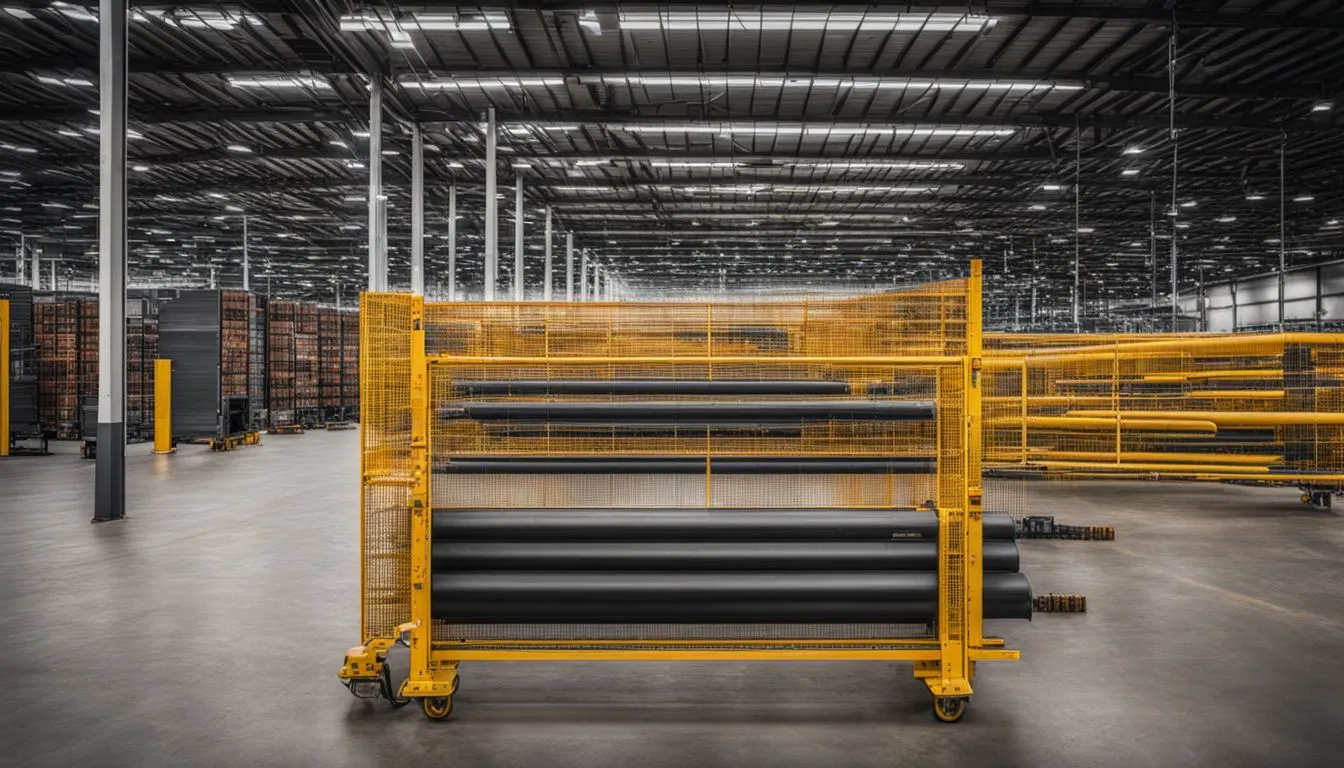
Case studies vividly illustrate the value of safety barriers in real-world settings. These stories reveal how businesses achieved significant improvements in workplace safety, productivity, and overall profitability through the strategic implementation of high-density barriers.
Case Study – Maersk Arndell Park
Maersk Arndell Park serves as an excellent example of the positive impact of high-density barriers in enhancing workplace safety. By installing these robust barriers, the facility significantly reduced vehicular damage and effectively protected workers from potential hazards, promoting a culture of safety within their operations.
As a result, Maersk Arndell Park experienced a notable decrease in workplace accidents, underpinning the vital role that safety barriers play in ensuring occupational health and safety.
The case study clearly demonstrates how investing in high-density barriers not only mitigates risks but also contributes to a safer work environment for employees. This proactive approach towards workplace safety aligns with modern risk management practices and underscores the importance of prioritising protective equipment and hazard prevention measures Keywords: Workplace safety, Occupational health and safety, Safety barriers.
Case Study – Brookfield
Brookfield, a leading construction company, faced numerous workplace safety challenges until they invested in high-density barriers. The introduction of these barriers significantly reduced the risk of vehicular damage and improved worker protection.
Ultimately, this investment led to a remarkable reduction in workplace accidents and an increase in overall productivity. The case study exemplifies the positive impact that safety barriers can have on workplace safety and business profitability.
Business owners stand to gain valuable insights from Brookfield’s experience with implementing high-density barriers. This case study highlights how investing in safety measures improves not only employee well-being but also positively impacts the bottom line.
Case Study – Alstom
One of our key case studies is Alstom, which showcases the pivotal role high-density barriers play in ensuring workplace safety. At Alstom, the implementation of robust safety barriers not only prevented vehicular damage but also safeguarded workers from potential accidents, creating a secure environment in line with work health and safety WHS regulations.
This investment in safety measures has proven to enhance productivity and profitability by mitigating risks and protecting both employees and assets within the facility.
In this case study, Alstom exemplifies how strategic investment in high-density barriers aligns with workplace safety initiatives while positively impacting business outcomes. The emphasis on occupational health and barrier protection at Alstom has paved the way for a safer working environment and reinforces the importance of prioritising industrial safety protocols for long-term success.”.
The Benefits of Investing in High-Density Barriers
Investing in high-density barriers offers a range of benefits for business owners. These robust safety solutions safeguard your workplace, promoting employee well-being and preventing costly accidents.
By strategically installing high-density barriers, you create a safer environment, reducing the risk of vehicular damage and worker injuries. Moreover, these barriers can contribute to enhanced productivity by streamlining workflow and ensuring smooth operations without compromising on safety measures.
Overall, investing in high-density barriers not only fosters a positive safety culture but also proves to be a sound business decision that prioritises both employee welfare and operational efficiency.
In addition to fostering a safe work environment, the implementation of high-density barriers supports risk management efforts while complying with stringent work health and safety regulations.
Such investment demonstrates institutional commitment to occupational health and safety standards while contributing to creating a secure workplace atmosphere conducive to optimal performance.
Overcoming Foreseen Obstacles in Implementing Safety Barriers
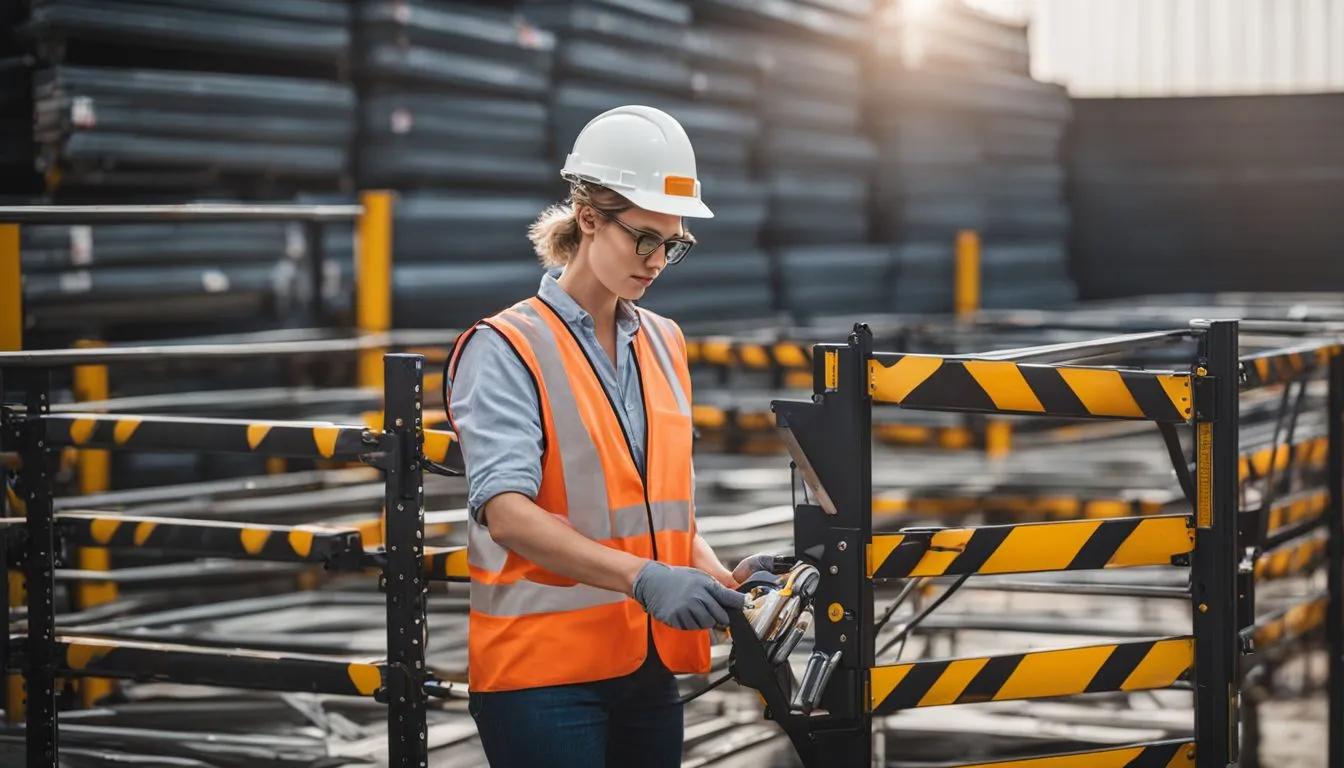
When implementing safety barriers, identifying and addressing potential obstacles is essential. Planning for challenges such as resistance from employees or logistical constraints can help in devising effective solutions.
Engaging with staff and providing thorough training on the benefits of safety barriers can mitigate resistance and enhance their buy-in. Additionally, collaborating with experienced suppliers who offer tailored solutions specific to your workplace needs will ensure successful implementation.
Reviewing zoning regulations and conducting a thorough site assessment will aid in overcoming logistical obstacles, ensuring compliance and seamless installation.
Ensuring full cooperation from all stakeholders, including employees and suppliers, is crucial for successful barrier implementation. By anticipating potential obstacles upfront and taking proactive measures to address them, businesses can mitigate risks effectively while enhancing workplace safety.
Next Heading: “10. A Glance at FSP’s Heavy-Duty Safety Barrier Products”.
A Glance at FSP’s Heavy-Duty Safety Barrier Products
FSP offers a range of heavy-duty safety barrier products designed to protect employees and property in industrial environments. Our high-density barriers are meticulously engineered to withstand impacts from machinery, vehicles, and other potential hazards, ensuring maximum protection for your workplace.
By investing in our tailored safety solutions, you can create a secure work environment that complies with occupational health and safety regulations while significantly reducing the risk of accidents or damage.
Our suite of heavy-duty barriers is not only designed to enhance workplace safety but also promotes a culture of proactive risk management within your organisation. With our robust safety products in place, you can provide your employees with the utmost protection while safeguarding against potential liabilities and disruptions to business operations.
Conclusion
In wrapping up, we’ve explored the vital role of high-density barriers in creating a safe workplace. The strategies and insights shared underline the practicality and efficiency of implementing safety barriers in any work environment.
Emphasising their importance, these approaches can make a substantial impact on enhancing safety, productivity, and profitability. If you’re seeking further guidance or resources, don’t hesitate to reach out for additional support beyond this article.
Remember – investing in high-density barriers is not just about compliance; it’s about safeguarding employees and elevating workplace security.