
22 April 2024 · filed in Product Highlight
Leveraging Bollards For Pathway Safety: A Practical Guide
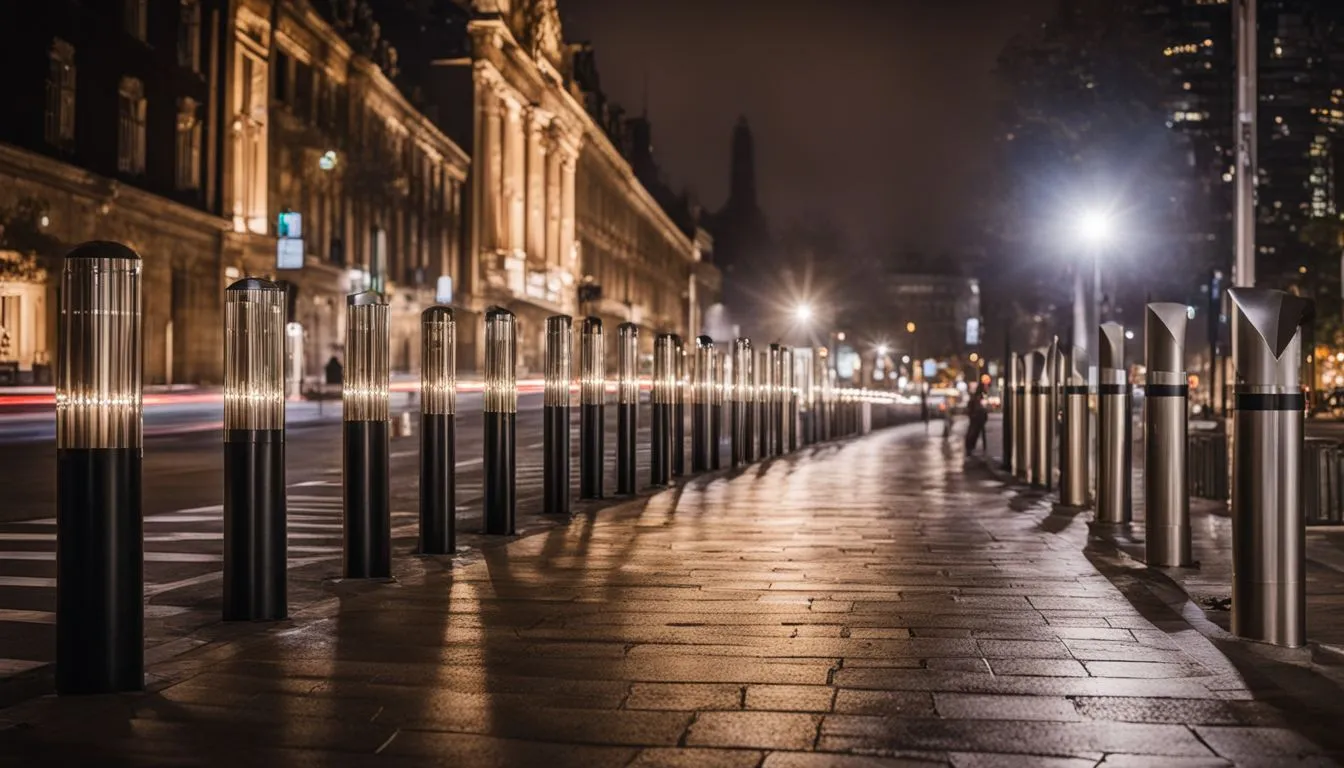
Ever found yourself doing a bit of an unexpected shuffle because the path ahead was as dark as a blackboard? Yeah, we’ve been there – tripping over who-knows-what, cursing under our breath.
That’s how we stumbled (quite literally) upon the genius of bollards for making walkways safer. Stick with us as we shine a light on how to use these nifty little guides to keep your night-time wanderings bruise-free.
Ready to find out? It’s going to be a bright idea!
Understanding the Role of Bollards in Pathway Safety
Bollards play a crucial role in pathway safety by providing a visual guide for drivers and offering physical protection to pedestrians. They are essential for delineating pathways, enhancing traffic management, and ensuring pedestrian safety amidst the urban nightscapes.
Visual guide for drivers
We’re turning pathways into visual guides for drivers with the strategic placement of bollards. By lining them along pedestrian zones and cycling paths, we make it clear where vehicles should not venture.
It’s like drawing a line in the sand but much more effective and permanent. This clarity helps avoid confusion on the road, making spaces safer for everyone.
Our approach also includes using brightly coloured or lit bollards to catch drivers’ attention night and day. Think of them as lighthouses guiding ships away from danger; only here, they guide cars away from places where people walk and bike.
This simple yet clever use of bollards drastically reduces accidents and enhances pathway safety in urban environments.
Providing physical protection
Beyond guiding drivers, bollards play a crucial role in safeguarding pedestrians and properties. By acting as sturdy barriers, they stop cars from entering zones meant only for foot traffic or protected areas.
Think of them as the silent guardians that stand firm against unwanted vehicle access, ensuring pathways remain safe havens for people strolling through.
Installing these traffic control devices around playgrounds, pedestrian plazas, and along bike paths ramps up safety levels significantly. It’s like adding an extra layer of armour to urban spaces.
In essence, bollards are more than just posts; they’re key players in crafting secure environments where businesses thrive and community members feel at ease walking about.
The Art and Functionality of Bollard Designs

Bollard designs are a fusion of aesthetics and utility, incorporating lit bollards that serve both decorative and functional purposes. We explore the evolution and current trends in lit bollard design, highlighting the seamless integration of artistry with practicality.
The fusion of aesthetics and utility in lit bollard design
We dive straight into blending beauty with purpose in our lit bollard designs. These aren’t your ordinary barriers; they’re mini-masterpieces lighting up pathways and ensuring safety.
Imagine walking down a path, guided by the soft glow of these lights, feeling secure yet captivated by the artistry. These bollards prove that practicality doesn’t have to be dull.
Moving on, let’s talk about how these designs have evolved over time.
Evolution of lit bollard designs
Turning from how lit bollards fuse aesthetics with utility, let’s explore their design evolution. Initially, these safety beacons were simple posts aimed at stopping cars from wandering off the road.
Think of them as the unsung heroes of pedestrian protection, standing guard silently in the night. Over time, designers realised they had a blank canvas on which to get creative.
They started incorporating LED technology, allowing for an array of colours and patterns that served both as warnings and guides through urban nightscapes. What began as rigid guardians evolved into dynamic sculptures illuminating pathways, merging functionality with street art.
Every new design pushed boundaries further, lighting up our streets in ways we hadn’t imagined before. From timber bollards adding a touch of nature to metal ones shining like lighthouses, each step forward made our public spaces safer and more inviting after dusk.
Current trends in lit bollard design
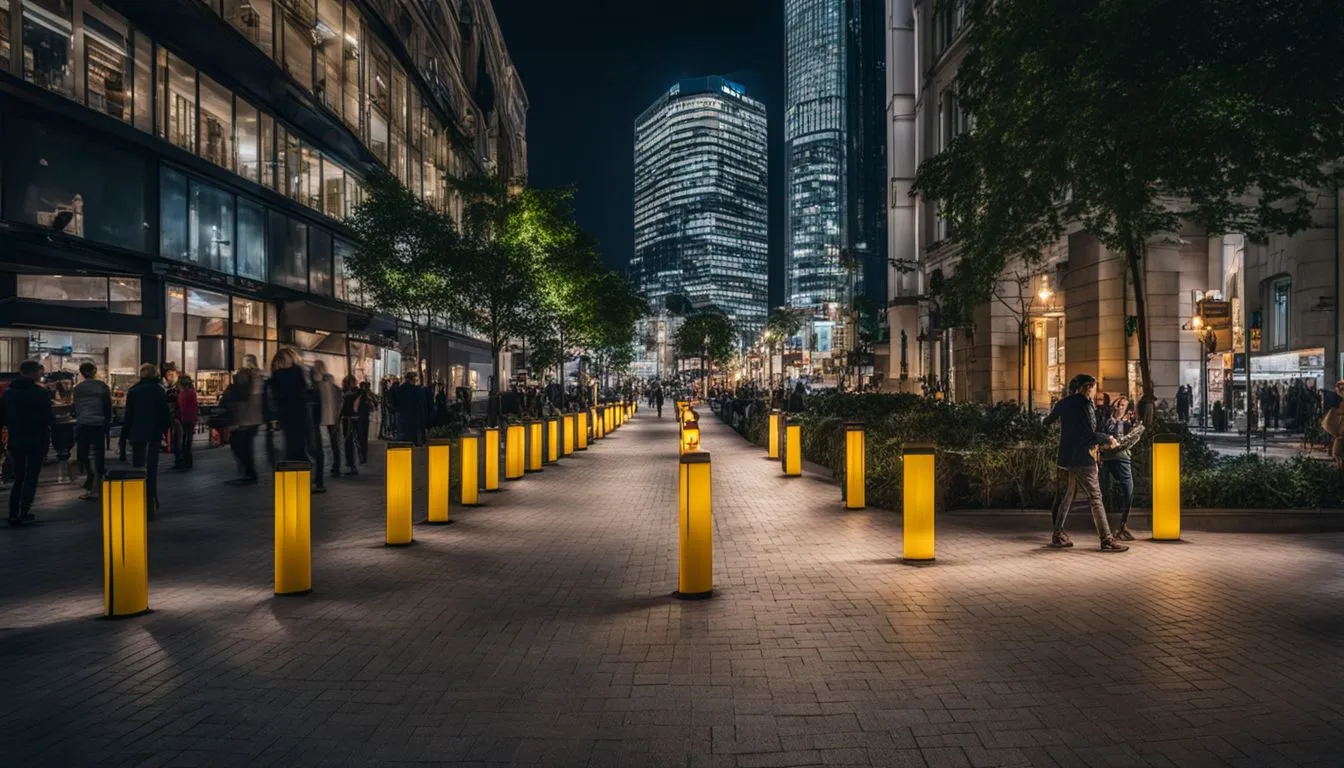
As we move from the past to the present in bollard design, a noticeable shift catches our eye. Today’s lit bollards are not just about lighting up pathways; they’re bending traditions, focusing on both safety and style.
We see them embracing sleek shapes and smart technology. LED lights have become a favorite, offering bright, energy-efficient illumination that guides pedestrians while cutting down on power bills.
Our journey through modern lit bollard trends reveals a fascination with integration. Many designs now come equipped with solar panels, making them self-sufficient beacons of light after sunset.
They stand as guardians of pathways without needing complex wiring or constant maintenance. This leap towards sustainability mirrors our commitment to a greener urban landscape while keeping our spaces safely lit at night.
Bollard Covers: Enhancing Safety and Aesthetics
Bollard covers play a crucial role in enhancing safety and aesthetics along pathways. They not only provide added protection but also contribute to the visual appeal of the surrounding area, making it more welcoming for pedestrians and visitors alike.
Advantages of slip-over bollard covers
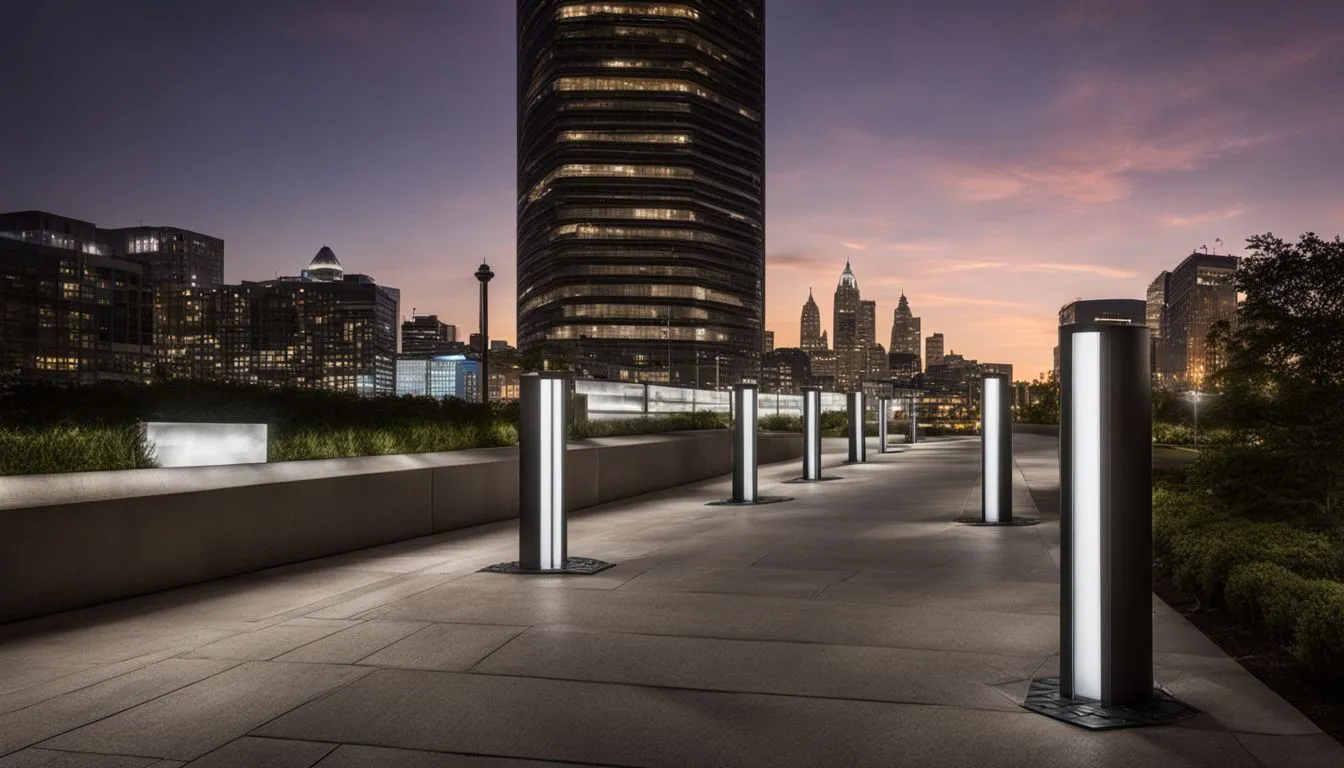
Slip-over bollard covers have turned safety into a simpler task. They offer a no-fuss solution for business owners concerned with pathway safety and aesthetics. Let’s dive right in and explore the benefits they bring to the table.
- Easy Installation: We all love a quick fix without cutting corners on quality. Slip-over bollard covers fit the bill perfectly. You simply slide them over existing bollards, and voila, you’ve got yourself an updated look and enhanced protection in minutes.
- Cost-effective Upgrade: Sprucing up your space doesn’t need to break the bank. These covers are an affordable way to give old bollards a fresh face, saving you from the expense of complete replacements.
- Variety of Designs: Whether your area screams modern chic or historical charm, there’s a slip-over cover to match every theme. This flexibility allows us to maintain consistency in our urban nightscapes without compromising on safety.
- Maintenance Made Simple: Forget about scraping, painting, or dealing with rust. These covers shield the bollards from wear and tear, making upkeep a breeze.
- Improved Visibility: Some covers come with reflective surfaces or built-in lighting. They make pathways safer by ensuring that both pedestrians and drivers can clearly see bollard barriers at any time of day or night.
- Enhanced Durability: Made from tough materials like polyethylene or steel, these covers protect your bollards against harsh weather conditions and daily bumps from vehicles, extending their lifespan significantly.
Now that we’ve covered how slip-over bollard covers can benefit us let’s shift gears towards something equally compelling, triangular bollard covers!
The unique appeal of triangular bollard covers
Triangular bollard covers truly stand out for their distinctive shape, setting them apart in a world where round and square are the norms. This intriguing design not only catches the eye but also serves a functional purpose.
The three sides can act as reflective surfaces, significantly improving visibility for drivers at night or during poor weather conditions. We’ve seen firsthand how they guide pedestrians and vehicles alike, creating safer pathways while adding an element of modern aesthetic to urban landscapes.
Incorporating these covers into pathway safety strategies brings a fresh perspective to traditional traffic management practices. They seamlessly merge safety with style, proving that practical solutions can also be visually appealing.
As we move towards enhancing aesthetics in public spaces, let’s explore how lighting plays a crucial role in pathway design.
Pathway Design Considerations

When designing pathways, we must take into account factors such as width, bicycle operating speeds, curvature, gradients, and lighting to ensure safety for pedestrians and cyclists.
Our aim is to create spaces that are safe and functional for all users to enjoy.
Width of paths
Paths must provide adequate room for safe and comfortable passage. The width of paths is a crucial factor in ensuring pedestrian safety – wider pathways are more accommodating, reducing the risk of collisions or obstructions.
Business owners should consider the intended use of the pathway when deciding on its width; for example, allowing ample space for both pedestrians and cyclists if it’s a shared path.
Ensuring sufficient clearance allows for easier navigation and minimises potential conflict between users.
Bicycle operating speeds
Bicycle operating speeds play a critical role in pathway safety. As business owners, understanding and accounting for the varying speeds of cyclists can help ensure that pathways are designed to accommodate both pedestrians and cyclists.
By considering bicycle operating speeds in pathway design, you can create a safer environment for everyone, ultimately enhancing pedestrian safety measures while promoting efficient traffic management within urban areas.
Additionally, optimising pathways for different bicycle operating speeds contributes to the overall safe system approach desired in urban nightscapes and main streets. It provides an opportunity to align with road design standards and traffic management regulations while catering to the needs of both pedestrians and cyclists.
Horizontal curvature
The horizontal curvature of pathways is a crucial consideration for ensuring safe navigation. It involves the bend or slope in the pathway, directly impacting visibility and manoeuvrability for both pedestrians and cyclists.
Properly designed horizontal curvature allows for smooth transitions around corners, reducing blind spots and potential collision points. By carefully planning the curvature, we can create paths that flow naturally and provide optimal safety for all users, promoting an enjoyable experience while minimising risks.
Business Owners should prioritise assessing the horizontal curvature of pathways to ensure they are conducive to safe pedestrian and cyclist movement. Understanding how this aspect impacts overall pathway safety is essential in creating well-designed spaces that cater to diverse user needs, ultimately contributing to a positive urban environment.
Path gradients
Transitioning from considering the horizontal curvature of pathways, let’s now delve into the importance of path gradients. Path gradients play a crucial role in ensuring pedestrian safety and accessibility for all individuals using the pathway.
The gradient or slope of the path needs to be carefully planned to accommodate users, including those with mobility aids such as wheelchairs or walking frames.
We must consider that steep gradients can pose challenges for individuals with limited mobility. Ensuring gentle slopes and manageable inclines not only improves safety but also promotes inclusivity within our built environments.
Lighting
Illuminate your pathways and enhance safety with strategic lighting. Placing lights strategically along the pathways not only illuminates the way but also ensures visibility, especially during low-light conditions.
Well-placed lighting can guide pedestrians and cyclists, making it easier for drivers to spot them in urban nightscapes. By considering current trends in lit bollard design, we can optimise the use of light to improve pedestrian safety without compromising aesthetics.
Effective lighting is an essential component of pathway safety that business owners need to prioritise. It contributes significantly to enhancing traffic management, signposting, and improving overall urban nightscapes while ensuring adherence to road design standards for safe system approach initiatives.
Intersection Safety with Bollards

When navigating intersections, bollards serve as effective barriers between different paths, enhancing safety for pedestrians and cyclists. At road crossings, bollards help direct traffic flow and maintain clear boundaries to reduce the risk of accidents.
Intersections of paths with paths
Paths intersecting with other paths demand careful consideration to ensure the safety and smooth movement of pedestrians and cyclists. We must strategically position bollards to delineate these intersections, guiding users while maintaining a clear line of sight.
Incorporating illuminated bollards at these junctions significantly enhances visibility during low-light conditions, ensuring safe navigation for all pathway users. Additionally, implementing traffic calming measures such as textured or colourful bollard covers can alert users to be mindful of their surroundings, promoting an overall safer pedestrian environment in urban nightscapes.
Incorporating clear signage along with well-placed bollards at intersections helps maintain order and promotes efficient traffic flow within pathways. By considering the space requirements and the different types of pathway users, we can design secure pathways that effectively cater to the needs of everyone – from pedestrians to cyclists – ensuring optimal safety for all individuals utilising our walkways.
Intersections of paths with roads
As we consider pathways intersecting with roads, safety becomes a focal point in our urban planning efforts. Installing bollards at these critical junctions is crucial for preventing potential collisions and ensuring the smooth flow of pedestrian and vehicular traffic.
These bollards serve as physical barriers that guide pedestrians towards designated crossing points while deterring vehicles from encroaching onto the pathways. By strategically placing bollards at these junctions, business owners can enhance pedestrian safety measures in their vicinity while also contributing to an overall improvement in road design standards and traffic management regulations.
Integrating bollards at junctions of paths with roads emphasises a safe system approach, aligning with urban nightscapes where pedestrian safety is paramount. Leveraging contemporary designs combined with effective placement can significantly contribute to creating a safer environment for both pedestrians and drivers, ultimately enhancing the civic space planning within main streets and other high-traffic areas.
Conclusion
We’ve explored the important role of bollards in ensuring pathway safety, from providing visual guidance for drivers to delivering physical protection. By understanding the art and functionality of bollard designs, we can appreciate how they integrate aesthetics with utility, adapting to ever-changing urban nightscapes.
Bollard covers further enhance safety and aesthetics, offering slip-over options and unique triangular designs. It’s crucial to consider pathways’ design elements such as width, curvature, gradients, and lighting to ensure safe pedestrian navigation.
When it comes to intersection safety with bollards, careful planning at path-path and path-road intersections is paramount. Leveraging these insights will undoubtedly contribute significantly towards streamlining traffic management and creating safer urban environments for all.
For more insights on enhancing your pathway’s security and design, explore our detailed guide on roll-over gates for durability and reliability.