
12 February 2026 · filed in Safety Barriers Sydney
Maintenance Tips To Extend The Life Of Your Safety Barriers
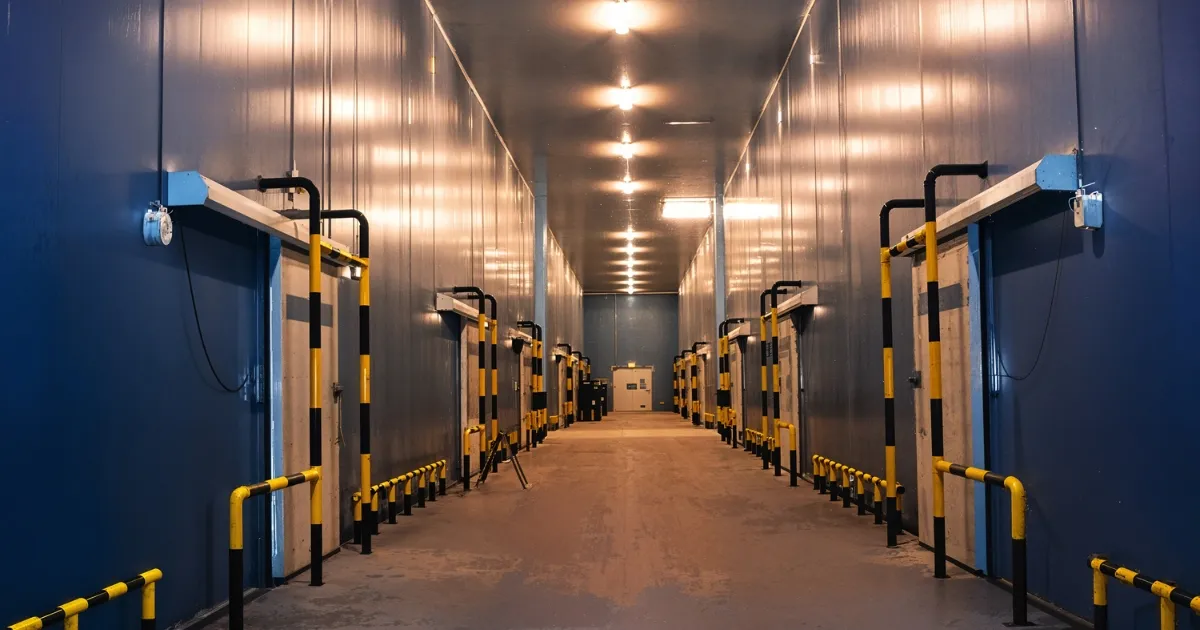
Maintaining safety barriers is often overlooked until something goes wrong. However, regular upkeep can significantly prolong the life of these essential workplace assets. In busy industrial and warehouse environments, barriers play a crucial role in protecting your staff, equipment, and workflow efficiency.
Understanding how to care for your gear not only ensures ongoing compliance but also maximises your return on investment. Here are some practical maintenance insights for organisations that rely on industrial safety barriers every day.
Understanding Safety Barriers in Your Workplace
Safety barriers are robust physical installations designed to protect people and infrastructure from accidental impact. These systems form the core of any proactive safety strategy, especially in zones with frequent forklift movement or heavy equipment usage.
Industrial barriers create protected areas, separate pedestrian walkways from vehicle routes, and act as visual cues to minimise dangerous interactions. Proper installation and consistent maintenance reduce the likelihood of unplanned downtime caused by barrier failure or inadequate protection.
Key Maintenance Practices for Safety Barriers
Routine inspections are the backbone of any effective maintenance programme. Visual checks help identify early signs of wear, corrosion, or structural shifts before they compromise safety.
- Visual Inspections: Use a checklist to ensure consistency. Focus on joints, floor fixings, and any visible dents or cracks. Trained personnel should conduct these checks frequently, particularly in high traffic areas.
- Regular Cleaning: Clean barrier surfaces to prevent the build-up of dust, grime, and corrosive substances that speed up material degradation. In facilities exposed to chemicals or moisture, more frequent cleaning helps counteract wear. Simple cleaning agents and soft brushes are usually all you need.
- Lubrication: If your barrier system includes access gates or movable sections, lubricate the hinges and connectors. This ensures smooth operation and reduces friction related damage to the moving parts.
Addressing Wear and Structural Issues Promptly
Timely repairs ensure small issues do not become significant hazards. If an inspection reveals a bent rail, a loose bolt, or a worn bracket, address it immediately. Unresolved minor damage can magnify with continued use and lead to a full system failure.
High impact zones near forklift pathways or loading docks often need more frequent assessments. A documented maintenance plan helps track how often specific problem areas arise, making it easier to adjust your inspection schedule based on actual site conditions.

Training and Documentation for Consistent Upkeep
Maintaining safety barriers is a people task as much as a physical one. Staff responsible for inspections should be trained to identify subtle issues and understand how to record their findings.
Documentation helps demonstrate compliance with workplace safety standards and informs your future budgets for upgrades. Recording routine checks creates a maintenance history that identifies recurring problems or patterns of wear. This evidence supports better decision making and keeps your team accountable.
Special Considerations for Industrial Settings
Your maintenance strategy should consider the specific materials of your barrier system. For example, heavy duty steel barriers may require corrosion control and paint touch ups to stay visible. Polymer barriers might need more frequent surface cleaning to maintain their impact absorbing properties.
Environmental conditions like temperature fluctuations and chemical exposure affect how often you need to perform maintenance. Facilities handling corrosive materials may need specialised protective coatings applied periodically to extend the life of the steel further.
Why Investing in Quality Barriers Matters
While regular maintenance is crucial, starting with a high-quality barrier system ensures a stronger foundation. Robust barriers are engineered to withstand daily operational stresses and absorb impacts better than cheap alternatives.
Choosing durable solutions also boosts workplace confidence. When staff see that the protective infrastructure is well maintained and solid, it reinforces a positive safety culture across the entire facility.
Conclusion
Implementing a consistent maintenance plan extends the life of your safety barriers while safeguarding your workforce and assets. Regular inspections, cleaning, and timely repairs should be part of your operational routine.
Investing time in structured upkeep supports compliance and reduces long term replacement costs. When you choose Verge Safety Barriers as your partner, you are backing your workplace with Australian manufactured excellence. With quality products and a proactive approach, you will protect your people and your infrastructure more effectively every day.
FAQs
Why is regular maintenance of safety barriers important?
It prevents structural failures, extends the lifespan of the steel, and ensures your site stays compliant with safety regulations.
How often should safety barriers be inspected?
High traffic areas should be checked weekly, while a full facility audit should be conducted every six months.
What is the most common maintenance issue?
Loose floor anchors are common in high vibration areas. Regularly checking and tightening these bolts is essential for barrier stability.
Can environmental factors affect barriers?
Yes. Moisture, chemicals, and extreme temperatures can accelerate rust and material fatigue, meaning more frequent checks are required in these settings.
How does documentation help with upkeep?
It provides a paper trail for safety audits and helps you identify which areas of your warehouse are prone to the most damage.