
29 December 2023 · filed in Safety Update
Mastering Industrial Safety to Safeguard Production Areas
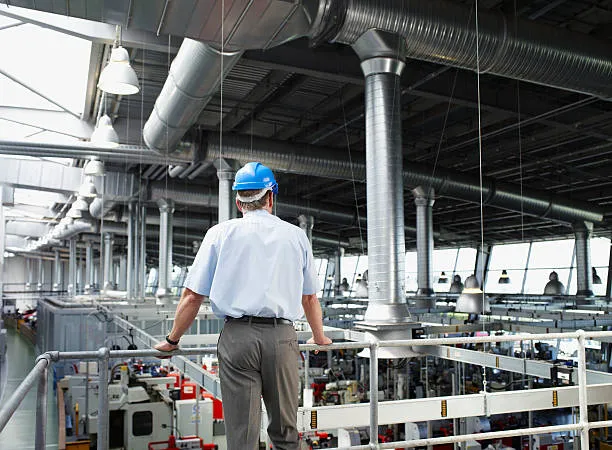
Industrial safety is like a shield that guards our lives, machines, and the very places we work in every day. Imagine it as an invisible fortress around all the gears and gadgets in factories that make sure everything runs smooth and safe. We’re talking about a world where precision control is king; every dial read right means one less accident waiting to happen, thanks to instrumentation engineering know-how.
Picture this: an industrial plant humming along without a hitch because everyone followed safety rules from the get-go, right when they drew up blueprints for building it. And just like how players have moves in a game, there are five powerful ‘Rs’ at play here: Recognise dangers before they catch anyone off-guard, Respond fast if trouble knocks on the door, Report what went wrong so it can be fixed, Record details to keep track of issues, and Refer any serious stuff straight to the experts.
We’ve seen big advances lately with machines helping us out more than ever before, they’re like trusty sidekicks keeping watch over different tasks such as cutting or bending materials. But even heroes need backup; hence we train people well and check on machinery regularly. Our goal? Keeping data safe from sneaky cyberattacks while following Good Manufacturing Practice (GMP) guidelines ensures not even a speck of dust makes its way into our food products.
Wrapping things up neatly isn’t always possible, it’s more about tuning in for new ideas on how you can boost your business’s defences against accidents or thefts. Buckle up! There’s plenty more safety savvy coming your way as we delve deeper into mastering industrial protection must-dos together. Read on to power-up your industry safeguards!
Importance of Industrial Safety
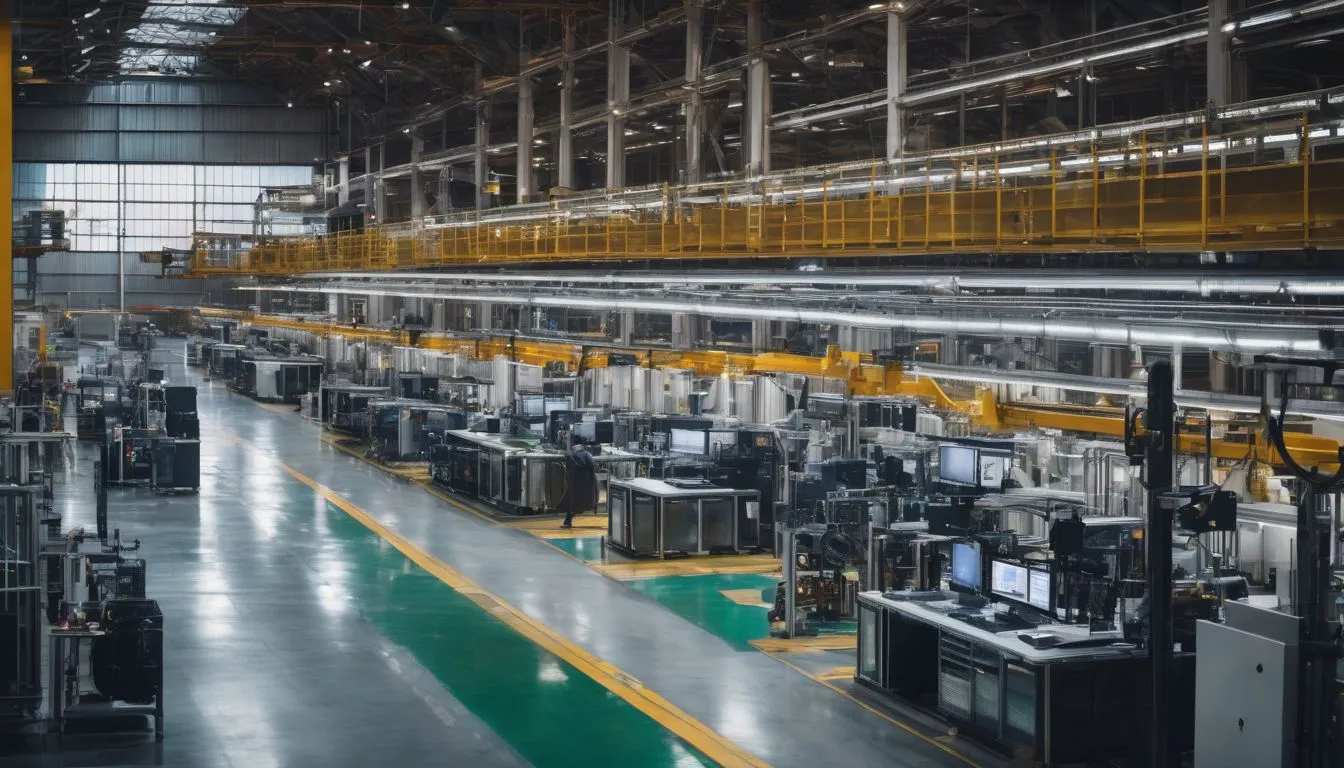
Industrial safety is a crucial aspect of any business operation, as it not only protects the lives of employees but also safeguards valuable assets. Compliance with safety regulations is essential for maintaining a secure and productive work environment.
Protecting lives and assets
We prioritise the safety of our workforce and the security of our industrial plants. By implementing Good Manufacturing Practices (GMP), we routinely clear away potential hazards like litter and ensure proper drainage systems are in place, preventing accidents before they happen.
Physical security measures also play a crucial role; by fortifying our buildings, we safeguard against theft and damage to valuable resources.
Investing in modern manufacturing equipment comes with its risks which is why mastering the technical aspects of instrumentation engineering is essential for both worker safety and asset protection.
It’s about being proactive, using cutting-edge IIoT security to shield sensitive information from cyber threats while ensuring that every machine operates within strict safety parameters.
Moving forward, compliance with regulations helps us maintain this high standard of workplace safety and occupational health.
Compliance with regulations
Compliance with safety regulations ensures that your industrial facility meets the necessary standards for protecting lives and assets. Adhering to safety protocols, equipment protection, and emergency preparedness measures not only keeps your workers safe but also helps in avoiding potential risks and liabilities.
Implementing Good Manufacturing Practices (GMP) for routine grounds-keeping schedules, physical security for building sites, and IIoT security for safeguarding sensitive information are essential aspects of maintaining compliance with safety standards.
Safeguarding production areas requires a thorough understanding of occupational safety requirements and risk management principles to ensure that your facility remains compliant with industry regulations.
Mastering the Technical Aspects of Instrumentation Engineering
In mastering the technical aspects of instrumentation engineering, we focus on precision control and monitoring. This includes understanding the intricacies of maintenance and troubleshooting to ensure optimal safety in industrial environments.
Precision control and monitoring
We master precision control and monitoring to ensure optimal operational output. Utilising advanced industrial controls allows us to maintain peak efficiency while safeguarding production areas.
Implementing cutting-edge technology enables us to monitor processes with pinpoint accuracy, ensuring hazard prevention and production safety at all times.
Industrial security entails constant vigilance in the realm of instrumentation engineering. We rely on state-of-the-art protective equipment and robust hazard prevention measures to guarantee that our facilities are well-guarded against potential risks.
Maintenance and troubleshooting
We ensure equipment efficiency through regular maintenance and prompt troubleshooting.
- Regularly schedule equipment maintenance to prevent breakdowns and ensure optimal performance, adhering to Good Manufacturing Practice (GMP) guidelines.
- Implement predictive maintenance strategies, such as vibration analysis and thermal imaging, to identify potential issues before they result in downtime or accidents.
- Train staff on proper equipment troubleshooting techniques to quickly diagnose and rectify any malfunctions, ensuring minimal disruption to production processes.
- Utilise advanced diagnostic tools and technologies to support troubleshooting efforts, maximising the effectiveness of the maintenance team.
- Document all maintenance activities and troubleshooting processes for future reference and continuous improvement purposes, aligning with safety procedures and regulatory requirements.
- Monitor equipment performance and conduct regular inspections to proactively identify areas requiring maintenance or troubleshooting interventions, thereby safeguarding production areas.
Safeguarding Safety and Efficiency in Industrial Plants
Utilising safety protocols and implementing safety measures in design and construction are essential for safeguarding the efficiency and security of industrial plants. It is crucial to ensure that all aspects of production areas are equipped with the necessary safety measures to prevent any potential risks or hazards.
Utilising safety protocols
Implement regular safety protocols to ensure a secure work environment. Conduct routine checks and inspections of machinery and equipment as part of safety maintenance. Enforce strict adherence to safety guidelines to prevent accidents and injuries on the production floor.
Utilise IIoT security measures to safeguard sensitive data from unauthorised access, ensuring that industrial operations remain protected against potential cyber threats. Incorporate Good Manufacturing Practices (GMP) in all aspects of production for quality assurance and compliance with industry standards.
Regularly review and update safety protocols in line with evolving regulations and best practices to maintain optimal levels of industrial security.
Implementing safety measures in design and construction
- Conduct thorough risk assessments to identify potential hazards in the design and construction phase.
- Integrate safety considerations into the initial planning stages of a new facility or plant expansion project.
- Regularly review and update safety protocols to align with industry standards and regulations.
- Collaborate with architects, engineers, and construction teams to incorporate safety features into the design blueprints.
- Prioritise employee training on identifying construction – related safety hazards and implementing preventive measures.
- Utilise durable materials that are resistant to wear, tear, and corrosion for long – lasting structural integrity.
- Employ advanced technology such as sensors and alarms for early detection of potential safety risks during the construction process.
- Establish clear emergency response procedures for accidents or incidents during the construction phase.
The 5 Rs of Safeguarding
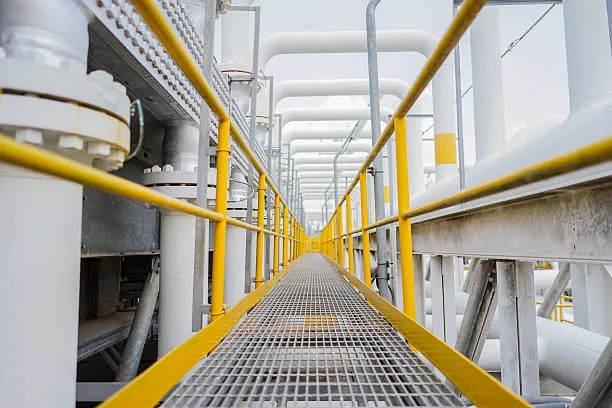
Recognise potential hazards, Respond effectively to emergencies, Report incidents promptly, Record safety information and Refer to expert guidance when needed. These 5 Rs are crucial in maintaining a safe and secure industrial environment.
Recognise
Recognising potential hazards is crucial for maintaining industrial safety. Assessing the work environment regularly allows us to identify any risks or dangers that could compromise the safety of our workers and the efficient operation of our facilities.
This proactive approach empowers us to take necessary precautions and implement appropriate safety measures, reducing the likelihood of accidents and ensuring a secure production area.
Identifying potential hazards aligns with Good Manufacturing Practices (GMP) by emphasising the significance of routine grounds-keeping schedules to remove litter and debris from our facilities.
Respond
We swiftly respond to potential hazards or safety breaches in our industrial plant, ensuring a proactive approach to keeping our workplace safe. Utilising clear communication channels and emergency response protocols, we ensure that all team members are equipped to react effectively in case of an incident.
Regular drills and training sessions empower our staff to respond confidently and decisively during unexpected situations. By fostering a culture of readiness, we prioritise the safety and well-being of everyone on site.
– Report
Report
After responding to a safety concern, timely reporting is crucial for addressing potential hazards and preventing future incidents. Documentation of safety issues allows for the analysis and implementation of preventive measures.
By promptly reporting safety concerns, we ensure that appropriate actions are taken to maintain industrial safety standards and protect both lives and assets within the production areas.
Regularly recording instances of potential hazards assists in identifying patterns or recurring issues that may require specific attention. With accurate documentation, we can refer back to previous reports to address similar situations effectively.
Record
We record all safety incidents and near misses to identify patterns and make necessary adjustments. This helps us understand potential hazards in the production areas and take proactive steps to prevent accidents.
Detailed record-keeping also ensures compliance with regulations, which is crucial for maintaining a safe working environment. Proper documentation of safety incidents enables us to analyse data trends, implement corrective actions, and continuously improve our industrial safety measures.
By recording safety incidents and near misses, we actively contribute to the ongoing enhancement of our industrial safety protocols. Keeping thorough records allows us to track progress in addressing safety concerns while promoting transparency within the organisation.
Refer
When facing a workplace safety concern that is beyond our expertise, we refer to qualified professionals for guidance and support. By seeking help from specialists in the field, we ensure that potential hazards are effectively identified and mitigated, contributing to a safer and more secure industrial environment.
We recognise the value of consulting experts when dealing with complex safety issues, as they possess the knowledge and experience necessary to address challenges effectively. Through collaboration with seasoned professionals, we can implement robust safety measures that align with industry best practices, promoting a culture of proactive risk management within our production areas.
How Machine Safeguarding Can Improve Industrial Safety
Identifying potential hazards and implementing safety devices can significantly improve industrial safety. Proper training, regular maintenance, and inspections are also crucial in ensuring the effectiveness of machine safeguarding measures.
Identifying potential hazards
To ensure industrial safety, we must be vigilant in identifying potential hazards. This involves:
- Regularly inspecting the production areas for any loose or frayed electrical wires that could pose a fire hazard.
- Checking equipment for signs of wear and tear, such as rust, cracks, or broken components that may lead to malfunctions.
- Assessing the layout of the production floor to identify any congested areas where workers and machinery are in close proximity, increasing the risk of accidents.
- Examining chemical storage facilities for leaks or improper labelling that could result in accidental exposure or mixing of hazardous substances.
- Monitoring environmental factors such as temperature, humidity, and ventilation to prevent overheating, moisture-related issues, or air quality problems that may impact worker health and safety.
- Evaluating ergonomic factors to identify repetitive tasks, awkward postures, and heavy lifting requirements that can lead to musculoskeletal injuries among workers.
- Reviewing work processes for potential pinch points, entanglement hazards, and other dangerous interactions between machinery and personnel.
Using safety devices
Implementing safety devices is crucial in ensuring industrial safety. These devices, such as emergency stop buttons and machine guarding, help prevent accidents by providing physical barriers and quick shutdown options.
Regular maintenance and inspections of these safety devices are essential to ensure they function effectively at all times. Training employees on the proper use of these devices can further enhance their effectiveness in safeguarding production areas.
Industrial plants benefit greatly from the use of safety devices, as they not only protect workers but also contribute to overall efficiency. Integrated sensors and alarms can provide immediate notifications of potential hazards, allowing for swift responses to mitigate risks.
Proper training and education
Proper training and education ensure that all employees are equipped with the knowledge and skills necessary to navigate potential hazards in industrial settings. Training programmes should cover emergency procedures, proper use of safety equipment, and hazard recognition.
Regular refresher courses also play a crucial role in reinforcing safety protocols and maintaining awareness.
Education on the latest industry standards, regulations, and best practices enhances employees’ ability to identify potential risks effectively. Hands-on training sessions can familiarise staff with different safety devices and technologies while promoting a culture of proactive risk management within the organisation.
Regular maintenance and inspections
- Proper training and education equip employees with the knowledge to conduct regular maintenance and inspections.
- Conduct thorough visual inspections of machinery and equipment for signs of wear, damage, or potential hazards.
- Schedule routine maintenance checks according to manufacturer’s guidelines to ensure optimal performance and safety.
- Implement a preventive maintenance programme that includes lubrication, cleaning, and adjustments as necessary.
- Keep detailed records of all maintenance activities, including dates, procedures performed, and any issues identified.
- Ensure that all personnel involved in maintenance and inspection receive ongoing training to stay updated on safety practices and industry standards.
Conclusion
Mastering industrial safety involves safeguarding production areas and implementing practical strategies. By prioritising precision control and monitoring in instrumentation engineering, businesses can ensure efficiency while minimising potential hazards. Emphasising the 5 Rs of Recognise, Respond, Report, Record, and Refer equips teams with essential safety protocols. Implementing machine safeguarding techniques can lead to significant improvements in industrial safety and efficiency.
Mastery over industrial safety can protect more than just production areas; it safeguards your workforce and productivity. Verge Safety Barriers is here to assist you in every step towards safer industrial environments. Are you ready to apply these practical tips to protect lives and assets in your production areas? Remember, ensuring industrial safety is an ongoing process that requires dedication and vigilance. Take action today to create a safer work environment for everyone involved.