
23 January 2026 · filed in Safety Barriers Sydney
Materials Used to Manufacture Long-Lasting Safety Barriers
Workplaces can experience safety risks when barrier materials start to rust, bend or weaken earlier than expected. These issues are common in areas with frequent vehicle movement, where impact and vibration place continuous pressure on barrier systems. When materials fail, they create hazards that lead to damage, delays and added costs.
Reliable performance depends on the materials used to manufacture safety barriers. Each material responds differently to impact, weather and daily wear, and some hold their strength longer than others. Understanding these differences helps businesses select barrier options that remain durable, resist corrosion and support safer on site operations.
Steel Barriers
Steel is a common material used in safety barrier construction because it provides strong protection in areas with frequent vehicle movement. It manages heavy loads well and stays stable when anchored correctly. This makes steel suitable for warehouses, loading zones and industrial facilities that need firm physical separation.
Untreated steel can deteriorate when exposed to moisture or chemicals, so coatings are often applied to limit corrosion. Galvanised and powder coated finishes help the barrier keep its shape and surface quality for longer periods.
Steel can still bend after repeated impact, which may lead to repairs or part replacement. Because it is rigid, more force transfers into the floor and anchor points, which can affect surrounding surfaces during strong impact.
Polymer Barriers
Polymer safety barriers are designed to absorb impact rather than transfer force into the ground or surrounding structures. This makes them suitable for areas with frequent vehicle movement, as the barrier can flex during contact and return to shape without major damage. The reduced strain on floors and anchor points also helps maintain site conditions over time.
Polymers are corrosion resistant and handle exposure to moisture, chemicals and temperature changes. This makes them a practical option for indoor and outdoor environments where steel may deteriorate more quickly.
Because polymer components are lightweight, they are easier to install and reposition when site layouts change. Many systems also use modular parts, allowing damaged sections to be replaced without removing the entire barrier.
Hybrid Systems
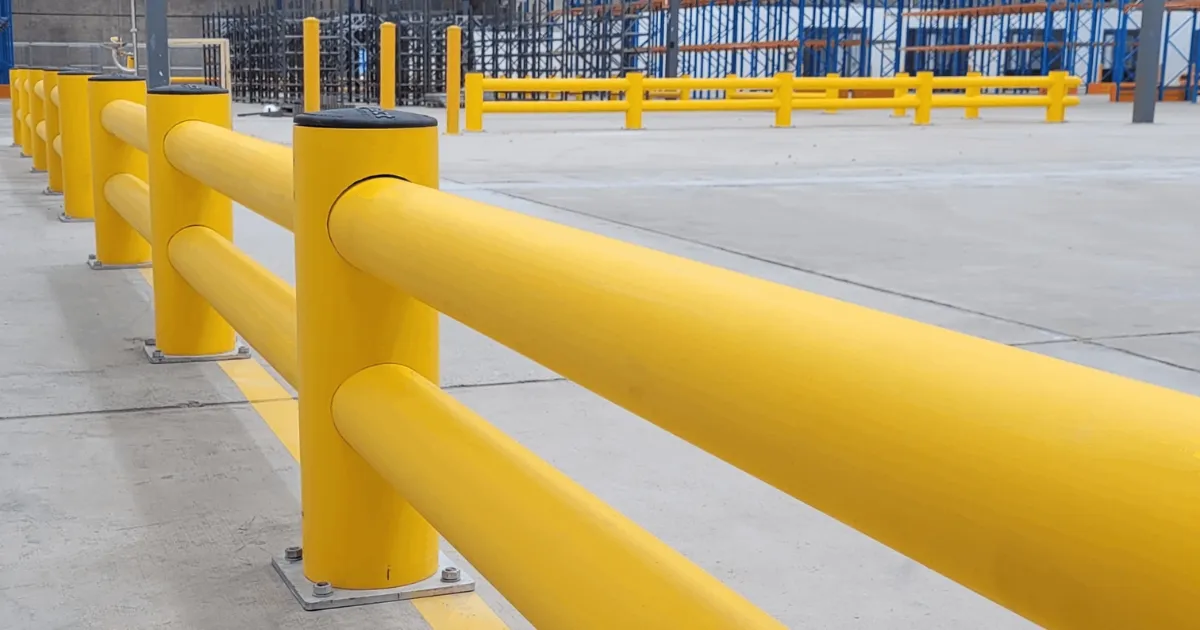
Hybrid safety barriers combine steel and polymer components to balance strength with impact absorption. These systems often use a steel core for structural support and a polymer exterior to reduce force during contact. This approach helps maintain stability while lowering the risk of damage to floors, anchors and surrounding equipment.
Hybrid designs suit facilities that need both rigidity and flexibility. They perform well in areas with mixed traffic, where different types of impact can occur throughout the day. Workplaces that require engineered systems can review additional options through Verge Safety Barriers.
Many hybrid systems are modular, which allows individual components to be replaced without removing the full structure. This supports long term maintenance and helps reduce disruption during repairs.
Environmental and Impact Considerations
Barrier performance is strongly influenced by the conditions of the site. Outdoor areas expose materials to moisture, sunlight and changing temperatures, which can lead to corrosion or surface wear if the material is not suited to the environment. Polymers handle weather variations well, while treated steel provides better durability than raw steel.
Impact behaviour also differs between materials. Steel stops force through resistance, which can lead to deformation or strain on anchor points. Polymers disperse impact, which helps lower repair needs and keeps the barrier functioning for longer periods. Hybrid systems offer a balance by supporting structural strength while reducing the effect of repeated contact.
Selecting materials that match the site environment helps maintain barrier performance over time.
Installation, Modularity and Cost
Installation plays a key role in how well a barrier performs over time. Polymer systems are lighter than steel, which makes them easier to move, position and install in busy facilities. This helps reduce labour requirements and limits disruption during layout changes. Steel barriers remain suitable for fixed areas but usually take longer to install because of their weight and anchoring needs.
Modular designs allow damaged sections to be replaced without removing the entire barrier. This supports faster maintenance and helps keep sites operating smoothly. Cost efficiency depends on the type of material and the level of upkeep required. Polymers may cost more at the start but can offer longer service life with fewer repairs.
Compliance and Real-World Use
Safety barriers must meet the requirements set out for workplace protection, especially in facilities with frequent vehicle activity. Certified systems undergo testing to confirm they can handle relevant impact levels and site conditions.
Using materials that meet these standards helps reduce risks and supports safer movement across work areas. In active workplaces, barrier materials influence how well the system holds its shape after repeated contact. Polymers stay bright and maintain visibility because the colour is built into the material.
Treated steel remains durable but may need surface checks to monitor wear. Hybrid systems provide a mix of strength and impact control, which helps maintain performance across different environments. Matching barrier materials to the site improves long term reliability.
Selecting Suitable Barrier Materials
Selecting suitable barrier materials depends on how the site operates and the level of impact the barrier will manage each day. Some areas need firm resistance for vehicle contact, while others benefit from materials that reduce strain on floors or handle outdoor exposure. Considering these factors helps identify a system that supports long term performance and safer movement across the site. At Safety Barriers Sydney, we guide workplaces through the differences between steel, polymer and hybrid systems so they can choose an option that suits their conditions. Our team focuses on practical outcomes, helping facilities select barrier materials that support safer operations and lower the need for repairs over time.
FAQs
How do I decide which barrier material suits my facility?
Assess the level of vehicle activity, the type of impact expected and the environmental conditions the barrier will face each day.
Are polymer barriers suitable for food or clean processing areas?
Yes. Many polymers resist moisture and chemical exposure, making them suitable for environments that need low surface contamination.
Do hybrid systems require more maintenance than other materials?
Not usually. Hybrid systems are designed to manage mixed traffic conditions and often need only basic periodic checks.
Can safety barriers be installed without major disruption to operations?
Yes. Many modern systems use lighter components and modular sections that allow installation during normal site activity.
What factors affect the lifespan of a safety barrier?
Impact frequency, exposure to weather or chemicals and the quality of the anchoring system all have a direct effect on service life.