
5 March 2024 · filed in Safety Barriers Sydney
Optimising Industrial Safety with Bespoke Safety Barrier Solutions
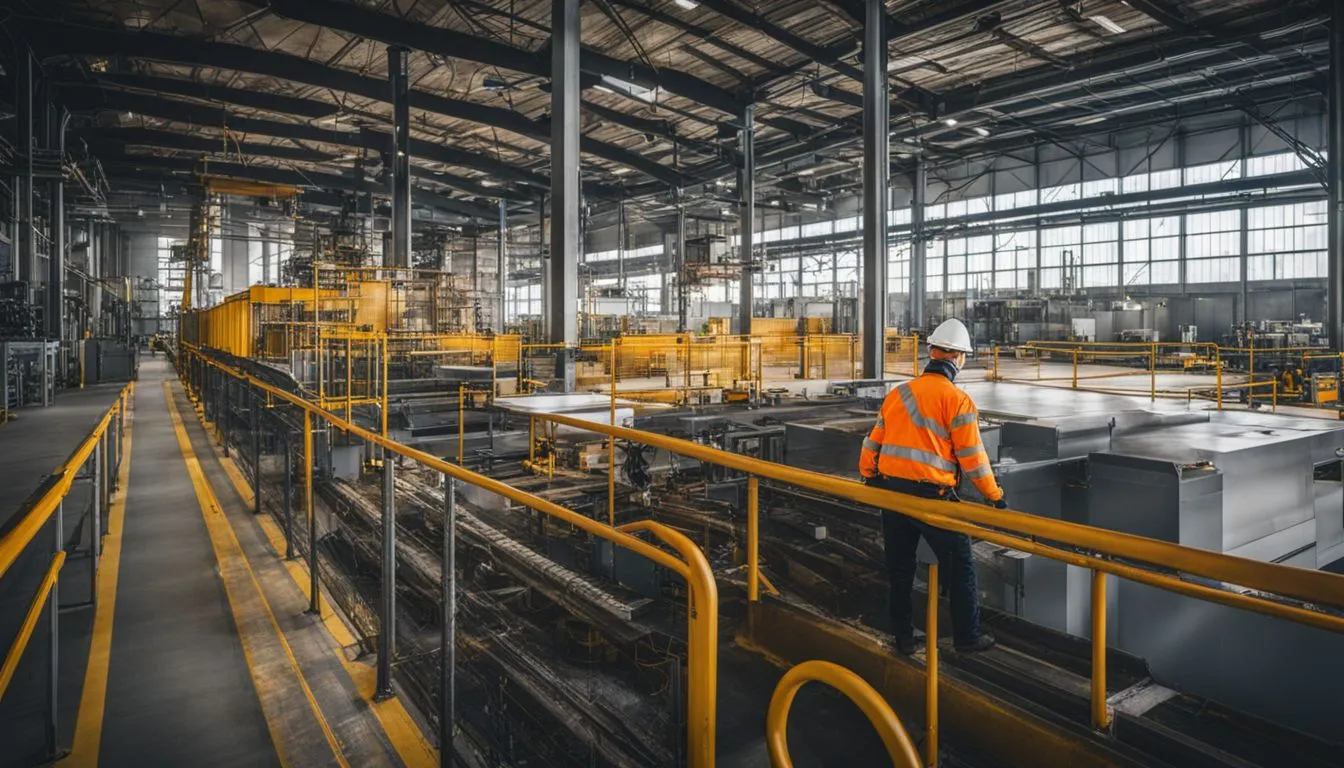
Ensuring industrial safety can sometimes seem like a bit of a daunting task, right? Believe me, we’ve been through the wringer ourselves and have done heaps of digging into the issue.
But not to worry, our insights are here to lead you through enhancing workplace safety with some top-notch safety barrier solutions. Keen to find out how? Keep reading on, mate.
Understanding Safety Barriers
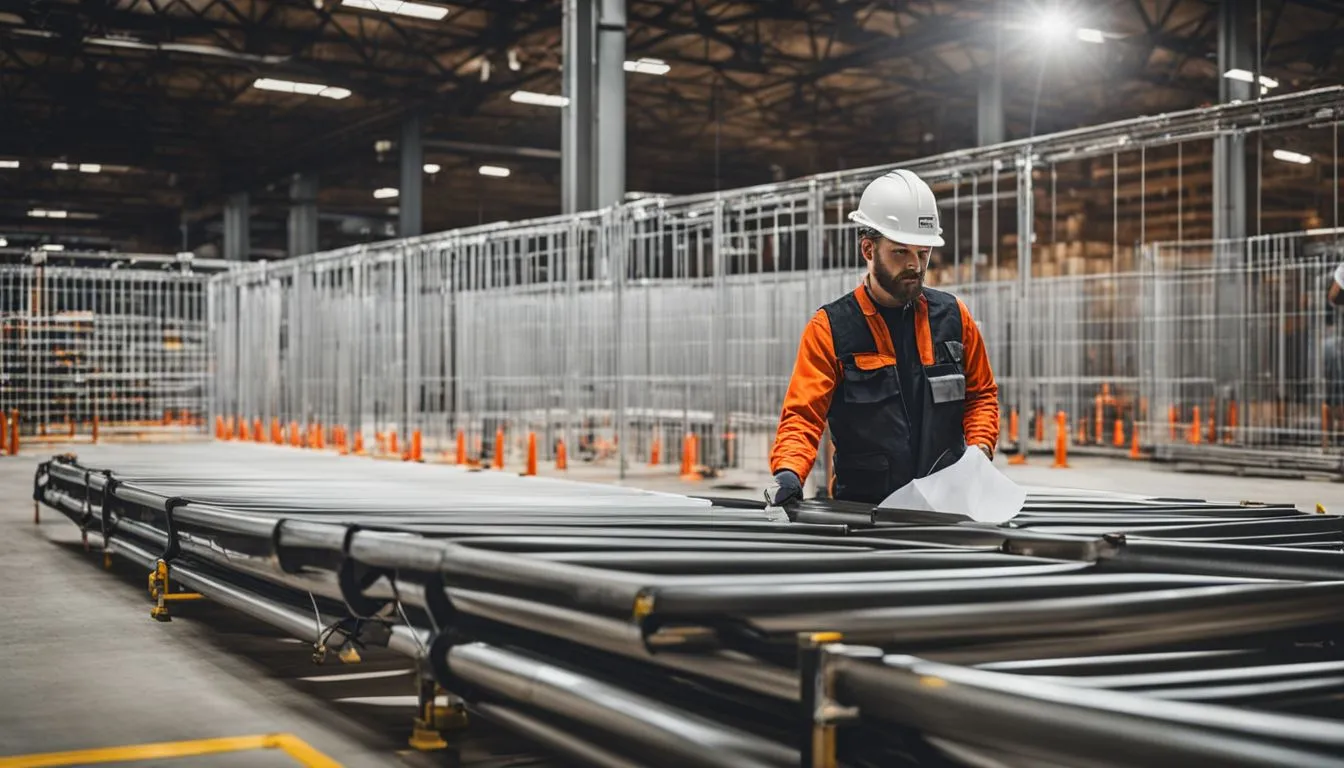
Safety barriers play a critical role in maintaining workplace safety and optimising industrial operations. We incorporate safety barriers to prevent accidents, control pedestrian and vehicle flow, and protect assets within various environments.
These solutions are vital for enforcing safety protocols and meeting occupational safety standards.
Our approach focuses on offering innovative industrial safety products that address specific needs within different settings. We understand that effective hazard prevention starts with selecting the right type of barrier.
Therefore, we prioritise providing security and protection through high-quality safety equipment crafted to reduce downtime and maintenance costs while ensuring operational efficiency.
Role of Safety Barriers in Modern Industrial Infrastructure
Safety barriers play a crucial role in optimising industrial safety by providing a physical means to manage both vehicle and pedestrian flow effectively. They serve as the first line of defence against accidents, ensuring that areas with potential hazards are clearly marked and protected.
This separation reduces the risk of injuries and enhances operational efficiency by streamlining movements within facilities.
Implementing these safety solutions also significantly cuts down on downtime related to accidents, while contributing to maintenance cost reduction. They fulfil essential functions across various sectors by safeguarding equipment, protecting workers, and maintaining secure environments.
Next, we explore the different types of safety barriers available for industrial use.
Types of Safety Barriers
Types of safety barriers aim to improve workplace safety in various industrial environments. To explore the benefits and applications, continue reading the article.
Physical Barriers
Physical barriers serve as the first line of defence in industrial safety, playing a critical role in both vehicle flow management and pedestrian flow management. These structures are built strong to withstand impacts, reducing downtime and maintenance costs effectively.
Materials vary from steel to high-density plastics, chosen based on the environment they’re designed to protect. We choose these materials with durability, visibility, and operational efficiency in mind.
Next up, we explore the variety within non-physical barriers and how they complement their physical counterparts in safeguarding workplaces.
Non-Physical Barriers
In our efforts to optimise industrial safety, we place significant emphasis on non-physical barriers. These include advanced alarm systems, warning lights, and clearly marked zones for vehicle flow management and pedestrian flow management.
Through intelligent design and the integration of safety solutions, these barriers guide behaviour without the need for physical obstructions.
Our approach ensures operational efficiency while reducing downtime and maintenance costs. By implementing strategies such as line marking services and deploying cutting-edge technology like smart barrier systems, we create a safer environment that emphasises hazard prevention through visual and auditory signals.
This method boosts overall workplace safety by keeping risks at bay in various industrial settings.
Natural Barriers
Turning from the concept of non-physical barriers, we shift our focus to natural barriers. These unique safety solutions harness nature’s own resources to create effective boundaries and zones within industrial settings.
Trees, shrubs, and terrain features like hills act as excellent deterrents for both vehicular and pedestrian flow management. They not only enhance operational efficiency by clearly demarcating areas but also contribute significantly to environmental aesthetics and workplace safety.
We integrate these natural elements with traditional safety measures to optimise industrial safety. This approach allows us not just to prevent hazards but also to promote a more pleasant working environment.
By combining the greenery with safety products, we achieve a balance between security, protection, and sustainability in the workplace. This method proves essential in reducing maintenance costs while adhering strictly to occupational safety standards and protocols without compromising on either aesthetic or functional requirements.
Key Design Principles of Effective Safety Barriers
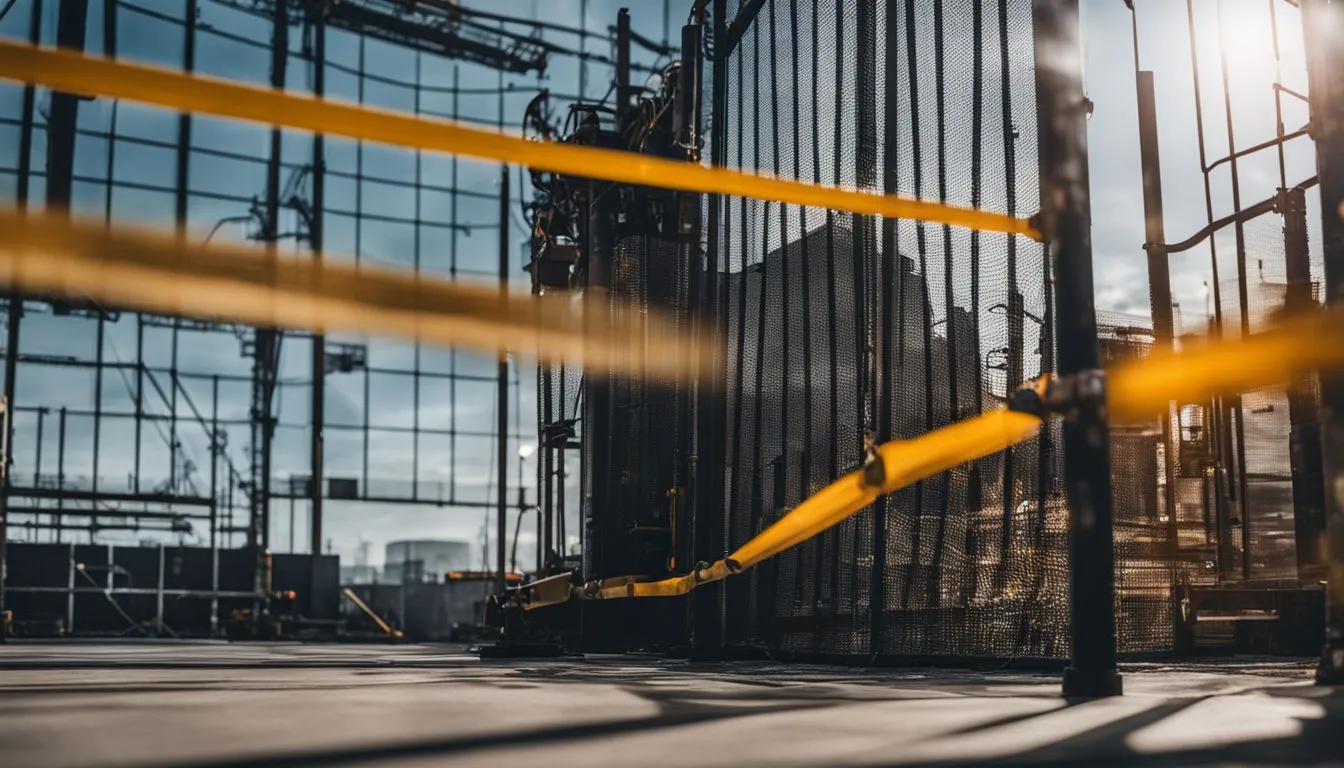
When designing effective safety barriers, we prioritise visibility, durability, and flexibility. We ensure that our safety barriers are visible from a distance and can withstand impact while also being adaptable to different industrial environments.
Visibility
Visibility plays a critical role in optimising industrial safety with safety barrier solutions. We ensure our safety barriers stand out, making them easy for workers to spot in any operational conditions.
Bright colours and reflective materials are often used to catch the eye during both day and night shifts, significantly reducing the risk of accidents by alerting individuals to potential hazards ahead.
As we focus on enhancing workplace safety through visible barriers, we also prioritise durability and strength in our products. Let’s explore how these elements combine to offer superior protection in industrial environments.
Durability and Strength
We know that in the industrial sector, safety barriers need to stand up against tough conditions. That’s why durability and strength are non-negotiable features for any safety solution we consider.
Our products are built to withstand harsh environments, heavy impacts, and the test of time, ensuring your workplace remains safe and secure. We select materials known for their long-lasting qualities and construct barriers that maintain integrity even under intense strain.
Our focus ensures that maintenance costs stay low while operational efficiency skyrockets. This approach not only preserves the physical health of your infrastructure but also fosters a safer environment for both pedestrian flow management and vehicle flow management within your operations.
Now, let’s explore how flexibility and adaptability play pivotal roles in our next section.
Flexibility and Adaptability
Moving on from the discussion on durability and strength, it’s crucial to emphasise the importance of flexibility and adaptability in safety barriers. Safety barriers should be able to adjust to changing operational needs.
They must offer versatile configuration options that cater to various industrial layouts and evolving safety requirements. The ability of safety barriers to adapt quickly is essential for maintaining optimal safety levels across different work environments.
Incorporating flexible and adaptable safety barrier solutions not only enhances workplace safety but also supports operational efficiency and minimises downtime. Businesses can ensure seamless flow management for vehicles and pedestrians while adapting to dynamic production areas or shifting warehousing demands.
Applications of Safety Barriers in Different Industrial Environments
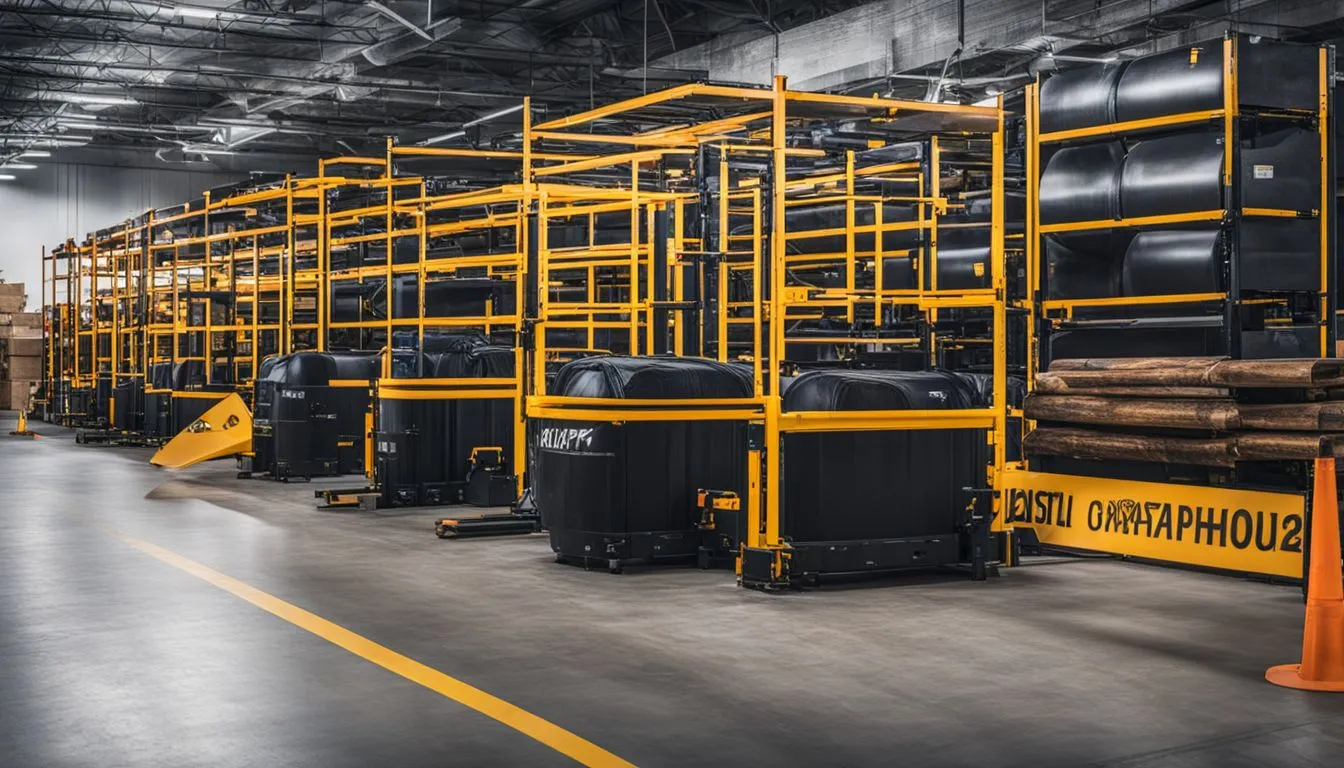
Safety barriers serve a crucial role in loading docks, warehousing, and production areas. They effectively separate vehicle and pedestrian flow while enhancing operational safety and efficiency in industrial environments.
Loading Docks
Loading docks are critical areas in industrial environments where safety barriers play a pivotal role in ensuring the smooth flow of vehicle and pedestrian traffic, as well as protecting workers from potential hazards.
Implementing durable and visible safety barriers can effectively manage vehicle flow, prevent accidents, and enhance operational efficiency. These solutions also help reduce maintenance costs by safeguarding loading dock infrastructure.
Selecting the right safety barrier types tailored to loading dock requirements is essential for maintaining workplace safety standards.
Incorporating high-visibility physical barriers alongside non-physical barriers such as signage and floor markings can significantly improve safety in loading dock areas. It’s vital to consider flexible and adaptable designs that can withstand the ever-changing demands of this dynamic environment.
Warehousing
Warehousing plays a crucial role in the smooth operation of industrial facilities. Safety barriers are essential for segregating pedestrian walkways and vehicle traffic zones within the warehouse, preventing accidents and ensuring efficient workflow.
These barriers are designed to withstand impacts, providing robust protection for employees, equipment, and inventory. Implementing safety barrier solutions can reduce downtime due to accidents and maintenance while also enhancing overall operational safety.
In a bustling warehouse environment, safety is paramount. Safety barriers facilitate clear demarcation of areas and improve overall workplace safety standards. They ensure pedestrian flow management is optimised while contributing to the preservation of assets and safeguarding against potential hazards such as forklift collisions or stock damage.
Production Areas
In production areas, safety barriers play a crucial role in separating pedestrian and vehicle traffic to prevent accidents. Industrial safety barriers can effectively manage the flow of vehicles and people, ensuring efficient operations while reducing the risk of collisions or injuries.
Implementing appropriate safety barrier solutions in production areas not only enhances workplace safety but also contributes to operational efficiency and maintenance cost reduction, safeguarding both employees and equipment.
To optimise industrial safety in production areas, it is essential to integrate bespoke safety barrier solutions that cater to the specific needs of each industrial environment. These tailored barriers are designed to withstand the ever-evolving demands of modern production facilities, offering robust protection without compromising operational workflows or hindering productivity.
Evaluating the Role of Safety Barrier Solutions in Warehousing
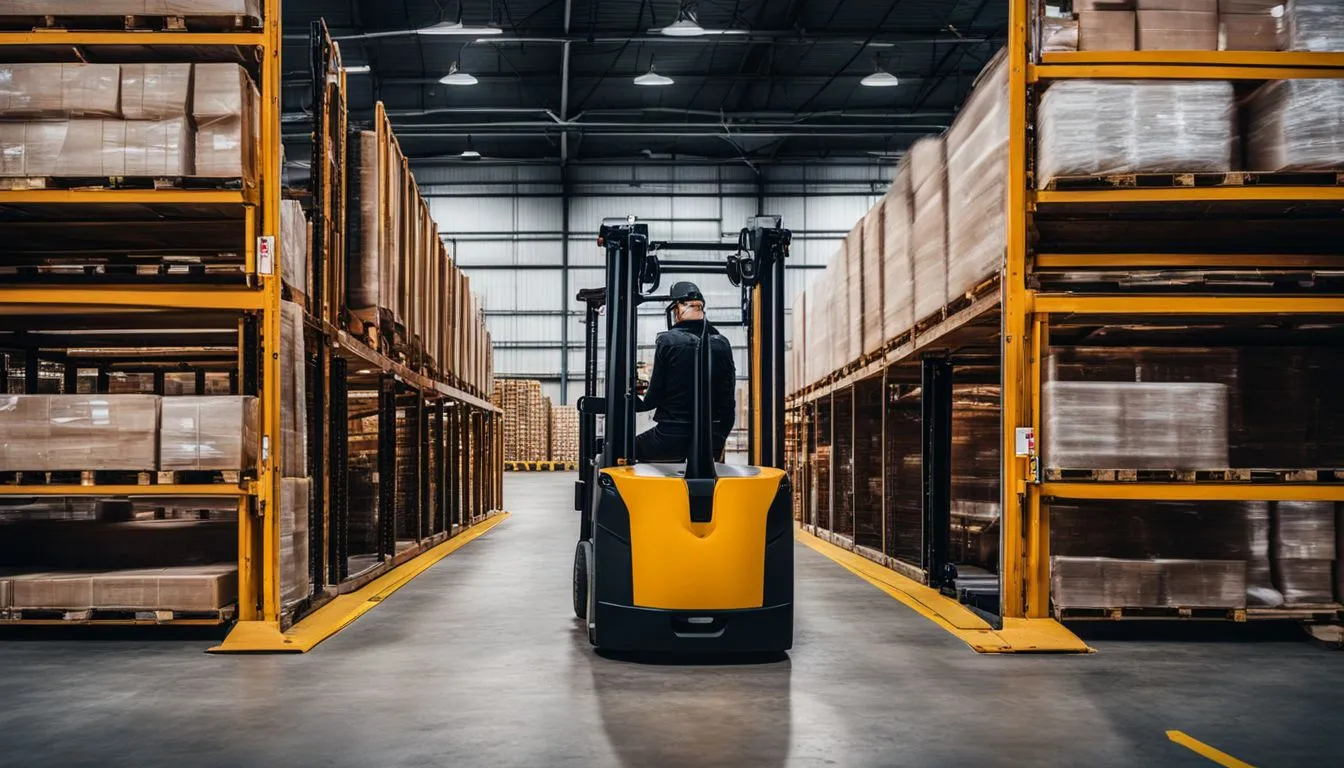
Safety barrier solutions play a pivotal role in enhancing workplace safety and operational efficiency within warehousing environments. These solutions are designed to mitigate the risk of accidents involving forklifts, pallet jacks, and other heavy machinery.
By strategically placing safety barriers in key areas such as walkways, intersections, and racking systems, businesses can effectively manage vehicle flow and pedestrian movement.
Implementing safety barriers not only reduces the likelihood of collisions between vehicles and pedestrians but also minimises the potential damage to infrastructure caused by accidental impacts.
Additionally, these barriers contribute to maintenance cost reduction by safeguarding vital equipment from potential damage. The utilisation of robust safety barrier solutions underscores a commitment to prioritising employee well-being while simultaneously optimising warehouse operations.
Future Innovations and Trends in Safety Barrier Solutions
Future innovations and trends in safety barrier solutions are shaping the industrial safety landscape. We see smart barrier systems, environmentally friendly materials, and a fusion of aesthetics with safety emerging as game-changers.
Smart Barrier Systems
Smart barrier systems are integrating cutting-edge technology with traditional safety barriers to enhance workplace safety. These systems leverage sensors and automation to detect potential hazards, monitor traffic flow, and regulate access in real-time.
Such intelligent solutions can contribute to operational efficiency, vehicle flow management, pedestrian flow management, and security best practices within industrial environments.
Implementing smart barrier systems also aligns with future-focused trends in workplace safety equipment by embracing technological advancements and enhancing hazard prevention protocols.
Furthermore, the integration of smart technology into safety barriers not only strengthens occupational safety but also reduces downtime and maintenance costs. Business owners can benefit from these advanced solutions by optimising security and protection measures while simultaneously ensuring that their industrial operations remain unhindered.
Environmentally Friendly Materials
Incorporating environmentally friendly materials into safety barrier solutions can significantly reduce the environmental impact of industrial operations. Using sustainable materials such as recycled steel, aluminium, or composite materials not only promotes eco-friendly practices but also contributes to overall sustainability efforts within a business.
These materials are durable and resilient, offering long-term protection while minimising the carbon footprint associated with manufacturing and maintenance processes.
Opting for environmentally friendly safety barriers aligns with modern business initiatives focused on sustainability and environmental responsibility. By integrating these materials into safety barrier solutions, businesses can actively contribute to reducing their ecological footprint and promoting a greener approach to industrial safety infrastructure.
Aesthetics with Safety
When considering safety barriers, it is essential to understand that aesthetics can be combined with functionality. Combining safety with visually appealing designs not only enhances the overall look of the industrial environment but also creates a positive impact on employees and visitors.
Utilising aesthetically pleasing safety barrier solutions ensures that safety remains a top priority without compromising the visual appeal of the workplace.
Incorporating attractive designs into safety barriers aligns with modern business needs by demonstrating a commitment to both safety and aesthetics. By integrating visually appealing features into protective elements, businesses can create an inviting and safe work environment while maintaining operational efficiency.
Aesthetics play a pivotal role in creating an environment that promotes employee well-being and reflects positively on the brand image.
Conclusion
In summary, our bespoke safety barrier solutions are designed to enhance workplace safety and operational efficiency across various industrial environments. Implementing these tailored barriers not only ensures security and protection but also underpins the importance of hazard prevention in the ever-evolving realm of occupational safety.
By optimising vehicle flow management, pedestrian flow management, and maintenance cost reduction, our suite of safety measures is advisable for business owners navigating the complexities of industrial safety protocols.
Picture this: embarking on a journey towards unlocking the secrets to a safer and more efficient workplace environment – it’s not merely about installing barriers; it’s about diving into an era of practicality and efficiency.
So, let’s delve deeper into these strategies so we can continue to improve workplace safety standards.
To delve deeper into how safety barriers can optimise warehouse operations, visit Verge Safety Barriers.