
19 July 2024 · filed in Safety Barriers Sydney
Pedestrian Safety Barriers: Design and Functionality
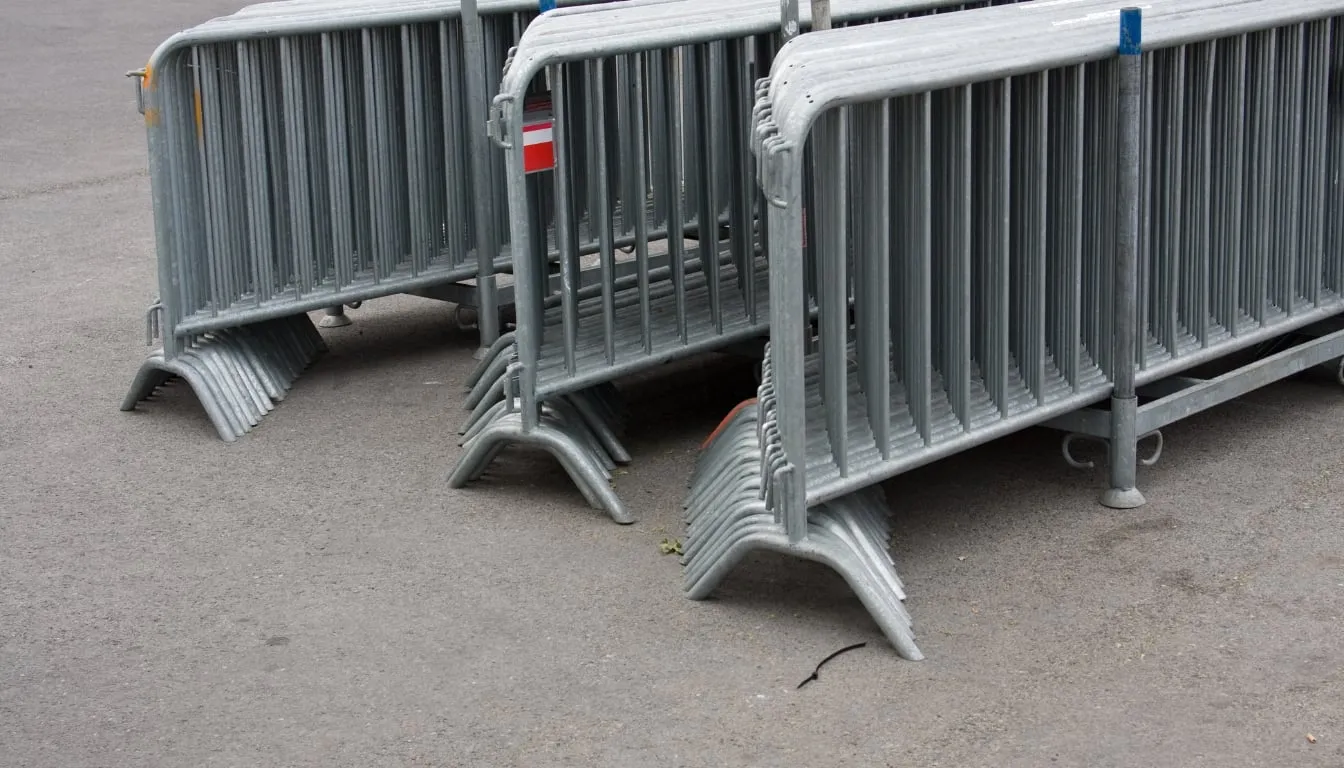
Pedestrian safety barriers play a crucial role in ensuring the safety of people in various environments, from busy city streets to construction sites and public events. Designed with both functionality and safety in mind, these barriers serve multiple purposes, each contributing to creating safer pedestrian zones.
Purpose and Types of Pedestrian Safety Barriers
Pedestrian safety barriers are primarily designed to guide and protect pedestrians from vehicular traffic and other hazards. They come in various types such as steel barriers, water-filled barriers, and flexible plastic barriers. Each type is suited to different environments and levels of protection needed.
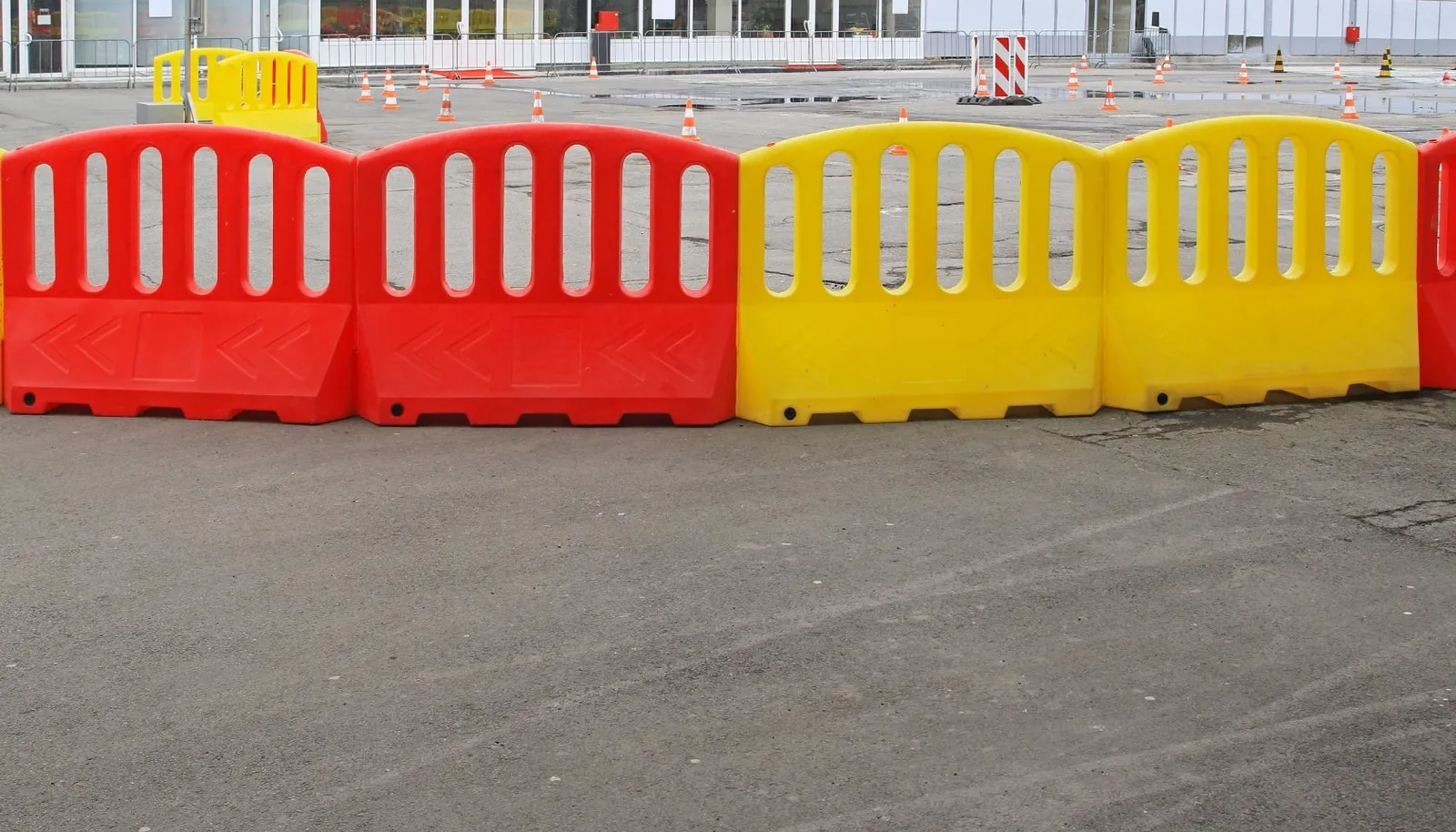
Steel barriers, often seen in urban settings and events, provide robust physical separation between pedestrians and vehicles. Water-filled barriers offer a blend of stability and portability, ideal for temporary setups like road works. Flexible plastic barriers are lightweight and versatile, commonly used for creating walkways and delineating pedestrian zones in public spaces.
Design Considerations for Safety and Visibility
The design of pedestrian safety barriers focuses on enhancing visibility and effectiveness. Bright colours like orange or yellow enhance visibility, especially in low-light conditions. Reflective strips further increase visibility at night, reducing the risk of accidents.
Barriers are engineered to be sturdy yet easy to install and relocate as needed. Modular designs allow for flexibility in configuration, adapting to different layouts and crowd sizes. This versatility ensures barriers can be quickly deployed and adjusted without compromising safety.
Materials and Construction
Materials used in pedestrian safety barriers vary based on durability and application. Steel barriers are durable and withstand impact, making them suitable for long-term use in high-traffic areas. Water-filled barriers are made from robust plastic that can be easily transported and filled on-site, providing temporary but effective protection.
Flexible plastic barriers are lightweight and often made from recycled materials, balancing sustainability with functionality. These materials are chosen not only for their strength but also for their environmental impact, aligning with modern sustainability practices.
Integration with Urban and Event Planning
In urban planning, pedestrian safety barriers are integrated into city infrastructure to manage traffic flow and protect pedestrians in bustling areas. During events such as festivals or marathons, barriers help create designated pedestrian zones, ensuring safety without impeding the event’s activities.
Event planners collaborate with safety experts to strategically place barriers, considering crowd dynamics and emergency access. This collaborative approach enhances event safety while maintaining a positive experience for attendees.
Innovations in Barrier Technology
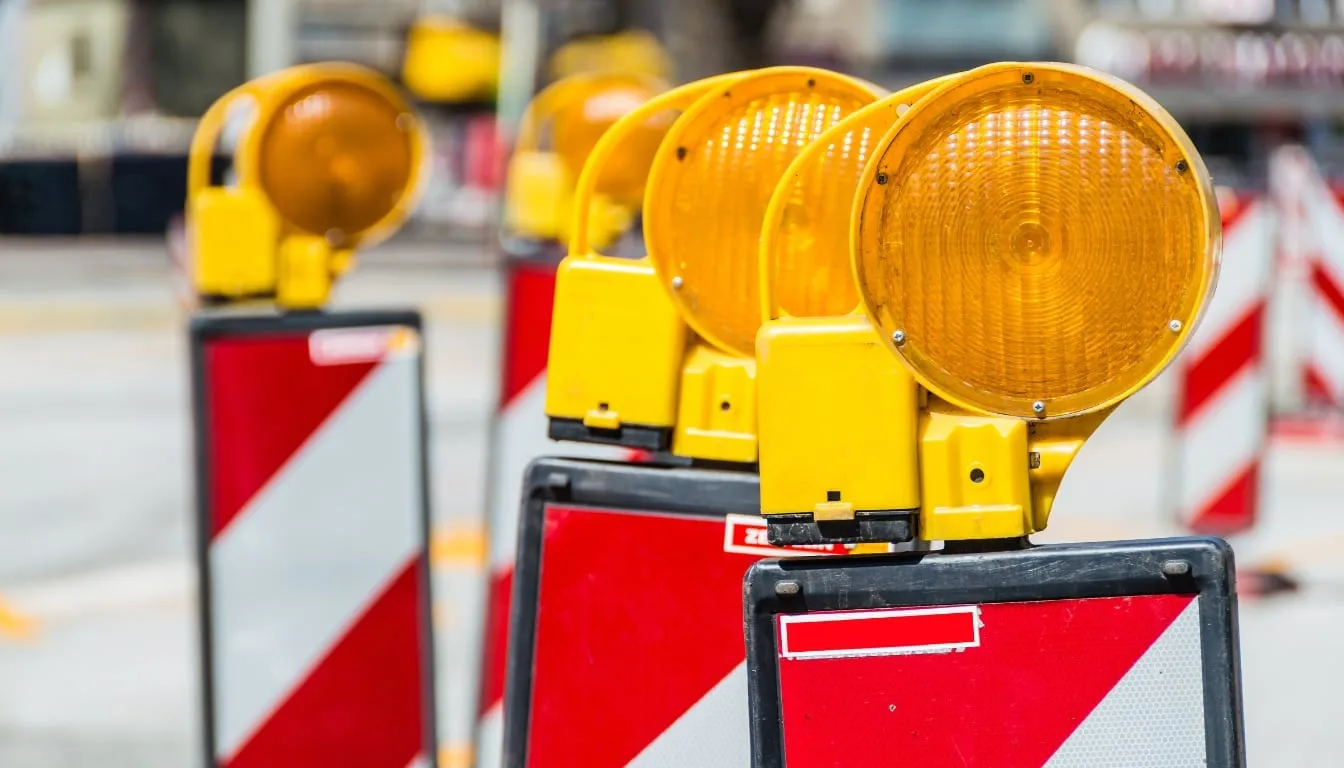
Advancements in barrier technology continue to enhance safety and usability. Smart barriers equipped with sensors and LED indicators can detect impacts or breaches, alerting authorities in real-time. These innovations improve response times during emergencies and provide data for optimising barrier placements in future events or urban expansions.
Safeguarding Pedestrians for a Safer Future
Pedestrian safety barriers are more than physical barriers; they represent a commitment to safeguarding public spaces and improving urban safety. By integrating innovative designs with practical functionality, these barriers ensure that pedestrians can move safely in dynamic environments. Whether navigating city streets or attending public events, these barriers play a crucial role in enhancing safety and peace of mind.