
26 December 2023 · filed in Safety Update
Proactive Barrier Protections: The Key to Warehouse Safety
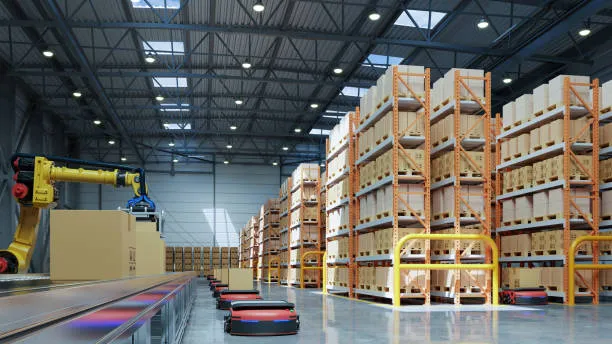
Warehouses can be like busy streets, full of forklifts and workers rushing around. Just like roads have traffic lights and signs to keep cars from crashing, warehouses need safety barriers to prevent accidents. These solid friends can stop a heavy vehicle in its tracks, keeping people safe and protecting stacks of goods from being knocked over. Keeping everyone safe isn’t just about having strong barriers; it’s also about bosses giving the right tools to fix any dangerous spots that might cause trips or falls.
Think of all the hustle in a warehouse, machines lifting, boxes moving, lorries loading. It’s easy for someone on foot to end up in the wrong place at the wrong time. That’s why we paint lines on the ground and put up railings: so there’s no confusion about where it’s safe to walk. And with things like harmful chemicals around, we really have to make sure no one gets hurt by putting strong guards between them and danger.
As more businesses join in on using warehouses, making them safe is bigger than ever before, it’s not just good sense; it’s a must-do! Our team knows our way around these metal protectors: how they should stand tall against crashes and guide everyone away from harm. Let’s explore how smartly-placed barriers make warehouses safer places for both people who work there every day and pricey machines zipping by, because when everything has its place, work goes smoothly without worry. Get ready for key advice on turning your workspace into a fortress of safety with well-placed defences!
Importance of Warehouse Safety Barriers
Warehouse safety barriers are essential for preventing accidents and protecting structures and equipment in a warehouse environment. By directing traffic, separating pedestrians and vehicles, and providing physical barriers, these safety measures play a crucial role in maintaining a safe workplace.
Prevent accidents by directing traffic
Directing traffic efficiently is a key strategy for preventing accidents in our warehouse. We use robust safety barriers to guide vehicles along designated routes, away from pedestrian areas and critical structures.
This thoughtful placement of barriers ensures that forklifts and other machinery move safely through the facility without posing risks to staff or damaging valuable stock.
Proper traffic control also involves creating clear visual cues on the floor to mark walkways and vehicle lanes. This distinction makes it easier for everyone to understand where it’s safe to walk and where they should be more alert.
By doing so, we minimise the chance of collisions and contribute significantly towards a safer work environment where operational hazards are kept under control.
Protecting structures and equipment
To protect structures and equipment in warehouses, it is crucial to install appropriate safety barriers. Safety barriers act as a physical barrier between vehicles and fixed assets, such as walls, machinery, or storage racks.
By doing so, they prevent accidental collisions that can result in costly damage to property and infrastructure. Additionally, safety barriers provide a clear delineation of traffic paths within the warehouse, enhancing overall traffic management and ensuring the safety of both employees and assets.
This proactive approach helps businesses avoid disruptions caused by accidents while maintaining a safe working environment.
Separating pedestrians and vehicles
Separating pedestrians and vehicles is crucial for preventing accidents in the warehouse. Clearly marked walkways and designated pedestrian areas help ensure that foot traffic stays away from forklifts, trolleys, and other moving equipment.
Implementing barriers such as safety railings or bollards can further enhance safety by creating physical separation between pedestrians and vehicles, reducing the risk of collisions.
Business owners must prioritise the installation of safety barriers to safeguard their employees from potential harm. By separating pedestrian paths from vehicle routes within the warehouse, businesses can mitigate risks and create a safer working environment for everyone involved.
Types of Warehouse Safety Barriers
When it comes to warehouse safety barriers, there are a few different types to consider. Each type serves a specific purpose and can be tailored to the unique needs of your warehouse.
From pedestrian barriers to forklift barriers, bollards, racking protectors, and anti-collapse barriers, there are plenty of options to choose from.
Pedestrian barriers
Pedestrian barriers are crucial in warehouses to ensure the safety of employees by separating them from moving vehicles. By clearly marking pedestrian walkways and creating designated paths, these barriers help prevent accidents and protect workers from potential collisions.
Implementing pedestrian barriers also helps improve traffic management within the warehouse, reducing blind spots and enhancing overall safety for everyone on site.
The installation of pedestrian barriers in key areas should be a top priority for business owners looking to maintain a safe work environment. Integrating these barriers goes a long way in preventing accidents and ensuring compliance with warehouse safety regulations.
Forklift barriers
Forklift barriers are essential for ensuring the safety of workers and preventing accidents in warehouses. These protective structures help to separate forklift traffic from pedestrian areas, reducing the risk of collisions and injuries.
By installing physical barriers such as guardrails or safety gates, warehouse operators can create designated paths for forklifts, improving overall traffic management and creating a safer working environment.
Implementing forklift barriers is crucial in addressing common hazards associated with warehouse operations. These barriers not only enhance workplace safety but also contribute to compliance with warehouse laws and regulations.
Preventing accidents involving forklifts can significantly reduce downtime, insurance costs, and most importantly, protect employees from potential harm.
Bollards
Bollards are sturdy, vertical posts often made of steel or concrete, positioned strategically in a warehouse to protect against collisions. They act as a barrier between vehicles and personnel, equipment, or important structures.
Bollards help prevent accidents by creating a physical boundary and directing traffic flow within the warehouse. By installing bollards at key points throughout the facility, such as around loading docks and pedestrian walkways, business owners can significantly enhance safety measures for both employees and valuable assets.
Properly placed bollards also serve to safeguard against potential damage caused by forklifts or other moving machinery. These barriers play a crucial role in minimising the risk posed by heavy vehicles operating in confined areas.
Racking protectors
We previously discussed the importance of barriers like bollards in enhancing workplace safety. Now let’s turn our attention to racking protectors, which are crucial for safeguarding your warehouse infrastructure.
Racking protectors provide a physical barrier that shields your pallet racks and shelving units from damage caused by forklifts or other moving equipment.
When impacts occur, these protectors absorb the force, preventing structural damage and reducing the risk of accidents due to collapsed racks. By installing racking protectors strategically throughout your warehouse, you can significantly enhance its overall safety while also minimising potential repair costs associated with damaged storage systems.
Anti-collapse barriers
When it comes to warehouse safety, anti-collapse barriers are essential for preventing catastrophic accidents and protecting workers and assets. These heavy-duty barriers are designed to withstand impacts from falling objects or equipment failures, minimising the risk of structural collapse or damage within the facility.
By strategically installing anti-collapse barriers in key areas such as near racking systems or mezzanine floors, businesses can significantly reduce the potential for life-threatening incidents and costly property loss.
Furthermore, anti-collapse barriers act as a visual reminder of hazard zones and help to establish clear boundaries for safe working areas. This not only enhances occupational health and safety but also promotes a culture of awareness among employees when navigating high-risk zones within the warehouse environment.
Installing Warehouse Safety Barriers
When installing warehouse safety barriers, it is crucial to consider the placement and compliance with standards. It’s also important to use them in conjunction with other security measures for comprehensive protection.
Placement considerations
When placing warehouse safety barriers, it is crucial to consider strategic locations where traffic flow and potential hazards intersect. Analyse the layout of the warehouse to identify high-traffic areas, blind spots, and machinery operation zones.
Ensure proper placement of barriers near equipment storage areas, loading docks, walkways, and intersections to effectively prevent accidents and protect employees. Abide by safety regulations regarding barrier spacing and height to ensure optimal protection for workers and assets.
Regularly reassess placement considerations as the warehouse layout evolves to maintain a safe working environment.
Evaluate potential hazard zones such as forklift operating areas or heavy machinery pathways when determining the ideal placement for safety barriers in your warehouse facility. Implementing barriers in these critical locations can significantly reduce workplace accidents and contribute to overall employee safety.
Compliance with standards
We must ensure that our warehouse safety barriers comply with the relevant industry standards and regulations. Adhering to these standards is vital in addressing common warehouse safety issues and ensuring a safe working environment for our employees.
By strictly following the established laws and regulations, we can mitigate potential risks, protect workers, goods, and equipment, and prevent accidents within our workplace.
Warehouse laws mandate adherence to specific guidelines for traffic management, structural protection, and segregation of pedestrians from vehicles. It is essential to be mindful of these requirements when selecting, installing, or relocating safety barriers within our facility.
Use with other security measures
Warehouse safety barriers are an essential component of a comprehensive security strategy. When used in conjunction with other security measures such as CCTV surveillance, access control systems, and alarm systems, they provide an added layer of protection for employees and valuable assets within the warehouse.
By integrating safety barriers with these additional security measures, businesses can create a robust safety infrastructure that mitigates risk and enhances overall workplace safety.
Incorporating safety barriers with other security measures also demonstrates a commitment to creating a safe working environment for employees. This proactive approach not only enhances hazard prevention but also helps in compliance with warehouse laws and regulations.
Common Mistakes to Avoid
- Neglecting regular inspection and maintenance of safety barriers, leading to compromised effectiveness in preventing accidents and protecting equipment.
- Overlooking the need for proper employee training on the correct usage and function of safety barriers, which reduces their impact on overall warehouse safety.
- Installing safety barriers without considering the layout and flow of traffic within the warehouse, resulting in inadequate protection in high-traffic areas.
- Failing to assess and address specific hazards unique to the warehouse environment when selecting and placing safety barriers, leaving vulnerabilities unaddressed.
- Underestimating the importance of compliance with relevant laws and regulations governing safety barriers, leading to potential legal complications and unsafe conditions within the warehouse facility.
Benefits of Working with a Warehouse Barrier Provider
When working with a warehouse barrier provider, we can expect custom solutions tailored to our specific needs and requirements. Additionally, their expertise ensures quality and reliability in the barriers installed, along with options for signage and potential layout optimisations to enhance both employee and equipment safety.
Custom solutions
We offer custom solutions tailored to your specific warehouse layout and safety needs. By working closely with our team, we can develop barriers that fit seamlessly into your facility, maximising protection and efficiency.
Our bespoke approach ensures that each barrier is strategically placed to prevent accidents, protect structures and equipment, and separate pedestrians from vehicles. With our expertise, you can optimise your warehouse layout to enhance traffic management and safeguard your employees.
In addition to providing off-the-shelf options, our custom solutions are designed to address the unique challenges of your workplace environment. We understand the importance of meeting safety standards while maintaining operational flow, which is why we offer personalised solutions that integrate seamlessly with other security measures in place.
Our goal is to provide high-quality and reliable barriers that not only enhance workplace safety but also contribute to the overall efficiency of your operations.
Quality and reliability
Warehouse safety barriers are crucial to the smooth and reliable functioning of your business. The quality of these barriers is essential, ensuring they can withstand impact and effectively protect against accidents.
By investing in high-quality warehouse safety barriers, you demonstrate a commitment to providing a safe working environment for your employees, protecting valuable equipment, and upholding industry standards.
Reliability is equally important as it ensures that the safety barriers consistently perform their intended functions without fail.
Signage options
Consider clear and visible signage options to enhance the effectiveness of your warehouse safety barriers. Utilising prominent signs with bold lettering can help workers and visitors easily identify pedestrian walkways, forklift zones, and restricted areas.
By incorporating pictograms or symbols on the signage, you can effectively communicate safety instructions regardless of language barriers. Additionally, strategically placed warning signs near potential hazards such as loading docks or high traffic intersections can alert individuals to proceed with caution, contributing to a safer work environment.
Maximise the impact of your warehouse safety measures by employing well-placed signage that complements your barrier system. Ensure that the signage is easily readable from a distance and clearly conveys important safety information to all personnel in the facility.
Optimisation of warehouse layout
When considering the optimisation of warehouse layout, it is crucial to strategically position safety barriers to direct traffic flow and protect vital structures and equipment. By segregating pedestrians from forklifts and other moving vehicles, businesses can enhance workplace safety.
Ensuring clear walkways, delineated storage areas, and efficient traffic management not only safeguards employees but also improves operational productivity.
Strategically placing bollards or safety railings at key intersections helps prevent potential collisions between workers and equipment, enhancing overall warehouse safety. Implementing well-defined loading zones with proper signage also aids in minimising accidents and streamlining operations.
Employee and equipment safety
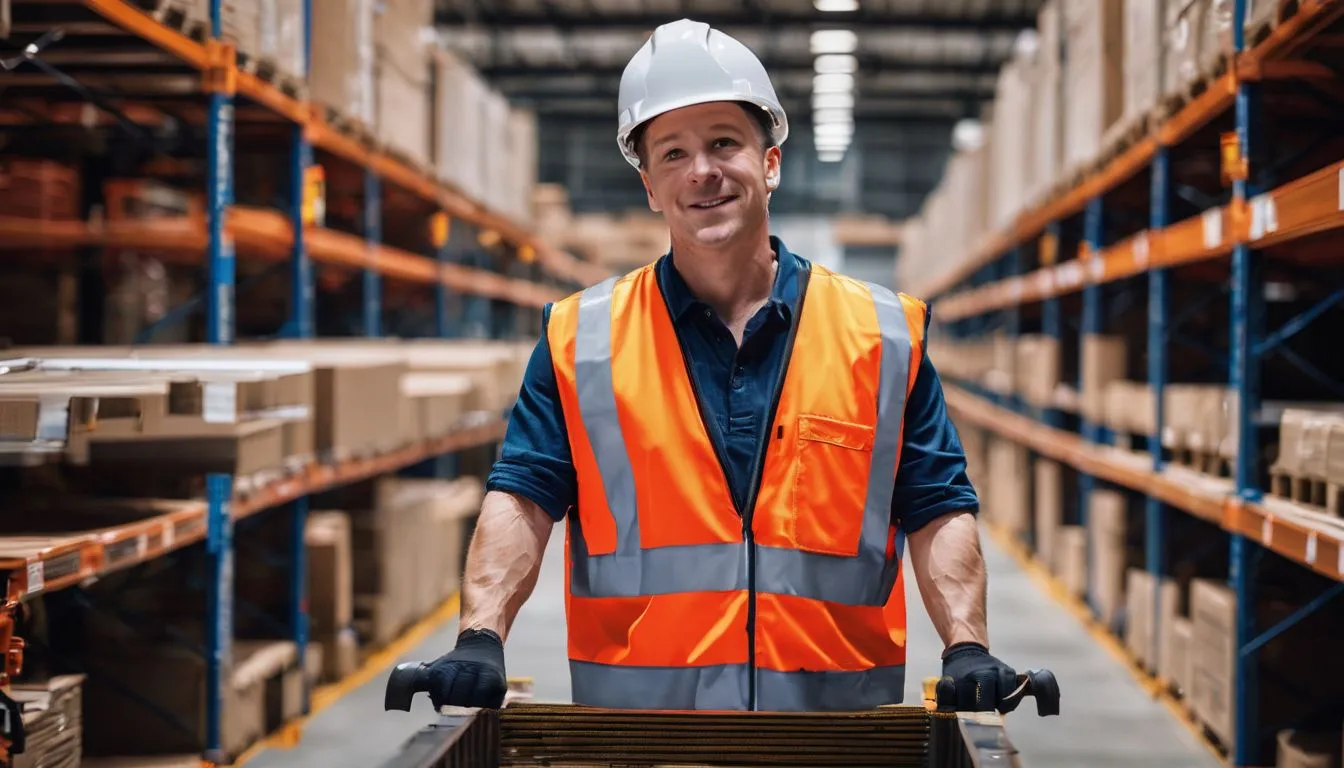
It is important to prioritise employee and equipment safety in warehouses. Ensure that all employees are trained in safe operating procedures and have access to necessary safety equipment, such as high-visibility vests and hard hats.
Regular maintenance of forklifts, conveyors, and other equipment is crucial for preventing accidents. Additionally, implementing clear signage and floor markings can help direct traffic flow and keep pedestrians safe from moving vehicles.
Businesses should also invest in quality safety barriers to protect workers and equipment from potential hazards. Installing pedestrian barriers around high-traffic areas can prevent accidents by creating designated walkways separate from vehicle paths.
Conclusion
Warehouse safety barriers are crucial for protecting workers and equipment in industrial settings. Implementing these strategies provides practical and efficient solutions to prevent accidents and enhance workplace safety. The potential impact of applying these measures is enormous, leading to improved operational efficiency and a safer work environment.
Business owners can explore further resources on safety barrier providers to ensure the highest level of protection for their warehouses. Proactive barrier protections are essential to warehouse safety. Rely on Verge Safety Barriers for bespoke solutions that address your unique safety concerns. Let’s take proactive steps today to safeguard our workplaces and create a culture of safety that benefits everyone involved.